Karamean Foodies Visit Tasman Artisans On Quest for Gastronomic Enlightenment

Off the Top of My Head

By Paul Murray

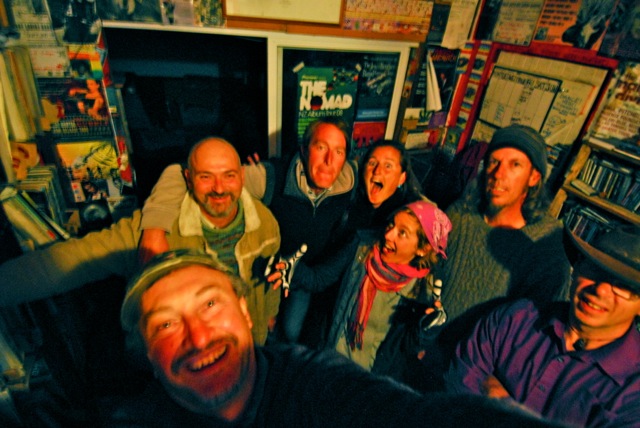
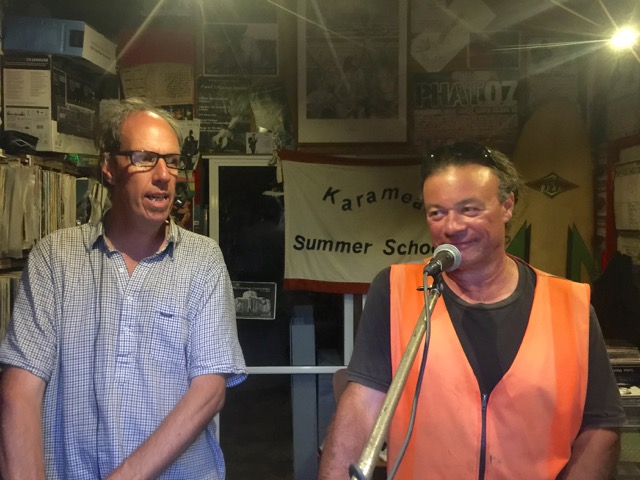
A group of eight Karameans travelled to the Tasman region on September 26 and 27, 2018,  to visit artisan food processing and production facilities in Nelson and Upper Moutere with the view to establishing similar enterprises in the Karamea region.

The idea is to leverage off our special location and unique growing environment to create a range of value-added processed food products grown here and marketed under a “Karamea” brand to create local employment, improve our economy, promote our region and enhance the resilience of our community in the process.

The tour was coordinated by Nick Dalgety, Ministry of Primary Industries (MPI) Senior Advisor for Economic Development and Partnerships Nelson, the group visited cafes, the Nelson Marlborough Institute of Technology (NMIT), Little Beauties feijoa and kiwifruit processing plant, the Moutere Artisans group, Peckhams Cidery and Orchard and Thorvald Cheese to gather information and ideas, make contacts and to seek inspiration from what others are doing.

Also on the trip were Development West Coast (DWC) Business Development Manager, Helen Wilson, David Stedfast from Gloriavale Christian Community and Jane Lancaster, a food production consultant from CatalystCatalyst and Dr Joanna Fountain, Senior Lecturer in Tourism at Lincoln University.

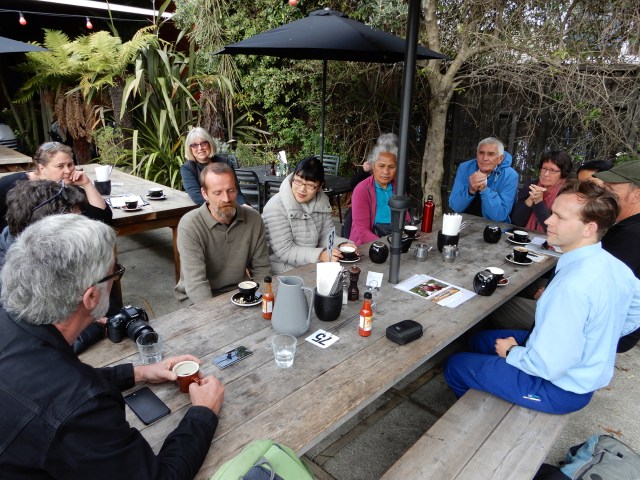
The tour began at Deville Café where owner Geoff McLean talked us through the pitfalls and peaks of the café business and discussed how he sources and selects food products like Dobbo’s Manuka Smoked Hot Sauce (made in Westport by Dobbo) for his café, which has been operating for 15 years. Geoff shared his knowledge and experience freely and with considerable candour and served us up a pretty damn good coffee as well.
 

DSCN1775

Geoff Maclean Shares his experience of operating a cafe in Nelson for the past 15 years with the group from Karamea and the greater West Coast. 


DSCN1784

Dobbo’s Hot Sauce…Made in Westport


1012390_10152307693262115_7836021831059814761_n

Deville Cafe Staff…Waiting to clean tables after the customers leave….

Just around the corner was the Bridge Street collective where we met with the manager Christine Donaldson, who spoke about the collective power of collaboration and cooperation in getting businesses connected and sharing their respective skills for mutual benefit. She also discussed the process of establishing a weekly market that showcases local produce and artisan products and enables producers to access customers in a cost-effective and fashion that also allows customers to meet the producers and processors of the goods on offer at the market.

Consumers are becoming increasingly interested in the provenance of their food and seeking quality products made by people passionate about their fare rather than mass-produced industrial brands and are prepared to pay a premium price of products of a high standard. The need for such products to be of premium quality was a consistent theme discussed by the presenters. The products need to be top notch to stand out in the market, create word-of-mouth promotion and encourage repeat purchases and brand loyalty from consumers.

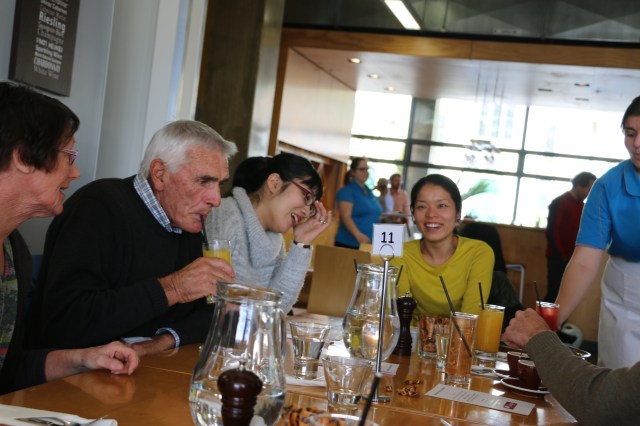
Then it was back to school with a stop at NMIT where we met with chefs and educators who briefly outlined food-safety compliance, gave us a tour of their facilities and information about the courses and programmes they offer to do with food, food handling, processing, packaging and marketing. We then had a lovely lunch prepared and delivered to the table by hospitality students at the institute as robust discussion about food continued over lunch.
Nick 1 NMIT

We purchased some ingredients from the market and returned to Nick Dalgety’s home near the Botanical Gardens to make pizza and cook them on his backyard pizza oven. This was also an excellent opportunity for further discussion and brainstorming about the potential for Karamea to have its own brand and range of products that add value to our raw produce and enable a higher return to the growers and food processors living in Karamea by selling our products into more affluent urban gourmet food markets.

The next day, we headed for Moutere. Our first stop was a fruit processing facility that makes Little Beauties dried feijoa, and golden kiwifruit slices dipped in chocolate…We had to sample quite a lot of these for the purpose of product research and quality assurance…Everyone agreed, the products were superb and very delicious!

Owner/Manager Tristan Wasney gave us a frank and detailed talk about the challenges of establishing such a venture and the costs and challenges involved in both producing the product and then getting it to market. We were also able to have a look at the way food handling is done on a commercial scale and also the process of preparing and packaging the final product.

IMG_8737

The Old Moutere Post Office was the next stop. There we met with Andrew Sutherland who discussed the establishment of the Moutere Artisans, a collective of artists, food producers and craftspeople who market their wares and fares at the repurposed Old Post Office, which now has a retail shop, café and gallery that displays and sells locally made products instead of stamps and envelopes.

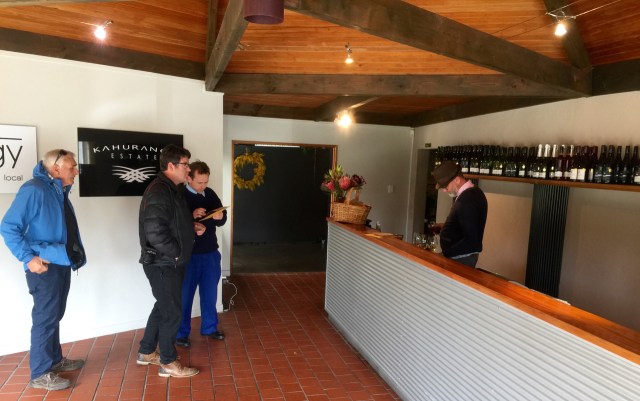
Cameron Woods dropped by during Andrew’s presentation and invited us for lunch at his business Tasteology at the Kahurangi Estate winery cellar door where we were treated to a fine food meal of locally produced cheese, meats, preserves and bread, well matched with wines from the Kahurangi Estate range.
IMG_8769IMG_8776

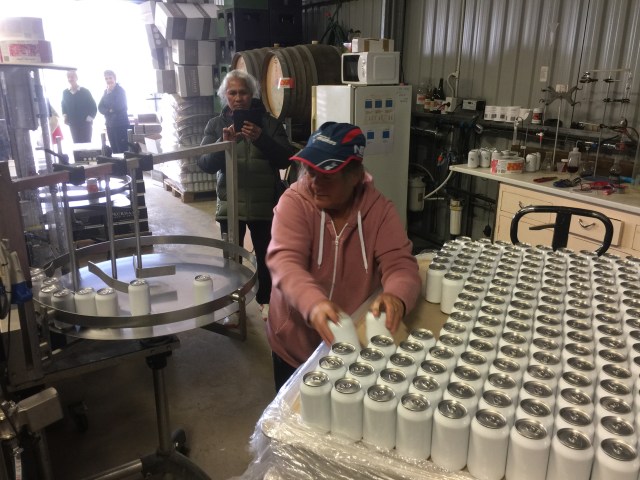
Peckham’s Cidery and Orchard was our next stop, there we met owners Alex and Caroline Peckham and toured both the orchard and the cidery and had a look at the process of making, bottling and labelling their cider and how to package and market the product. Alex openly discussed the challenges of establishing an artisan brand and competing with inferior mass-produced products that are no match in quality but are cheaper on the market. He offered several means of overcoming market resistance to price and shared his frustrations about competing in a market that is somewhat price focussed. The Peckham’s Cider range is an excellent example of a quality product that is far superior to other mass-produced ciders on the market, and we had to sample quite a few cans to be sure of this.

IMG_8781IMG_8784IMG_8785

The award-winning Thorvald Cheese was our last stop, and we caught up with our old friend Franzis Kaner, the head cheesemaker at Thorvald. Franzis walked us through the facility and showed us how their sheep’s milk cheese and yoghurt is made, the food safety procedures, quality control and the process of ageing and then packaging and marketing the products. Considerable sampling of the various cheeses was also necessary at this facility, and all agreed, their range was exceptionally good!

The participants were all very impressed, inspired and motivated by the people we met and the facilities we visited and plan to also travel to Canterbury later in the year to visit more food-processors and make additional contacts with people who may be able to assist with the process of establishing similar enterprises here in Karamea.

Each venture we visited, the speaker received a lovely gift set of True Blue Organics products from Hamish and Margaret Macbeth’s business, which demonstrates well that Karamea can produce a quality value-added product and establish a viable business here. Thanks to Hamish and Margaret (and Ema Franken for preparing the gift boxes).

The more food we can produce and process here, the more people we can employ, the more responsible we will become for our own food and financial security and the more resilient we will be in the event of a civil-defence event that takes the road out. If Karamea is able to produce its own food and have a supply of processed and preserved food in stock to cater to the needs of the local population, the better we will cope with such an eventuality.

Thank you also to Nick Dalgety from MPI for coordinating the tour, Helen Wilson from DWC for assisting. Both DPI and DWC contributed financially to defray the cost to participants of the trip, thank you for that also.

K symbol

Posted in Agriculture, Business, Community, Community-Led Development, Economics, Environmentally Responsible Business, Karamea, New Zealand, Paul Murray, Social Enterprise, South Island, Sustainability, Uncategorized, West Coast | Tagged , , , , , , , | Leave a comment

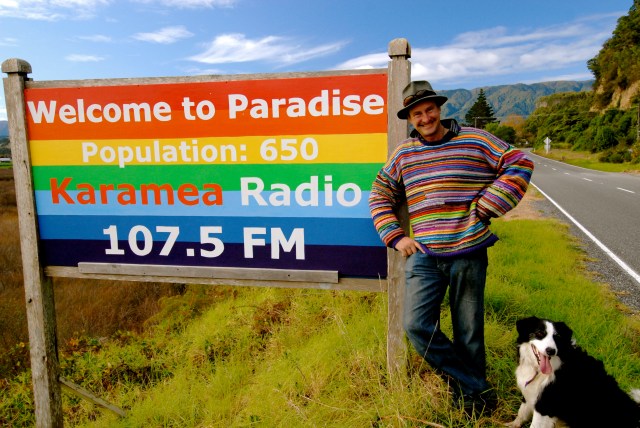
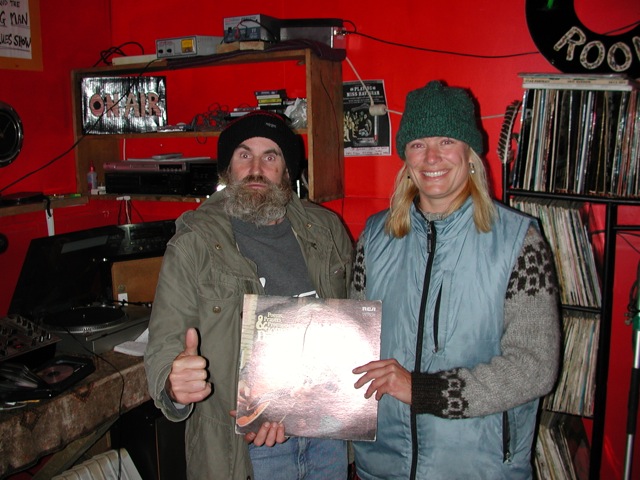
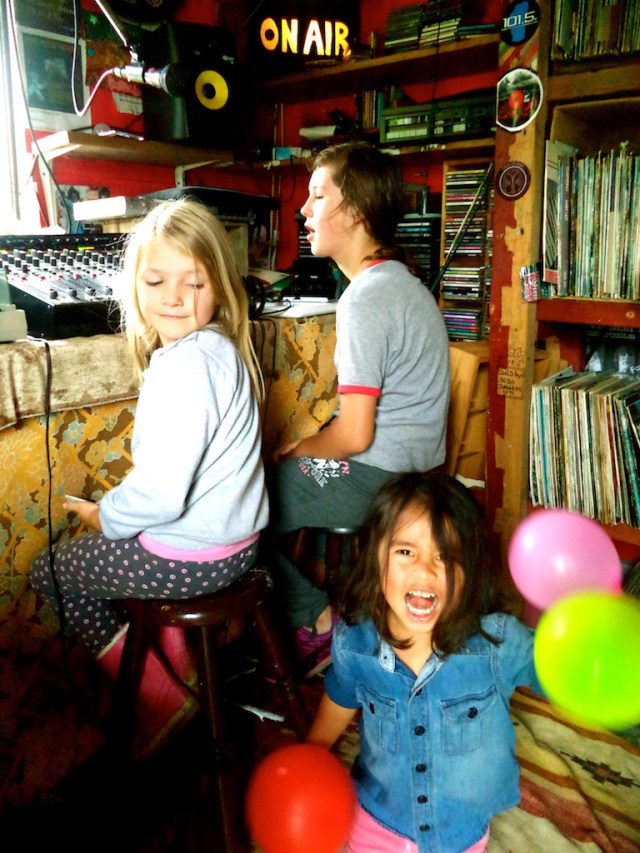
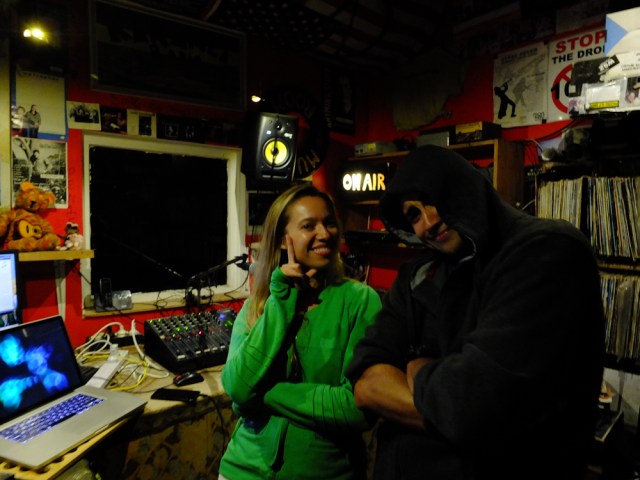
Karamea Radio Moves to “The Cross”…

…But it’s Broadcast as Usual for New Rongo Radio


Off the Top of My Head

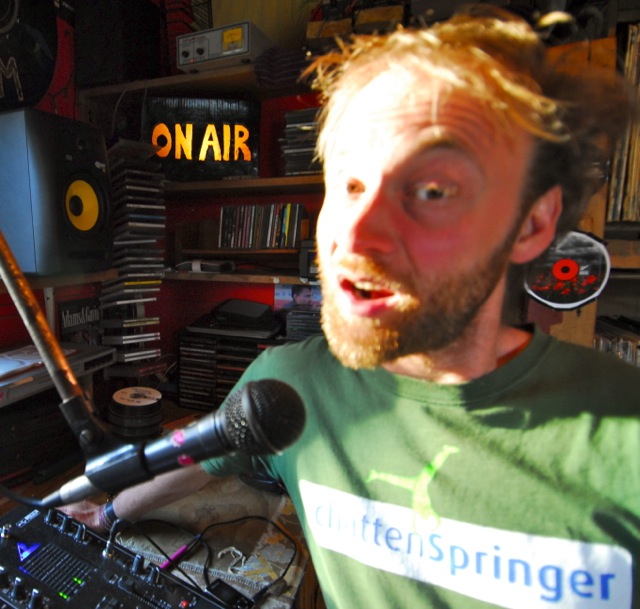
By DJ Crap

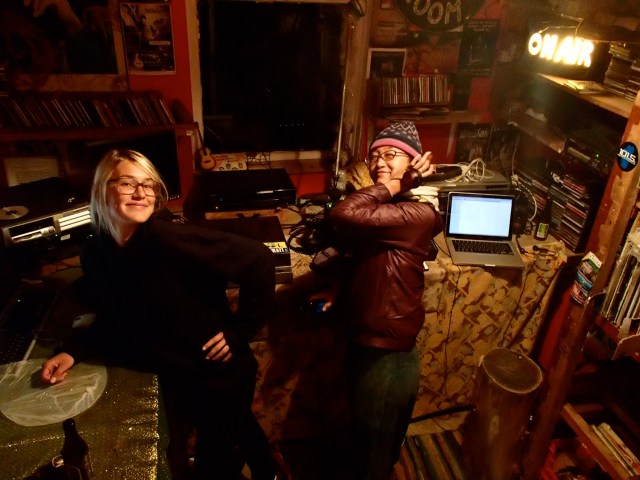
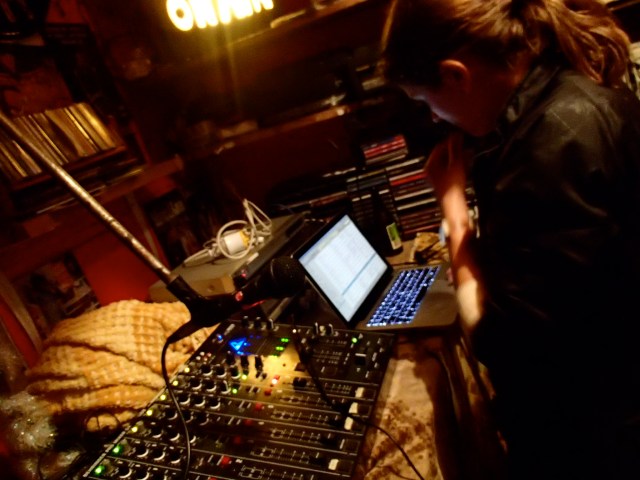
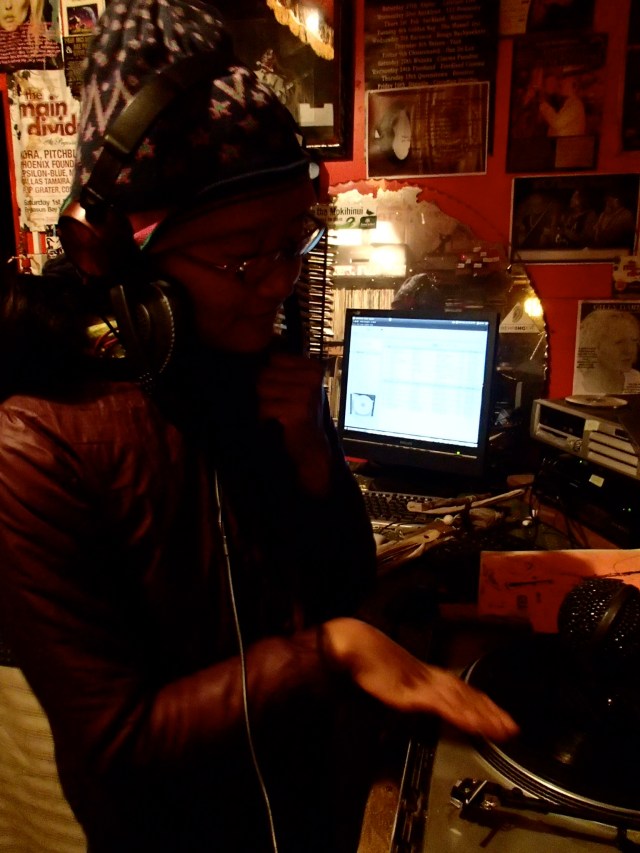
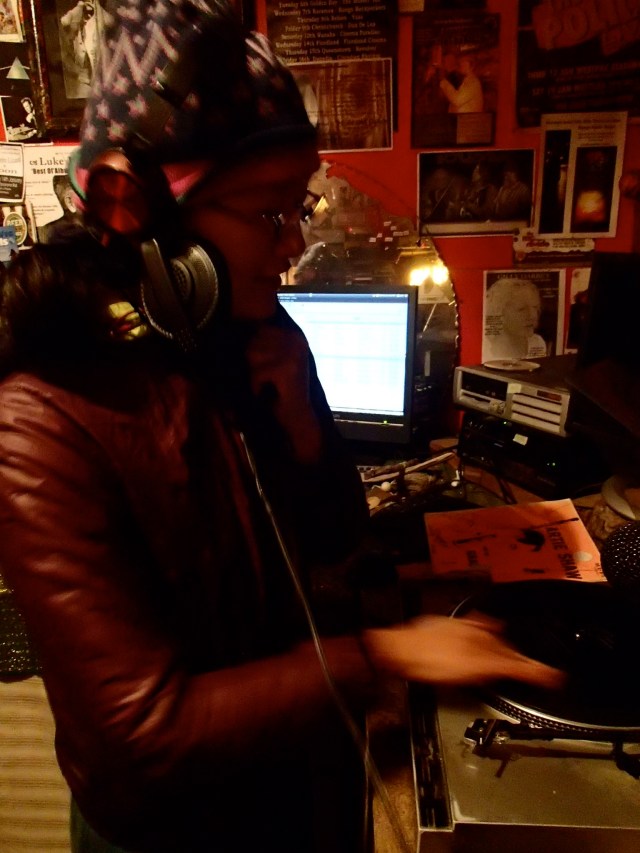
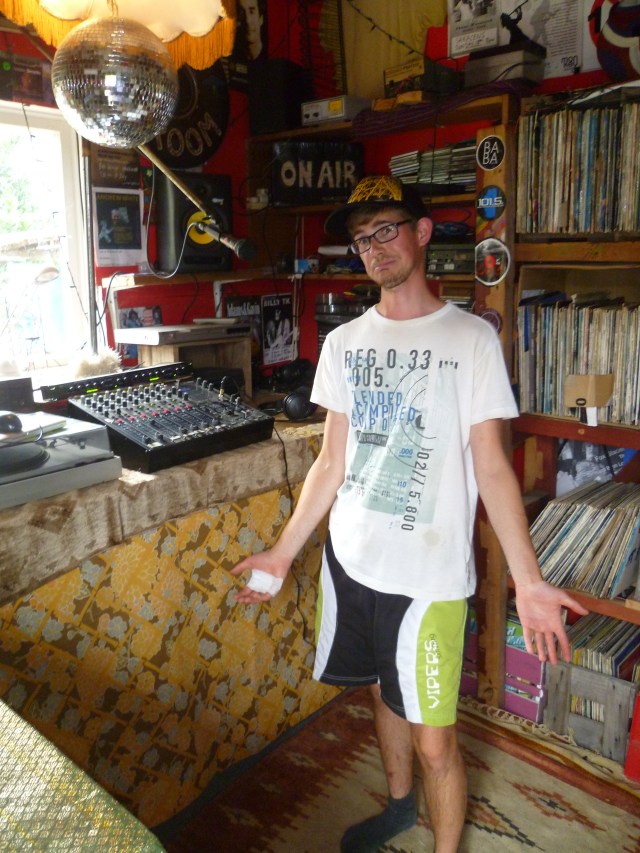
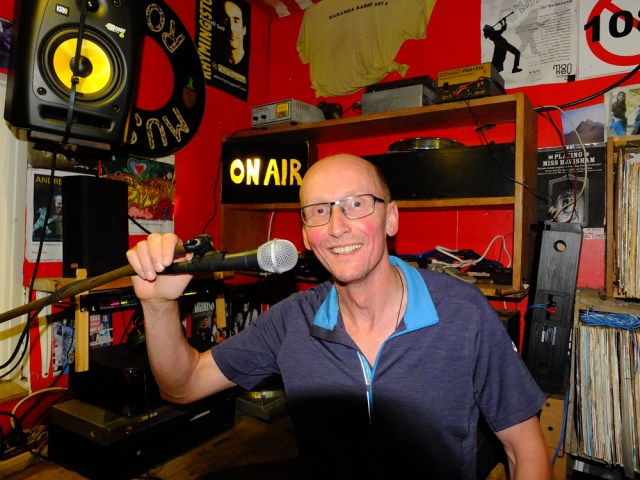
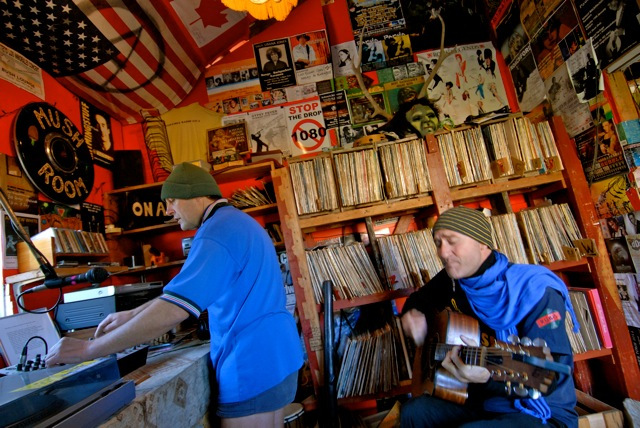
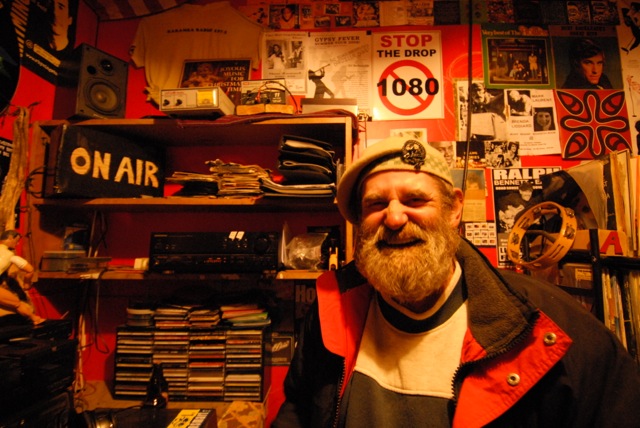
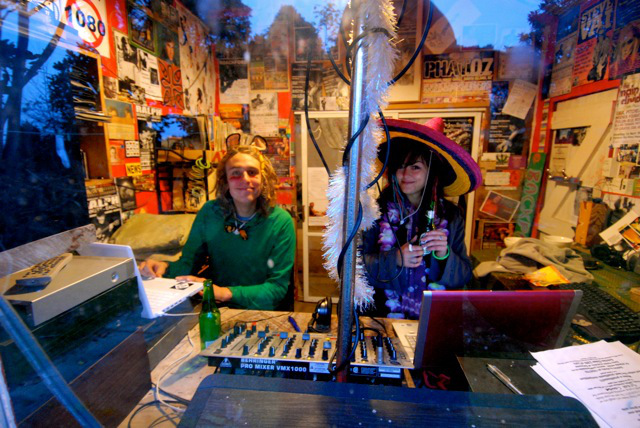
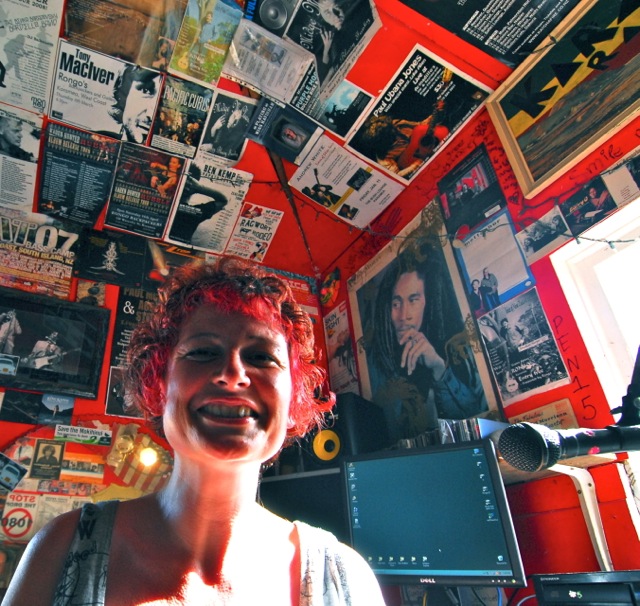
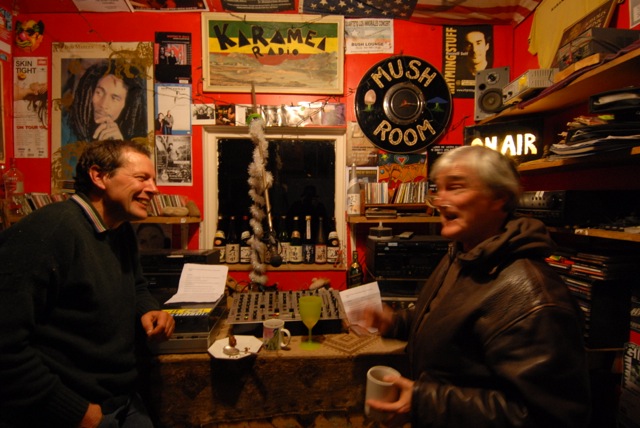
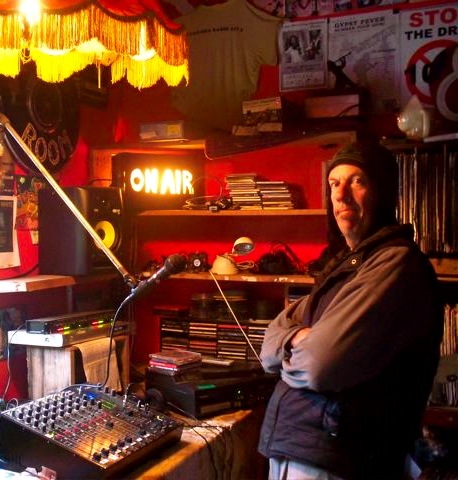
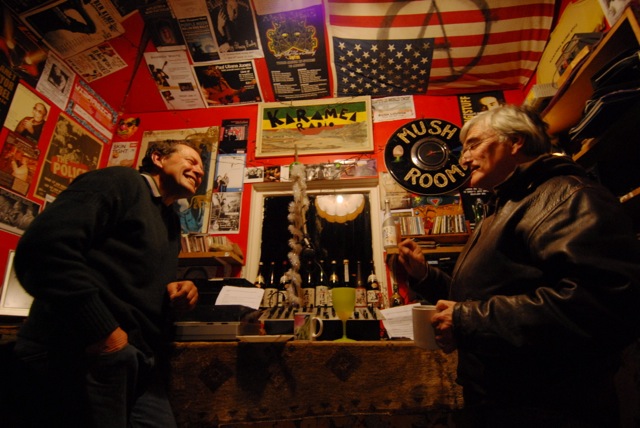
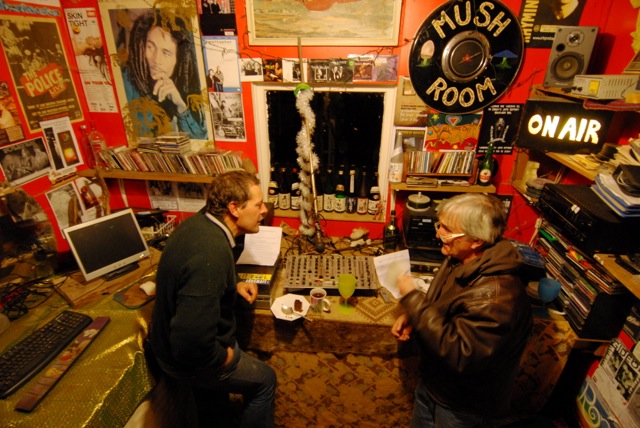
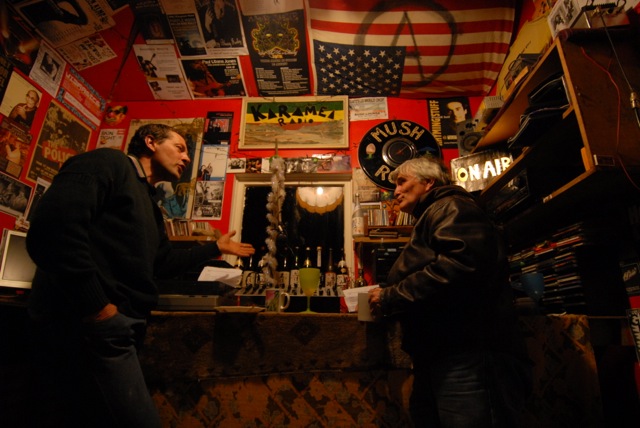
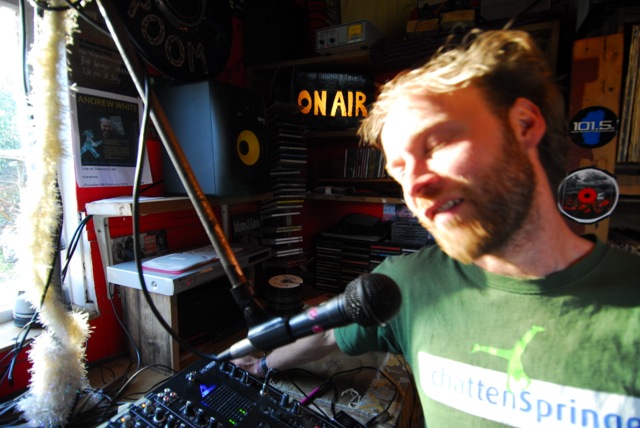
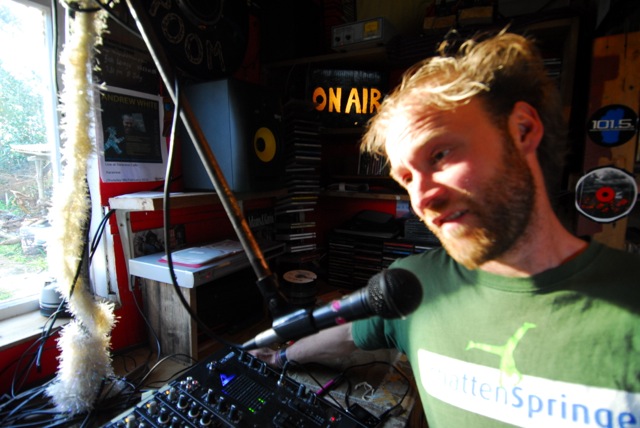
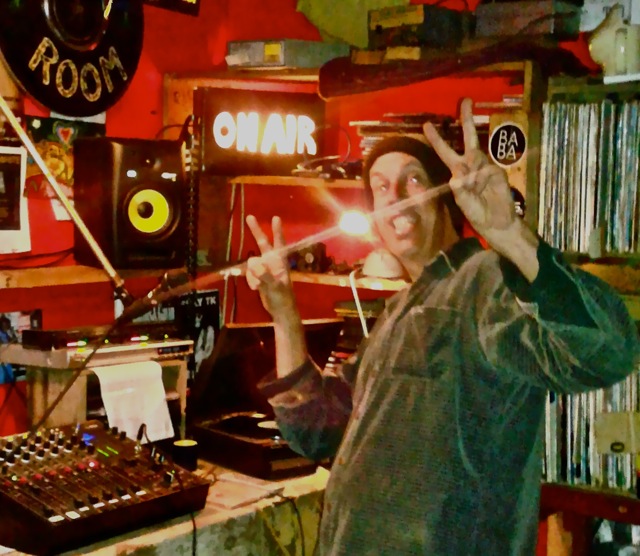
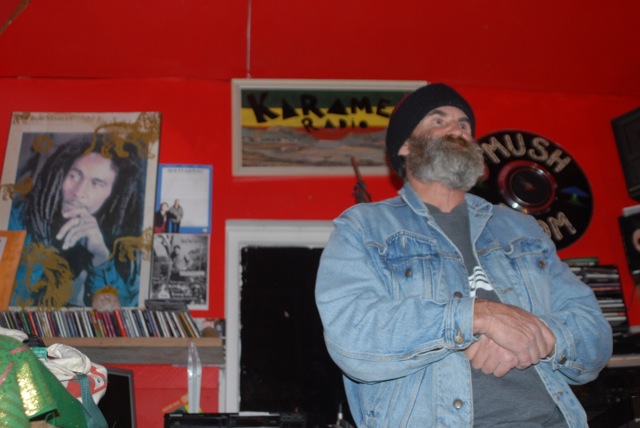
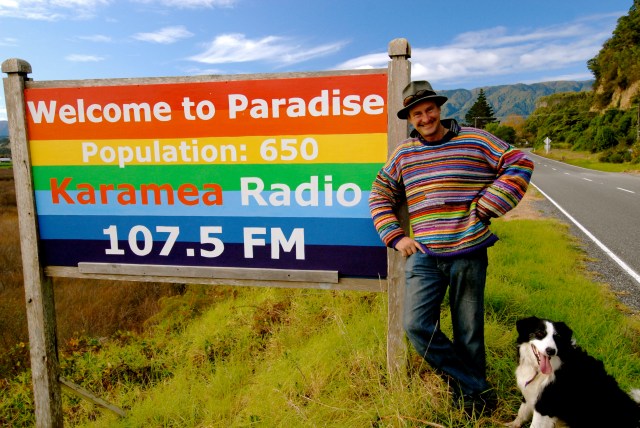
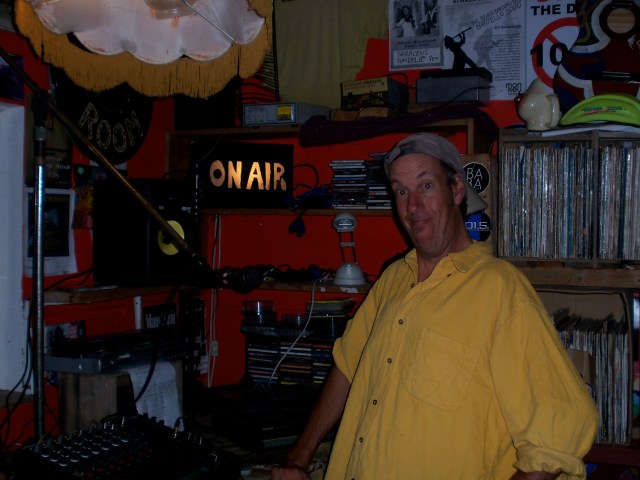
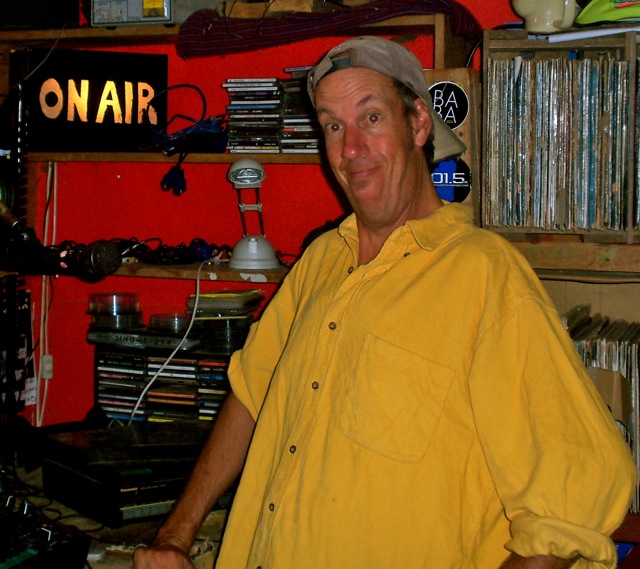
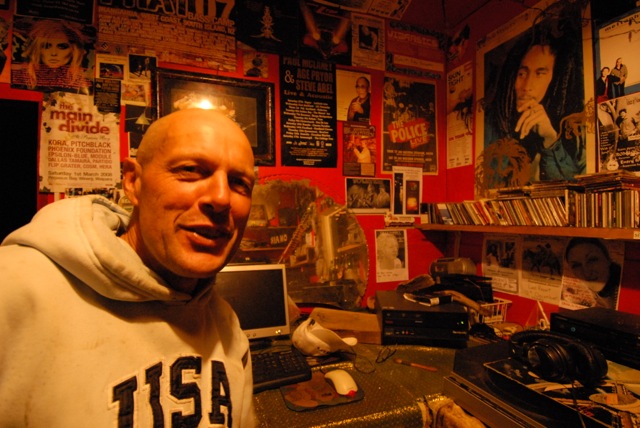
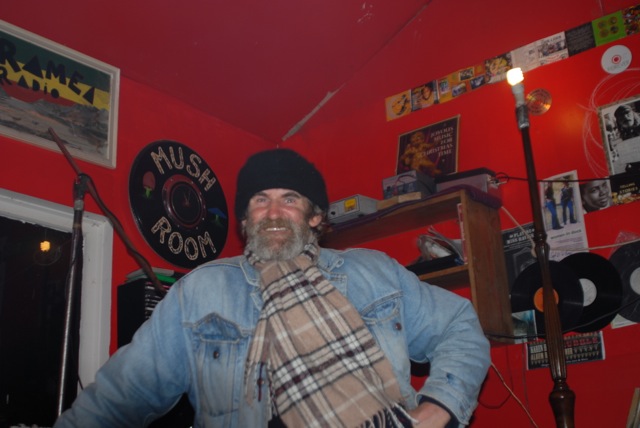
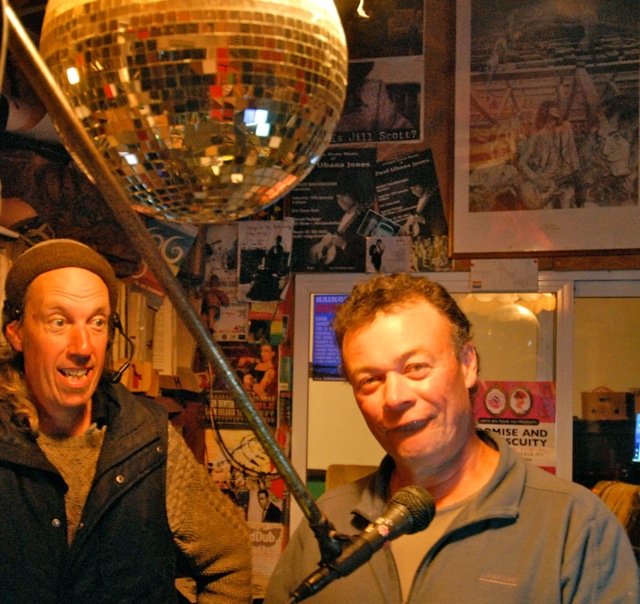
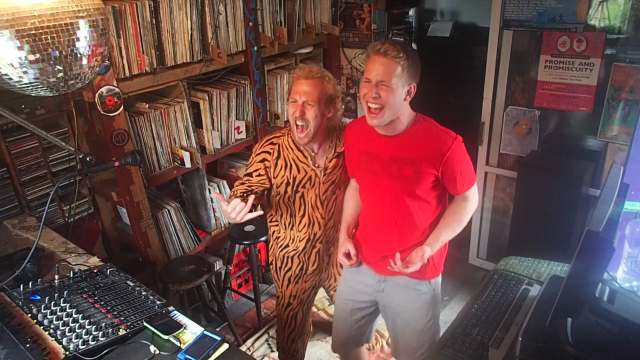
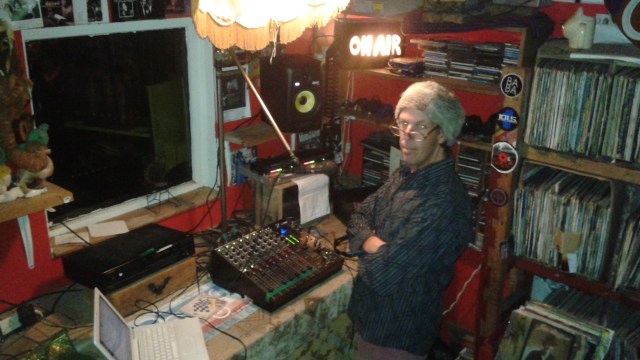
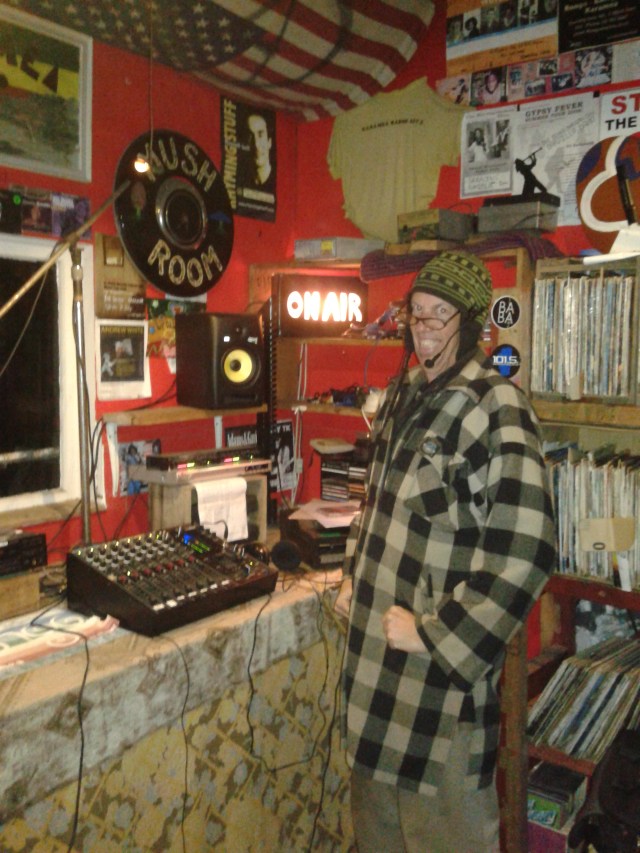
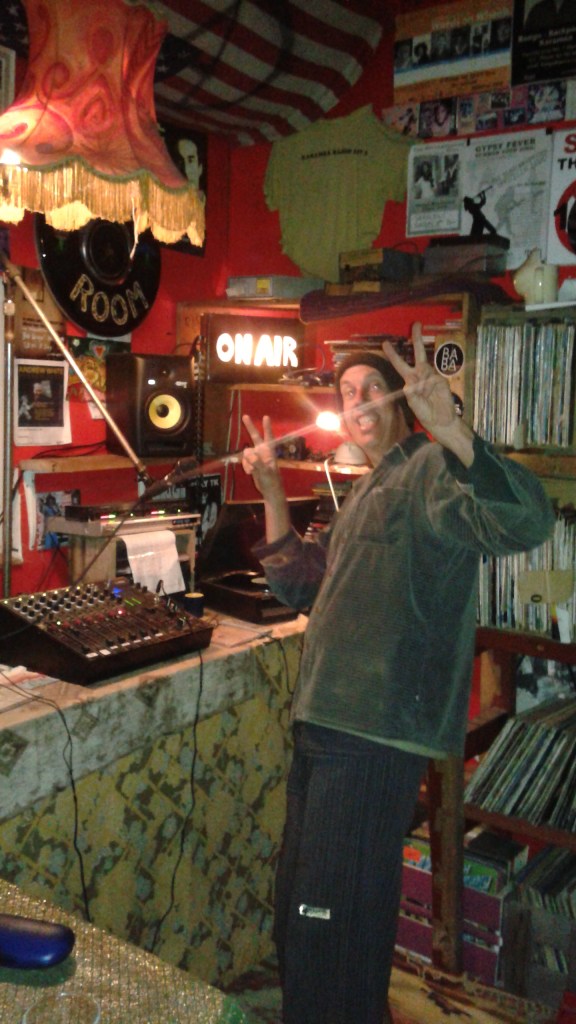
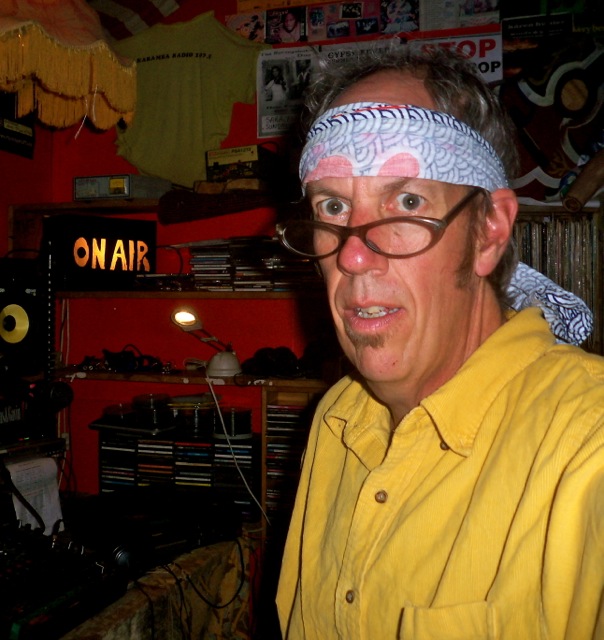
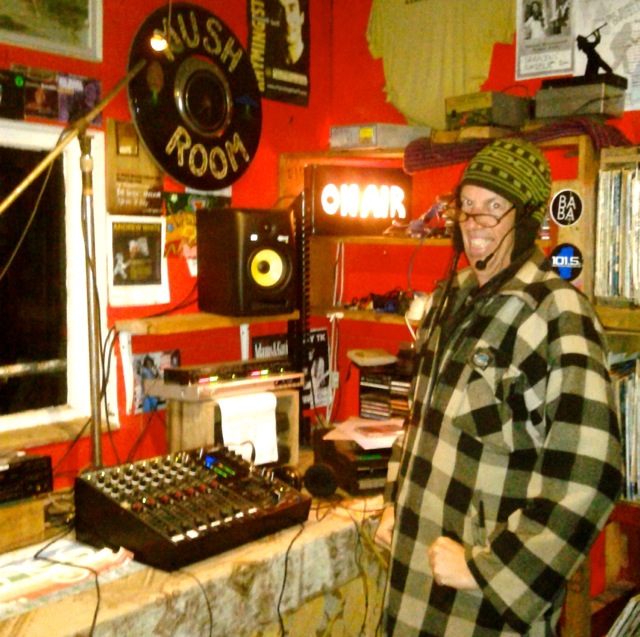
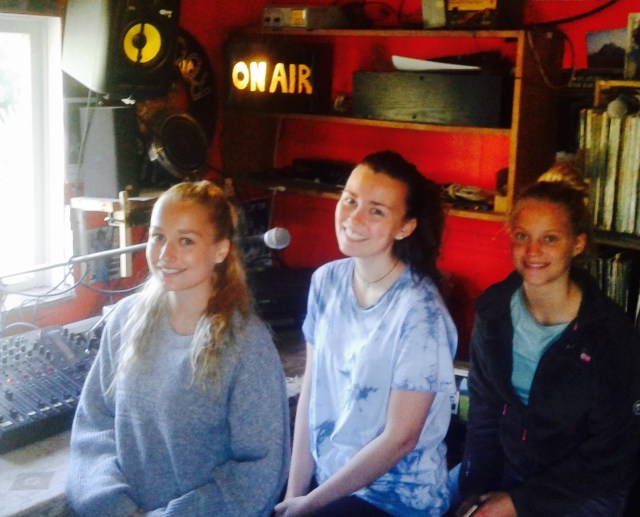
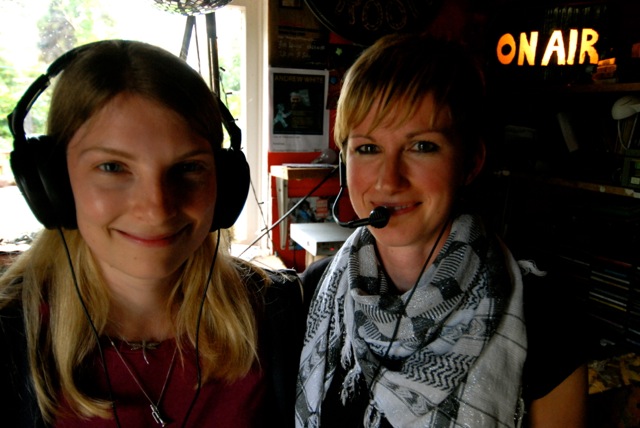
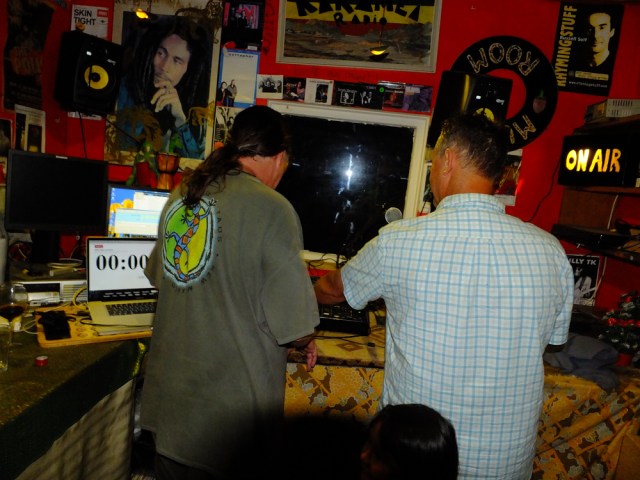
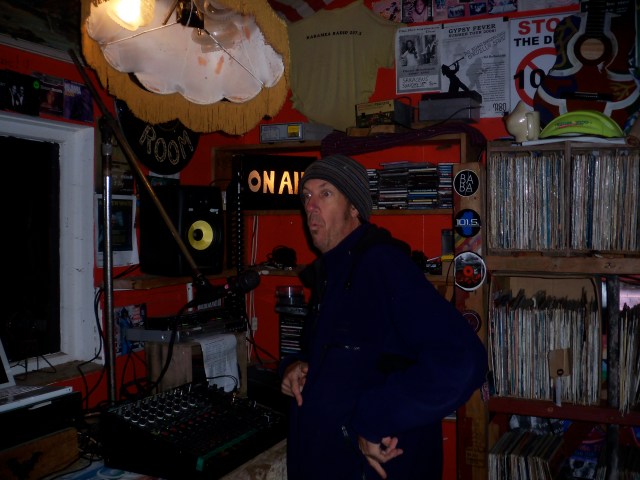
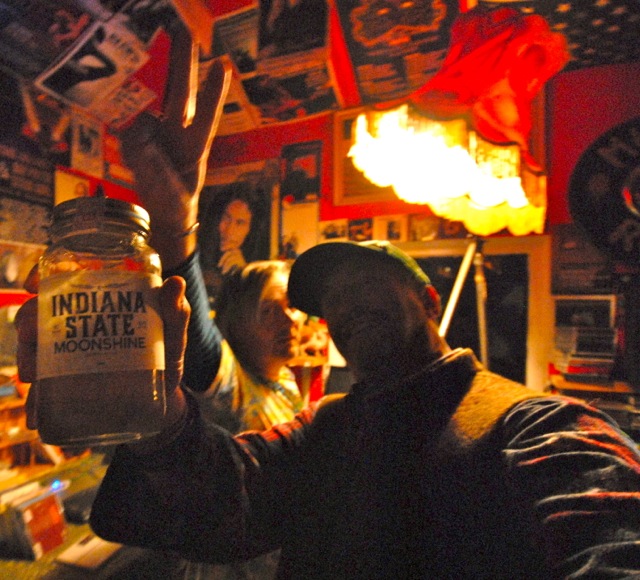
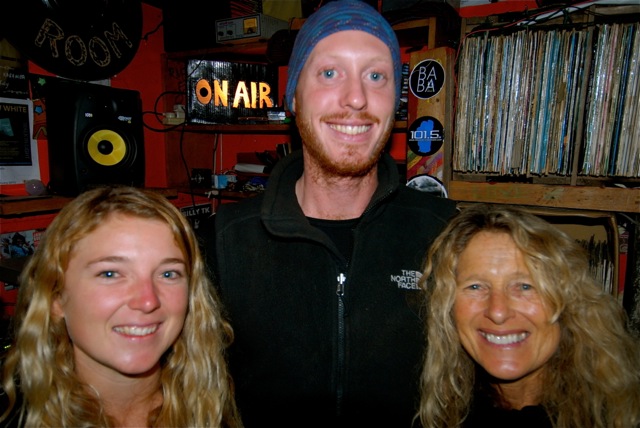
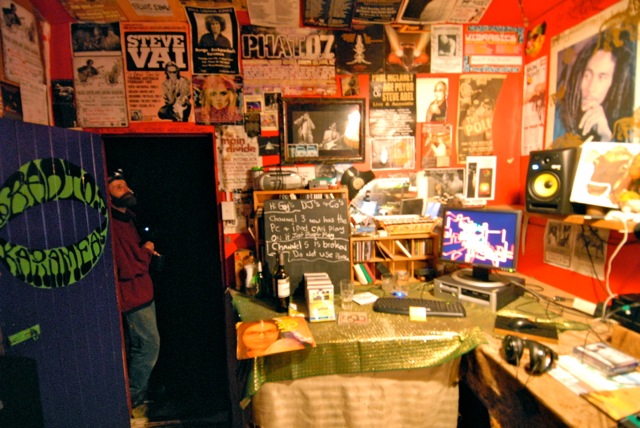
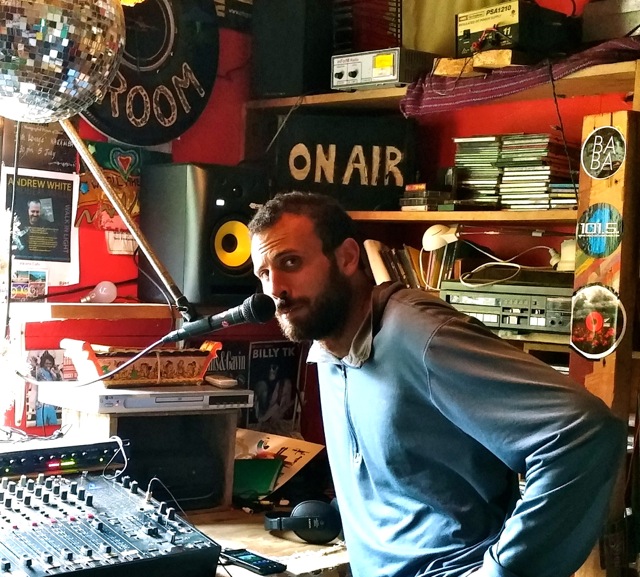
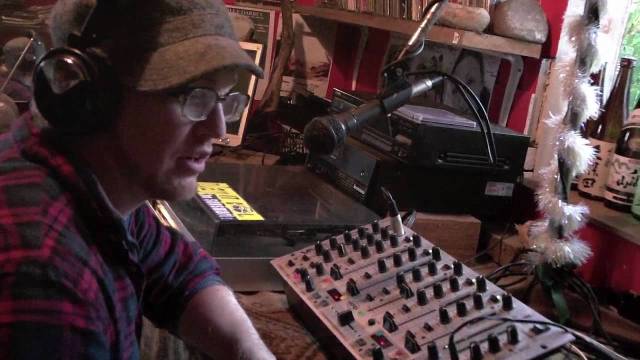
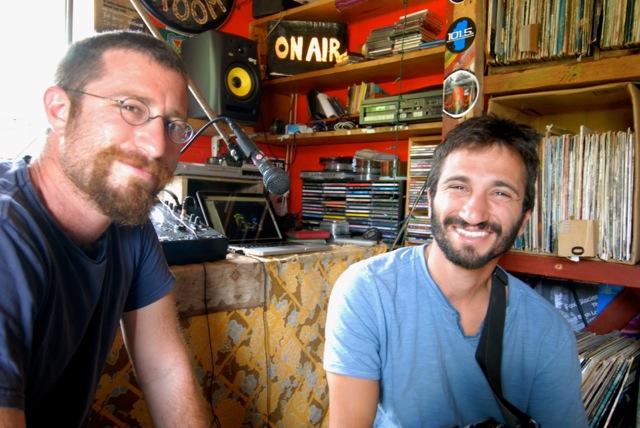
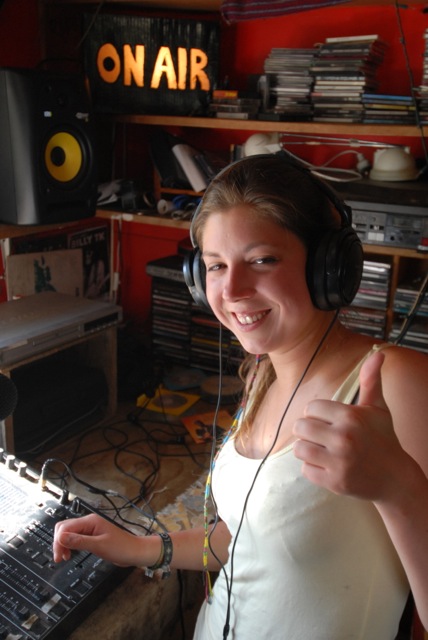
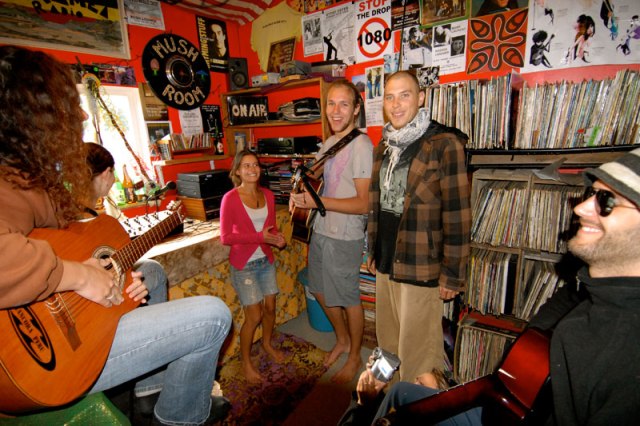
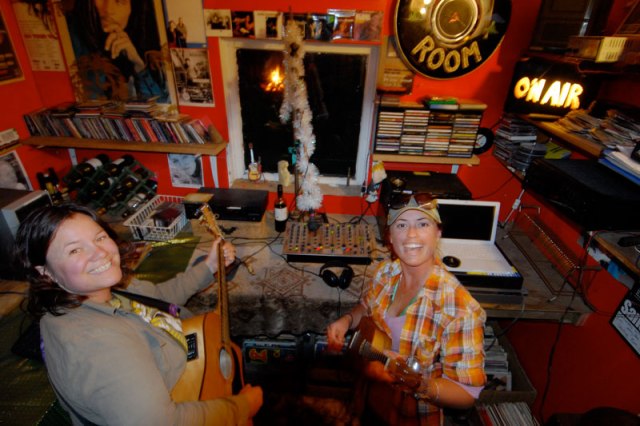
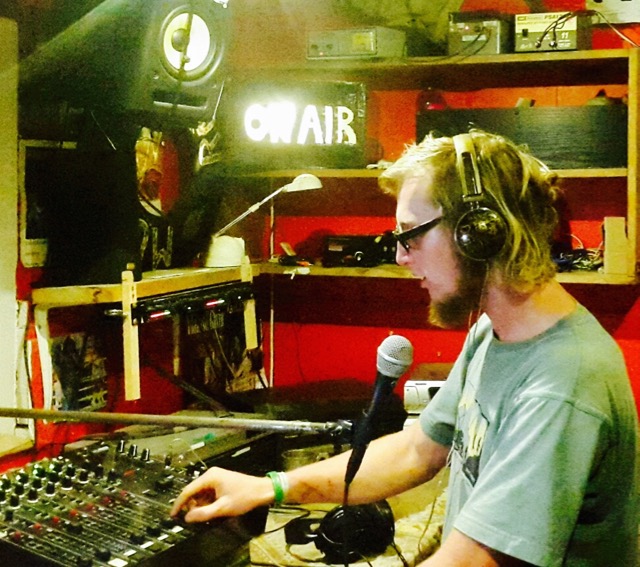
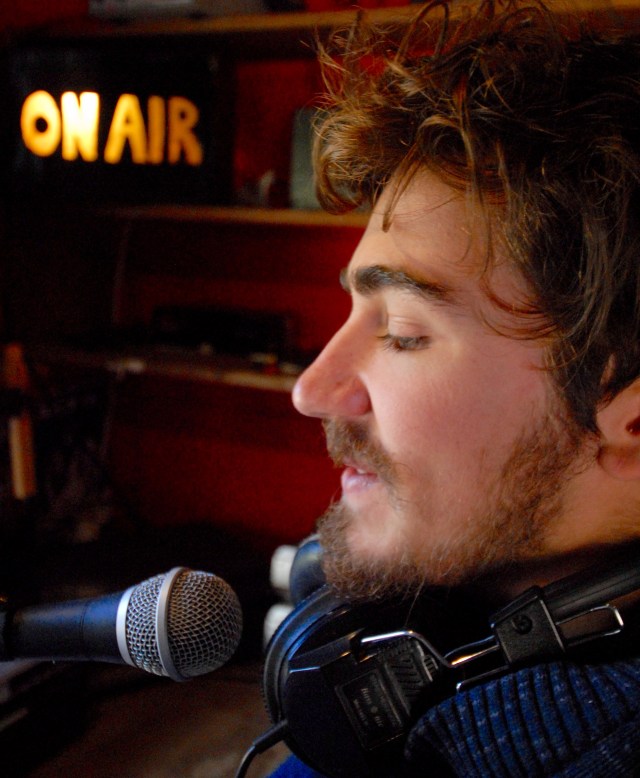
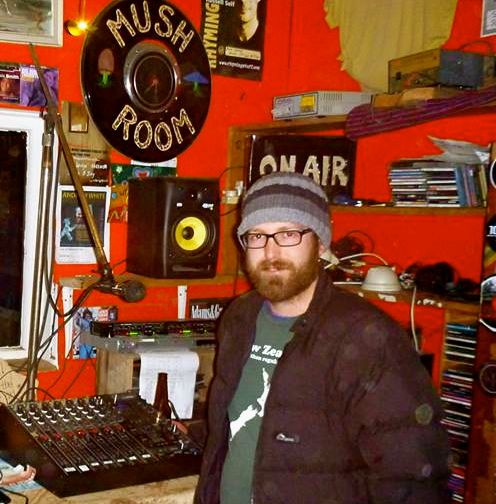
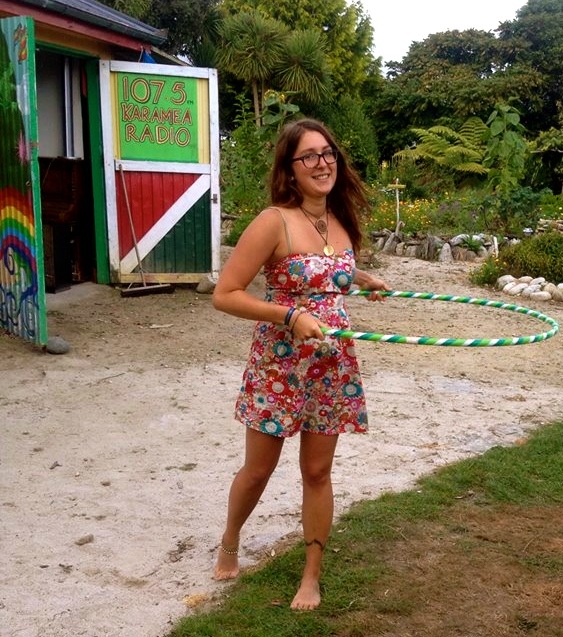
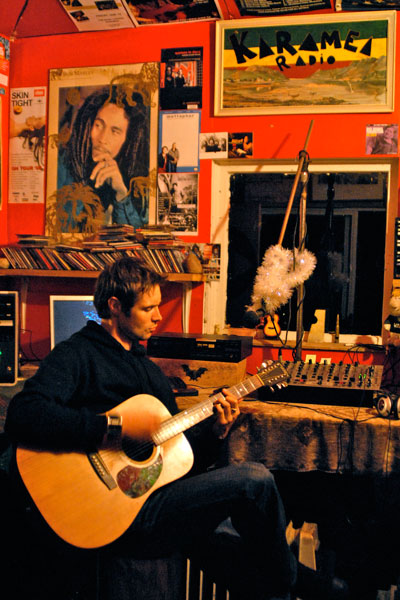
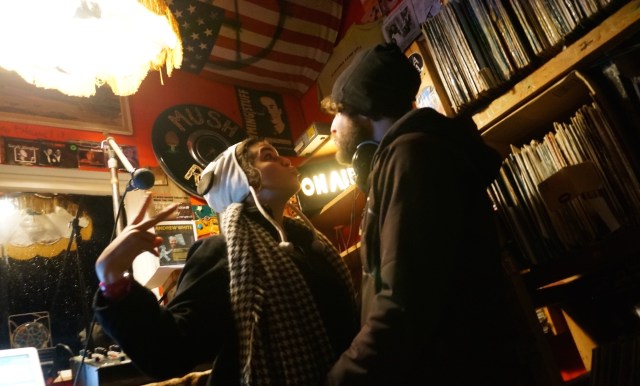
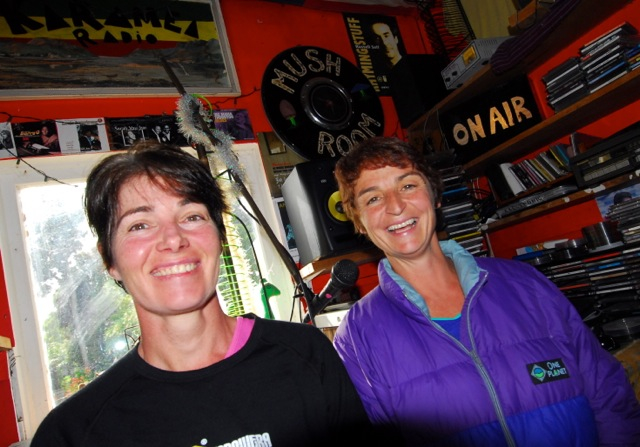
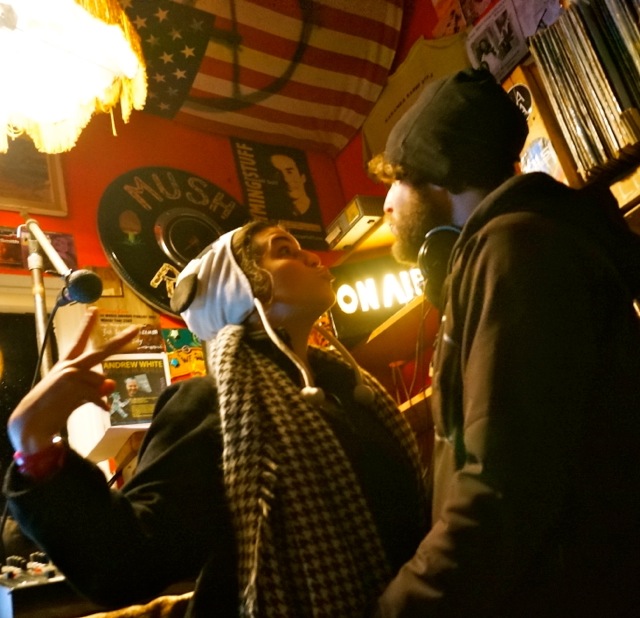
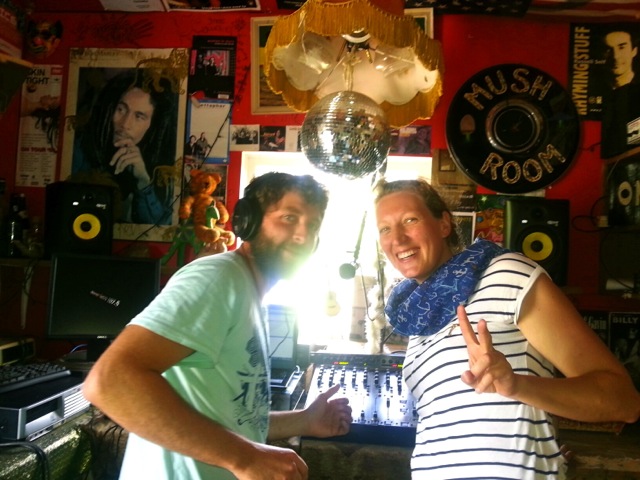
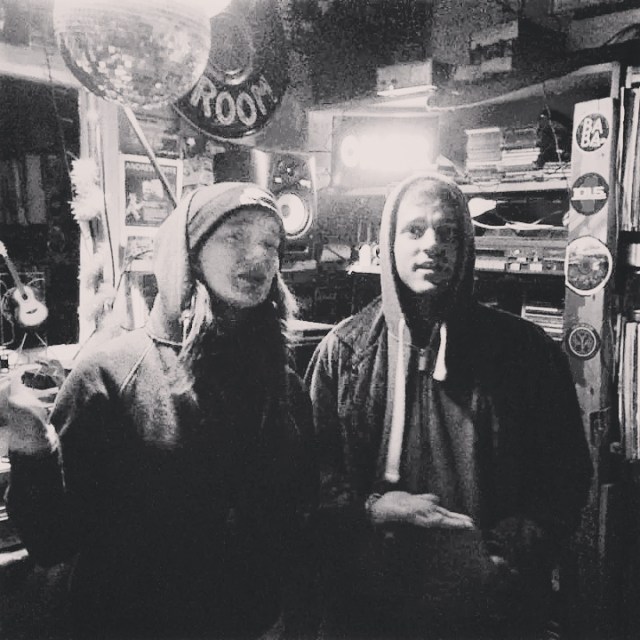
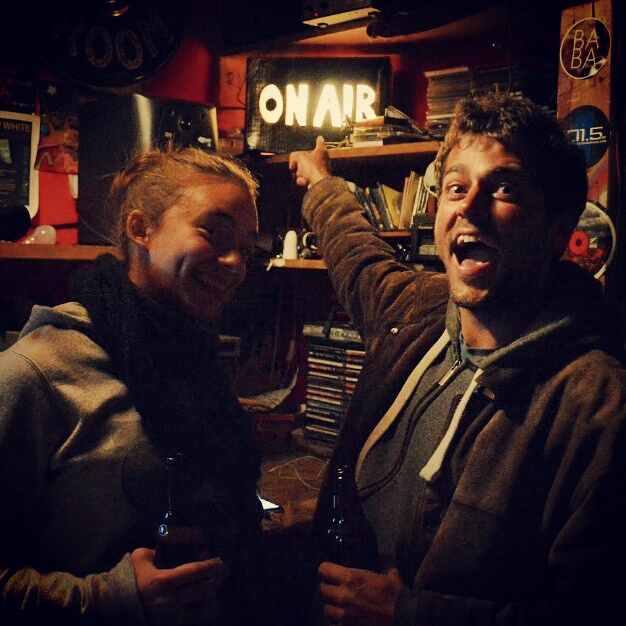
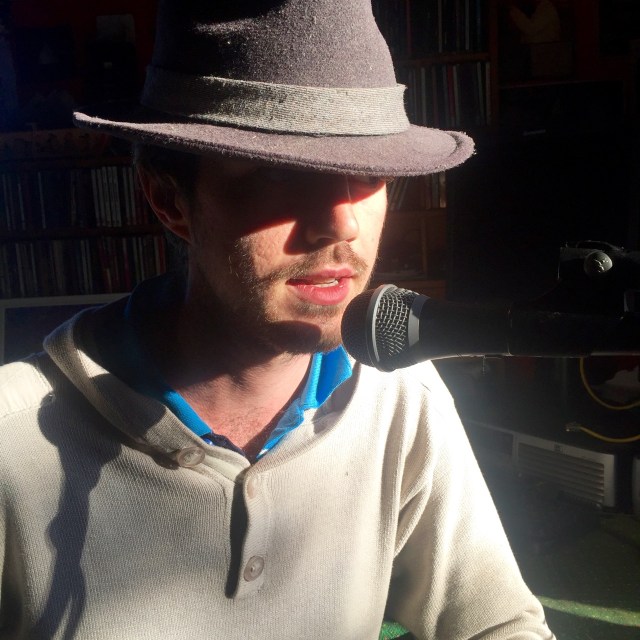
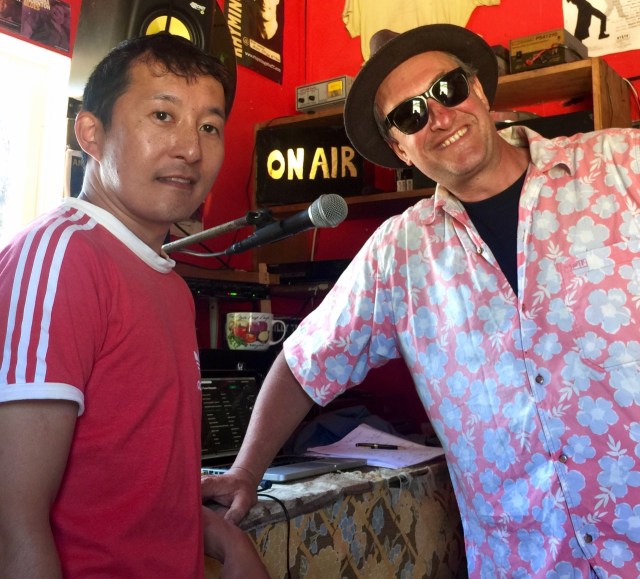
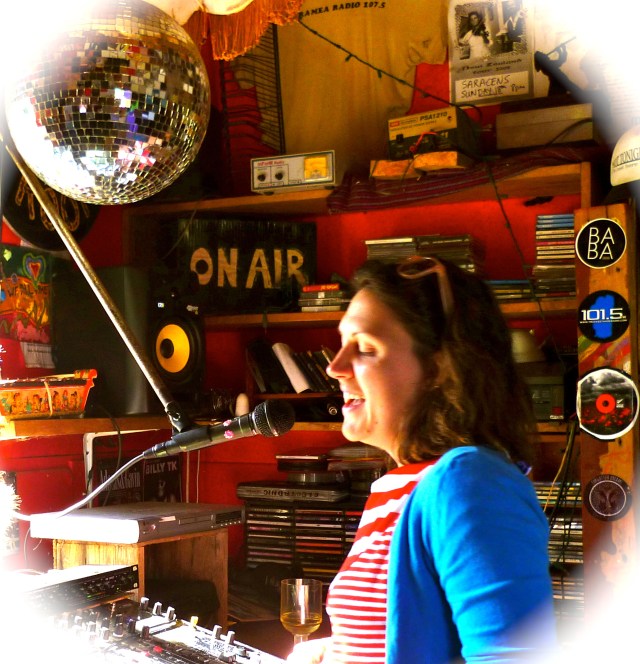
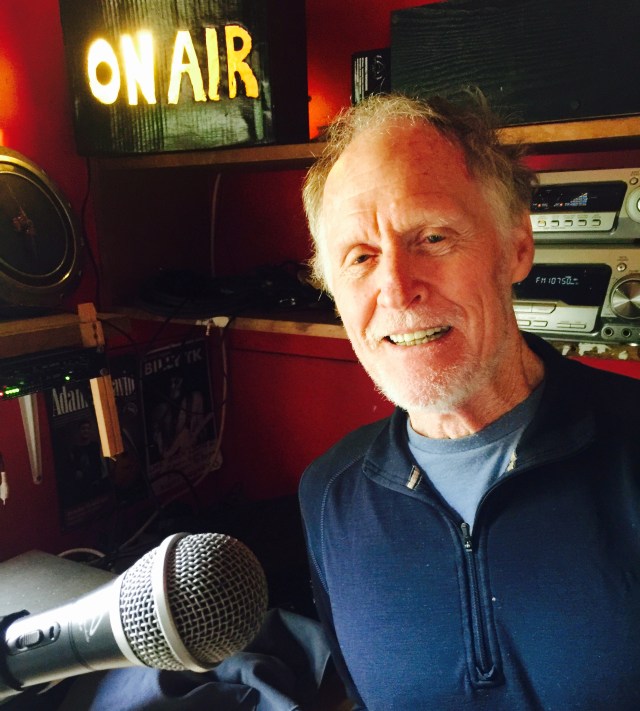
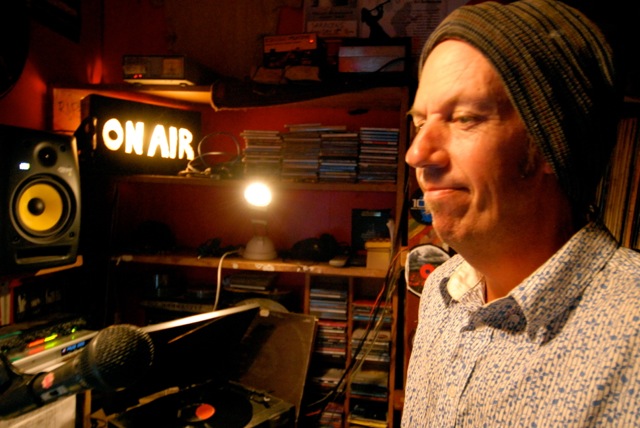
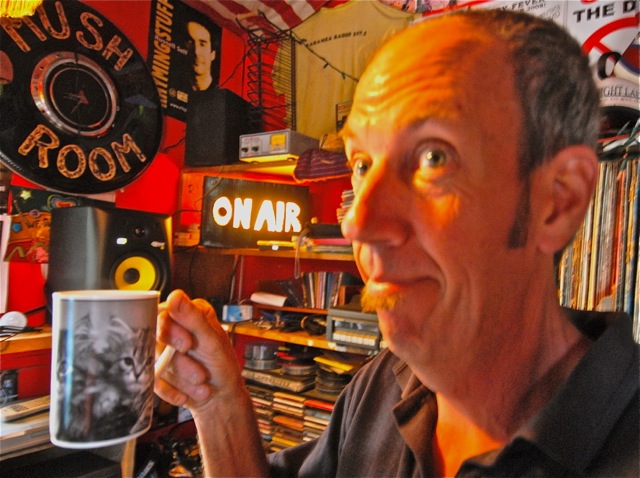
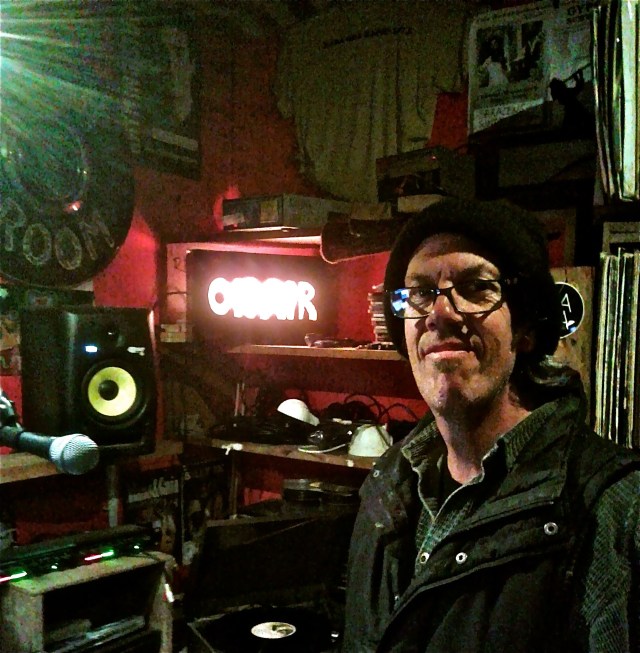
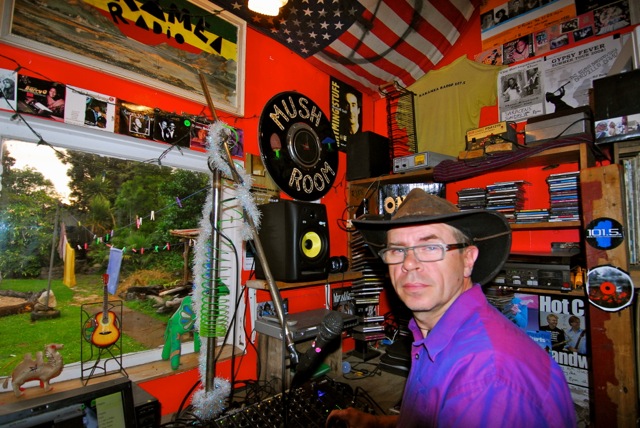
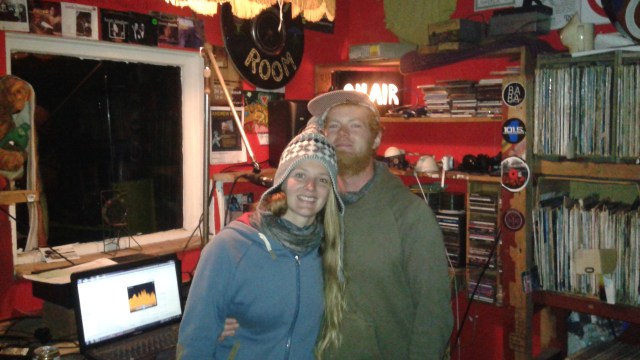
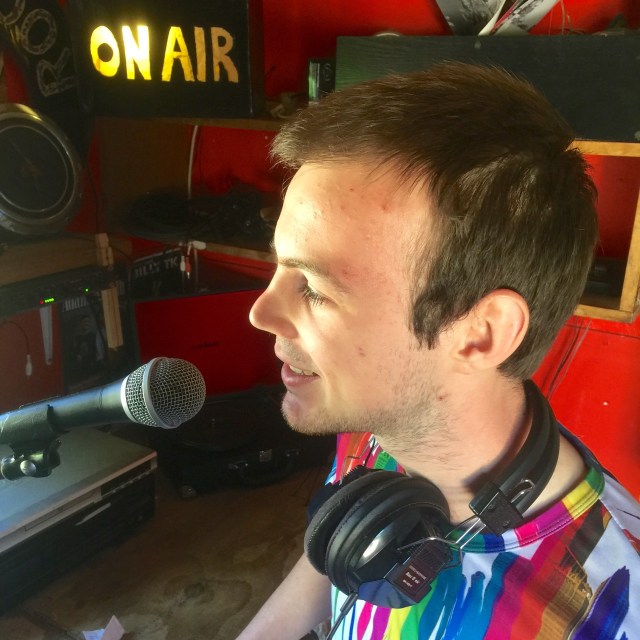
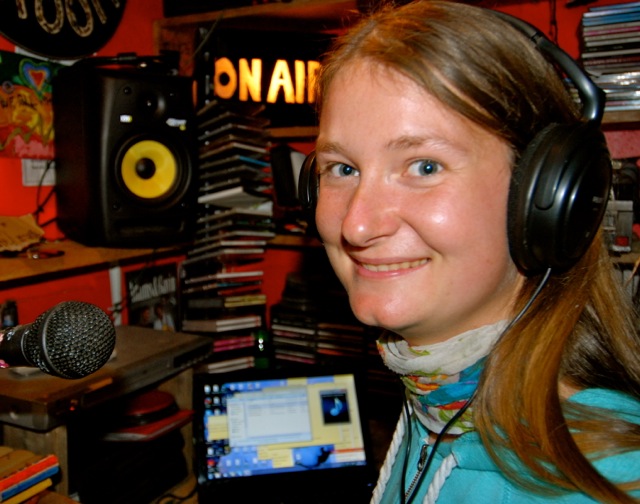
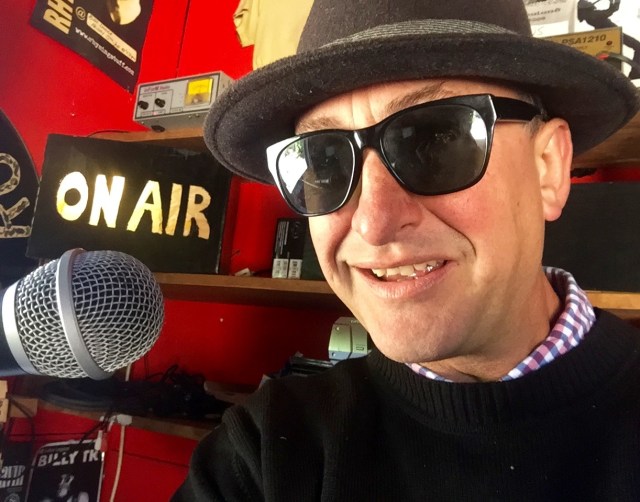
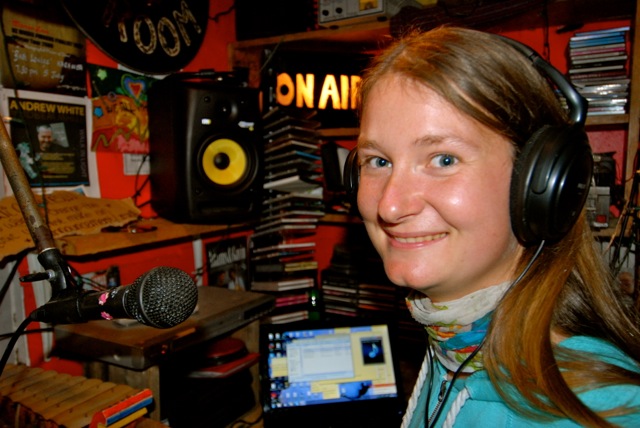
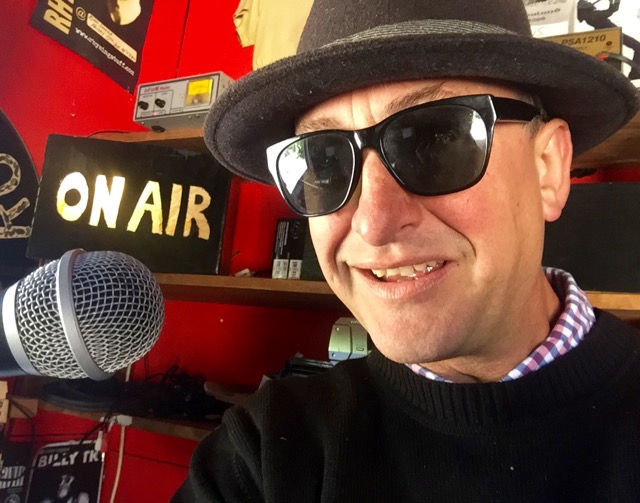
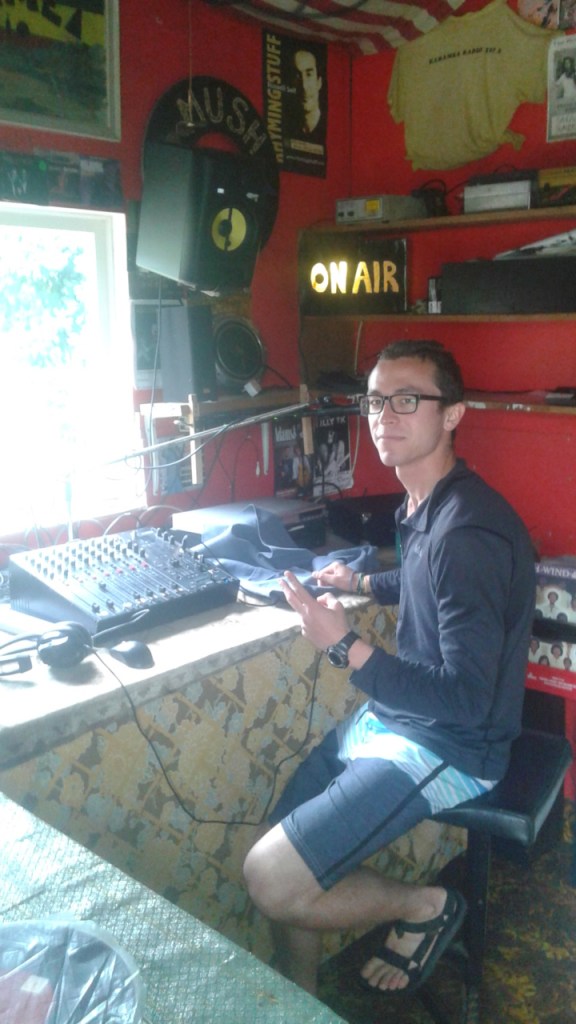
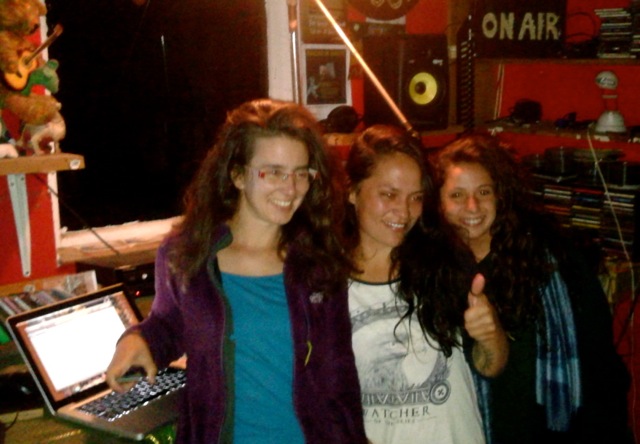
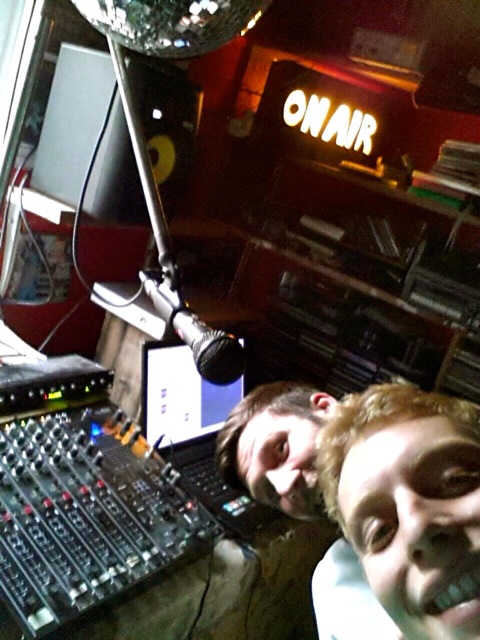
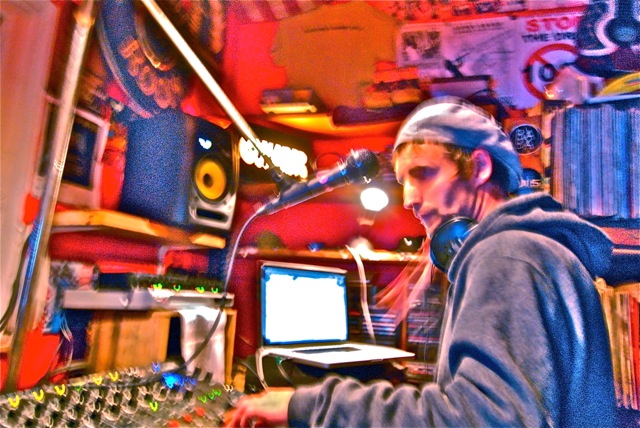
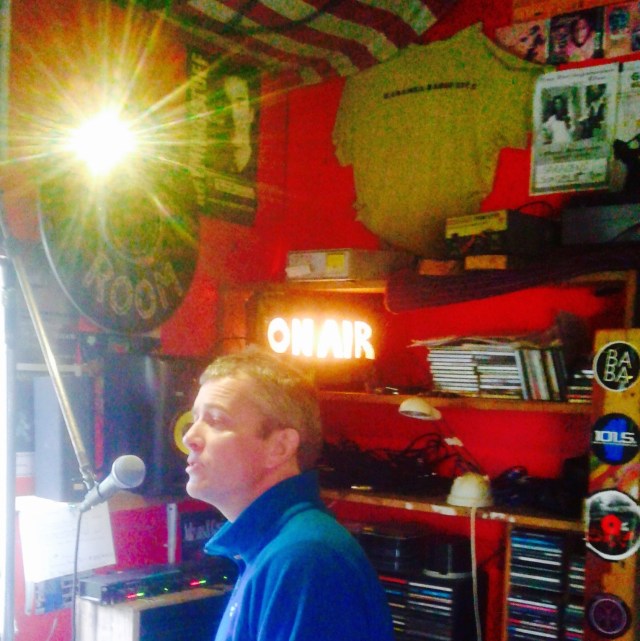
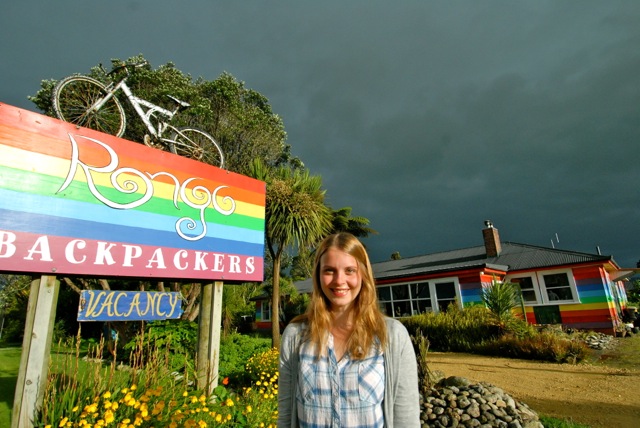
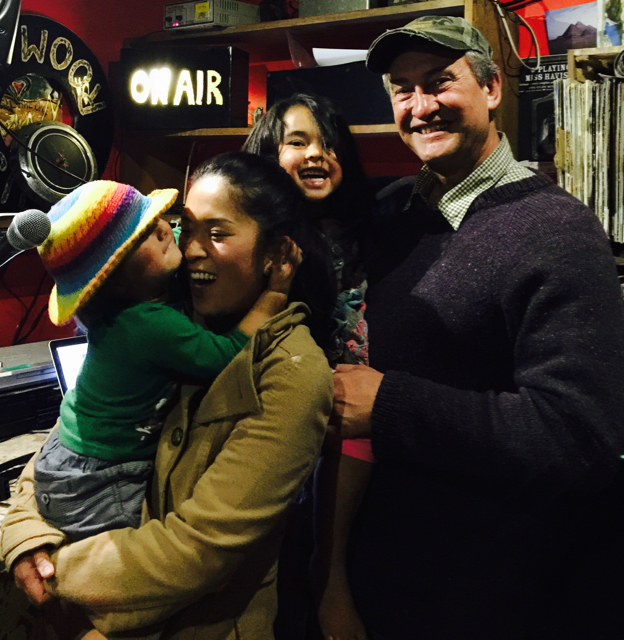
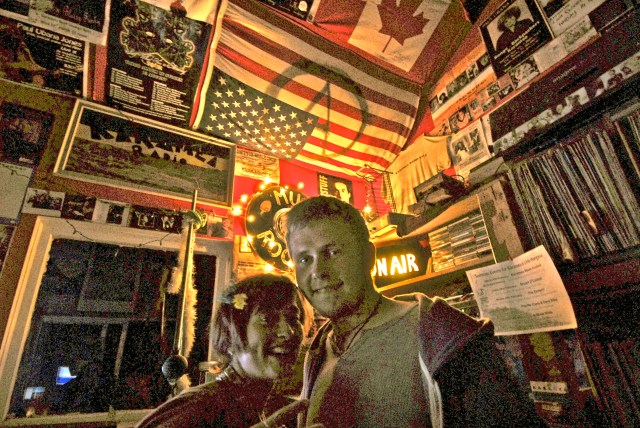
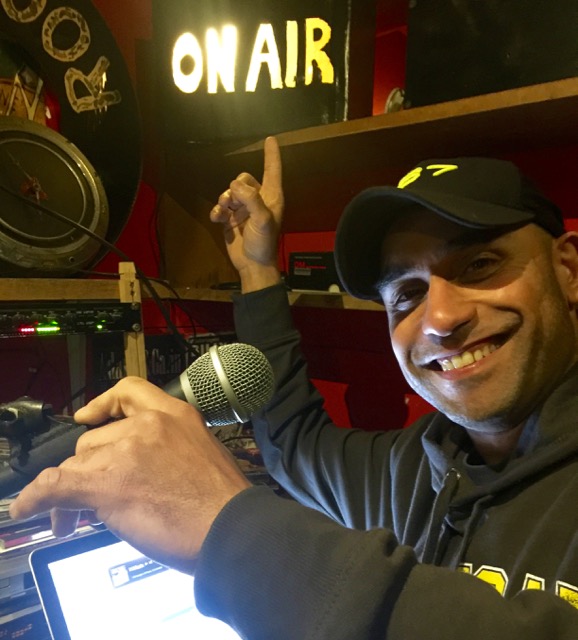
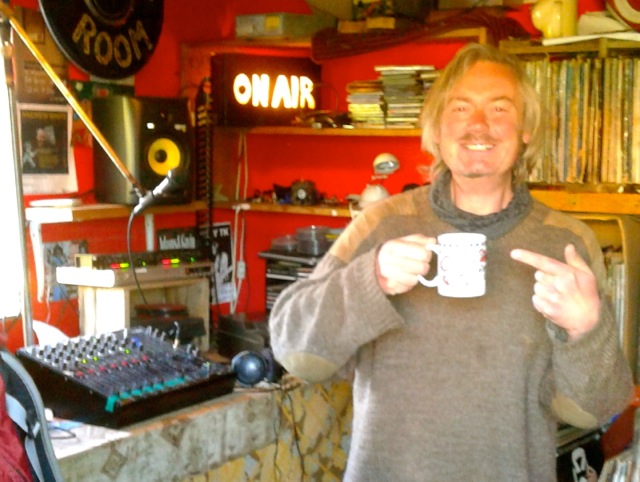
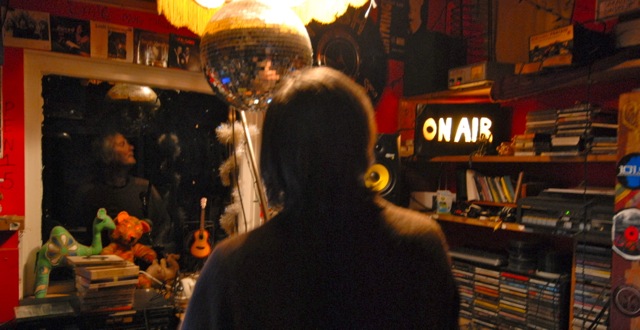
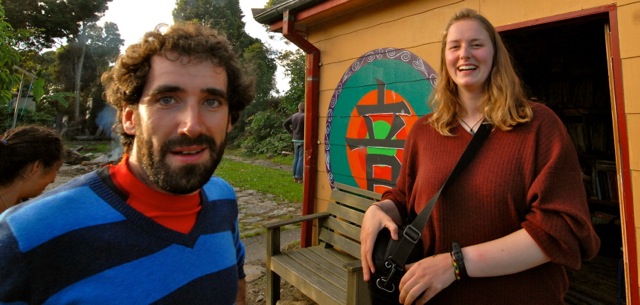
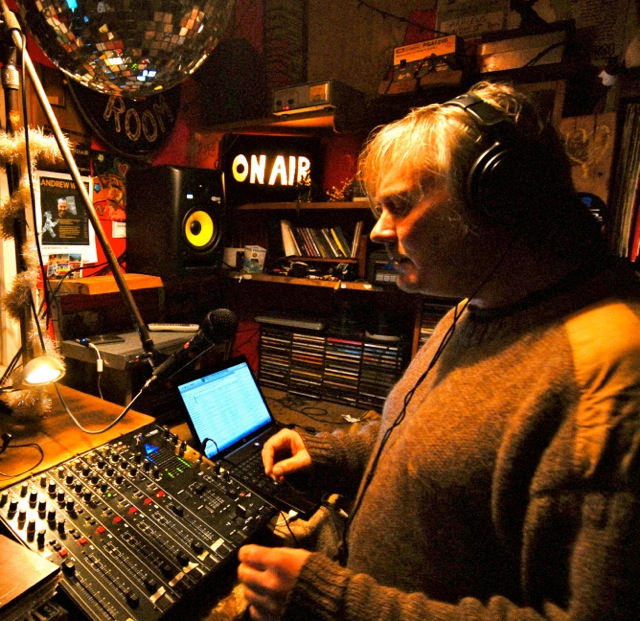
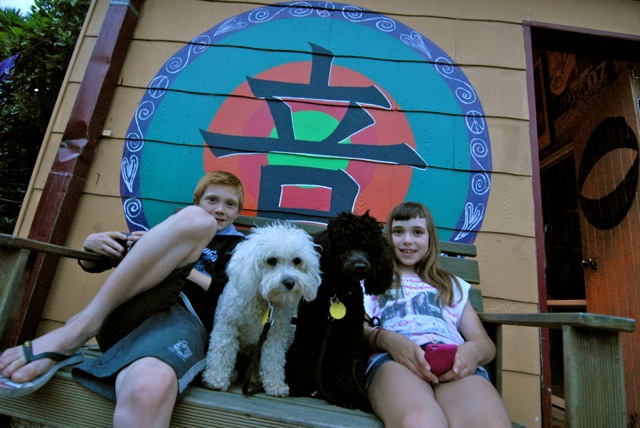
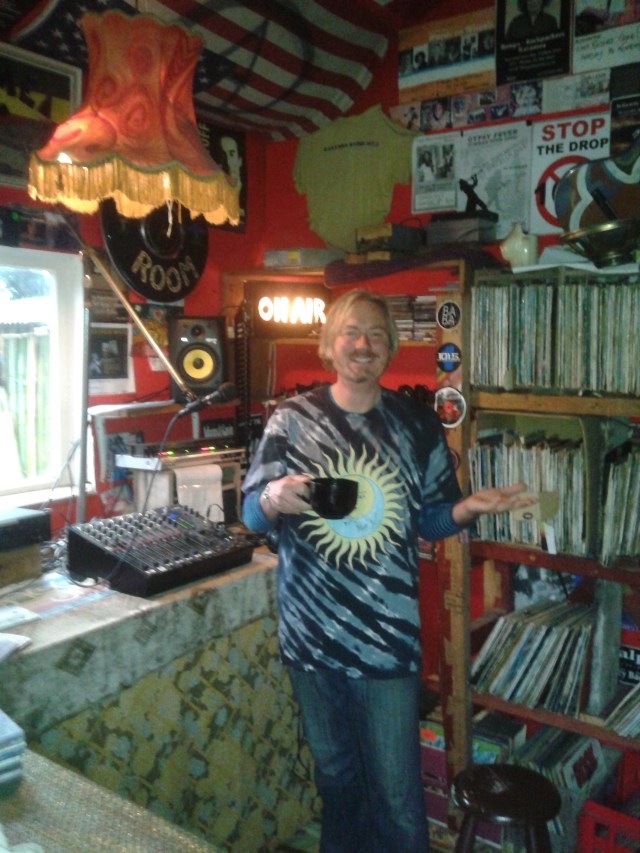
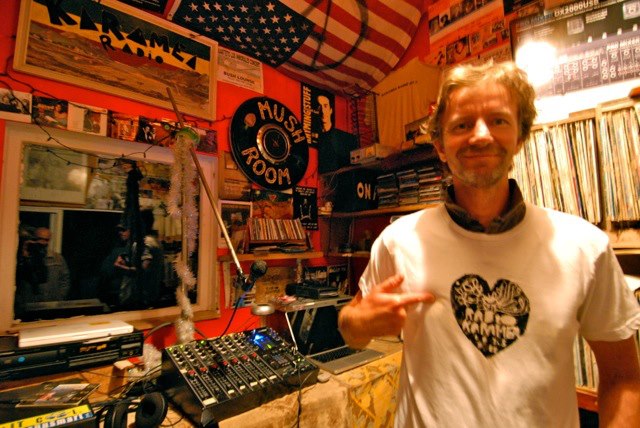
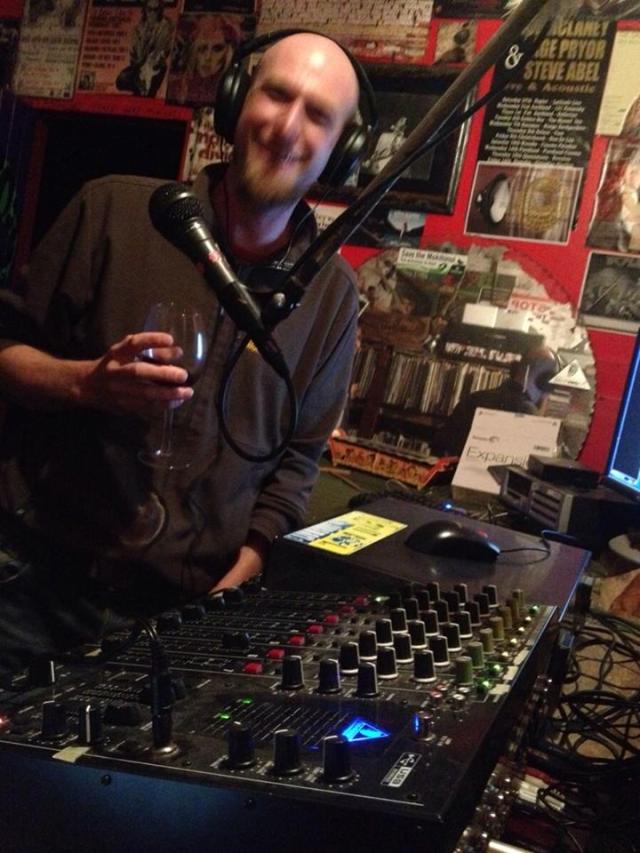
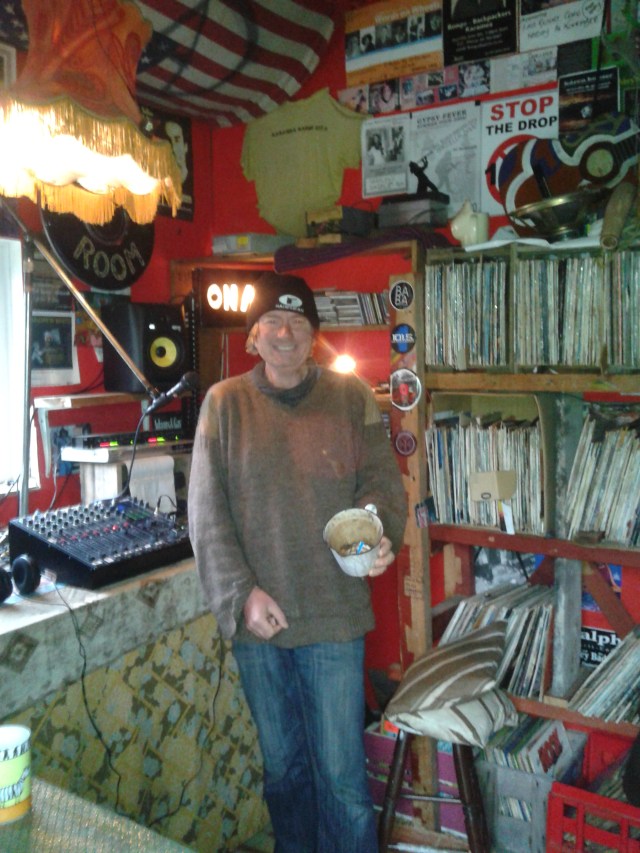
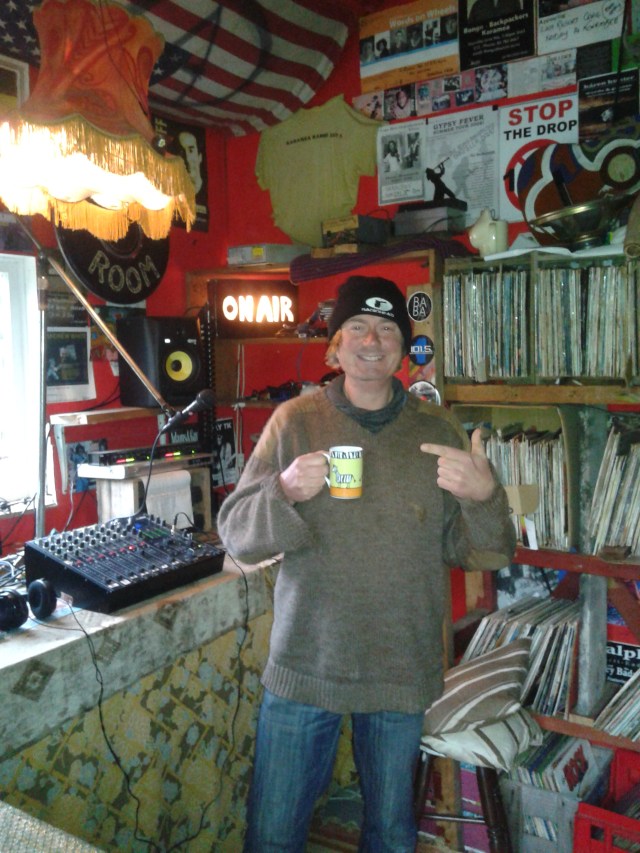
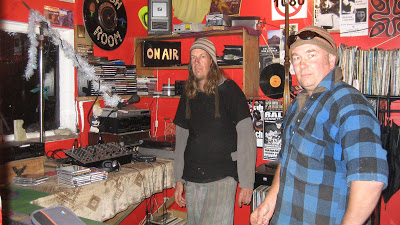
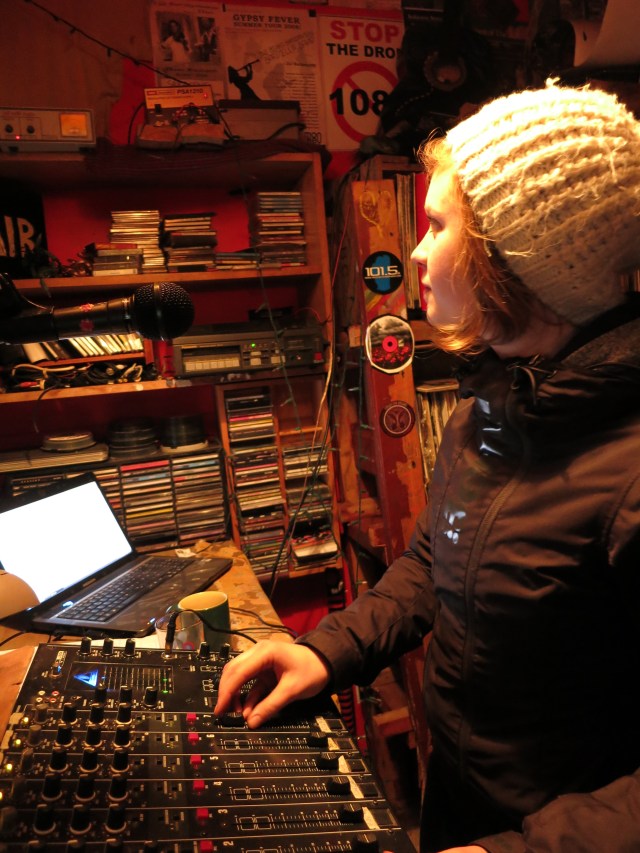
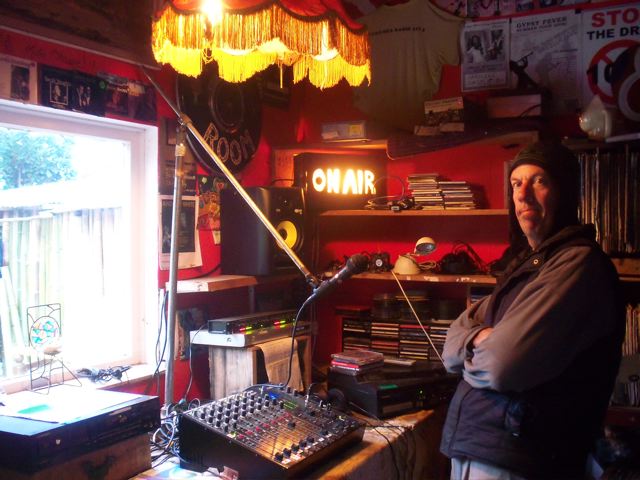
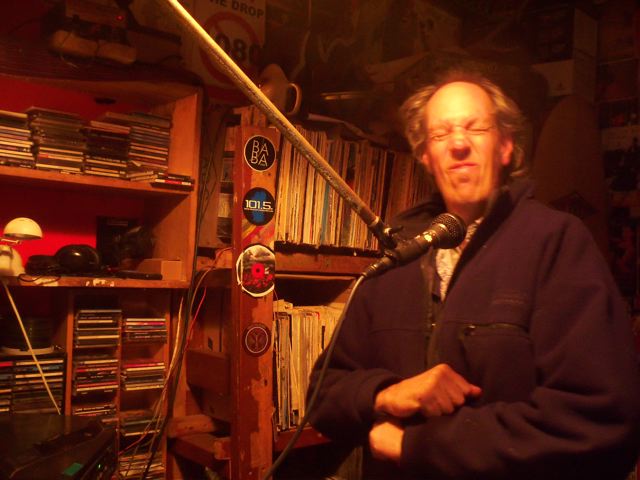
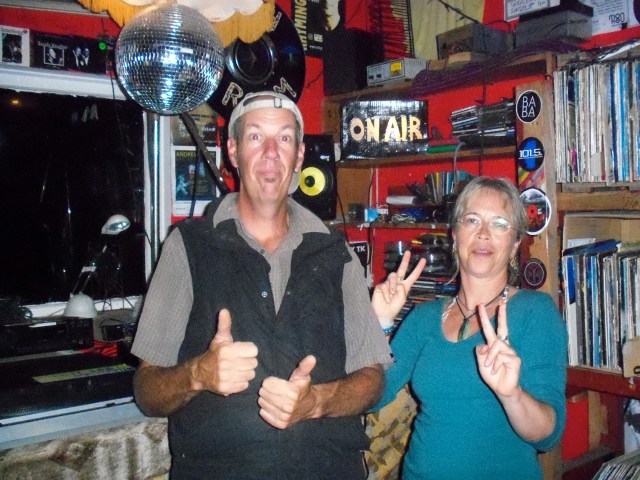
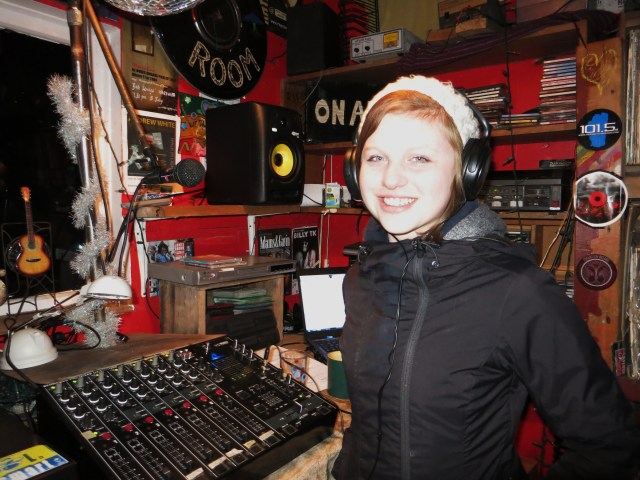
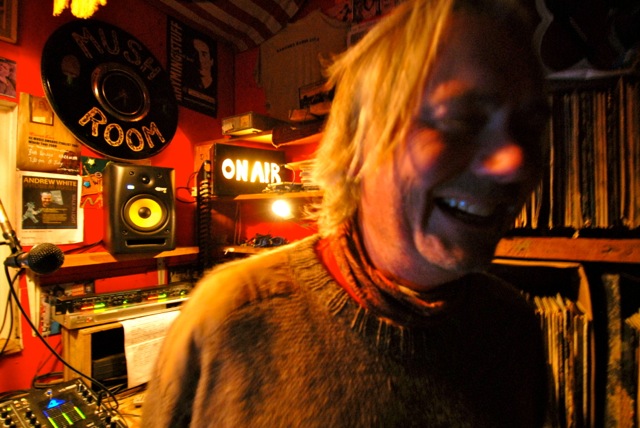
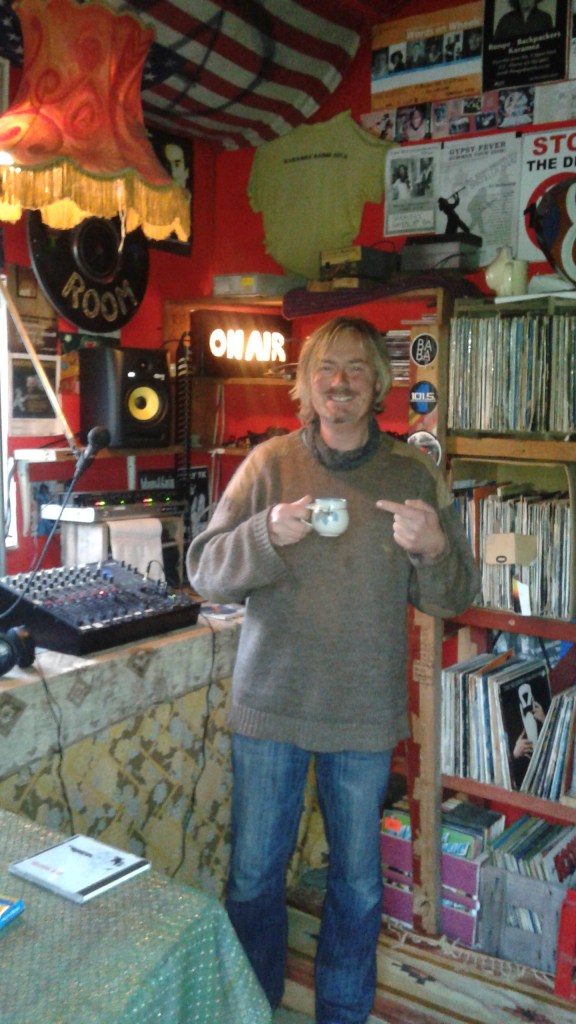
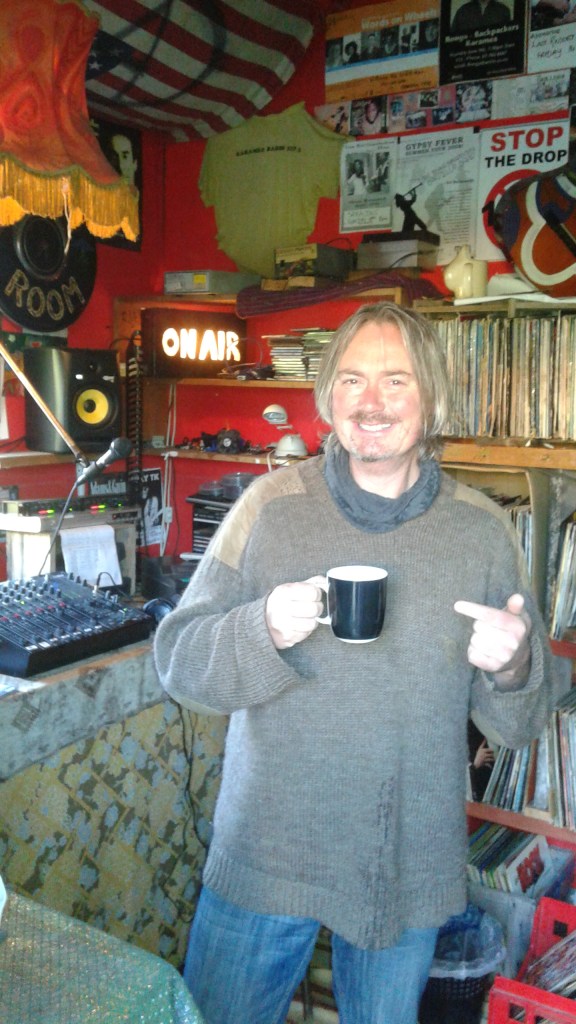
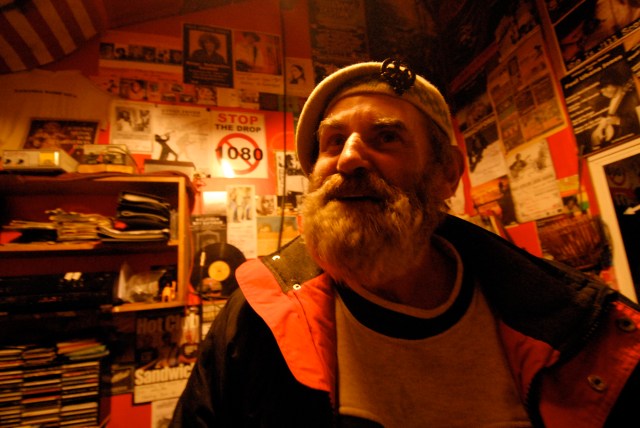
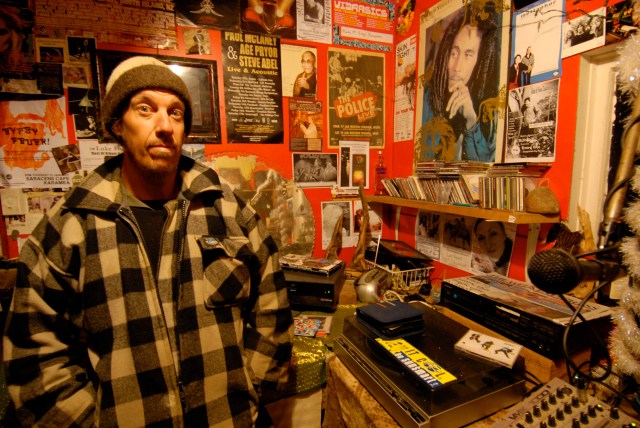
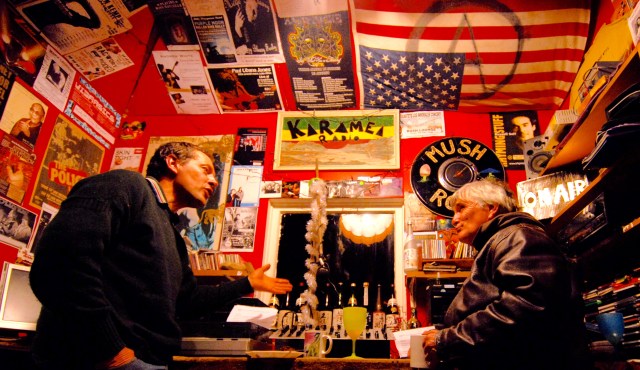
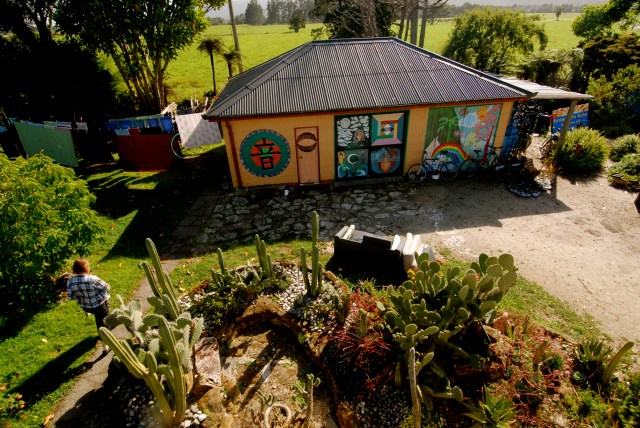
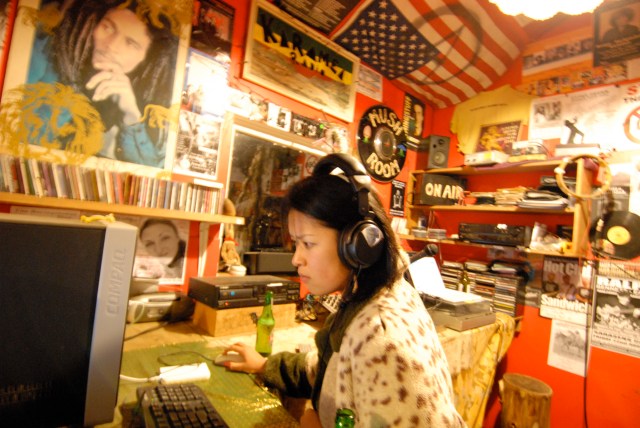
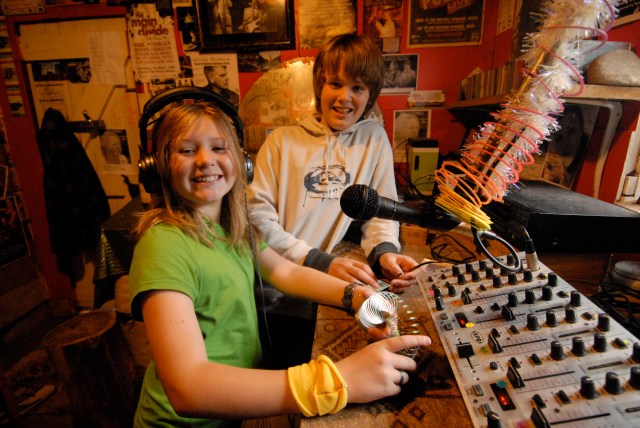
DSC_0072.JPGAfter almost 14 years at Rongo Dinner Bed & Breakfast, Karamea Community Radio 107.5 FM will move into its new studio at “The Cross“ (formerly “The Bush Lounge”) on July 22.

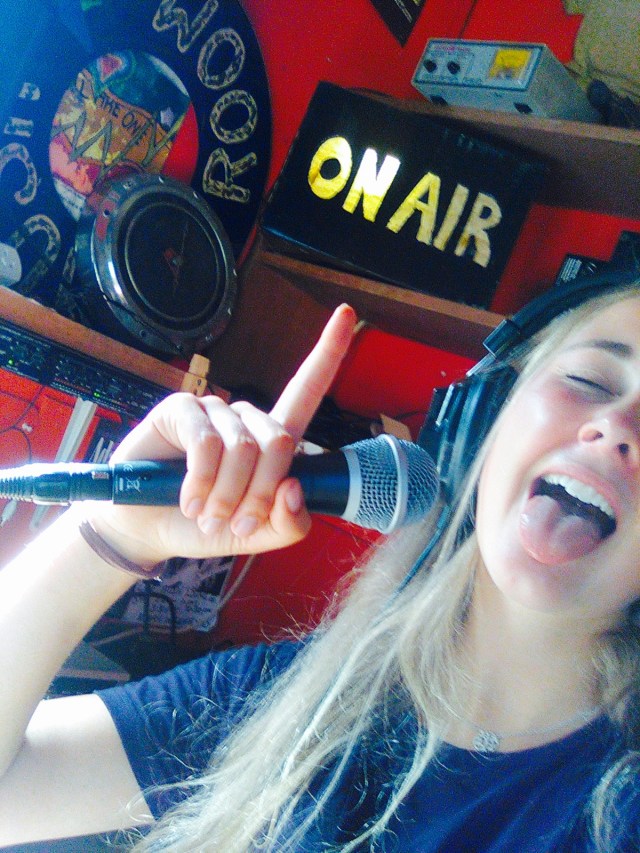
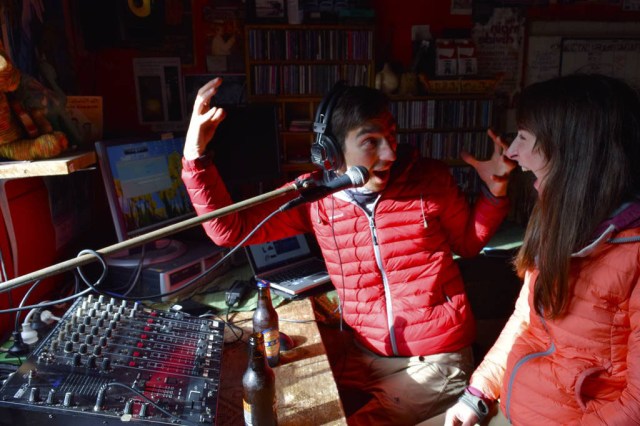
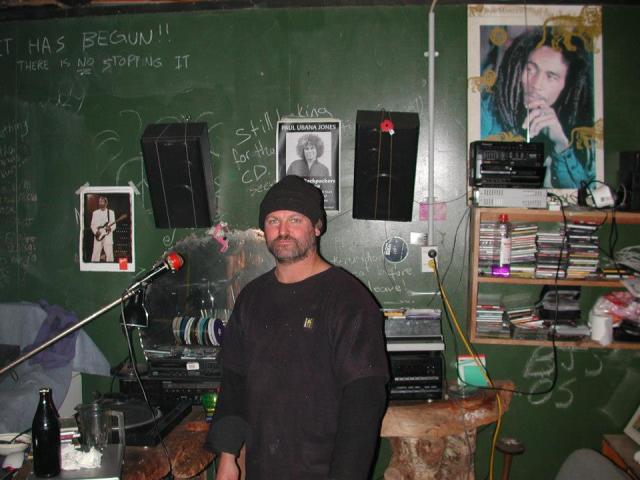
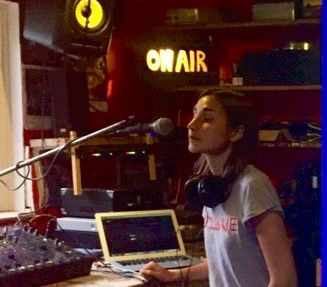
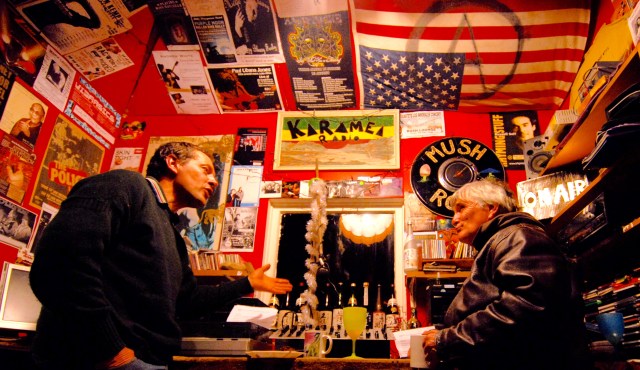
With few interruptions, never any annoying advertisements, often considerable humour, occasional interviews and always awesome tunes, the community transmitter has been radiating out of its temporary custodial home at Rongo 24/7/365 since September 2004.

DSC_0107.JPG

Late last year, local celebrity and bon vivant Brendan O’Dwyer, discussed with the owner of The Cross Tony Ibbotson and Rongo owner Paul Murray the idea of relocating the Karamea Radio transmitter to The Cross to make the station more easily accessible and public.

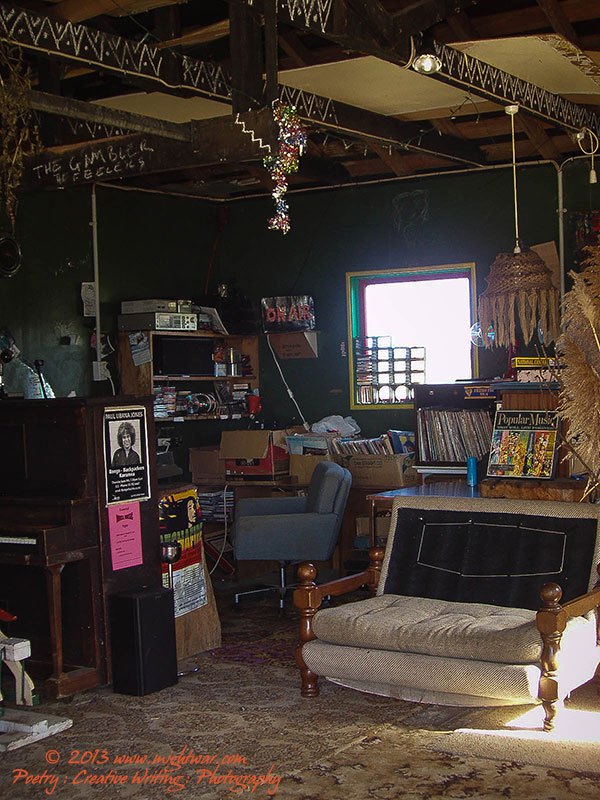
All concerned thought this to be a grand proposal and soon plans were afoot to erect an aerial and build a new radio studio. The Karamea Army then went to work, materials appeared, skills were shared, and rapid progress was made.

The new studio looks out into the evolving Vinnie’s Café and will provide his customers with an exciting accompaniment to their food and beverages. Lena at Nature Ahead will have tunes to groove to while she makes her customers more beautiful, Paul’s Property Brokers clients will hear Karamea in action and the staff and customers at the 4-Square Hardware and Info Centre will be dancing in the aisles!

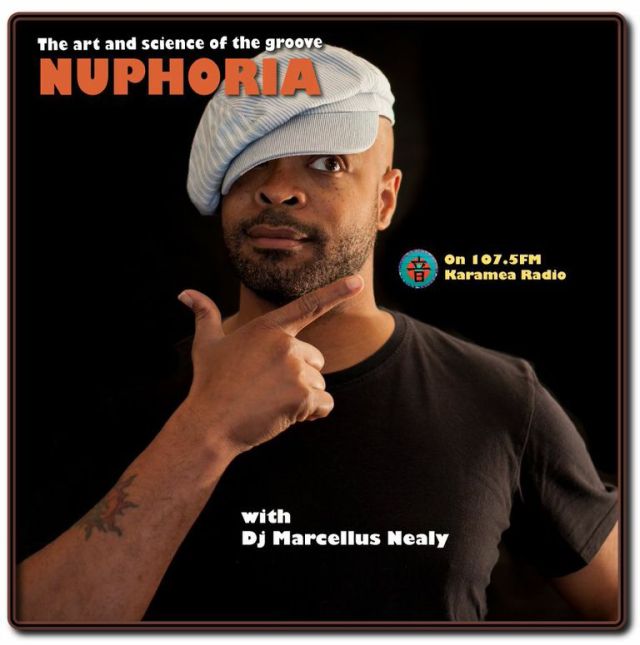
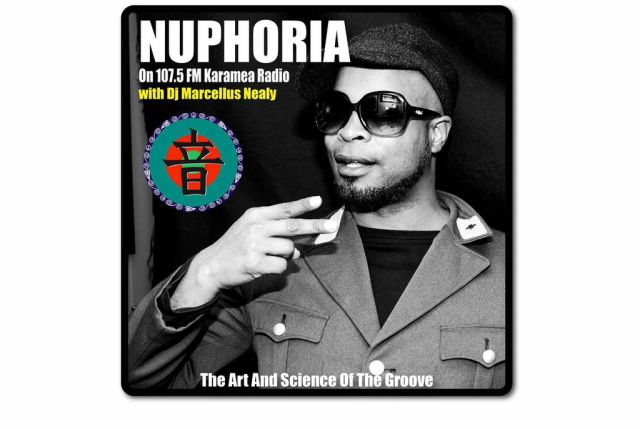
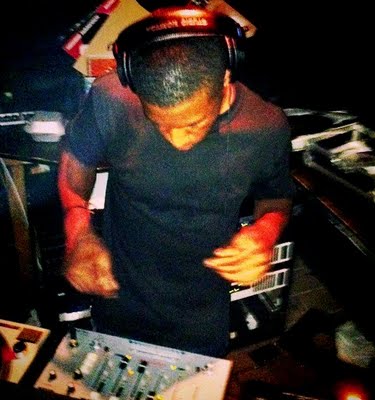
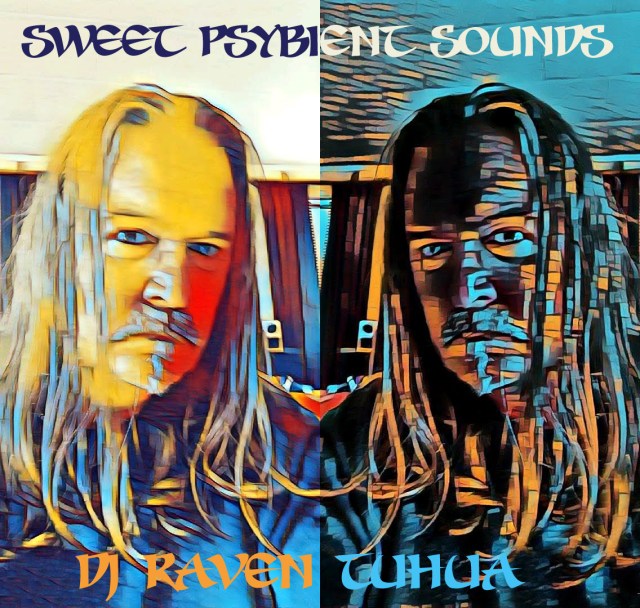
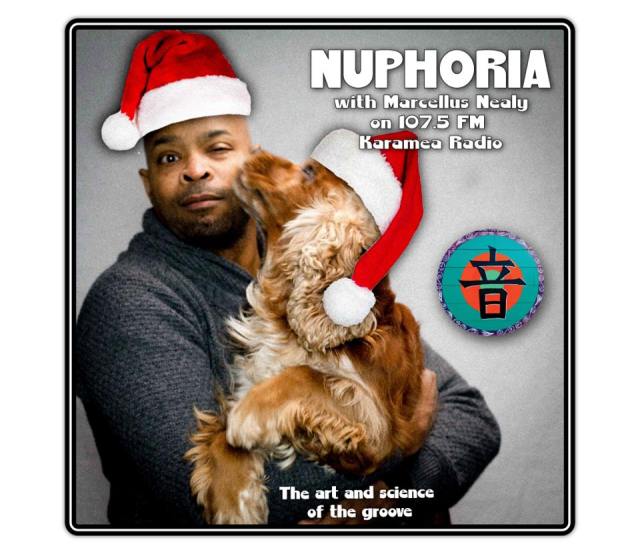
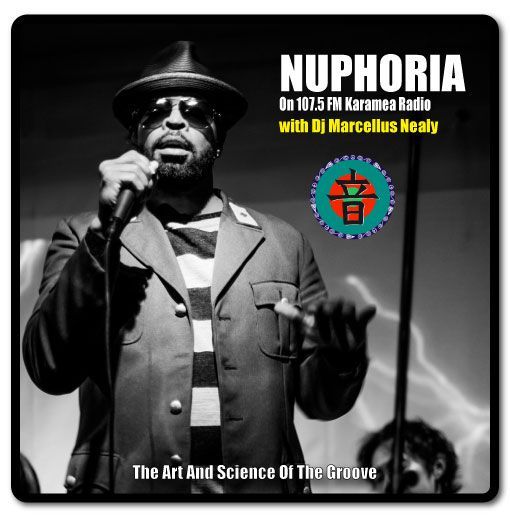
The radio station has promoted Karamea and has reached over 100,000 people around the world. The exploits of “The Lisp,” “EMANON,” “NONAME, “Staunch Steve,” Big Man” and others on their on-air adventure “The Chronicles of Sputnik Follie” (think the Goon Show meets Red Dwarf) has been syndicated on a station in New York City. The world has also reached back. The “Nuphoria” radio show by DJ Marcellus Nealy comes to us from Tokyo and has thoroughly explored the “Art & Science of the Groove,” DJ Travis “Blind Dog” Taylor shares his broad blues experience with us from Adelaide, South Australia…and DJ “Raven Tuhua” keeps us mellow with psybient sounds from Westport and Wellington.

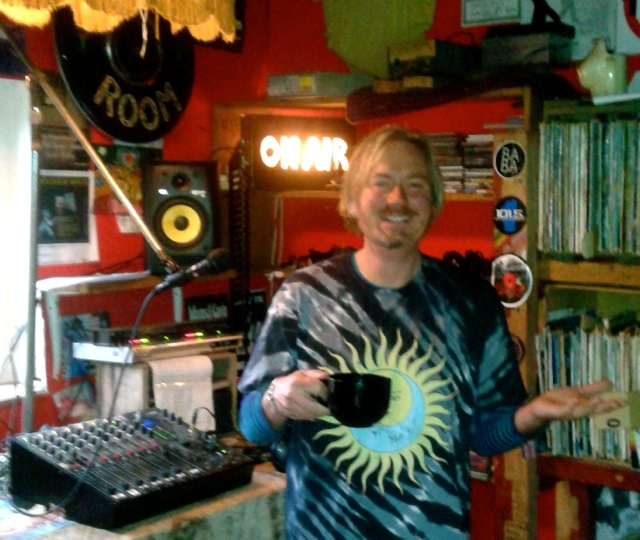
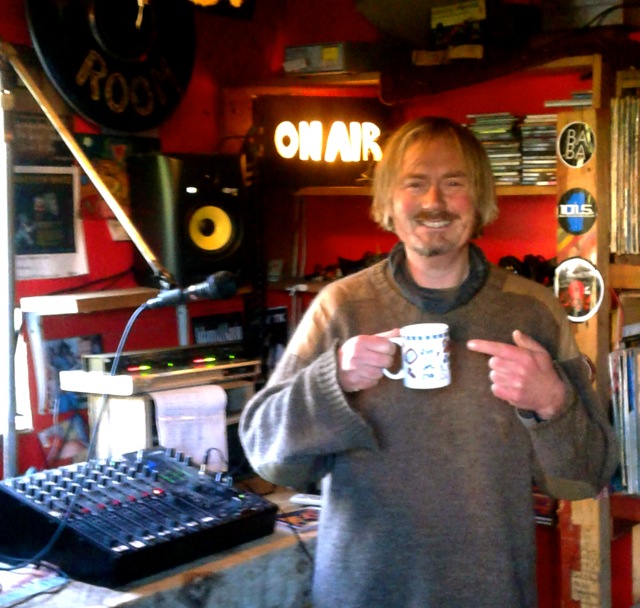
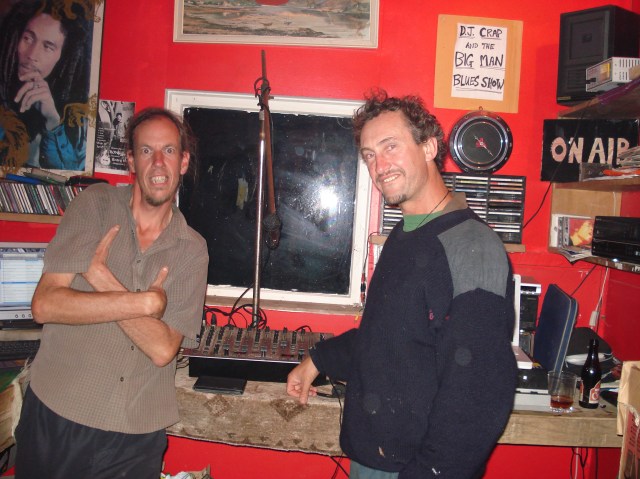
Other notable DJs over the years include DJs “Obewan” and “Echo” whose “Echoes of a Jedi” show is a mid-week staple for loyal listeners, the “Bigga than Bateman” show, DJ T, DJ “Dusty Roads” with his “Saturday Night Hoedown,” Brian “Big Man” Thomson with “Mondayitis,” “Sunday Drive,” “The Comedy Show” and of course “DJ Crap & The Big Man Blues Show.” Brian has been a stalwart of the station, and to him, we owe much credit for the evolution of Karamea Radio. Tristan “DJ Who?” Lockerbie has willingly shared his technical know-how to keep the radio broadcasting, the equipment functioning and the station improving.

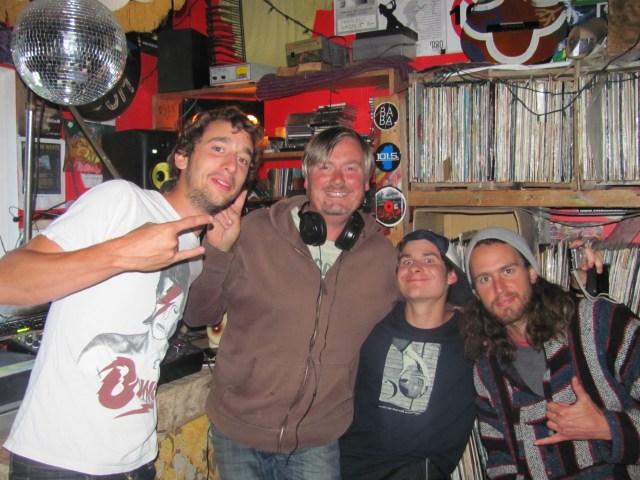
From the former Karamea Radio crew at Rongo, Brian, Tristan and Paul, it has been a pleasure and an honour to have had the opportunity to look after 107.5 FM for on behalf of the community and take the radio from its humble beginnings to its current status and now proudly pass the baton on to the next team of runners. We look forward to the station progressing further and becoming an even more valuable community asset…Long may the station continue to brighten the lives of the people who a lucky enough to enjoy life in Karamea, visiting music lovers and channel’s many listeners around the world. Thank you all for listening to Karamea Radio over the years, stay tuned to 107.5 FM…It’s soon going to be better than ever!

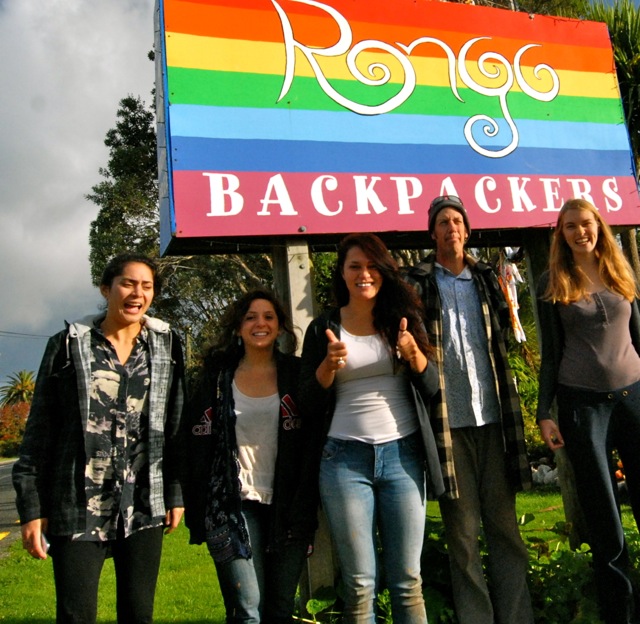
For Rongolians, fear not, for the radio studio at Rongo will live on. Radio is very much part of Rongo life, so Rongo Radio will soon be available…For more information, please join Rongo Radio’s Facebook Page: https://www.facebook.com/RongoRadio/


Owner of The Cross, Tony Ibbotson was unavailable for comment at the time of publication, but if you see him when he gets back from a well-deserved break, please thank him for his continuing vision and belief in the community, and the opportunities provided us by The Cross. Also to Brendan O’Dwyer, who is a driving force behind the evolution of The Cross.

To Listen to Karamea Radio Online, Please Visit: www.mixcloud.com/KarameaRadio/

Radio Station Farewell PARTY at Rongo July 21, 3-10 pm

Dear Listeners: To celebrate 14 years of Radio at Rongo, please bring your five best songs along to play at the farewell party on July 21 from 3:00-10:00 p.m. at Rongo. We will record the show and add it to the archive of Karamea Radio history.

Sausage sizzle to raise money for the new station: Bangers in Bread $5

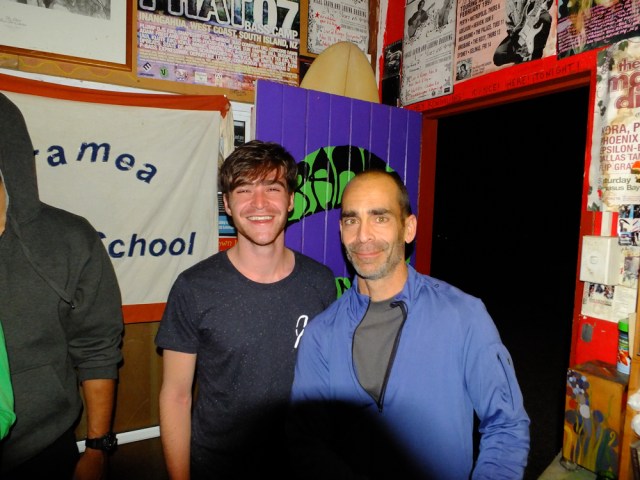
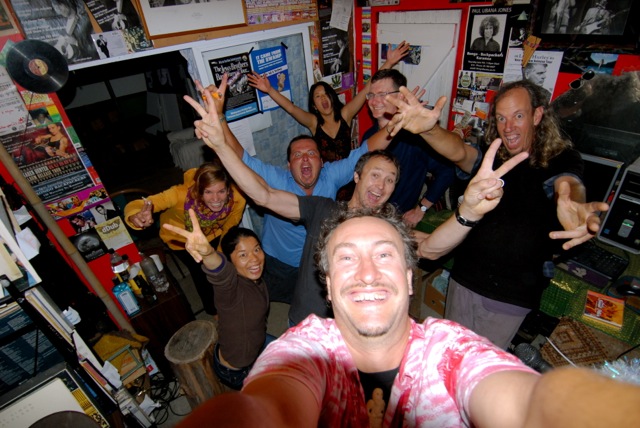
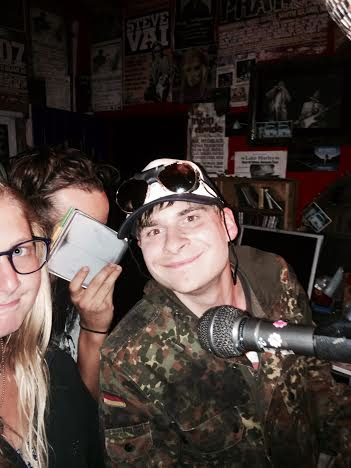
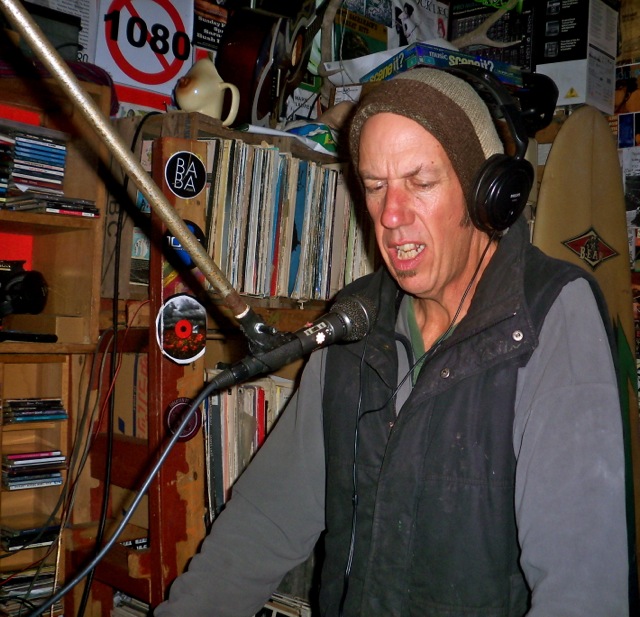
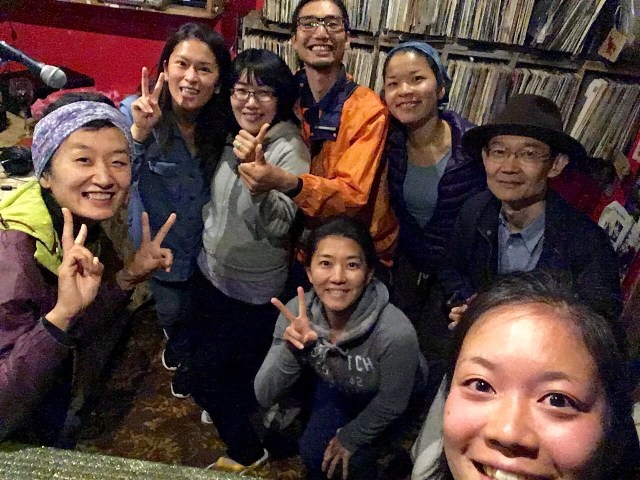
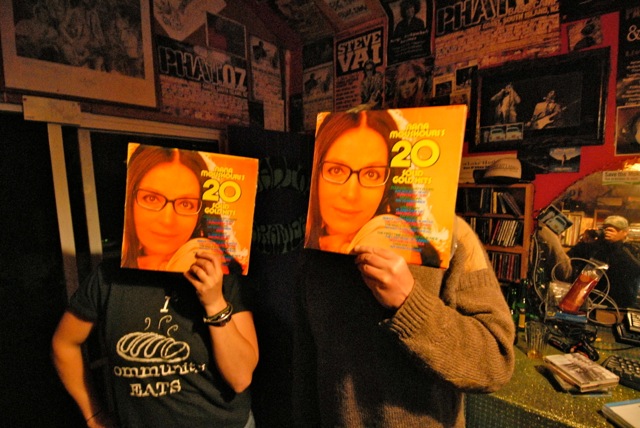
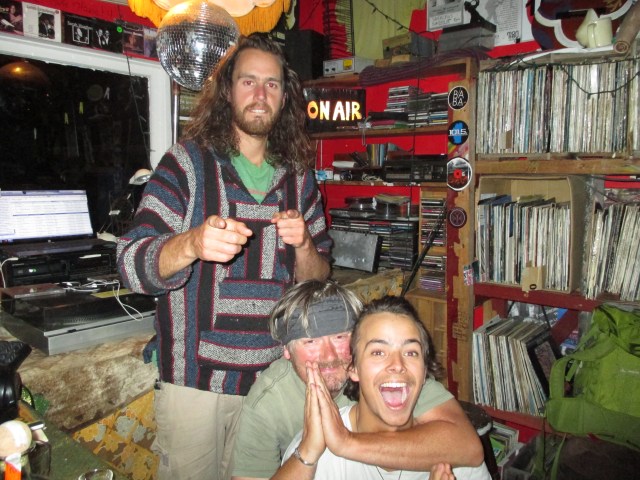
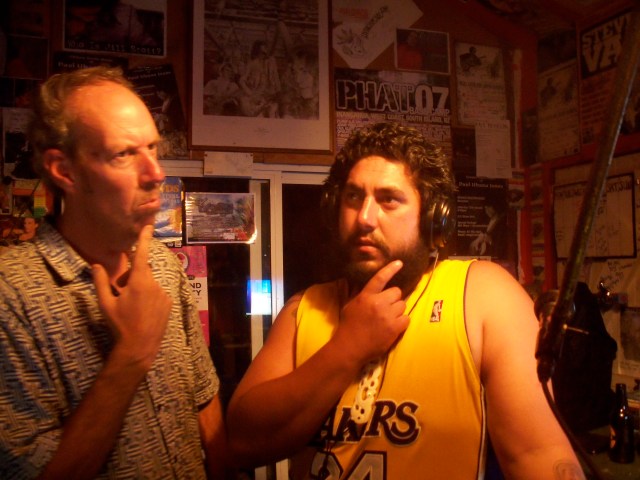
Karamea Radio fans, see if you can find yourself in the collection of Karamea Radio memories below……

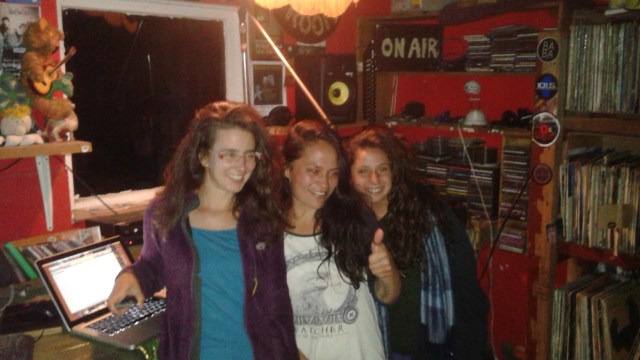
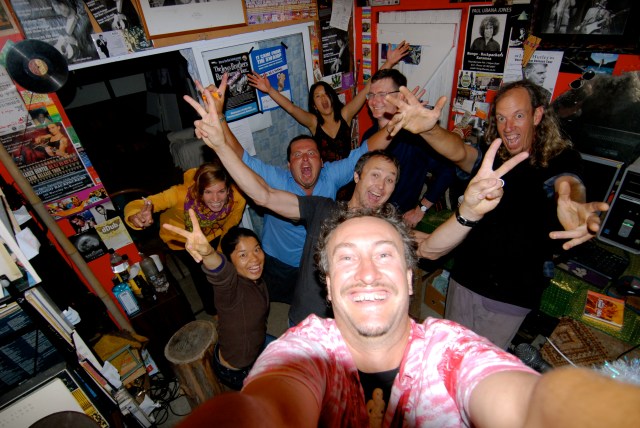
These images are from the fun we’ve had with people from all over New Zealand and the world…May the new Karamea custodians keep the good times rolling and Long Live Karamea Radio 107.5 FM!

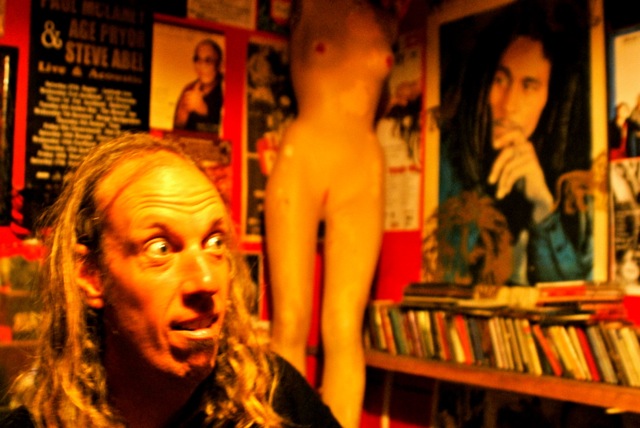
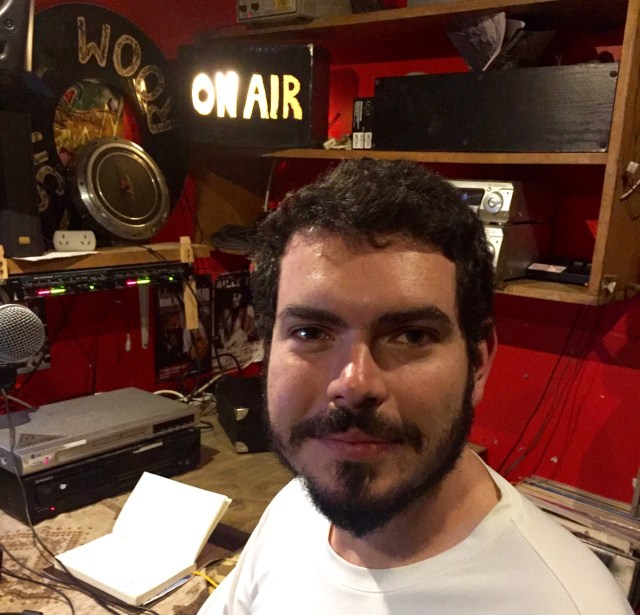
All the images are in some way connected to Karamea Radio 107.5 FM and will remain stored in the archives, which will be added to as the story continues to unfold….Stay tuned to 107.5 FM and thanks for listening!

OLYMPUS DIGITAL CAMERA

OLYMPUS DIGITAL CAMERA

OLYMPUS DIGITAL CAMERA

OLYMPUS DIGITAL CAMERA

OLYMPUS DIGITAL CAMERA

OLYMPUS DIGITAL CAMERA

OLYMPUS DIGITAL CAMERA

OLYMPUS DIGITAL CAMERA

OLYMPUS DIGITAL CAMERA

OLYMPUS DIGITAL CAMERA

OLYMPUS DIGITAL CAMERA

OLYMPUS DIGITAL CAMERA

SONY DSC

OLYMPUS DIGITAL CAMERA

old black & white copy scan picture of ROBERT PLANT musician


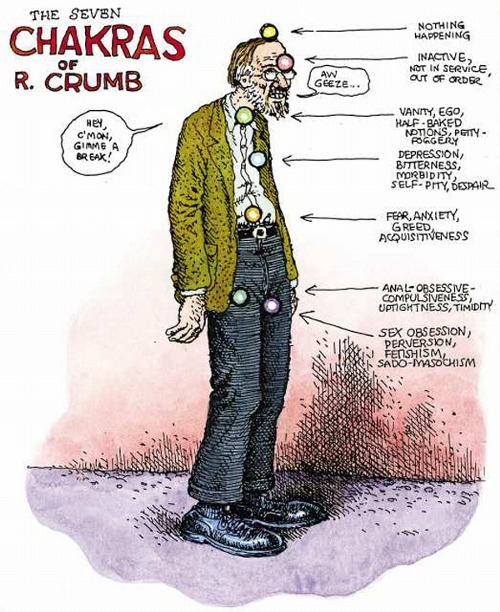
The Seven Chakras of R. Crumb


24-3-1995 Breda, Brabathallen
Prince
Copyright Paul Bergen

Whitney Houston bows after performing “I Didn’t Know My Own Strength” at the 2009 American Music Awards in Los Angeles, California in this November 22, 2009 file photo. Grammy Award-winning singer and actress Whitney Houston has died at age 48, media reports said on February 11, 2012. REUTERS/Mario Anzuoni/Files (UNITED STATES – Tags: ENTERTAINMENT PROFILE TPX IMAGES OF THE DAY OBITUARY)

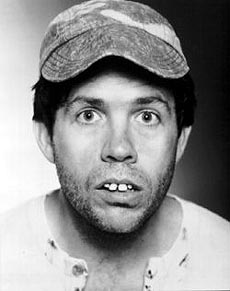
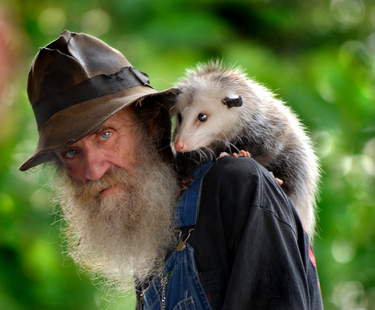
Barney Barnwell waits with his opossum “George” just before his induction into The Southern Legends Entertainment Performing Arts Hall of Fame, at the 15th Annual Plum Hollow Bluegrass Festival held in New Prospect, S.C., Saturday, May 27, 2006. Barney Barnwell & The Plum Hollow Band also performed during the festival. (AP Photo/Spartanburg Herald-Journal, Tim Kimzey)

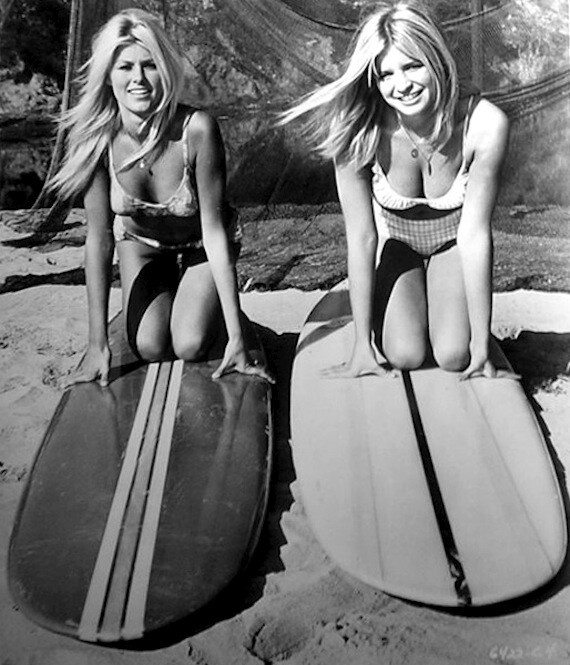
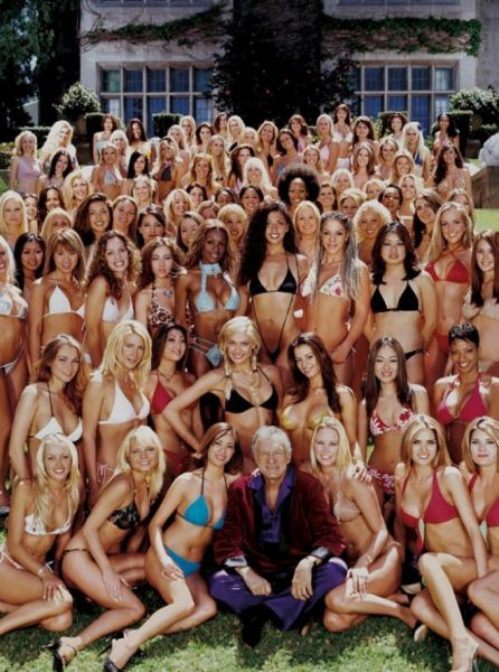
This undated handout photo courtesy of Playboy shows Debra Harry during her stint as a Playboy “bunny” before she became a star with the band “Blondie” Fifty years after Hefner launched Playboy and a sexual revolution, the pop culture icon is moving to re-invent its ‘Swinging 60s’ image for a new generation of pleasure seekers. From an idea born on Hefner’s Chicago kitchen table, Playboy has become a huge business empire and one of the world’s most recognizable brands. With its centre-fold pinups, the magazine has evolved from what was regarded as smut into a glamor publication that Sharon Stone, Cindy Crawford and Kim Basinger and other stars clamored to pose nude for. Playboy will be celebrating its 50th Anniversary this December. AFP PHOTO/HO
(Photo credit should read PLAYBOY/AFP/Getty Images)
DCA95

  • DSC_0072.JPGDSC_0076.JPGDSC_0107.JPGDSC_0118.JPGDSC_0232.JPGDSC_0426.JPGDSC_0453.JPGDSC_0465.JPGDSC_0501.JPGDSC_0535.JPGDSC_0536.JPGDSC_0615.JPGFreddie_KingIMG_0535.JPGScreen-Shot-2017-08-06-at-18.14.37
Posted in Uncategorized | Leave a comment

Charley Chop Chop Gets Your Kids Cooking

Off the Top of My Head

By Paul Murray

Parents in this “digital age” have a serious challenge…How to encourage our children away from passive screens and to pique their interest in more active pursuits.

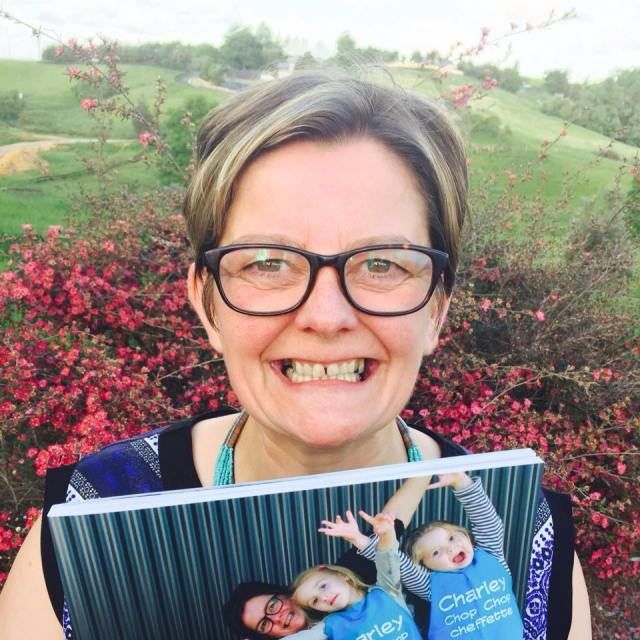
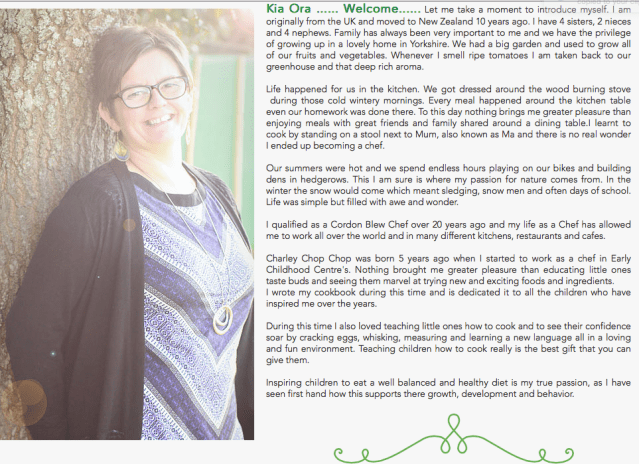
Chef Charley “ChopChop” Ainscough is here to help. Her cooking book “Charley Chop Chop Shares Her Culinary Magic” is specially made for children and to encourage them away from cartoons and into the kitchen.

Charley Chop Chop 2 1 (1)

13015424_811636998936945_8002270638005690975_n

“Teaching your children how to cook is the greatest gift you can ever give them,” Ainscough states in her book of simple recipes for meals kids love.

Beautifully photographed by Shannon Schnittker, the book features how-to guides for a range of culinary delights and images of Ainscough with her trainee “Cheffettes” as they work together to create soups, desserts, preserves, breakfast, lunch and dinner, snacks.

Good-parenting tips also pepper the book like ideas for lunchbox notes that encourage and inspire the little ones. Ainscough also shares a few ideas on craft activities for parents and little ones that enhance the parent-child bond by creating together.

The super-positive and optimistic Ainscough grew up in rural Yorkshire with three sisters. Their mother encouraged the girls to help in the kitchen from a young age and this inspired Ainscough to pursue a life in the kitchen and to explore culinary possibilities as an adult. She has travelled the world with her chef’s ticket working in France, Scotland, Australia before settling in New Zealand and making Nelson her home.

28059461_1325476724219634_2676777551762200527_n

With an emphasis on healthy and wholesome, Charley Chop Chop has compiled a collection of simple home-cooking recipes written in simple language for early readers and parents to easily follow. The photographs give some idea of what the resultant dishes are supposed to resemble and kitchen mess is nowhere to be seen. Of course, teaching kids to tidy up after cooking is integral to the success of this programme and the good kitchen etiquette may not be as much fun as the creative part of the process, but equally as important. Ainscough’s book provides an opportunity for parents to enjoy spending quality time with their children, teaching them an important life skill and also instilling in them the need for cleanliness, food safety, and hygiene.

15729384_1223081601109468_5087620432647946240_n

If you live in Nelson and would like to meet Charley Chop Chop and get cooking, she offers her culinary experience, knowledge, and passion for food in hands-on cooking classes for you and your kids at your place or hers.

My kids are currently in Japan on holiday visiting their grandparents, but when they return, I look forward to cooking up a storm with them and trying out a few of Charley Chop Chop’s recipes and see if we can give Mum a break from the kitchen!

23322381_1650591421654147_4072744653017841664_n

Charley Chop Chop 1 (1)

“Inspiring health and wellness by Eating well. Thinking well & Being Well …… What does good food mean to you? Did you know that it’s as important to have balance in all areas of your private life as well as eating wholesome nutritious food?
Teaching and inspiring both children and adults to cook is my true passion. I greatly believe in old school values and rituals. Can you remember standing on a stool as a child in the kitchen as your Mother, Father or Grandma taught you how to cook ….. The smells, aromas … the noise. These memories are infectious for our brains. I am here to inspire you to do just that.
If you are looking for some inspiration and a beautiful cookbook to learn to cook from. Look no further than my cookbook. Charley Chop Chop Shares her Culinary Magic. It has 9 beautifully illustrated and easy to follow recipes that have been tested many times and are delicious too.”
To order this book for your home kitchen, please visit Charley Chop Chop’s Website:
Instagram: https://www.instagram.com/charleychopchop/
Screenshot 2018-06-24 09.21.27

Videos:

http://www.charleychopchop.co.nz/videos?wix-vod-video-id=0716b394b4b947eaac5f05d6e5eb0b2c&wix-vod-comp-id=comp-iujcqjuf#

http://www.charleychopchop.co.nz/videos?wix-vod-comp-id=comp-iujcqjuf#

Charley “Chop Chop” Ainscough has is also a fully qualified Integrative Nutrition Health Coach.

35820164_1432260940207878_1474516642707800064_n

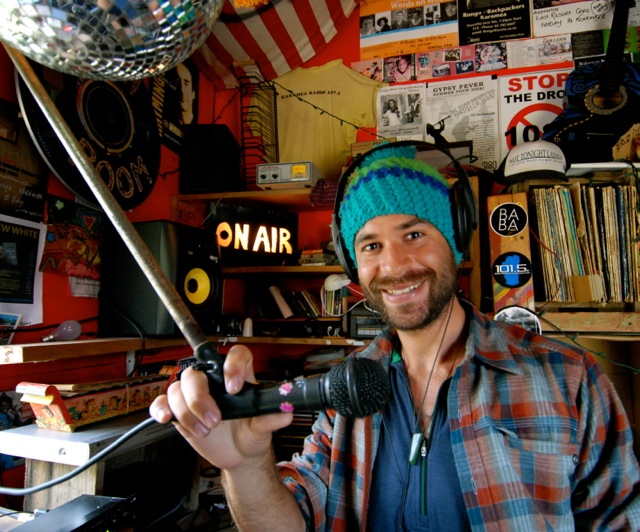
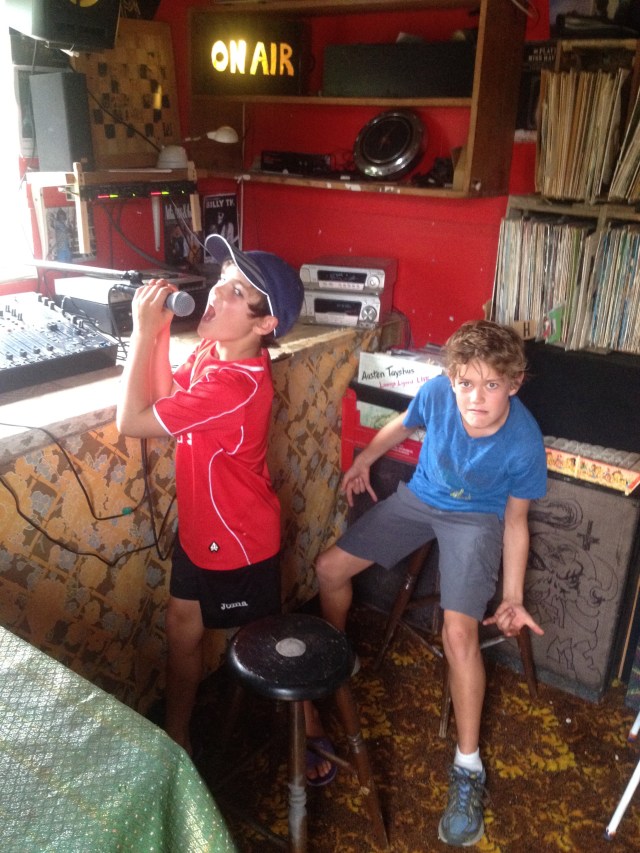
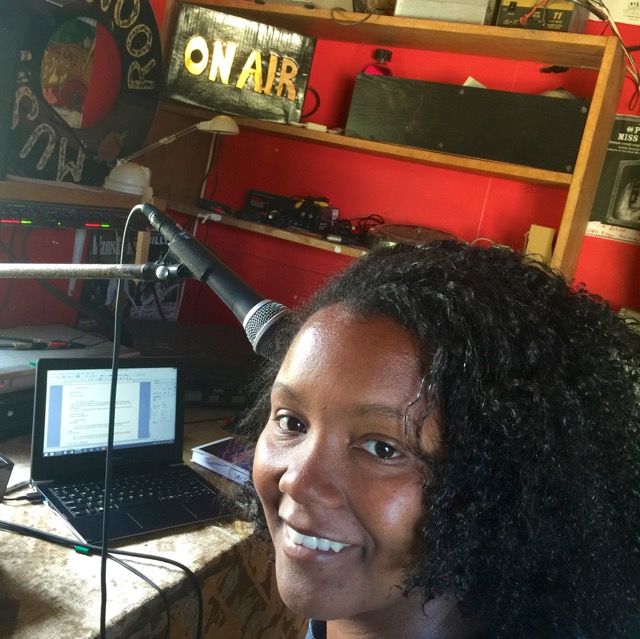
She’s also a radio DJ!


Posted in Book Review, Children, Education, Food, Health, Nelson, New Zealand, Parenting, Photography | Tagged , , , , , , , , | Leave a comment

New Nelson Eatery Wows Discerning Diners

Off the Top of My Head

By Paul Murray


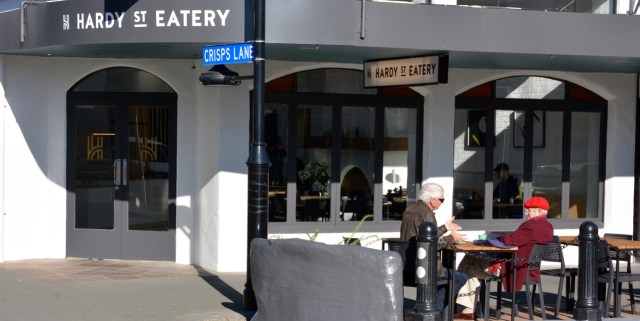
A fabulous way to start your day awaits you at The Hardy Street Eatery in Nelson.

Winter sunshine streaming through the broad windows onto Hardy Street, the aroma of fresh coffee brewing, the morning paper, the bustle of the kitchen, a warm fire and the mouth-watering waft of breakfast to come…A new day begins.

ADS_8828

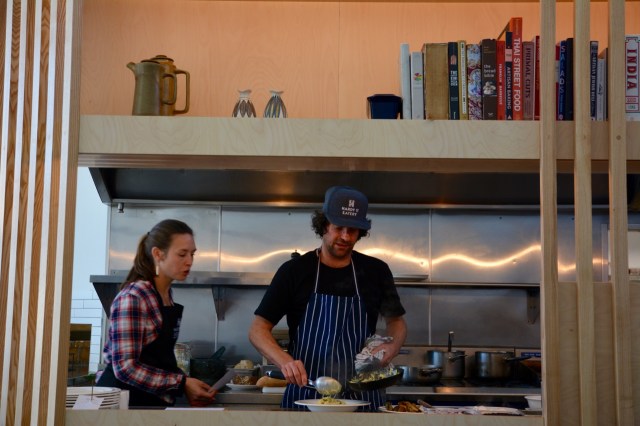
The Hardy Street Eatery is a new venture for globe-trotting Master-Chef James Rutherford, who has spent much of his 38 years travelling the world preparing food for Tokyoites, rich and famous super-yachties, Londoners and more recently Wellingtonians.  On his travels, he has gleaned a great understanding of food, its flavours, nutrition, style, and how to prepare and serve it in a creative and innovative fashion.


ADS_8830

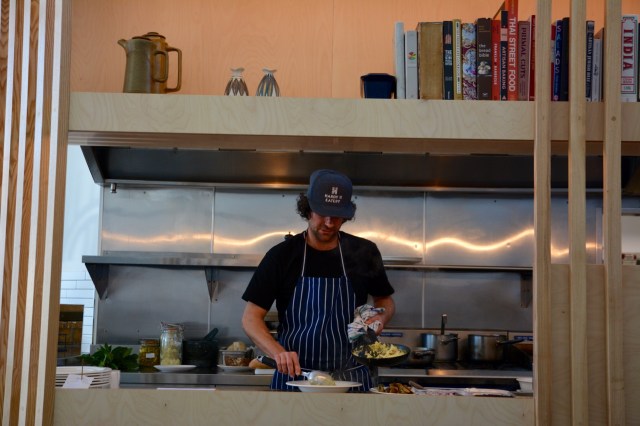
Well-read Chef James Rutherford displays culinary reference material collected on his extensive world travels.


“Our philosophy at Hardy St is to create an atmosphere similar to enjoying a meal at home – serving creative, seasonal and approachable food from a regularly changing menu with damn good booze and coffee.”

James Rutherford


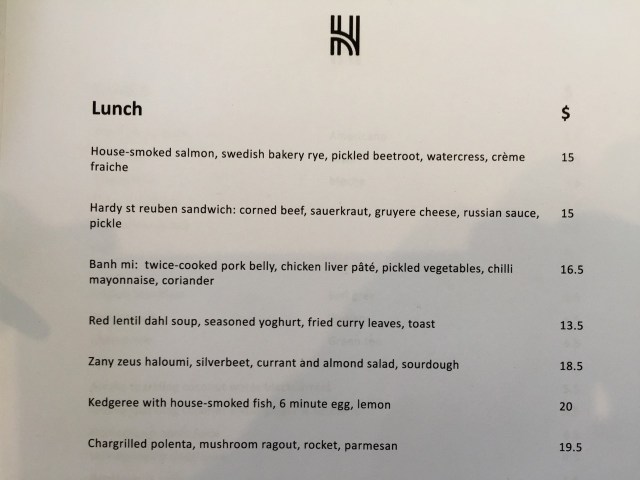
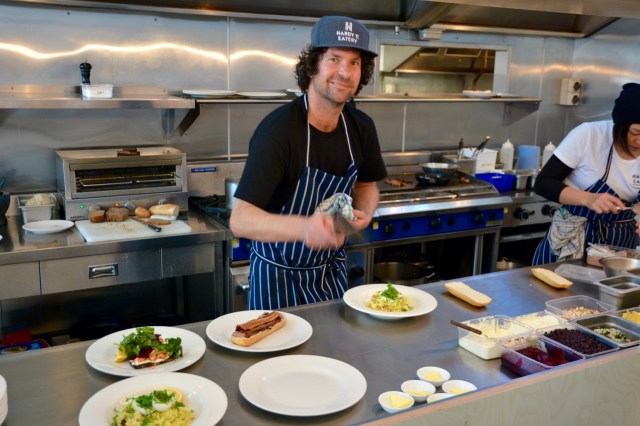
Open at 7:30 a.m. for breakfast, the eatery has a range of options to fuel the day, I chose simple bacon and eggs, with a little homemade “buttery” kimchi on the side. Rutherford is mad-keen on fermenting foods and has several opportunities to sample his efforts on the menu.

IMG_4658

IMG_4657

ADS_8837

The kitchen is open and much of the food preparation and plating is easily visible from the restaurant. Rutherford is completely at ease with this and his vast experience in the galley is evident as he calmly and efficiently prepares the orders and delivers the fare.

ADS_8846

ADS_8839

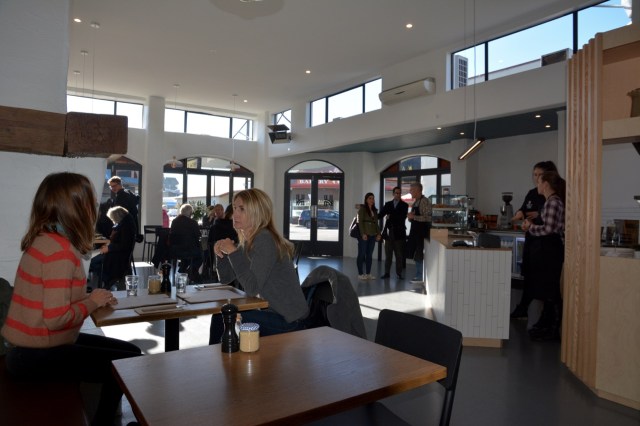
The cheerful waiting staff deliver the meals easily and efficiently as the restaurant is open, easily negotiated and spacious. The decor classic, clean and stylish. Alfresco dining on sunny street-side tables is also on offer and will undoubtedly be popular in the warmer months.


ADS_8831

The menu features locally sourced ingredients from regional suppliers who specialise in quality produce. Rutherford recognises the quality of New Zealand produce and uses his global culinary experience to turn it into quality meals with international flavour and style.

The food was superb, simple, beautifully presented, tasty and reasonably priced. Rutherford is a name well know to Nelsonisans and James Rutherford will be splitting atoms and making culinary bombs for the people to savour. I enjoyed the meal and the eatery experience so much, I went back for lunch with friends.

ADS_8843

136 Hardy St, Nelson, 7010
Friday 7:30AM–3PM
Saturday 7:30AM–3PM
Sunday Closed
Monday 7:30AM–3PM
Tuesday 7:30AM–3PM
Wednesday 7:30AM–3PM
Thursday 7:30AM–3PM

Ph: 03-391-0077

FaceBook: https://www.facebook.com/Hardy-St-Eatery-466618507132004/

Web site (coming soon): http://www.HardyStEatery.co.nz

Posted in Food, Nelson, New Zealand, Paul Murray, Restaurant, South Island | Tagged , , , , , , | Leave a comment

The Blind Donkey: Zen and the Art of Fine Cuisine

Screenshot 2018-06-04 12.20.04

IMG_4514

Off the Top of my Head

By Paul Murray

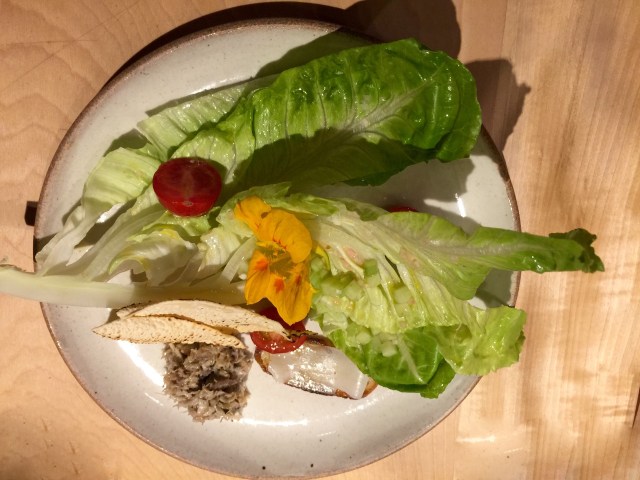
In the heart of downtown Tokyo amid serious daytime offices is an innovative eatery called “The Blind Donkey” that delivers creative cuisine made from ingredients sourced from farms across Japan that specialise in growing premium quality organic produce.

The restaurant is near Kanda Station in the heart of old Tokyo Town. Kanda is a busy place by day and the streets are crammed suited salarymen with serious business on their minds.

By night, the corporate samurai’s motivation is wine, women, song and sustenance and the area transforms to cater to the market shift. Daytime businesses close and the night shift takes over. Traditional Japanese izakayas, sushi, soba and ramen shops open and there are plenty on offer in this location.

The restaurant opened in late 2017 and it provides completely different fare to the standard culinary offerings in the area. The Blind Donkey is an unusual name for an unusual restaurant in an unusual location. Such restaurants are normally found in more affluent, sophisticated boroughs of the megalopolis, but the owners Jérôme Waag and Shin Harakawa decided on the location to offer a significant point of difference to competing establishments.

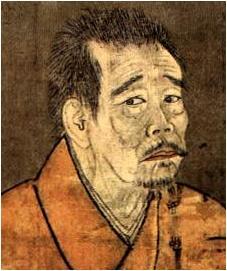
The name of the restaurant is a nod to the philosophical writings of Ikkyu, a 15th Century Zen monk and poet know for his mischevious eccentricities.

Portrait_of_Ikkyū_by_Bokusai

Originally from France, Waag was a chef for 20 years at the famed Bay-Area restaurant Chez Panisse in Berkley, California. Chez Panisse was founded in 1971 by film producer Paul Aratow and food activist Alice Waters and the focus of the venture was to source the best quality produce from dairies, farms, ranches and gardens who are dedicated to ecologically sound agricultural practices.

Harakawa is an experienced restaurateur and is also influenced by the culinary innovations of Alice Waters. In The Blind Donkey, Waag and Harakawa seek to replicate Water’s model in Japan.

34276541_10156713682379050_2328595074478243840_n

34493146_10156713682959050_5047129336407130112_n

IMG_4506IMG_4521

Waag and Harakawa both agree on the sanctity of good food, “Produce is everything” said Waag in relation to food quality and taste. “All I need to be happy in life is excellent food and wine,” said Harakawa, but later agreed that love was also important.

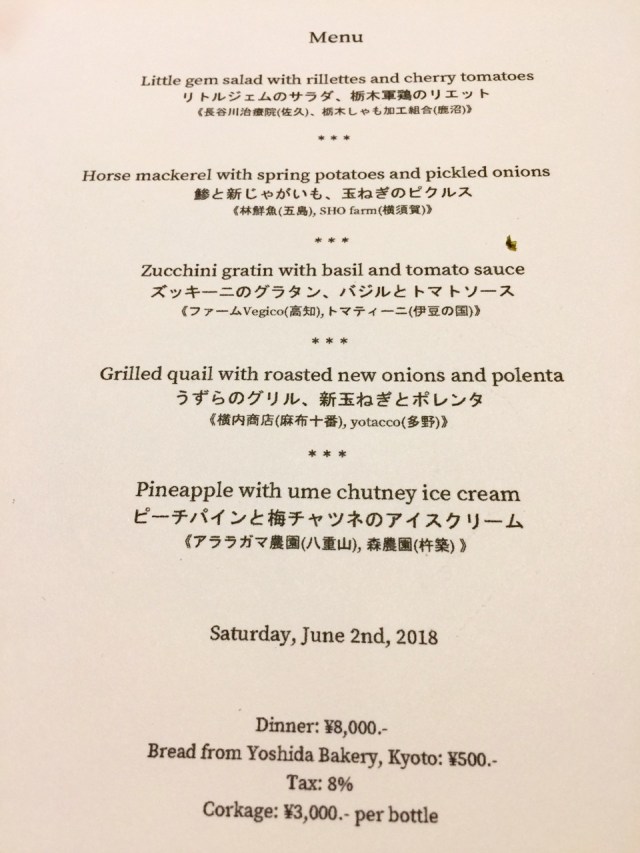
They visited farms across the Japanese archipelago and developed relationships with individual farmers who now supply the restaurant with freshly harvested, ethically grown, environmentally conscious, organic seasonal produce. As the availability of produce changes with the seasons, so does the menu, so patrons are always eating food that is seasonally available and in tune with the circadian rhythms of nature.

People a very interested in the provenance of their food these days and they also want to know that the produce was ethically grown and the meat from animals treated humanely. The Blind Donkey excels in this regard and always references the source of the ingredients back to the farmer, baker, winemaker or fisherman.

IMG_4515

Wine is matched to the beautifully presented multi-course dinner by a delightful wine waiter who referred to herself as a “nommelier.” The term is an amusing wordplay mixing the Japanese work “nomu” meaning to drink with “sommelier” to create a title that suggests she likes to drink wine, but also incorporates the humility of Japanese not to overstate their official status. She expertly pours us samples of an interesting selection of wines that match well with the flavours and style of the dishes.

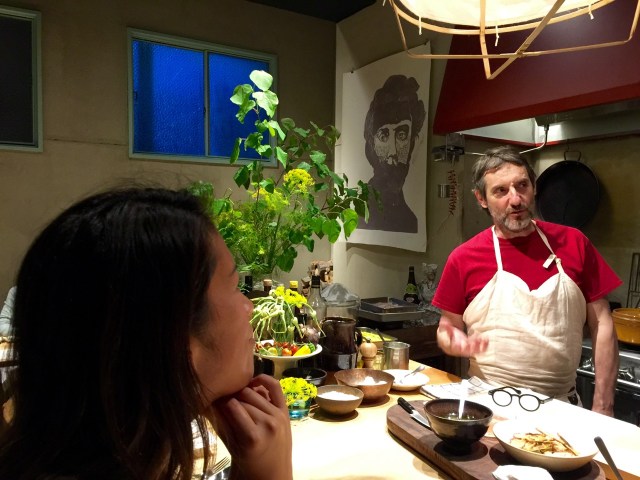
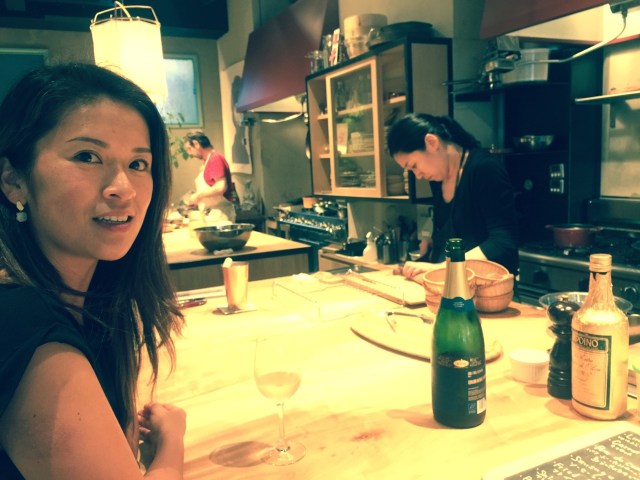
The restaurant staff were all really pleasant and happily chatted away as they were going about their duties preparing the food and delivering the dishes. Waag and Harakawa have chosen people who support their food philosophy and not necessarily highly experienced restaurant staff choosing to train them themselves in their own way. The result is more like a visit to a family home than a commercial eatery. The food is prepared and plated before you if seated at the counter and this provides an interesting insight into the meal and how it is delivered.

IMG_4498

IMG_4495IMG_449734317572_10156713682884050_4497569682265473024_nIMG_4511

The cuisine would be best described as French/Italian with a dash of Japanese and a course dinner at The Blind Donkey is not a cheap night out, but you are paying for quality, not quantity…the level of service is high and the food exceptional. It’s a great place for a special occasion and foodies will love it.

Location

3-17-4 Uchikanda, Chiyoda-ku, Tokyo
Google Maps
tel: 03-6876-6349

Open

Tuesday to Saturday 17:00—23:30
(restaurant reservations 18:30~20:00)


FaceBook: https://www.facebook.com/theBlindDonkey.jp/

Instgram: https://www.instagram.com/theblinddonkey.jp/

Oh, and it’s a great place for a date!

IMG_4494 (1)


Posted in Food, Permaculture, Restaurant, Tokyo, Uncategorized | Tagged , , , | Leave a comment

West Coast Economy Benefits From Hidden Tourism $ Yields

Off the Top of my Head

By Paul Murray

There is quite a lot of talk at Councils and in the local media on the West Coast lately about the need for the tourism industry to be self-sustaining and not to rely on local government funding and ratepayer subsidies to support it.

Currently, tourism is without question best game in town for the West Coast. Traditional extractive West Coast industries like forestry, mining, fishing and dairy are in decline or don’t really have any additional growth potential. The people employed in those industries may choose to spend some of their wages on the Coast, and they certainly do, but much of that money is spent elsewhere and doesn’t really benefit the local economy.

Tourism, however, caters to visitors to the region and those people spend a lot when they are here. The come to visit the Coast and see the spectacular natural environment and scenery that we sometimes take for granted. When they are here, they purchase accommodation, meals, fuel, food; they spend on activities, events, visit coffee shops, purchase souvenirs…this is good for the local economy and local businesses as it enables them to operate and also to employ staff. The tourism industry supports businesses that are not directly tourism related and inadvertently helps keep Coasters employed. The supermarket staff, the butcher, the local mechanic, the service station workers, the waiting staff, the baristas, the information centre teams, the local hairdresser, the newsagent, dairy owners and many more are supported by tourism money directly and indirectly.

TIA-power-chart-2014-the-power-of-the-visitor-industry-copy-Small

The Ministry of Business Innovation and Employment (MBIE) has determined the average daily spend for a visitor to the West Coast is $248. This figure is calculated by dividing the total visitor revenue by the number of visitors. Resident West Coasters do not support the local economy by spending this much per day, but we directly benefit from the capital introduced to our economy by tourists.

Jim Little, CEO of Tourism West Coast, said, “The latest MBIE figures show West Coast number 1 for percentage growth of expenditure at 14% to $577 million up $9 million year-to-date March 2018. The national average is 9%.” He added, “In terms of GDP contribution, tourism now number 2 on the Coast at $172 million second only to dairy on $234 million. That’s up from number five 5 years ago.” This shows the importance of tourism to the West Coast economy and also just how fast it is growing and demonstrates its potential to bring further economic prosperity to the Coast.

Many of the services and facilities we enjoy as local people would not exist without tourism. Local cafes, restaurants, service stations, pubs, museums, activity providers and scenic attractions would not be available to local people without the financial support derived from tourism. Without tourism the quality of our respective lives and the range of facilities and services we enjoy would not be available without the income tourism provides…they just would not be financially viable.

Tourism also encourages local governments to improve infrastructure to cater to the visitors. So our roads, public facilities like toilets and waste-management systems, electricity, Internet services, telephone networks etc are all improved because of tourism, the money tourists introduce to the economy and the demand for services and facilities they create.

To cater to tourists, accommodation providers must also purchase all sorts products, materials, furniture, whiteware, electrical appliances, print brochures, make signs produce advertising material etc, and all of those requirements support other non-tourism related businesses, like; furniture shops, linen suppliers, cleaning products, gardening equipment, fuel, hardware and building supplies, food and beverages, groceries and much more. All of this also supports the local economy and enables us to have such shops and businesses and suppliers available to people living on the Coast.

Screenshot 2018-05-06 08.53.45

While tourism-related businesses may not cater directly to West Coast residents, the quality of our lives are significantly enhanced by the money visitors bring with them when they come, and the people working hard to cater to them when they are here should be supported in every possible way and the small amount of subsidisation that West Coast tourism currently receives from the Councils (via rate payers) goes a long way to maintain and improve the quality of life for Coast residents and helps keep services and facilities open and available to our people and us employed. The World Trade Organisation estimates that tourism generates an indirect contribution to the local economy equivalent to 100% of direct tourism expenditure. Please consider this when discussing tourism and the subsidies the industry receives for the benefit of us all and future generations.

images-3

***********************************************************************************

Paul Murray is a Karamea-based tourism business operator and owner of:

Rongo Dinner Bed & Breakfast: http://www.Rongo.nz

Karamea Farm Baches: http://www.KarameaFarmBaches.co.nz
Karamea Connections: http://www.KarameaConnections.co.nz

Published: The Westport News May 8, 2018

IMG_3330.jpg


Posted in Business, Economics, Education, New Zealand, Paul Murray, Social Commentary, South Island, Sustainablity, Tourism, West Coast | Tagged , , , , | Leave a comment

DJ Crap’s Single Artist Special Shows

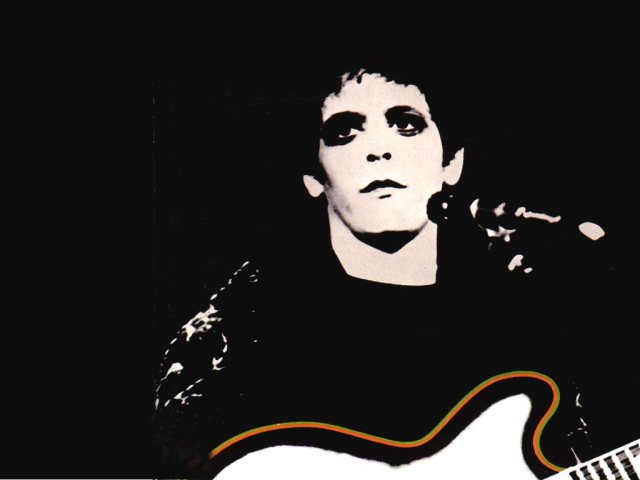
DJ Crap, in collaboration with his good friend DJ Travis “Blind Dog” Taylor, present a series of radio programmes that showcase specific artists. This series of one-hour radio shows will introduce you to superb music by great musicians that you may not have heard of before. Enjoy each show by turning the music up and getting DOWN!


Posted in 107.5 FM, Art, Bluegrass, Blues, DJ Crap, Funk, Groove, Jazz, Karamea, Karamea Radio, Karamea Radio 107.5 FM, LivinginPeace Project, Music, Musicians, New Zealand, Paul Murray, Radio, Radio Karamea, Radio Shows, Rock'n'Roll, Rongo, Rongo Dinner Bed & Breakfast, South Island, Uncategorized, West Coast | Tagged , , , , , | Leave a comment

DJ “Blind Dog” Taylor’s Radio Karamea Recordings

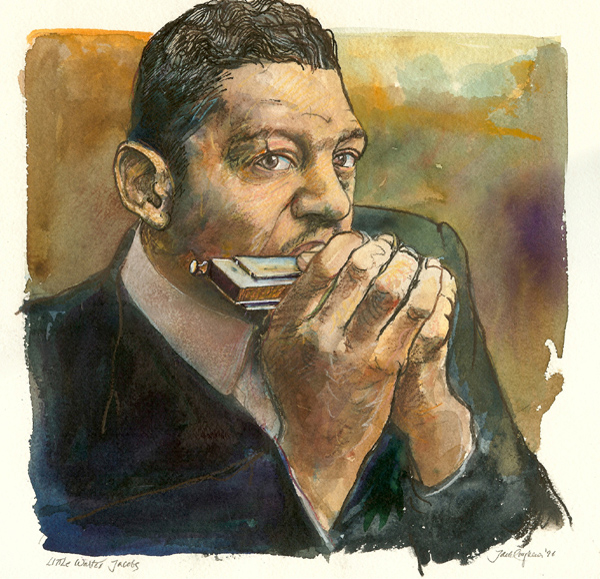
Blues aficionado DJ Travis “Blind Dog” Taylor records his radio shows in Adelaide, South Australia exclusively for Karamea Radio 107.5 FM in Karamea, New Zealand. 

Posted in 107.5 FM, Art, Artist, Blues, Funk, Karamea, Karamea Radio, Karamea Radio 107.5 FM, LivinginPeace Project, Music, Musicians, New Zealand, Radio, Radio Karamea, Radio Shows, Rock'n'Roll, Rongo, Uncategorized, West Coast | Leave a comment

DJ Raven Tuhua: Psybient Sounds Series

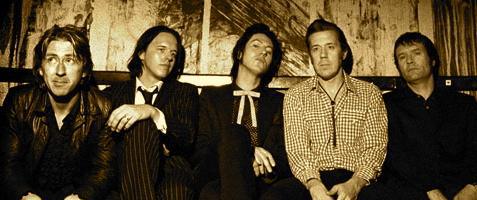
Karamea Radio Shows by DJ Raven Tuhua

*****Special Bonus West African Music Shows*****

Posted in 107.5 FM, Art, Karamea Radio, Karamea Radio 107.5 FM, LivinginPeace Project, Music, Radio, Radio Karamea, Radio Shows, Rongo, Uncategorized | Tagged , , , , , , , | Leave a comment

The Forgotten White Man in Historic Olympic Photo

The white man in that photo

Today marks the 9th anniversary of Peter Norman’s passing. We want to commemorate him by publishing this text written by Italian writer Riccardo Gazzaniga, who allowed us to share the story of the Australian sprinter on Griot.

Original text by Italian writer Riccardo Gazzaniga


Translation by Alexa Combs Dieffenbach

Sometimes photographs deceive. Take this one, for example. It represents John Carlos and Tommie Smith’s rebellious gesture the day they won medals for the 200 meters at the 1968 Summer Olympics in Mexico City, and it certainly deceived me for a long time.
I always saw the photo as a powerful image of two barefoot black men, with their heads bowed, their black-gloved fists in the air while the US National Anthem, “The Star-Spangled Banner,” played. It was a strong symbolic gesture – taking a stand for African American civil rights in a year of tragedies that included the death of Martin Luther King and Bobby Kennedy.

It’s a historic photo of two men of color. For this reason I never really paid attention to the other man, white, like me, motionless on the second step of the medal podium. I considered him a random presence, an extra in Carlos and Smith’s moment, or a kind of intruder. Actually, I even thought that that guy – who seemed to be just a simpering Englishman – represented, in his icy immobility, the will to resist the change that Smith and Carlos were invoking in their silent protest. But I was wrong.

Thanks to an old article by Gianni Mura, today I discovered the truth: that white man in the photo is, perhaps, the biggest hero of that night in 1968. His name was Peter Norman, he was an Australian who arrived in the 200 meters finals after having ran an amazing 20.22 in the semi finals. Only the two Americans, Tommie “The Jet” Smith and John Carlos had done better: 20.14 and 20.12, respectively.

It seemed as if the victory would be decided between the two Americans. Norman was an unknown sprinter, who seemed to just be having a good couple of heats. John Carlos, years later, said that he was asked what happened to the small white guy – standing at 5’6”tall, and running as fast as him and Smith, both taller than 6’2.”

The time for the finals arrives, and the outsider Peter Norman runs the race of a lifetime, improving on his time yet again. He finishes the race at 20.06, his best performance ever, an Australian record that still stands today, 47 years later.
But that record wasn’t enough, because Tommie Smith was really “The Jet,” and he responded to Norman’s Australian record with a world record. In short, it was a great race.

Yet that race will never be as memorable as what followed at the awards ceremony.

It didn’t take long after the race to realize that something big, unprecedented, was about to take place on the medal podium. Smith and Carlos decided they wanted to show the entire world what their fight for human rights looked like, and word spread among the athletes.
Norman was a white man from Australia, a country that had strict apartheid laws, almost as strict as South Africa. There was tension and protests in the streets of Australia following heavy restrictions on non-white immigration and discriminatory laws against aboriginal people, some of which consisted of forced adoptions of native children to white families.

The two Americans had asked Norman if he believed in human rights. Norman said he did. They asked him if he believed in God, and he, who had been in the Salvation Army, said he believed strongly in God. “We knew that what we were going to do was far greater than any athletic feat, and he said “I’ll stand with you” – remembers John Carlos – “I expected to see fear in Norman’s eyes, but instead we saw love.”

Smith and Carlos had decided to get up on the stadium wearing the Olympic Project for Human Rights badge, a movement of athletes in support of the battle for equality.
griot-magazine-olympic project for human rights badge-peter-norman-white -man-in-that-photo-black power salute2

They would receive their medals barefoot, representing the poverty facing people of color. They would wear the famous black gloves, a symbol of the Black Panthers’ cause. But before going up on the podium they realized they only had one pair of black gloves. “Take one each”, Norman suggested. Smith and Carlos took his advice.

But then Norman did something else. “I believe in what you believe. Do you have another one of those for me”? he asked, pointing to the Olympic Project for Human Rights badge on the others’ chests. “That way I can show my support for your cause.” Smith admitted to being astonished, ruminating: “Who is this white Australian guy? He won his silver medal, can’t he just take it and that be enough!”.

Smith responded that he didn’t, also because he would not be denied his badge. There happened to be a white American rower with them, Paul Hoffman, an activist with the Olympic Project for Human Rights. After hearing everything he thought “if a white Australian is going to ask me for an Olympic Project for Human Rights badge, then by God he would have one!” Hoffman didn’t hesitate: “I gave him the only one I had: mine”.

The three went out on the field and got up on the podium: the rest is history, preserved in the power of the photo. “I couldn’t see what was happening,” Norman recounts, “[but] I had known they had gone through with their plans when a voice in the crowd sang the American anthem but then faded to nothing. The stadium went quiet.”

The head of the American delegation vowed that these athletes would pay the price their entire lives for that gesture, a gesture he thought had nothing to do with the sport. Smith and Carlos were immediately suspended from the American Olympic team and expelled from the Olympic Village, while the rower Hoffman was accused of conspiracy.

Once home the two fastest men in the world faced heavy repercussions and death threats.

But time, in the end, proved that they had been right and they became champions in the fight for human rights. With their image restored they collaborated with the American team of Athletics, and a statue of them was erected at the San Jose State University. Peter Norman is absent from this statue. His absence from the podium step seems an epitaph of a hero that no one ever noticed. A forgotten athlete, deleted from history, even in Australia, his own country.
griot-magazine-peter-norman-white -man-in-that-photo-black power statue san jose-©reddit

Four years later at the 1972 Summer Olympics that took place in Munich, Germany, Norman wasn’t part of the Australian sprinters team, despite having run qualifying times for the 200 meters thirteen times and the 100 meters five times.

Norman left competitive athletics behind after this disappointment, continuing to run at the amatuer level.

Back in the change-resisting, whitewashed Australia he was treated like an outsider, his family outcast, and work impossible to find. For a time he worked as a gym teacher, continuing to struggle against inequalities as a trade unionist and occasionally working in a butcher shop. An injury caused Norman to contract gangrene which led to issues with depression and alcoholism.

As John Carlos said, “If we were getting beat up, Peter was facing an entire country and suffering alone.” For years Norman had only one chance to save himself: he was invited to condemn his co-athletes, John Carlos and Tommie Smith’s gesture in exchange for a pardon from the system that ostracized him.

A pardon that would have allowed him to find a stable job through the Australian Olympic Committee and be part of the organization of the 2000 Sydney Olympic Games. Norman never gave in and never condemned the choice of the two Americans.

He was the greatest Australian sprinter in history and the holder of the 200 meter record, yet he wasn’t even invited to the Olympics in Sydney. It was the American Olympic Committee, that once they learned of this news asked him to join their group and invited him to Olympic champion Michael Johnson’s birthday party, for whom Peter Norman was a role model and a hero.

Norman died suddenly from a heart attack in 2006, without his country ever having apologized for their treatment of him. At his funeral Tommie Smith and John Carlos, Norman’s friends since that moment in 1968, were his pallbearers, sending him off as a hero.
griot-magazine-peter-norman-funerals-white -man-in-that-photo-black power salute

“Peter was a lone soldier. He consciously chose to be a sacrificial lamb in the name of human rights. There’s no one more than him that Australia should honor, recognize and appreciate” John Carlos said.

“He paid the price with his choice,” explained Tommie Smith, “It wasn’t just a simple gesture to help us, it was HIS fight. He was a white man, a white Australian man among two men of color, standing up in the moment of victory, all in the name of the same thing”.

Only in 2012 did the Australian Parliament approve a motion to formally apologize to Peter Norman and rewrite him into history with this statement:

This House “recognises the extraordinary athletic achievements of the late Peter Norman, who won the silver medal in the 200 meters sprint running event at the 1968 Mexico City Olympics, in a time of 20.06 seconds, which still stands as the Australian record”.

“Acknowledges the bravery of Peter Norman in donning an Olympic Project for Human Rights badge on the podium, in solidarity with African-American athletes Tommie Smith and John Carlos, who gave the ‘black power’ salute”.

“Apologises to Peter Norman for the wrong done by Australia in failing to send him to the 1972 Munich Olympics, despite repeatedly qualifying; and belatedly recognises the powerful role that Peter Norman played in furthering racial equality”.

However, perhaps, the words that remind us best of Peter Norman are simply his own words when describing the reasons for his gesture, in the documentary film “Salute,” written, directed and produced by his nephew Matt.

“I couldn’t see why a black man couldn’t drink the same water from a water fountain, take the same bus or go to the same school as a white man.

There was a social injustice that I couldn’t do anything about from where I was, but I certainly hated it.

It has been said that sharing my silver medal with that incident on the victory dais detracted from my performance.

On the contrary.

I have to confess, I was rather proud to be part of it.”
griot-magazine-Tommie Smith-John Carlos-Peter Norman

When even today it seems the fight for human rights and equality is never-ending, and innocent lives are being taken, we have to remember the people that have already made self-sacrifices, like Peter Norman, and try to emulate their example. Equality and justice is not a single community’s fight, it’s everyone’s.

So this October, when I’ll be in San Jose, I am going to visit the Olympic Black Power statue on the San Jose State University campus, and that empty podium step will remind me of a forgotten, but truly courageous hero, Peter Norman.


Source: The white man in that photo

Posted in Australia, Historical, Nazis, Olympics, Politics, Racism, Social Commentary, Social Equity, Sport, United States | Tagged , , , , , , | Leave a comment