
Karamea. A community of 650 people in rural New Zealand. A small community with a big vision.

Imagine if every traveller and every business took responsibility for their carbon footprint. This is the vision of Paul Murray, founder of the Living In Peace Project in Karamea.
Paul was inspired by Douglas Tompkins, the founder of North Face and Esprit clothing businesses, who, on the sale of his companies for $120 million, purchased 900,000 ha of virgin forest in Chile to “preserve it from development.” Paul explains:
I wasn’t anywhere near as cashed up as Mr Tompkins, but loved the essence of what he was doing and his motivation for doing it. I had the opportunity to purchase a much smaller piece of forest and did so.
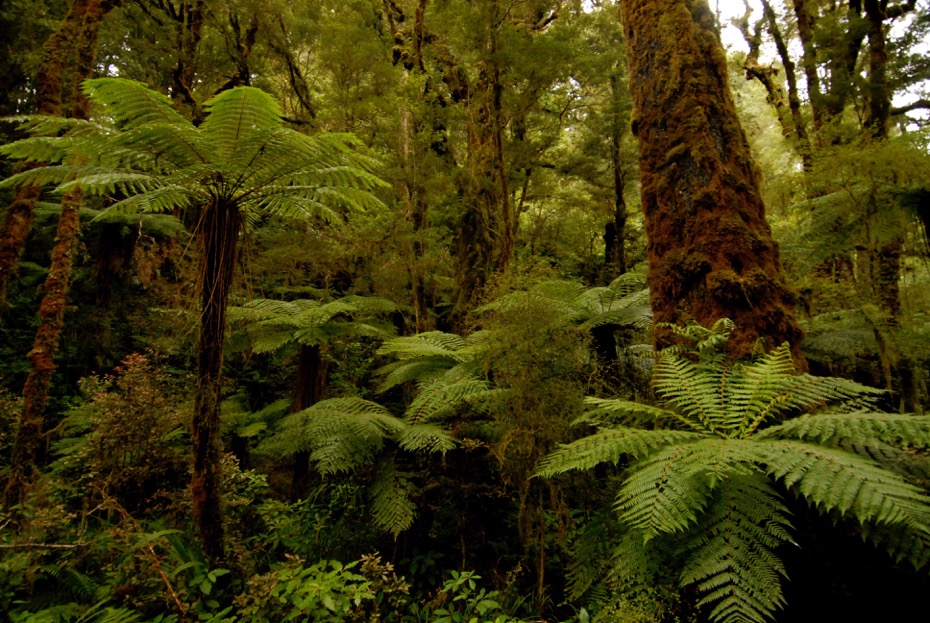
In 2001, Paul purchased and committed to maintaining a 80-acre (31 ha) forest bordering on the Kahurangi National Park. The Living in Peace Project is funded through his businesses including Rongo Backpackers & Gallery and Karamea Farm Baches. He wanted to capture carbon to mitigate the environmental impact of his businesses.
My accountant refers to the forest as a “non-performing asset,” but I don’t see it that way, it definitely performs a function and that is to enable us to take full environmental responsibility for the carbon cost of our business and that is important to me.
I want to be able to raise my hand and say that “I am an environmentally responsible business person” and that means I want to have a successful business, without damaging the environment in the process. I want to take full responsibility for every aspect of my business and always seek to minimise the environmental impact of my business activities.
Paul actively encourages people from all over the world to visit Karamea, which is possibly the most remote town on mainland New Zealand, which is also a country a long way from any other. There is a carbon cost for people to visit his business and he meets that by maintaining the forest, which absorbs CO2 and turns it into wood. There are also some incredible rata trees on the property that he estimates are over 1,200 years old.
To stand in the forest and be present is very inspiring for me. The forest provides everything it needs to grow and thrive and recycles all waste material in a way that sustains it. It requires no inputs other than freely available resources of water, sunshine and soil. It’s a perfect system and I believe the path to sustainable business is to strive to be like the forest…biomimicry.
Paul acknowledges that while tourism businesses have a responsibility to offset the impact of their businesses, travellers also need to do their part to minimise and offset their carbon footprint. He believes that although many people are becoming more aware about the carbon cost of their travel, others have not really considered it.

We take tour groups to the forest, go check out the big trees and discuss why we maintain the forest. The people who are already aware of the issue are very impressed with our efforts to address the carbon cost of travel on their behalf. Others, who are perhaps comprehending the information for the first time, go away thinking about the subject and perhaps in a small way, we are influencing their thinking on the subject of sustainable travel.

We asked Paul to share some Dos and Don’ts for GOOD travellers considering a trip to New Zealand. Here they are.
Do:
- Stay longer and slow down…It’s impossible to see and do everything, so take the time to have a quality experience everywhere you go. Seek quality experiences over quantity of experiences.
- Be a traveller instead of a tourist. Take the time to experience different cultures, fashions, foods, architectural and art styles, languages, traditions etc
- Eat locally, be a locavore as it significantly reduces the carbon cost of your travel and supports local producers and businesses who are striving to be efficient and environmentally responsible.
- Car pool – the more people in a car the better and it is a cheaper and more efficient way to travel.
- Seek out of the way places and explore lesser travelled roads…
- Take time to get involved everywhere you go…Volunteer, socialise, meet people and have good conversations…learn and grow.
- Share what you have with others.
- Take LOTS of photos.
Don’t:
- Try and see an entire country in two weeks.
- Be a tourist! Tourism is an expensive (financially and environmentally) form of entertainment without inherent value. Slow down, observe and get involved in the places you visit.
See More:
Living in Peace Project
Location:
Karamea, New Zealand

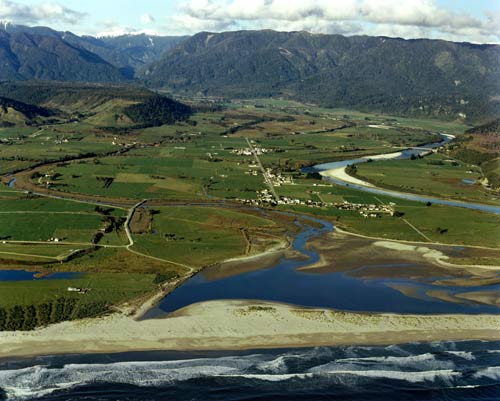
The Living in Peace Project is based in Karamea at the top of the West Coast of the South Island of New Zealand. Karamea is enveloped by the Kahurangi National Park on three sides and sealed in by the Tasman Sea. It is a region of great scenic beauty and ecological significance.
The Living in Peace project combines elements of art, travel, permaculture and education to create an environmentally, socially and economically sustainable business. Rongo Backpackers & Gallery and Karamea Farm Baches form the financial base of the project and support the development of the project by providing income to fund expansion. The eco-tourism businesses incorporate art, permaculture (permanent organic agriculture), and volunteerism, into their management structures and strive to be energy efficient, progressive thinking, professional and profitable.
The project is involved in so many GOOD initiatives! We have highlighted a few below but we also recommend visiting their website for more information and inspiration!
- Solar Hot Water: Rongo Backpackers & Gallery has not used any electricity to heat water since 2005. The water is heated with a solar system and augmented with a wood-burning water heater and a wetback system on the living room fireplace. This is a significant cost saving in terms of economics and the environment. Karamea Farm Baches also have solar pre-heaters installed to defray the cost of heating the water with electricity and solar systems will be installed to heat the water at the baches in future.
- Carbon Sink: A 31-hectare (80-acre) regenerating bush property provides a carbon offset for the emissions associated with the business. To encourage people to fly to New Zealand from Europe, Asia and America and other parts of the world incurs a carbon cost that they want to take responsibility for. To counter this, they keep the bush block as a carbon sink to absorb the carbon we produce in the service of our business. The property doubles as an attraction and they plan to build a simple camp ground there to enable people to enjoy the property and have an experience that is not possible in many parts of the world
- Permaculture Farm: The project aims to be self-sufficient in the production of food––fruit, vegetables, meat and firewood––in addition, they provide locally grown organic meals to our guestomers. They operate on a “no waste” model, with simple, organic, healthy meals locally produced from seasonal fruit, vegetables, venison, beef, lamb, pork, chicken, fish and other seafood etc
Article By:

Eliza Raymond

http://good-travel.org/blog/sustainable-rural-tourism-new-zealand


 Karamea has been granted a partnership with the Department of Internal Affairs (DIA) for five years through its Community-Led Development Programme (CLDP), which will offer financial, logistical and professional support for community projects. There are five communities across New Zealand to have this chance to improve their lot and Karamea is the only community on the South Island to have been selected.
 KCI is a group of local people passionate about improving our community for the people living here. We need your help, Buller REAP in conjunction with KCI have arranged for a community forum called “Love (Y)Our Place.” Megan Courtney, a facilitator from “Inspiring Communities” is coming to Karamea on August 12, 2017, to enable all the members of our community to have a voice and share their thoughts on how we might take full advantage of the opportunity the CLDP offers. We need your help by coming to the forum and contributing to the future of our region by sharing your thoughts and ideas.
















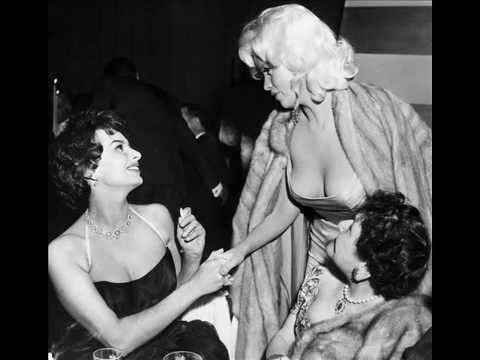






















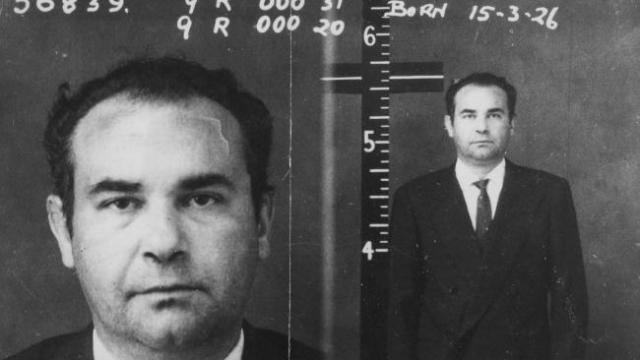
 Aparecida Schunck (left) and daughter Fabiana Flosi (current wife of Bernie Ecclestone of Formula 1 Fame)
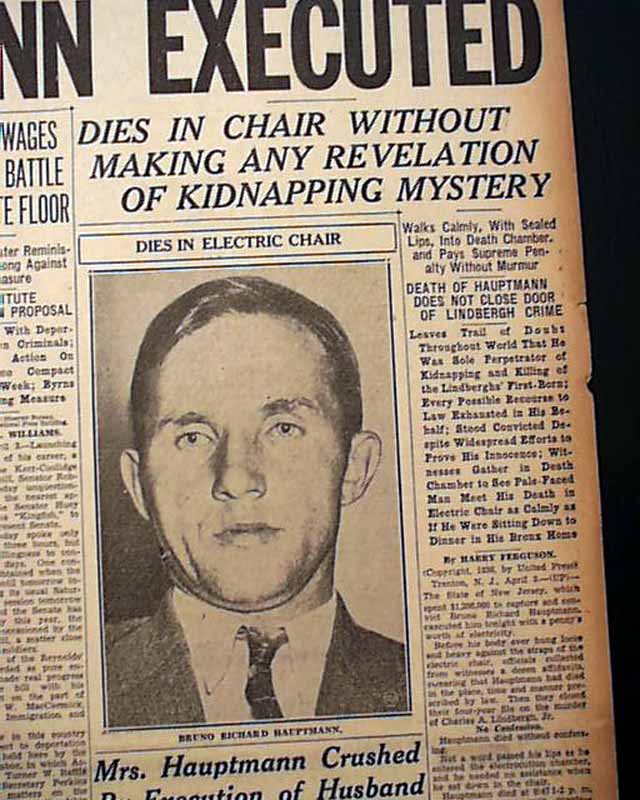
 Charles Lindburgh Jr. BIPS/Getty Images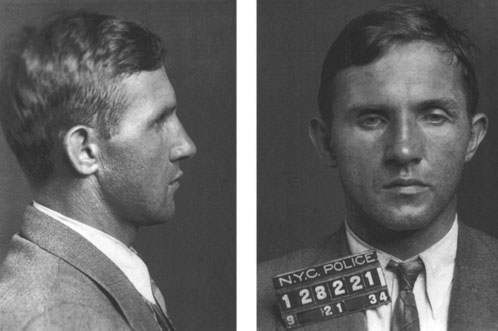

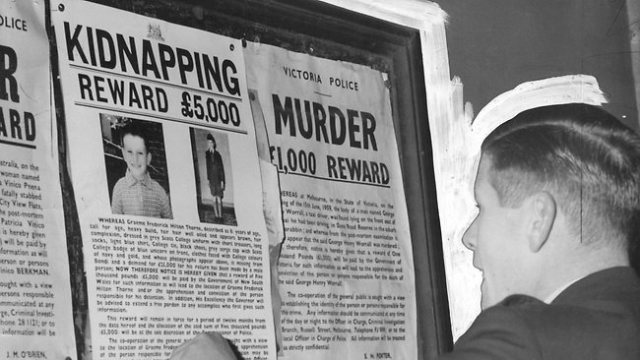

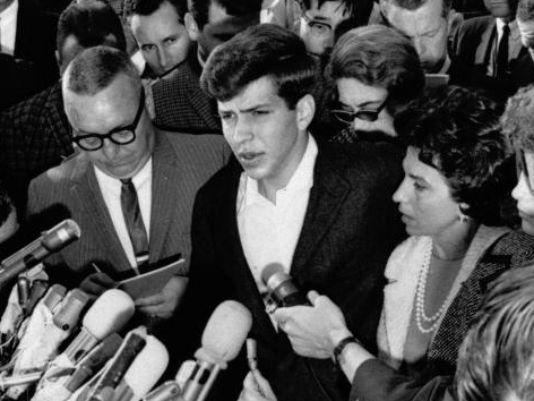


 John Paul Getty III Graham Morris/Evening Standard/Getty Images


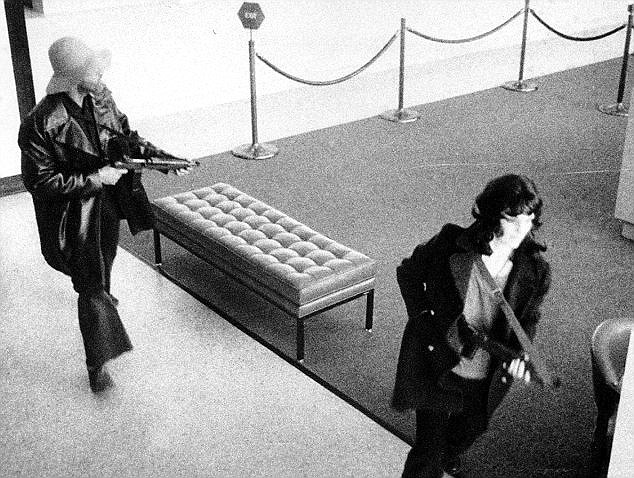 Donald DeFreeze and Patty Hearst leaving the Hibernia Bank in San Francisco April 15, 1974
 Symbionese Liberation Army then

 Symbionese Liberation Army now…
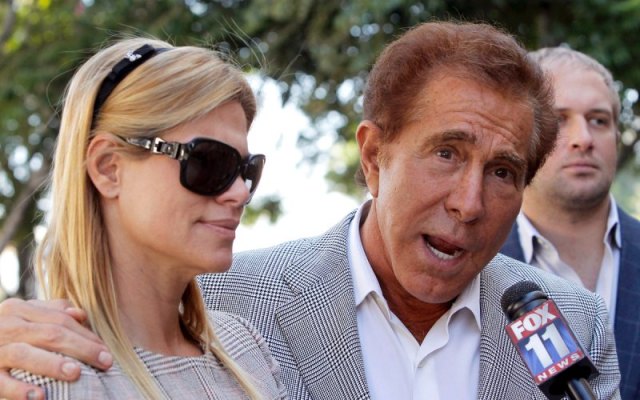 Kevyn Wynn (Left) with her father, Las Vagas Casino mogul Steve Wynn

Karamea Community Hui Draws BIG Crowd
Off the Top of My Head
By Paul Murray
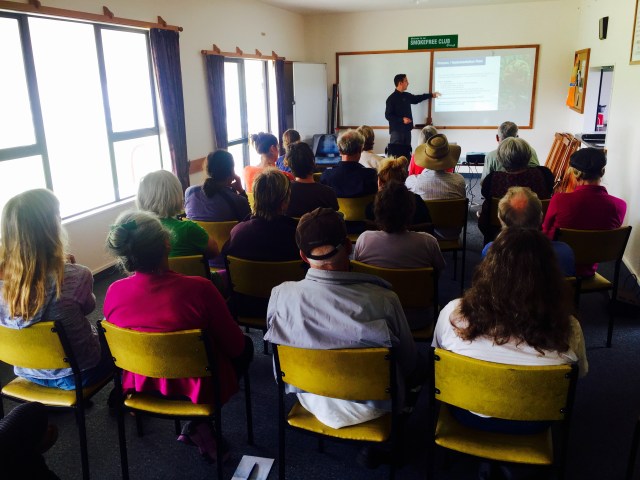
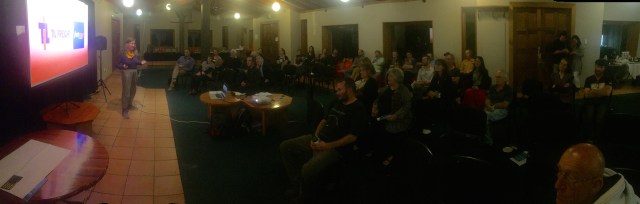
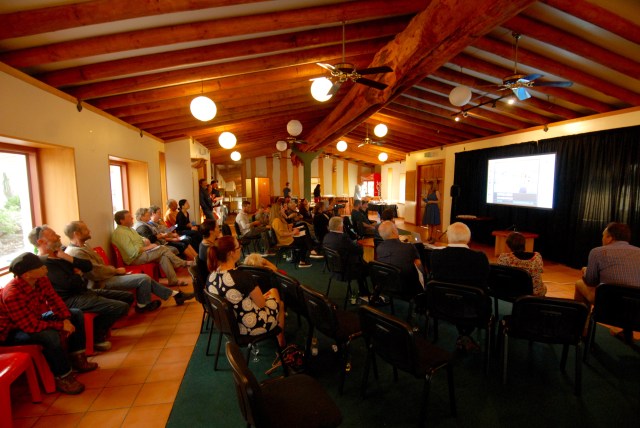
Seventy-five positive people from all walks of Karamea and Little Wanganui life spent a sunny Saturday afternoon at the Last Resort on August 12 learning more about the Community-Led Development Programme (CLDP) and our partnership with the Department of Internal Affairs (DIA).
Many others registered apologies, calving prevented many farmers from being able to attend and submissions were received from former Karamean Owen Jennings, who now resides in Auckland and the Guppy Family from somewhere in S.E. Asia.
Karamea has been granted a 5-year partnership with the DIA through its CLDP. The department will offer advice as well as financial, logistical and professional support for community projects in our region. There are five communities across New Zealand to have this chance to improve their lot and Karamea is currently the only one on the South Island to have been selected.
Buller Community Coordinator Pete Howard from Buller REAP welcomed people to the hui and introduced Megan Courtney from Inspiring Communities Nelson, who got the momentum flowing, kept time and encouraged everyone to engage and participate. Dyan Hansen from the DIA Greymouth office also attended to explain the CLDP and her role in liaising between the DIA and the Karamea community.
Clive Hellyar from Karamea Community Incorporated (KCI) spoke about the rapidly changing world in which we live and the need to factor into plans ways to mitigate the likely effects of climate change and to be flexible, innovative and adaptive as we charter a course into the future. He then spoke about the CLDP and outlined the possibilities for the community as well as explaining the role of KCI in the process.
The KCI committee successfully applied for the partnership agreement and is the community group recognised by the DIA to facilitate the partnership, communicating with the government department, receiving and distributing funds, meeting all compliance requirements and enabling the programme to flourish.
Presentations from successful community organisations followed and speakers from the Karamea Estuary Enhancement Project (Barry Chalmers), Little Wanganui Hall and Beach Day (Kirsty Barkman), Karamea Winter School (Raramai Adcock and Kathy Ramsay) and the Oparara Wilderness Trail Run (Lynda Pope), celebrated their achievements by sharing stories about their respective organisations to provide attendees with good examples of community-led projects and to inspire our imaginations on what is possible if we work together as a community.
After the formalities were completed and the programme explained, Ms Courtney asked the gathering to acknowledge that they supported the concept and considered it beneficial to our community. The response was enthusiastic and unanimous. People then formed groups and worked together to brainstorm ideas and discuss how they might best take advantage of the opportunity before them.
Participants were asked to fill out a short questionnaire and share their ideas for a better community…The idea cards were then stuck to the wall under the headings of; Infrastructure, Environment, Economy & Income, Education & Learning and Social, Cultural & Community. Participants were each given three coloured stickers, asked to read the ideas and then to stick a dot on the ideas they liked best. Table groups then discussed the ideas that received the most support and each group then gave a brief verbal report back to the hui about the idea they had debated.
The ideas included:
The idea cards will be displayed in the front window of the proposed Karamea Café building opposite the Karamea 4 Square supermarket along with other information about the hui and about the CLDP and our community association with the DIA.
In recent years, our community has been threatened with the closure of our police station and by Cyclone Ita…We banded together and rose up to fight for the survival or our police presence and to help each other tidy up after the storm. These are good examples of reactive community cooperation.
The achievements of the Oparara Valley Trust and the recent Karamea Autumn Harvest Festival, which was organised by Sacha Healey, Brendan O’Dwyer and a team of community volunteers, provide great examples or the power of proactive community cooperation. Through the CLDP and with the support of the DIA, our community has the chance to proactively work together to improve our lot and make life in our special place even more wonderful.
KCI Chair Peter Moynihan thanked everyone for attending and contributing to the future of Karamea. In closing, he summarised the day and the community well and laid us down a gauntlet challenge in his closing words by saying, “The Karamea community is great at working together to overcome adversity…Our energy, empathy and spirit of cooperation come to the fore when things go very wrong…Well, here is something that has gone very right, and it is a real opportunity for our community to shine.”
The hui was funded by Buller REAP, Chef Vinnie Dunford catered for the event with a tasty array of fine cuisine and Shelley Neame and Kylie Martin looked after kids at the Karamea Kindergarten to enable parents to attend the meeting.
(Paul Murray is the current secretary of KCI)
Rate this: