
Jack Black Attack

Rainbow Clone Kim

Poster-Boy Kim

DJ Kim

Comedian Kim

Pokemon Rocket Monster Kim
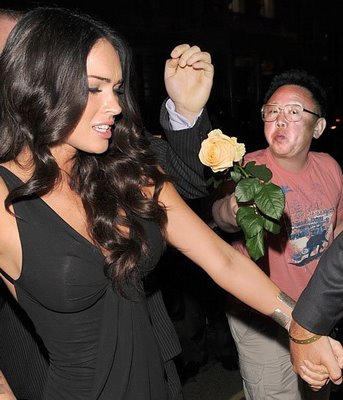
Photo-Crasher Kim

Great Leader Groupies

Great Pimper Kim

World Cup Soccer Team Coach Kim

Team America Evil Dictator Kim

Chilling at Home Kim

Guiding Star of the 21st Century, Brilliant Leader, Commander-in-Chief, Guiding Sun Ray, Highest Incarnation of the Revolutionary Comradely Love, Party Center, Ever-Victorious, Iron-Willed Commander, and Dear Leader, who is a perfect incarnation of the appearance that a leader should have Kim
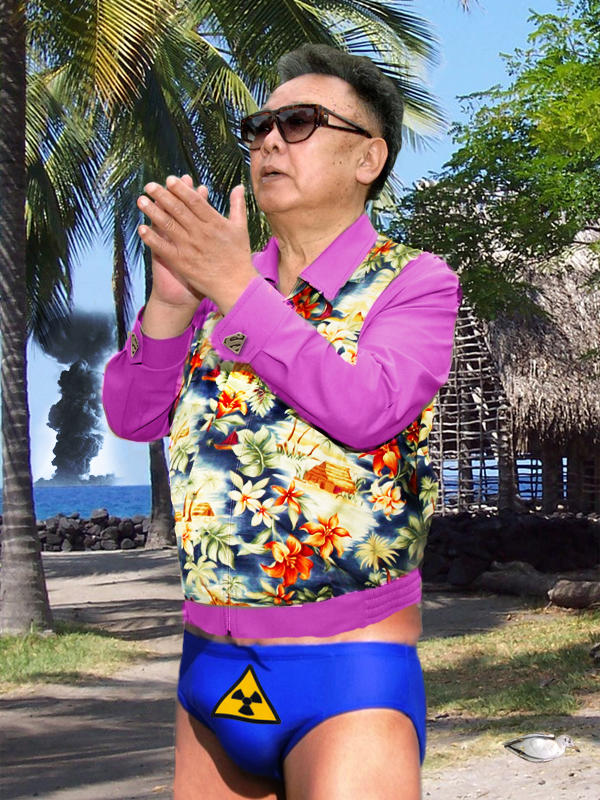
Hawaiian Holiday Kim

Bomb-Thought Kim

Dr Strange Love Kim

Gun-Crazed Loner Kim (Armed and VERY Dangerous!)

RapTzar Kim

Leprechaun Kim
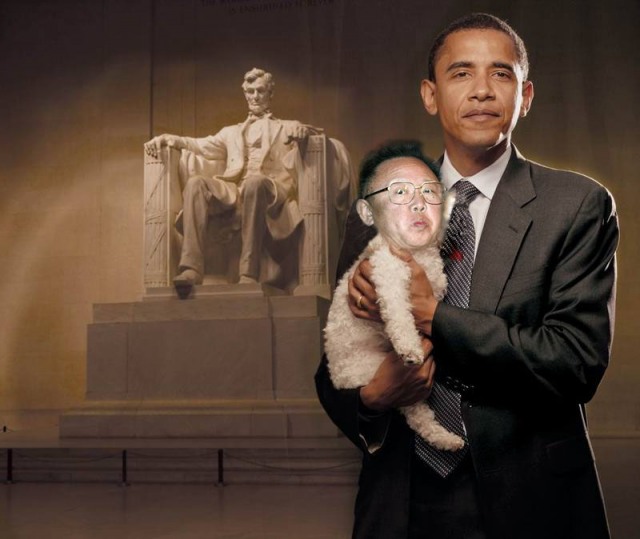
Ventriloquist Kim

Kim Jong Elvis

Aerobics Instructor Kim
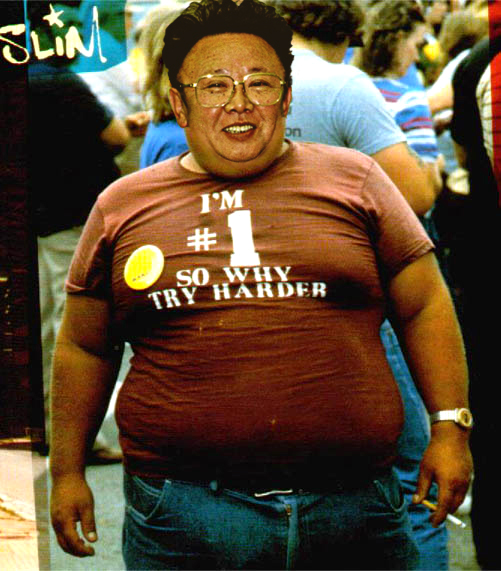
Fat Boy Slim Kim

Kim Jong Angel

Great Leader and Friends

Kim Jong Pimp

Kim Kicks Bucket

Pyongyang Planking Kim

Weather Man Kim

DJ Great Leader Dropping at Club Jong Il

LiL Kim Jong IL


Kim Jive Il

Great Dead Leader: Nation Mourns Kim Jong Il in Blizzard
Office Manager: Red Scarlett

Red Scarlett
Senior Complaints Officer: Pierre Moustache

Pierre Moustache
Office Secretary: Peach Melba

Peach Melba
Bad Debts Collection: Chopper!

Chopper!
Karamea Ministry of Red Tape Office – Market Cross 9 a.m. Friday morning!

Yuppette Jafa
Yuppette Jafa: ….I..ve … just… run … all the way from Karamea Airport and I wish to make a complaint!
Pierre Moustache: Yo kia ora ! An Official Complaint sis?
Yuppette Jafa: Offal???
Pierre Moustache: Official!!!
Yuppette Jafa: Fish oil???
Pierre Moustache: Official??
Yuppette Jafa: Oh!! Yes!! I wanted to powder my nose and there was nowhere at the airport!
Boo hoo!!
Pierre: Yeah sis! You can powder ya nose out there in our Official El Frisco Boodwa!!
Ten bucks cash eh!!!
Yuppette Jafa: Wow…that is a rather vicious looking Doberman out there!

Chopper!
Pierre: That’s Chopper our Office Enforcer. Don’t worry cuzette he only chews on
Aucklanders eh! Real fussy eater!!
Yuppette Jafa: Oh…but I am an Aucklander!
Pierre Moustache: Right lady! Raise your right hand and repeat after me! “I solemnly swear to uphold the organic values of the Kingdom of Rongolia and agree as a newly ordained citizen of such republic to abide by its Orwellian laws and rather strange customs!!
Yuppette Jafa: Blah blah blah!!
Pierre Moustahce: Choice!!! You are now an official citizen of Rongolia and safe from the jaws of Chopper! BYE!
Yuppette Jafa: Bye???
Pierre: Um… ah… by..by … the .. way.. that is a..ah…rather tasty dress you are wearing today madmoselle!
Yuppette Jafa: Merci monsieur!!
Chopper: Grrrrrrrrrrrrr!!!! (Chomp… chomp…)
Yuppette: aaaaaaaaaaaaaghhhhhhhh!!!!!!!!!!……..
Red Scarlett: Chopper is rather hungry today!! Who was that!!
Pierre: Yo Bro…an anorexic Jaffette with bad breath!!!
Red Scarlett: Yowser!!! Look at Chopper! He’s starting to foam at the mouth!!!
Pierre: Hey man, that tart from Jafaville must have had rabies eh!!
Red Scarlett: Quick call the vet!
Pierre Moustache: No point cuz! Chopper ate him yesterday while I was taking him for
walkies!!
Red Scarlett: Wait I’ll look in the office manual to see what we should do! Here we go
Karamea Ministry of Red Tape incident 24/2. “Office Mutt contracts an affliction of the Rhaboviridae family of viruses after consuming Jafa guacamole!”
Pierre: ..and???
Red Scarlett: Quote “ Pierre must immediately stick his left hand down Choppers throat and make him regurgitate offending snackette!! Unquote!
Pierre: Bull dust man… you just wrote that down in the manual just now Bro!
Red Scarlett: Are you questioning my integrity and authority??
Pierre Moustache: Whoa…. am I allowed to?
Red Scarlett: Karamea Ministry of Red Tape Staff Direction 5!! “Junior staff must
never and I repeat never question my integrity or authority or your share of office
bribes and free booze will be forfeited to the Saint Scarlett Benevolent Fund!!”
Pierre Moustcahe: Yeah! Stink man! Here Chopper! Good boy….
Chopper: Grrrrrrrrrrrrrrrr!!! R…A…L….P….H !!!
Pierre Moustache: Yow!!! Aaaagghhhh…..
Red Scarlett: Pierre! Really!! Pull yourself together man!
Beep beep!

Peach Melba
Peach Melba: Yes Boss!!
Red Scarlett: Yes! A cup of tea and two sugars please!
Pierre: Gurgle!!!! aaaaghhh!!!!…..
Red Scarlett: Ah.. yes and a doggie bag for Chopper!!
Peach Melba: Chocolate biscuits???
Red Scarlett: Certainly not!! Chopper ‘s on a strict protein diet!
Baron Von RichToffee: Ya!! Excuse me. I am here to pick up ze Yuppette! I have to fly my Fokker back to Auckland in about 20 minutes!!
Red Scarlett: I beg your pudding!! No cussing is allowed on Karamea Ministry of Red Tape premises!!
Baron Von Rich Toffee: Fokker Tri Plane!!

Baron Von Rich Toffee:
Red Scarlett: Mile high ménage à trois! Outrageous!!!
Baron Von Rich Toffee: Vere is ze Yuppette fraulein???
Red Scarlett: Sit down old boy!! Bad news I’m afraid!!
Baron Von Rich Toffee: Vot is wrong??
Red Scarlett: You are a foreign national trespassing without customs clearance on Official Karamea of Ministry of Red Tape property! You are under arrest. Chopper here will guard you while I have morning tea!
Chopper!: Grrrrrrrrrrrrrrrrrrrrrrrrrrrrrrrrrr!!!!!!!!!
Baron Von Rich Toffee: Nein!! Schwein Hundt!!!!!
Chopper!: S…l….u….r…p !!! W……O…….L……….F!!!!!!!!!!!!
Red Scarlett: Chopper!!!! How rude! Do you ever say grace????
Chopper!: Burp!!!


Hopping Hitler

Ladies Man Führer

DJ Hitler

Rockin’ Hitler

Disco Hitler

Hitler with his Bird

Dancing Hitler

Headache Hitler

Barber Shop Hitler

Yo Yo Hitler

Jiving Hitler

MacHitler

Baby Hitler

Windmill Hitler

Hungry Hitler

Sumo Hitler

Happy Hitler
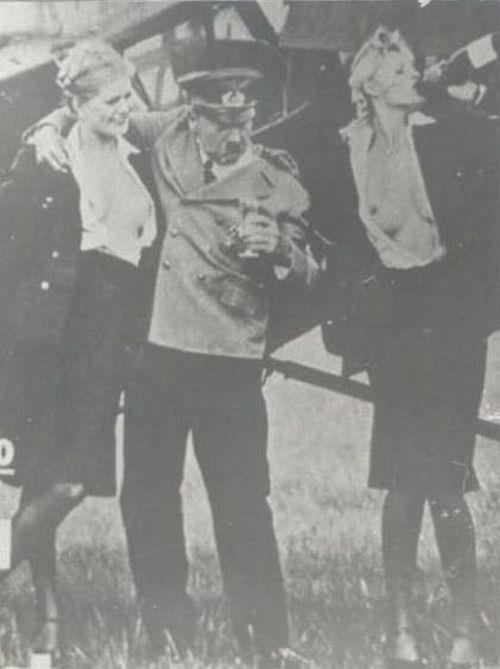
Pissed Hitler with a Couple of Liberal Aryan Friends

Junken Hitler

Cartman Hitler

Playboy Führer
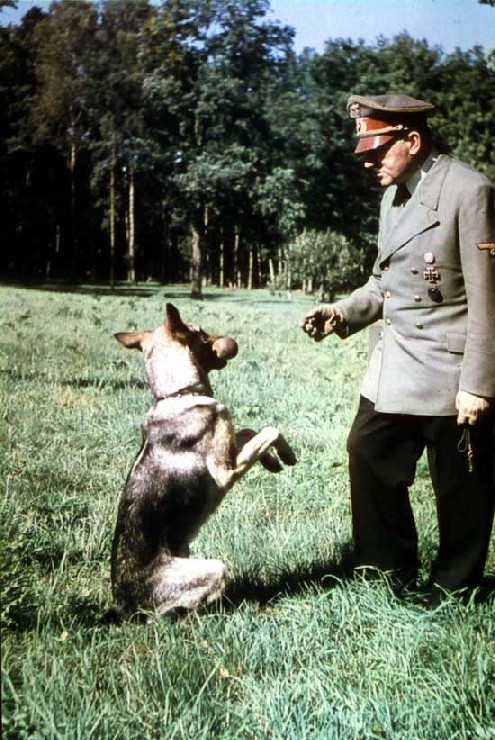
Dog Whisperer Hitler
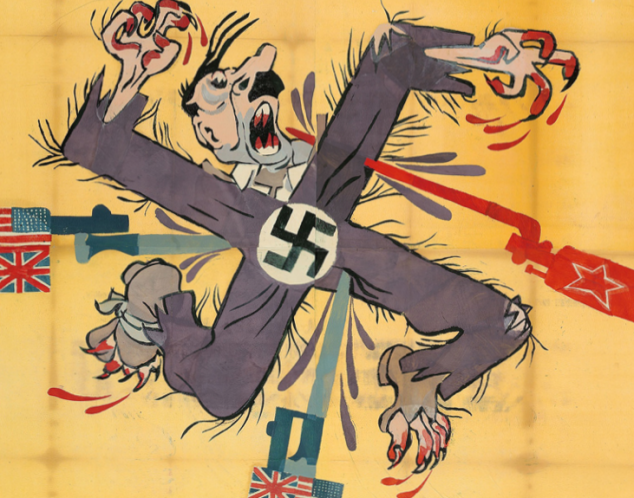
Swastika Hitler

GAP Model Führer
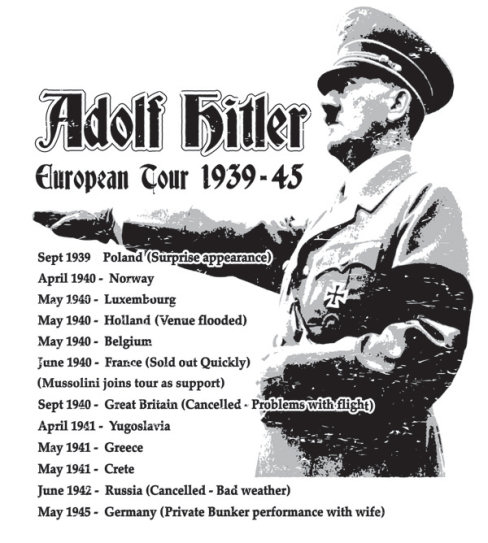
Hitler’s European Tour Dates

Hitler the Diplomat

Movember Hitler
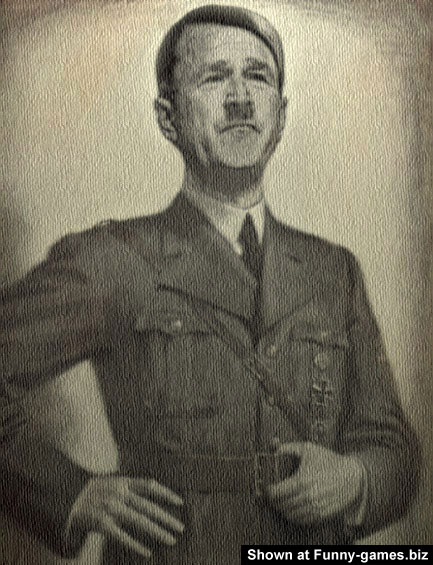
George Hitler
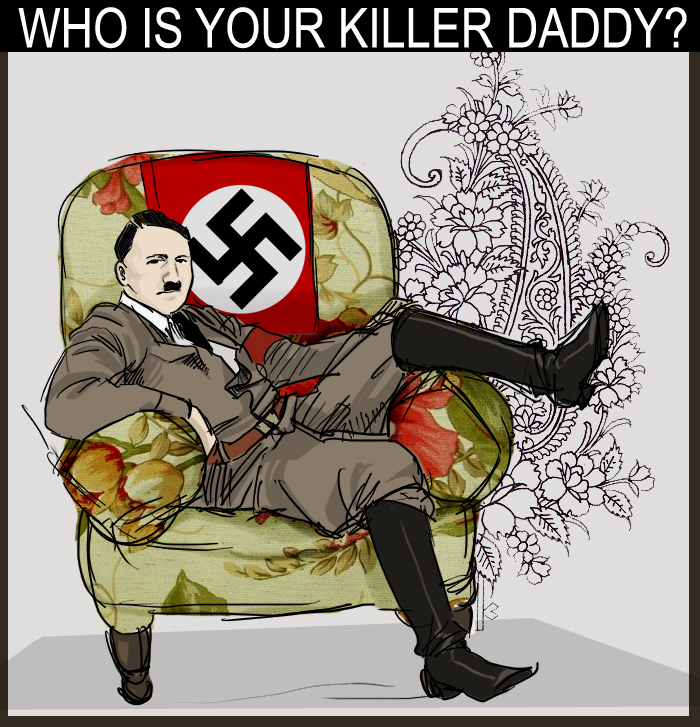
Who’s Your Führer?

Caricature Hitler



Hippie Bedtime Hitler
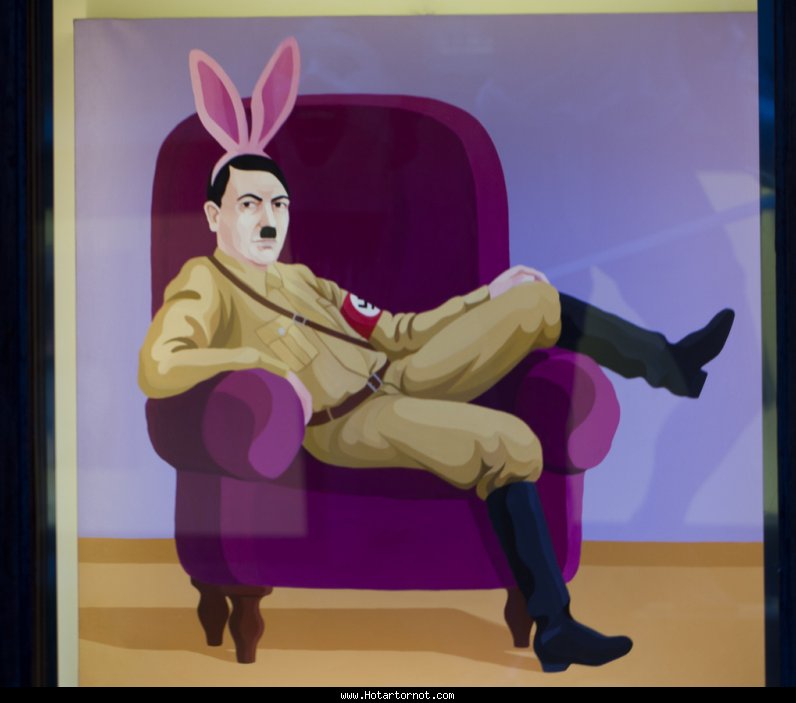
Hef Hitler

Electric Hitler

Pikachu Hitler

Matador Hitler


Just Plain Wrong Hitler

Groucho Hitler

RapStar Hitler

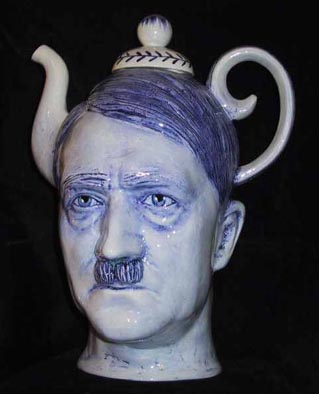
I’m a Little Teapot Hitler

Anne Frank Führer

WTF Hitler?

Finger Führer

Nazi Sluts Hitler
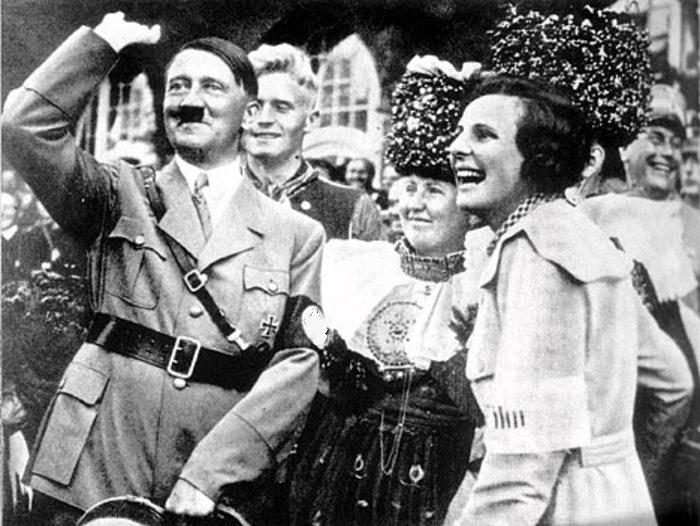
Happy Hitler
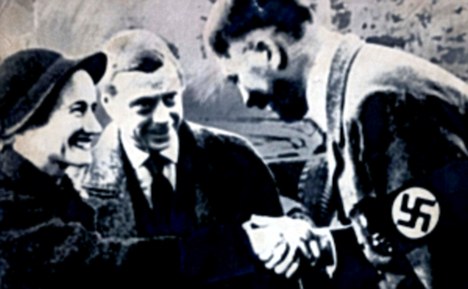
Aristocratic Hitler

Adolf Kitler
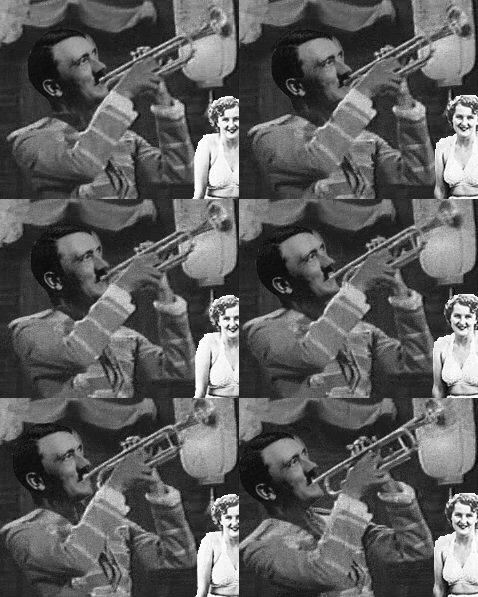
Jazz Hitler
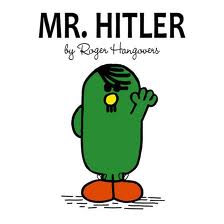
Mr Man Hitler
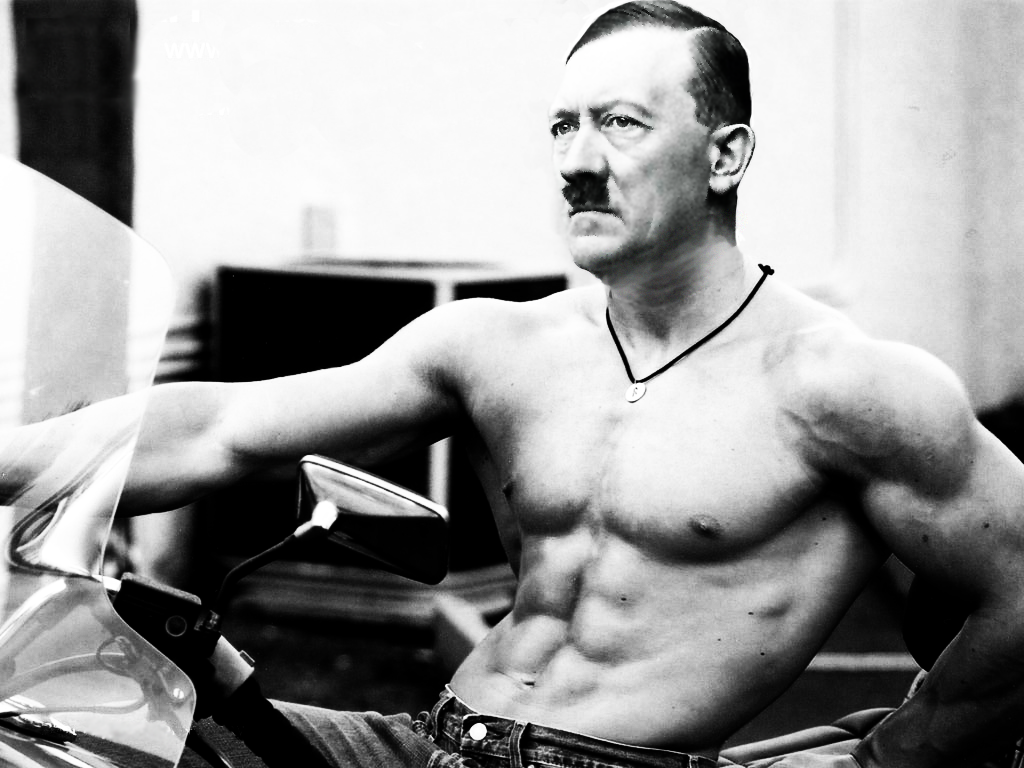
Putin Hitler
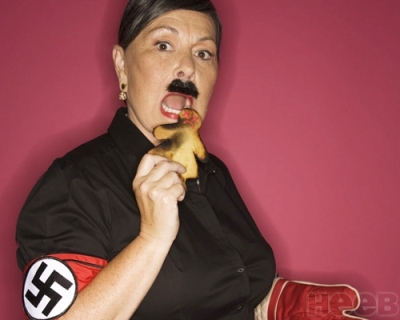
Drag Hitler

Art-Critic Adolf


Fun-Time Fuhrer

Article by By Kathleen Anderson Freelance Writer
Paul Murray is a self-realized artist. He has invested his whole life and soul in his current work: The LivinginPeace Project, which aims to combine the elements of; art, travel, education and permaculture into an environmentally, socially and economically sustainable business.
Most people may identify Paul as the amiable man behind the reception desk at Rongo Backpackers & Gallery, or the handyman around the Karamea Farm Baches. However, when delving deeper to discover the intricate web of inter-relationships that embody the LivinginPeace Project, one realizes Paul is not any ordinary artist. He is an artist who believes life is his canvas. The project thrives on exactly this idea, that we are all artists, interdependent on one another and Earth, and our lives are our current works of art.
Paul grew up on Kangaroo Island in Australia where he says, “whether real or perceived, there were certain expectations of who

I was as a person.” Feeling pigeonholed and unsure of his own identity, Paul moved to Tokyo where he was thrown into a foreign culture and a whirl of thirty-three million people he didn’t know. Ten years living in Tokyo and travelling the world created Paul’s mantra on travel: “international travel is the best means of self-education.” Travelling allows one to actively gain valuable experience, while tourism is an entirely different endeavour where one only pursues places to check them off the list, not to form new relationships with others and yourself. At Rongo, guestomers (guests+customers) and woofers (Willing Workers on Organic Farms) find a space asking you to indulge in your own self-education in any manner you can imagine. Rongo is exploding with self-expression from individuals who have come from all over the world to experience the place. The positive messages on the Visitor’s Wall, the colors of the building, and the infinitely different styles of art on the walls illustrate the open and creative aura surrounding Rongo.
While Rongo’s free-spirited existence exudes an attitude pivotal to the understanding of the LivinginPeace Project, this is only one facet of the project. In fact, the reason this art project is the most unique to Paul’s portfolio is because it has no end. Paul

has always found himself incredibly motivated to make change, but once that larger change takes place, the goal has been achieved, and movement begins to plane, he loses interest. With the LivinginPeace Project, “there is always movement forward. It has no end.”
The project began six and a half years ago when Paul bought property in Karamea and wanted to create a place where artists could live and create, free from the shackles of societies expectations. In this pursuit, he discovered there must be concurrent focuses because, for example, the artists must eat. They must have water to shower and do laundry. “We also need to recognize we are part of something else,” Paul says. The LivinginPeace Project thrives because it recognizes and embraces that we are all part of something bigger. It creates a model ecosystem in which the Earth and its inhabitants rely upon one another and give back to one another, a simple equation which has been lost, forgotten, or complicated beyond understanding in places around the world.

“We learn by teaching others,” Paul states. Self-sufficiency is overlooked in the world today and, on a very basic level, the project also strives to teach people how to live sustainably. Rongo is set up to teach people how to live sustainably and people are trusted to pursue this type of lifestyle. The hostel is run by volunteers, and Paul believes this is an essential piece to Rongo’s success. Woofers are not told exactly, for example, how to clean the rooms after guestomers leave or given an in-depth guide to checking guestomers in. Instead, they teach one another as new woofers arrive and depart, passing on what they learned to the next Rongolians. “Responsibility and trust makes you work bloody hard,” says Paul.
Rongolians, the name given to the inhabitants of Rongo, are encouraged to speak first, think for themselves, and take
action. If you see a wall, paint it. If there’s a garden bed in need, tend to it. If the vacuum bag is full, empty it. Not only does work get accomplished, but it is accomplished with unique flavor and flare. A goal is set but how you go about achieving that goal is up to you. “It is not necessary to tell an intelligent young individual how to mop the floor. We try to let people find their own way,” says Paul. “They usually find a way far better than mine.”
Although The LivinginPeace Project has surmounted numerous seemingly unconquerable obstacles, it will always be a work in progress. It strives to be self-sufficient one day but it is far from achieving that today. Paul has purchased eighty acres of land around Karamea to offset the carbon emissions of travellers. A permaculture farm is taking rapid shape. The LivinginPeace Project will forever encounter new obstacles and Paul admits there are discouraging moments, but when these arise, he comes back to the Visitor’s Wall, which is covered in messages and drawings telling the stories of pastexperiences of volunteers and guests at Rongo.

Hundreds of inspired words slink along the walls as a positive reminder of the impact of the project. Paul hopes, if anything, that “people walk away a bit taller.” And past woofers and guestomers have made it clear that they experience tremendous personal growth. One individual, who arrived last year and ended up staying for six months, recently wrote Paul saying, “Last year [while staying at Rongo] was one of the single most enjoyable times of my life.”

CSI Barbie

Gravid Barbie

Disgorging Barbie

Calendar Barbie

Cranking Barbie

Survivor Barbie

Spanking Barbie

Bulimic CowGirl Barbie

Death Row Barbie

Strip Search Barbie

Trailer Trash Barbie

ShowGirl Barbie

Indolent Barbie

Office Party Barbie

Gooooooo BaaaarBie!!

Compromised Barbie

Madame Barbie
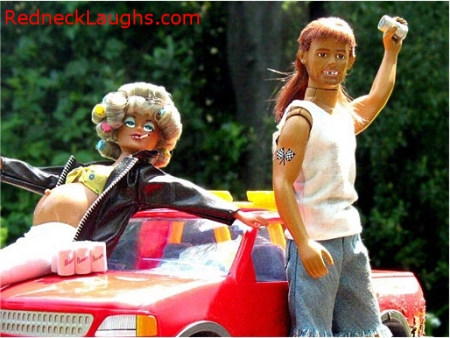
RedNeck Barbie and HillBilly Ken

Mistress Barbie

Over It Barbie

Bunny Barbie
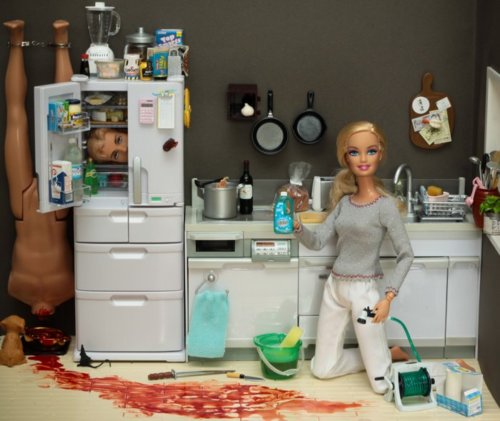
Exterminator Barbie

Burger-Flipping Barbie
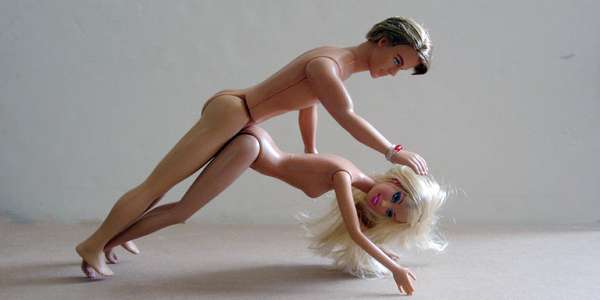
Karma Sutra Barbie

Serial Killer Barbie
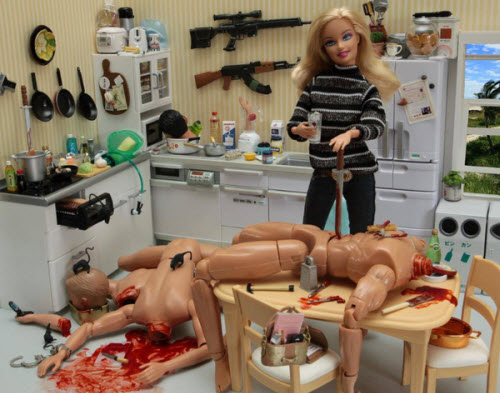
Serial Killer Barbie II

Scatologist Barbie

GangLand BarbieCrack Ho Barbie

In Serious Strife Barbie

Augmented Barbie

Barbie & Louise

BoHo Barbie

Dominatrix Barbie

Life-Size Anatomically Correct Barbie