Off the Top of My Head
By Paul Murray
In the Spring of 2006, German traveller Lena Fischbach happened across a remote Marlborough Sounds lodge, met Kiwi journeyman Mike MacMillan and ended up with two kids living in Karamea at the top of the West Coast of the South Island of New Zealand.
Together, they have made a life for themselves and their young family by establishing two businesses; Nature aHead Hairdressing is Lena’s contribution to the family coffers and Mike set up Baker’s Creek Automotive, a successful company that provides mechanical repair services to people living in the Karamea region. The workshop is Warrant of Fitness (WOF) accredited, and this is an essential service for Karamea people to keep their vehicles roadworthy and compliant. It also provides a steady year-round cash flow for the business.
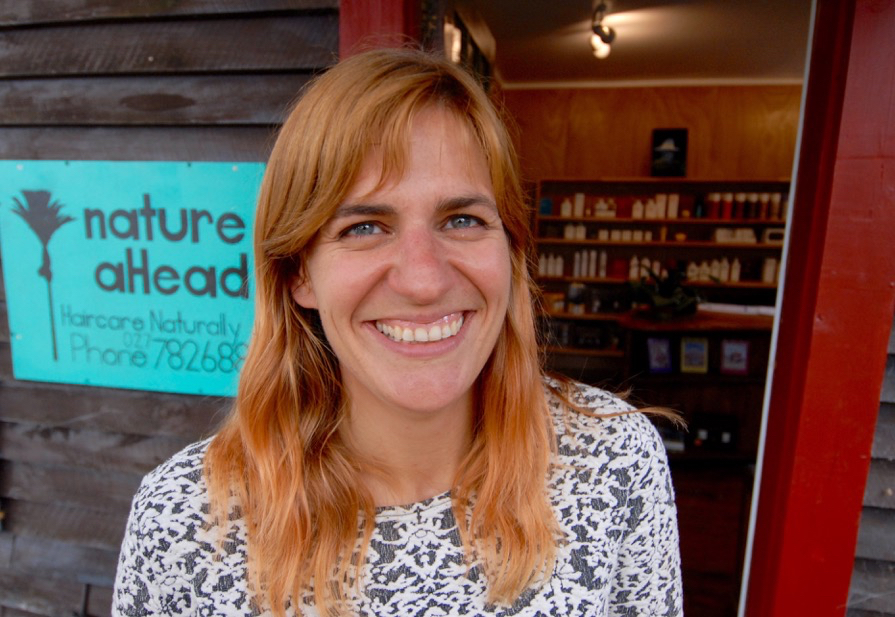
Lena Fischbach at Nature aHead at The Cross in Karamea

Hairstylist Lena trained with Vidal Sassoon in Germany and keeps the ladies of Karamea in the latest style and the men looking tidy, while Mike ensures their vehicles, tractors, farm equipment and are all warranted and well maintained. He also provides a light engineering service that is of great benefit for the local community, who would otherwise have to travel out of the district for such work.
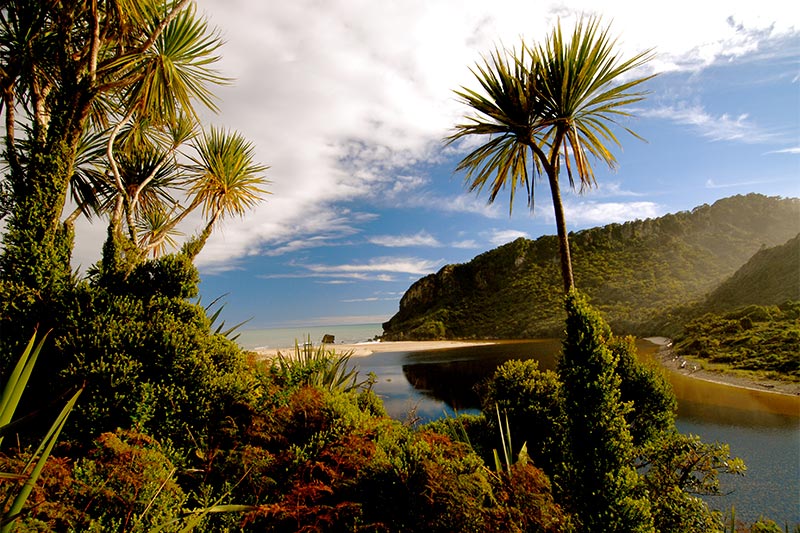
Kohaihai River mouth at the entrance to the Heaphy Track, Karamea.
Together they set up a dream lifestyle that allowed them to live in a place they consider to be “paradise” and earn a good living to provide for their family. They enjoy the peace and quiet, the fresh air, the birdsong, the clean rivers, the forests and beaches, the many scenic attractions like the Oparara Basin and Heaphy Track in the Karamea region, which is western the gateway to the Kahurangi National Park. Mike loves fishing and Lena is always on the tennis court, mountain biking or hiking on the Heaphy Track or surfing at Little Wanganui.
Their kids Trevor (8) and Tilly (7) attend Karamea Area School and are actively involved in extracurricular activities like kapa haka, Irish dancing, hula-hooping, exploring the forest trails, swimming in the river, fishing and motorbike riding on the beach.
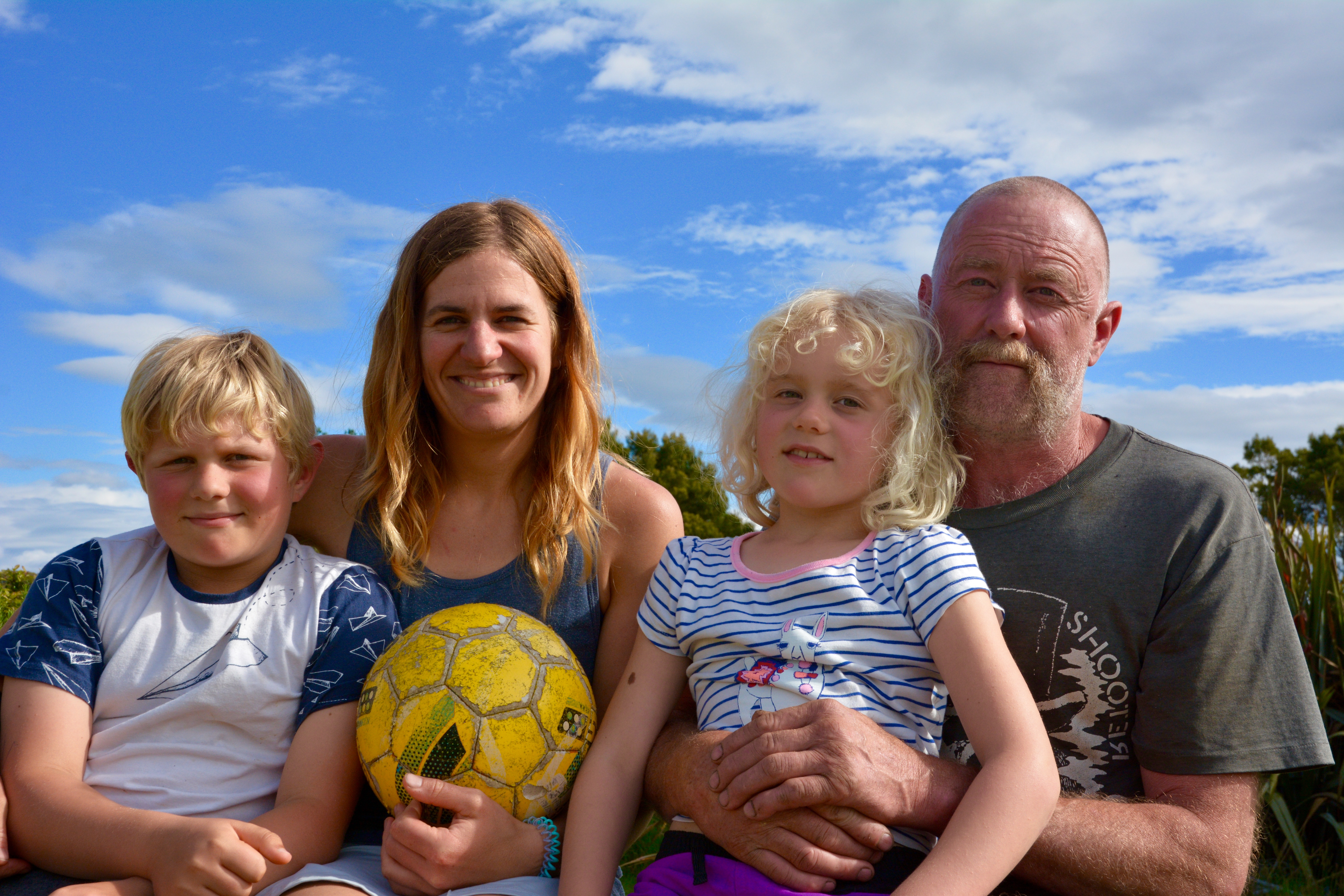
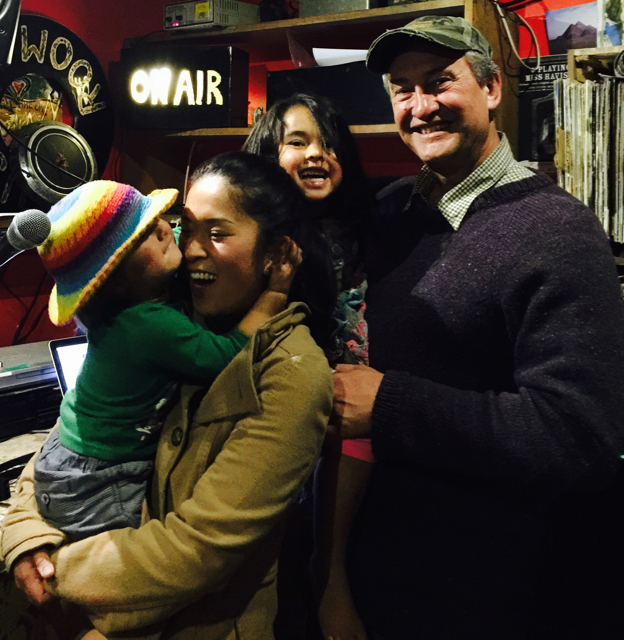
L-R: Trevor, Lena, Tilly and Mike
Mike sustained a back injury in 2014 that has seriously impaired his ability to run his business, and he has regrettably decided to sell it to focus on healing and overcoming his injury. This provides a great opportunity for someone keen on living in a wonderful location, to have a great quality of life and a means of earning a good living by providing an important community service. This is a chance to take the reins on an established business that has real growth potential that enables the owner to live in the paradise that is Karamea. “I love the challenge of the business, but I’m not able to keep doing it and I wouldn’t be selling it if I didn’t have to,” said Mike. It’s a great opportunity for someone and I’d love to pass it on and keep it growing,” said Mike.
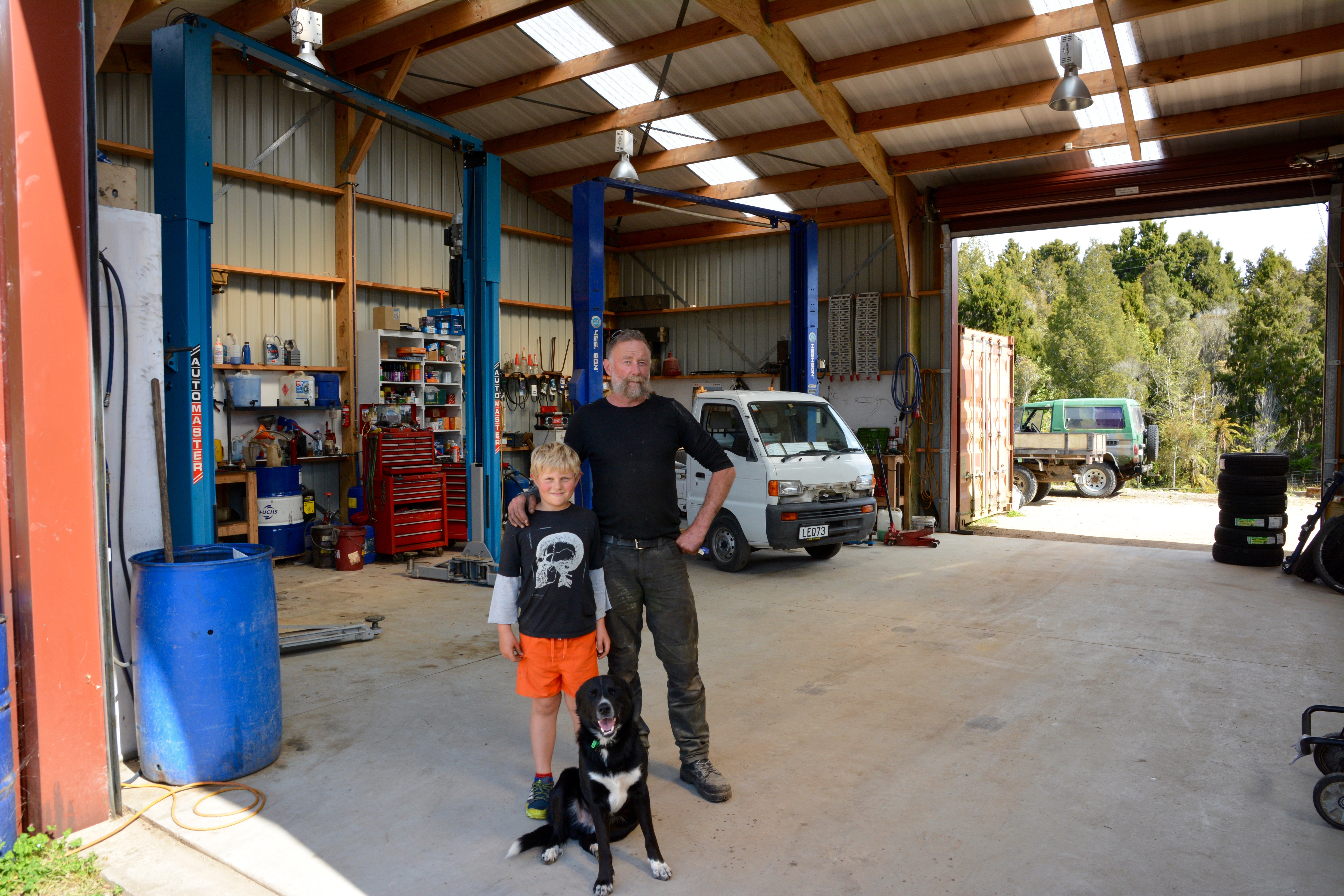
Trevor Mike and “Max” at Baker’s Creek Automotive
“My business is satisfying, it’s everything I wanted as a person and as a mechanic, it’s productive, profitable and the work is diverse, which keeps it interesting, but I’ve, unfortunately, come to a point where I am unable to continue,” said Mike. “The business is integral to the community, and I want it to continue. I’m happy to assist a new owner to get established in any way I can…I just can’t be in the front row, I am physically unable to continue,” he added.
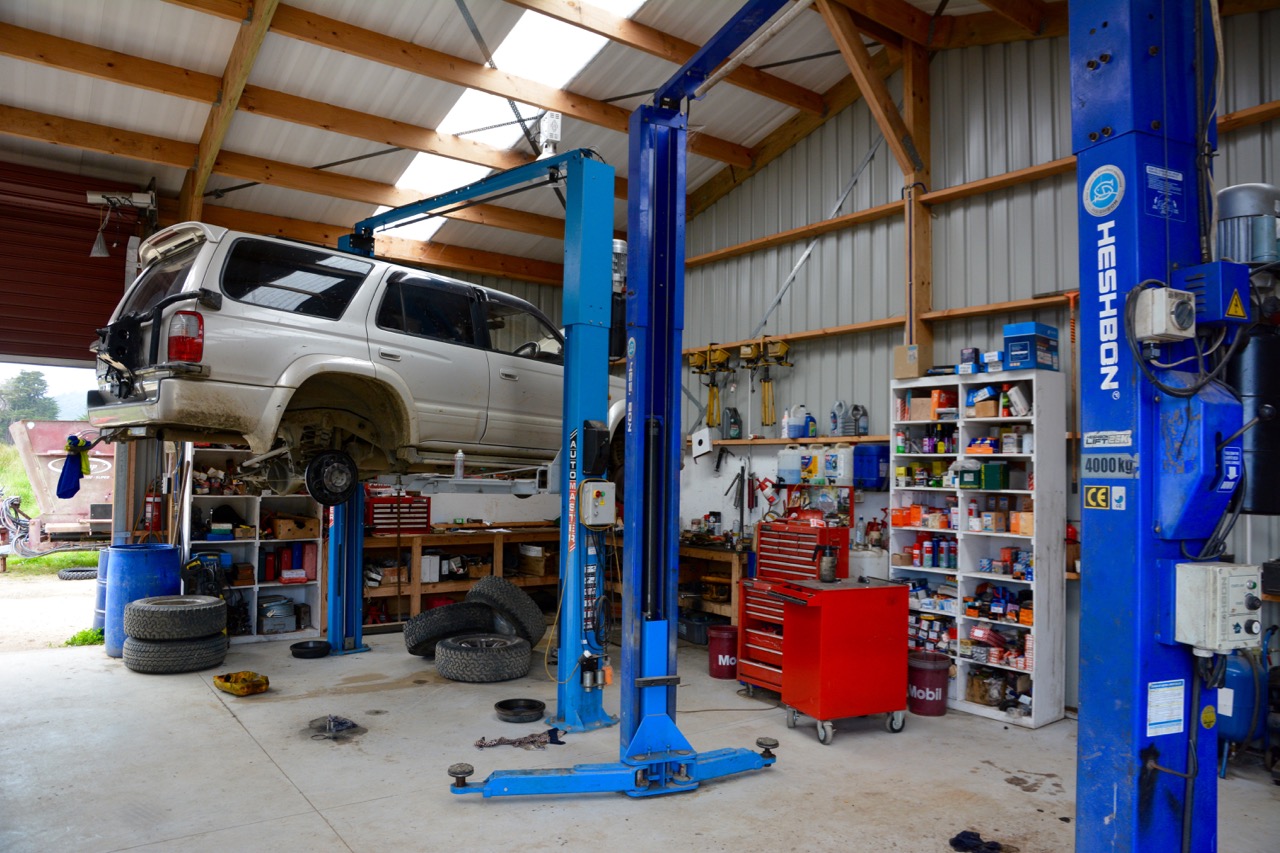
Baker’s Creek Automotive is housed in a modern purpose-built workshop on that could be leased or purchased and comes with full plant and equipment necessary to immediately take over the shops many existing clients and have an immediate income. The workshop is on 1.62 hectares of land that includes about an acre of pasture land, a couple of acres of native bush and a large carpark for customers’ vehicles awaiting repair. It is located about four kilometres from the Karamea township on Oparara Road and is easily accessible and the grounds low maintenance. It includes office space and lunch room and will soon be connected to mains power.
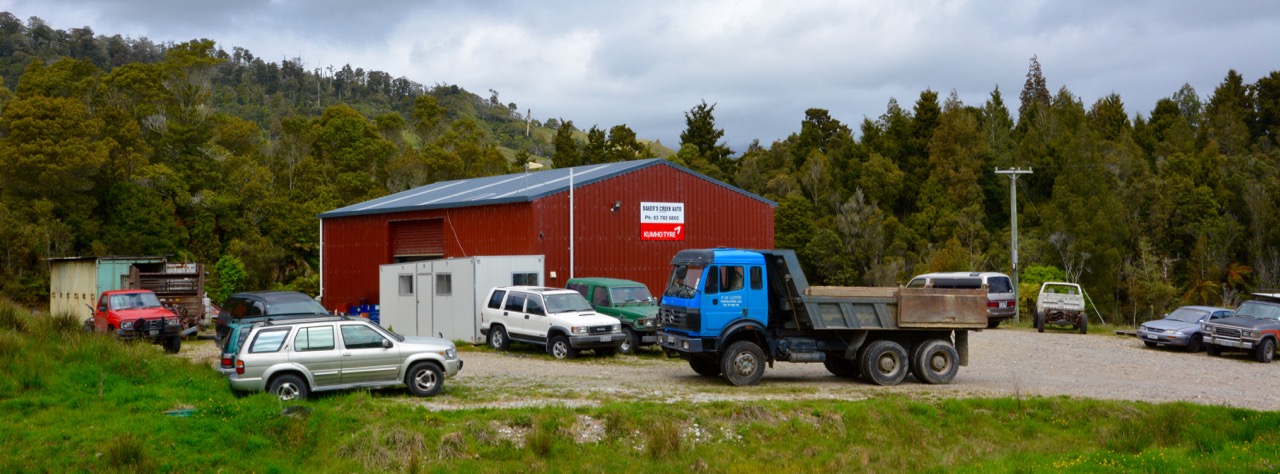
Baker’s Creek Automotive
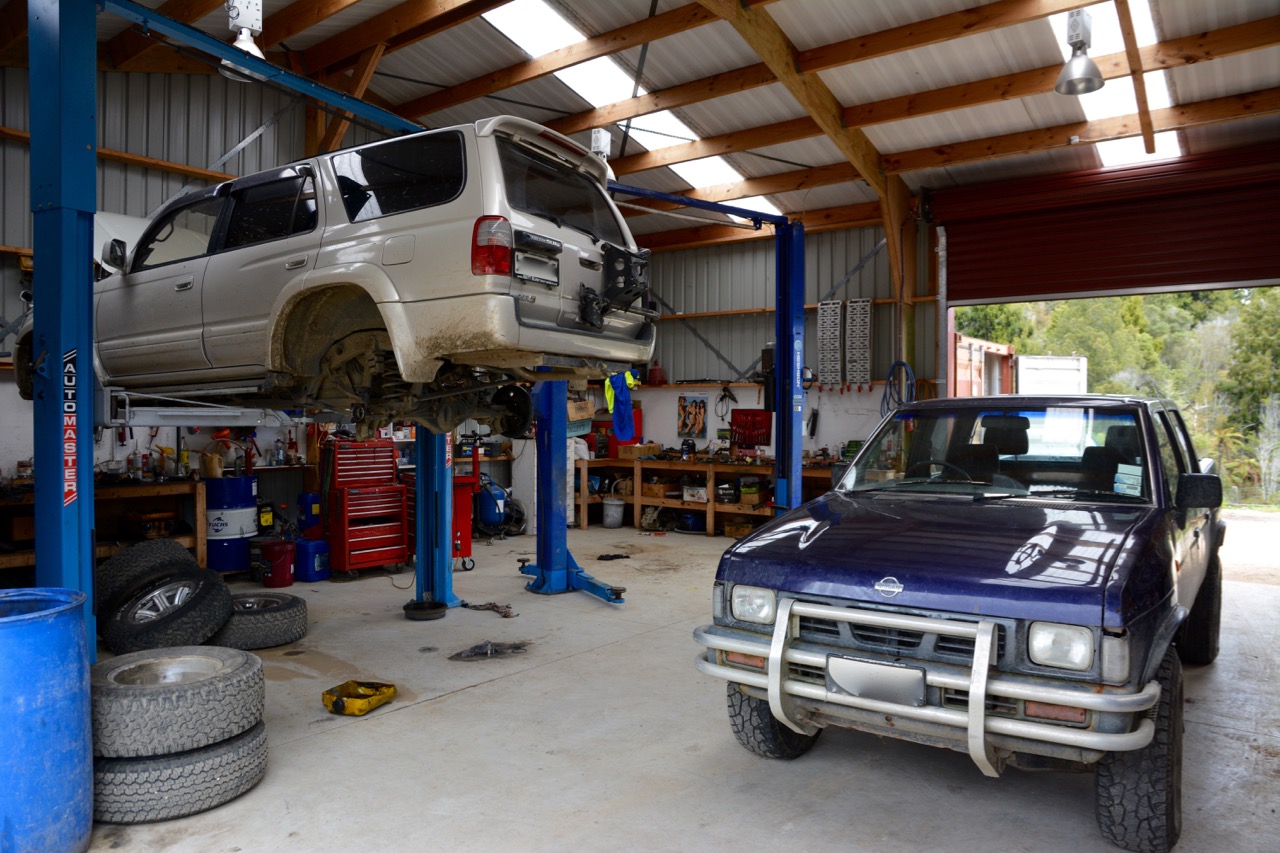
The Workshop
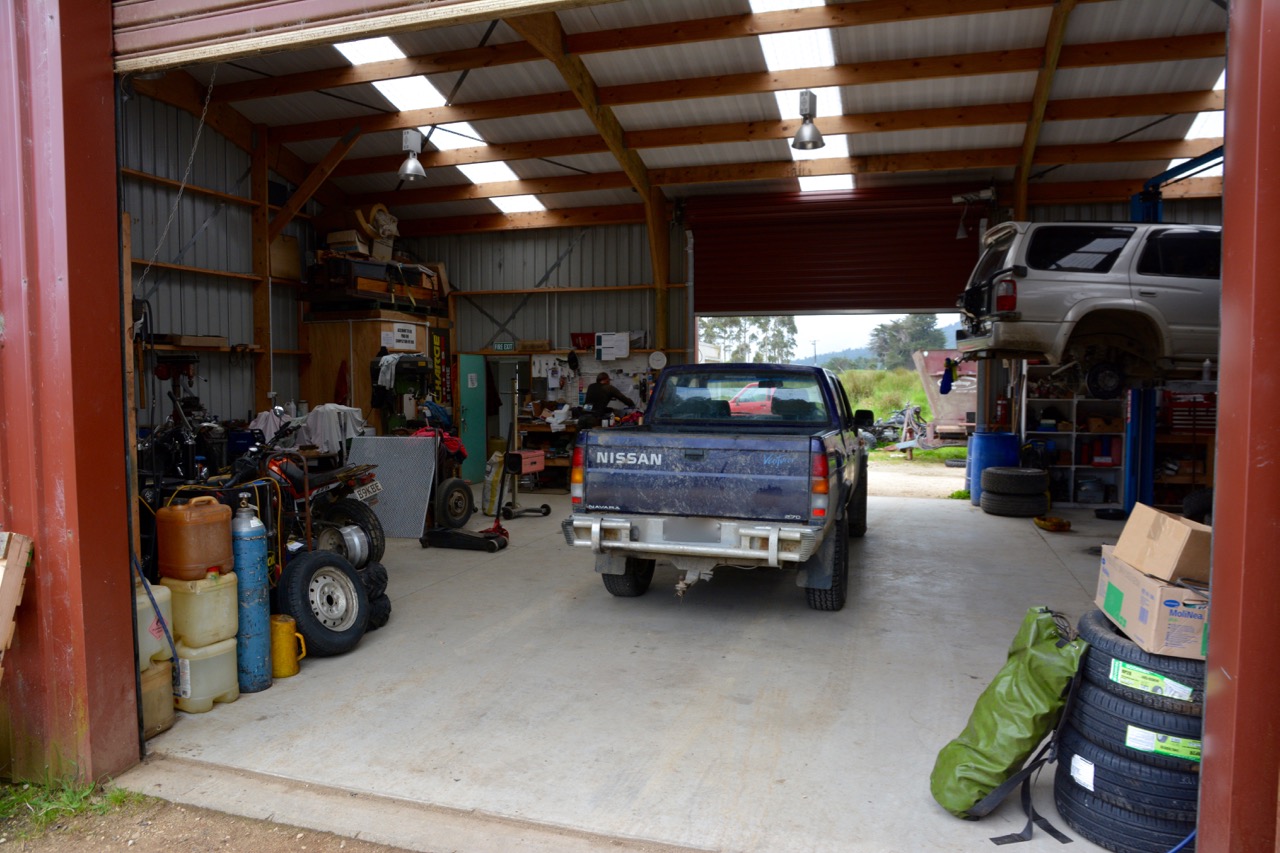

Karamea is the warmest, driest region on the West Coast. It is located about 100 kilometres north of Westport and is the Western gateway to the Kahurangi National Park, the Heaphy Track and the Oparara Basin. The community of about 600 people consists of farmers, horticulturalists, tourism operators, people with Internet-based vocations and retirees all of whom have a need for automotive and mechanical services. It’s also a wonderful place to raise a family.
“The kids are not inside, behind a fence or on digital devices, they’re out and about running around, playing on the beach, at the river. It’s such an awesome place for the kids, we’ve got a great school, a great community and we love seeing our two growing up with independence and freedom,” said Lena. “After eight years here, I still love it. I get up in the morning and go for a walk, listen to the birds and the sound of the river and sea and I wouldn’t want to be anywhere else in the world.”
Business ownership options include; lease, lease-to-buy and outright purchase of the property, buildings, stock, plant, and equipment. For someone with a broad understanding of mechanical machinations, sufficient experience and with a burning desire to run your own business and live in a fantastic community surrounded by good people and spectacular scenery, great hunting, fishing, mountain biking, and a nice warm climate…This is for you.
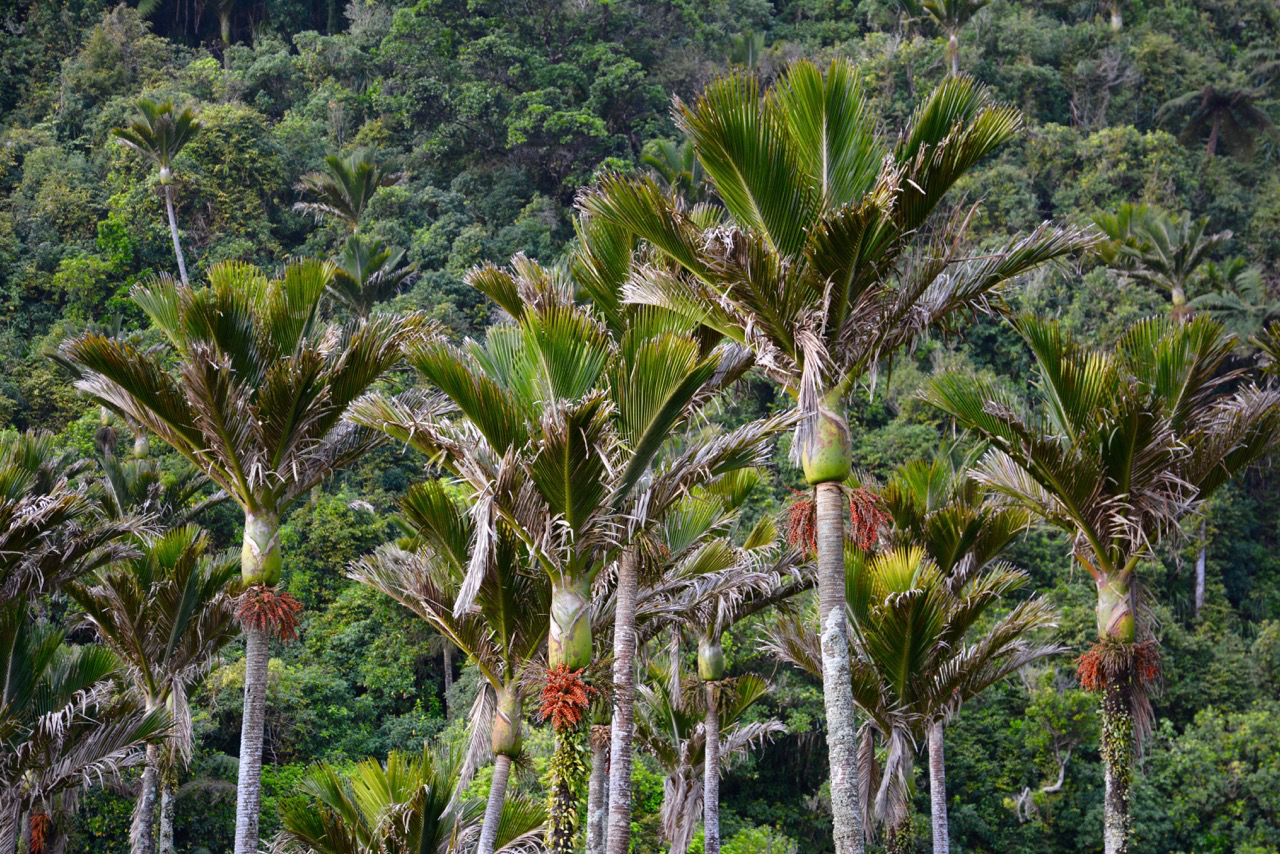
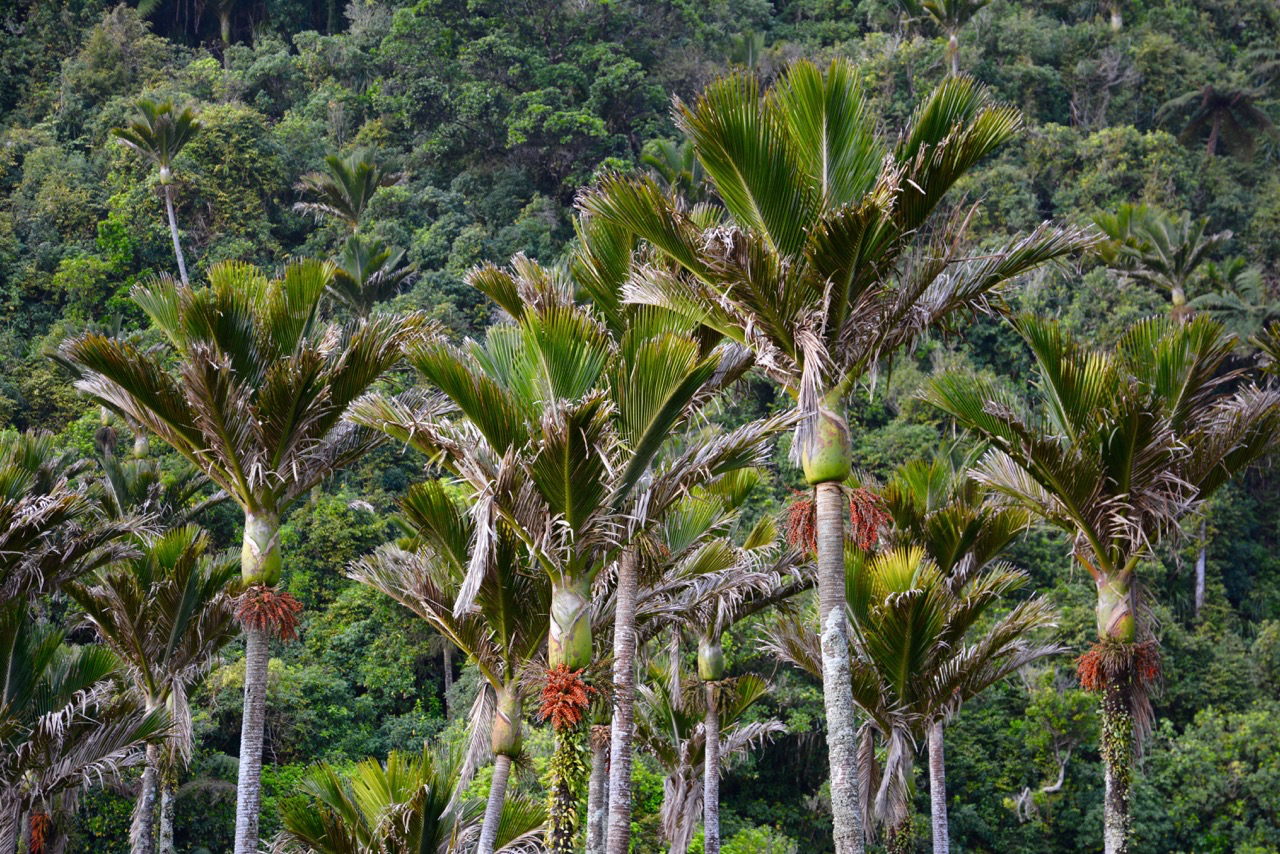
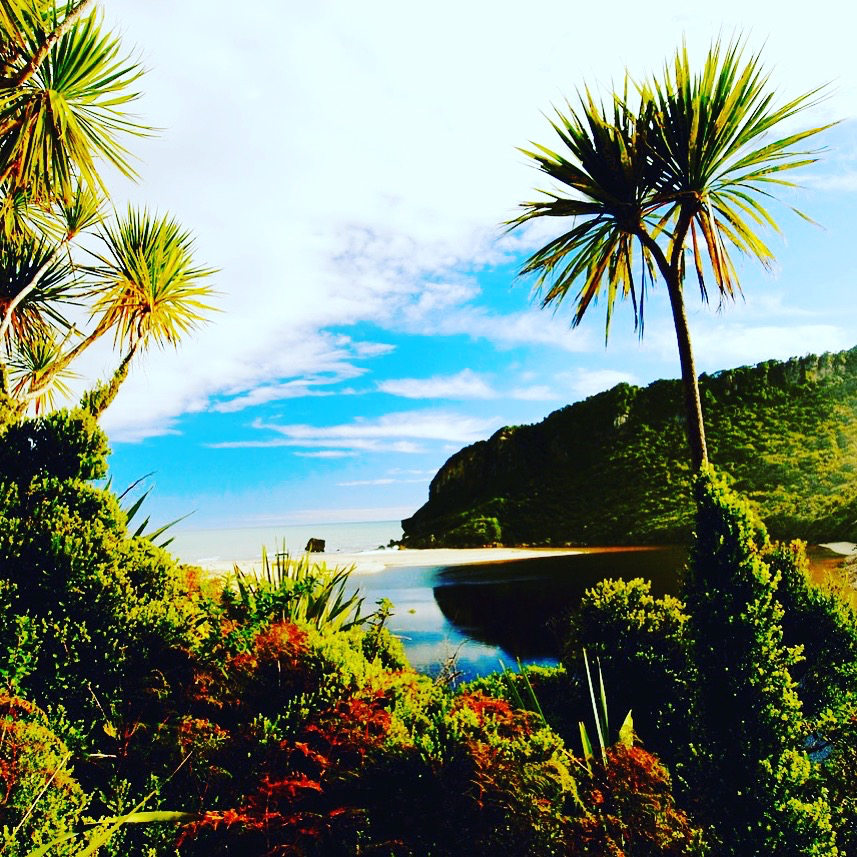
Tropical Nikau Palms are a feature of the Karamea landscape
One of the challenges of living in paradise anywhere in the world is to be able to support yourself and your family financially. Karamea is certainly a paradise and Baker’s Creek Automotive is the means for a qualified mechanic/engineer to be able to live and work in the region and the opportunity to take on and grow a business that is already established and viable.
Opportunity is knocking, all you have to do is open the door.
Please contact Property Brokers Agent Paul Murray if you have any questions, require more information or to arrange an inspection of the property, plant, equipment and the Karamea region.
Paul Murray
Ph: 0272-56-9967
E-mail: PaulM@PB.co.nz
Property Details:
1.62Ha
Rating Valuation
Capital Value: $158,000
Valuation Date: 1 Sep 2016
Land Value: $112,000
Valuation Reference: 18780/10315
Improvements: $46,000
Legal Information
LOT 14 DP 351316
Title: 214775
Bakers Creek Automotive Plant & Equipment Schedule:
2 x 4-tonne Hoists (1 new)
17CFM New Compressor
Strata 255 Welder (new)
Forklift
Office and Smoko Room Equip
Tyre Changer & Wheel Balancer
Container
Jacks & Drill Press
Vices & Bench Grinders
Petrol Water-Blaster (new)
40A Plasma Cutter (new)
Beam Setter & Brake Meter
Gas Plant & Sundries
Drop Saw
Pressure Testers, Tap & Die Sets, Reamers
Brake Tool Equip, PortAPower, Axle Stands
Press, Grease Guns, Drum Pumps, Jacks
Light Stands, Ramps, 40 L Sand Blaster
Shelving and Storage Containers
Diesel Workshop Heater
3x Spray Guns, Protective Gear, Bolt Cutters, Clamps
Air Hoses, Regulators, Battery Load Tester
Jumper Leads H/D, Fire Extinguishers
Gas/Arc Welding Consumables
Tig Consumables
Wall/Benches
12/24 Cebora: Jump Start/Battery Charger
Engine Stand
Back-Up Diesel Generator
Transmission Jack
Electric Water-Blaster
Grinding Equip & Associated Consumables
Numerous Air Tools
WOF Certification
Goodwill
Stock: Filters (various), Bearings, Seals, Gaskets, Heater Hose, Sealants, Paint, Fluids & Oils, Steel Plate, Clamps, Nuts & Bolts, Connectors, Wire, Lights, Tyres & Consumables.
Property Information and Ownership Options:
RE: ECO INVESTMENTS LIMITED (“ECO”) – Sale of Business: Baker Creek Auto Ltd
To Whom It May Concern
Bakers Creek Auto Ltd is currently operating at the premises of Lot 14 Sunset Heights Karamea, title number 214775. There is no formal agreement to lease in place. The current owner of the land (“ECO”) wishes to provide to the potential business purchasers some certainty in respect of ongoing arrangements by providing the following options:
Option 1: Purchase the business and enter into a formal standard ADSL lease with the owner of the land for a term of 3 years with two further rights of renewal of 3 years each, an annual rent of $17,182.61 plus GST and outgoings with rent reviews on each renewal date.
Option 2: Purchase the business and enter into a sale and purchase agreement for the land with a 20% deposit payable and vendor finance for the balance, ie vendor mortgage on terms to be agreed
Option 3: Outright purchase of the land and buildings for the price of $235,000.00 plus GST (if any)


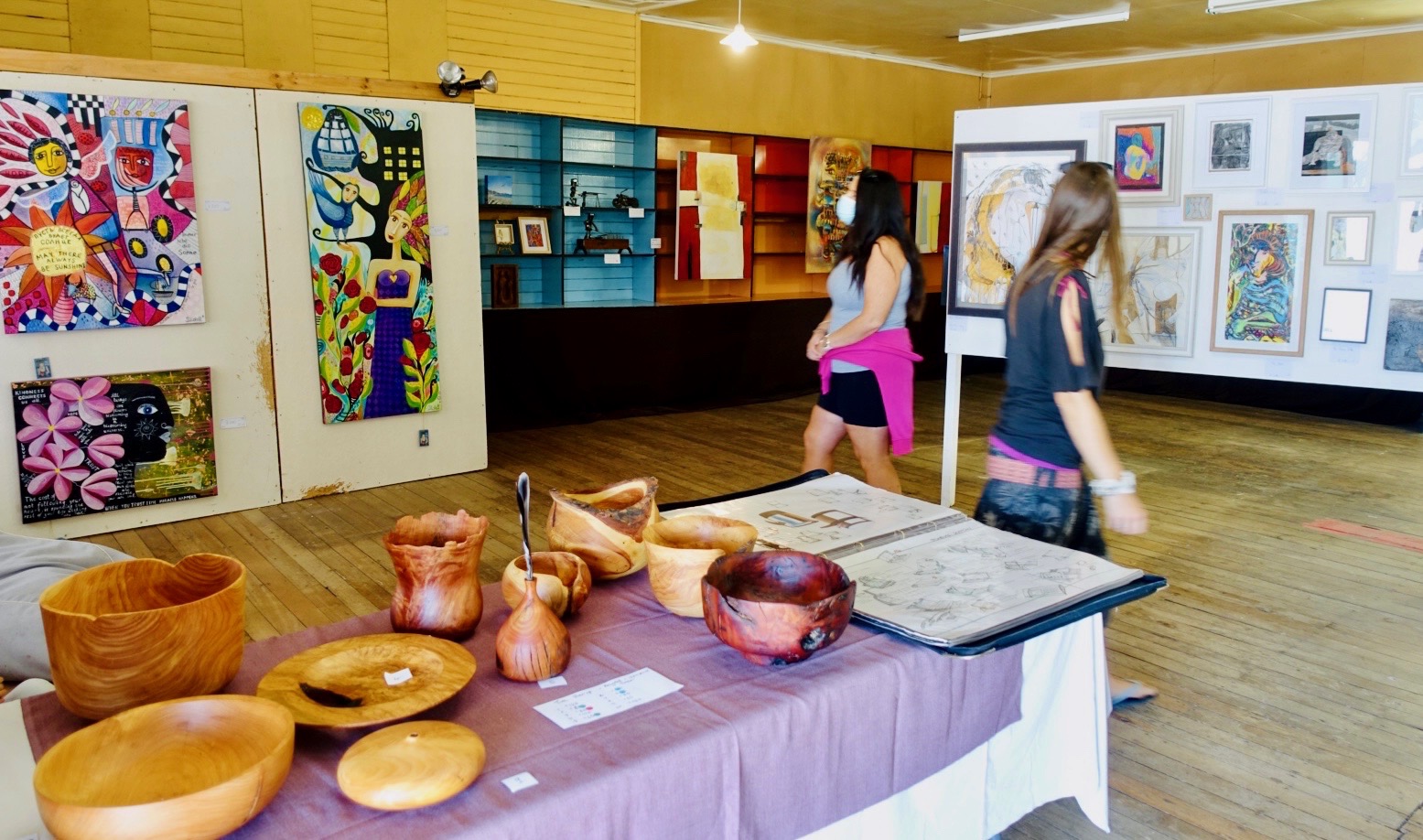


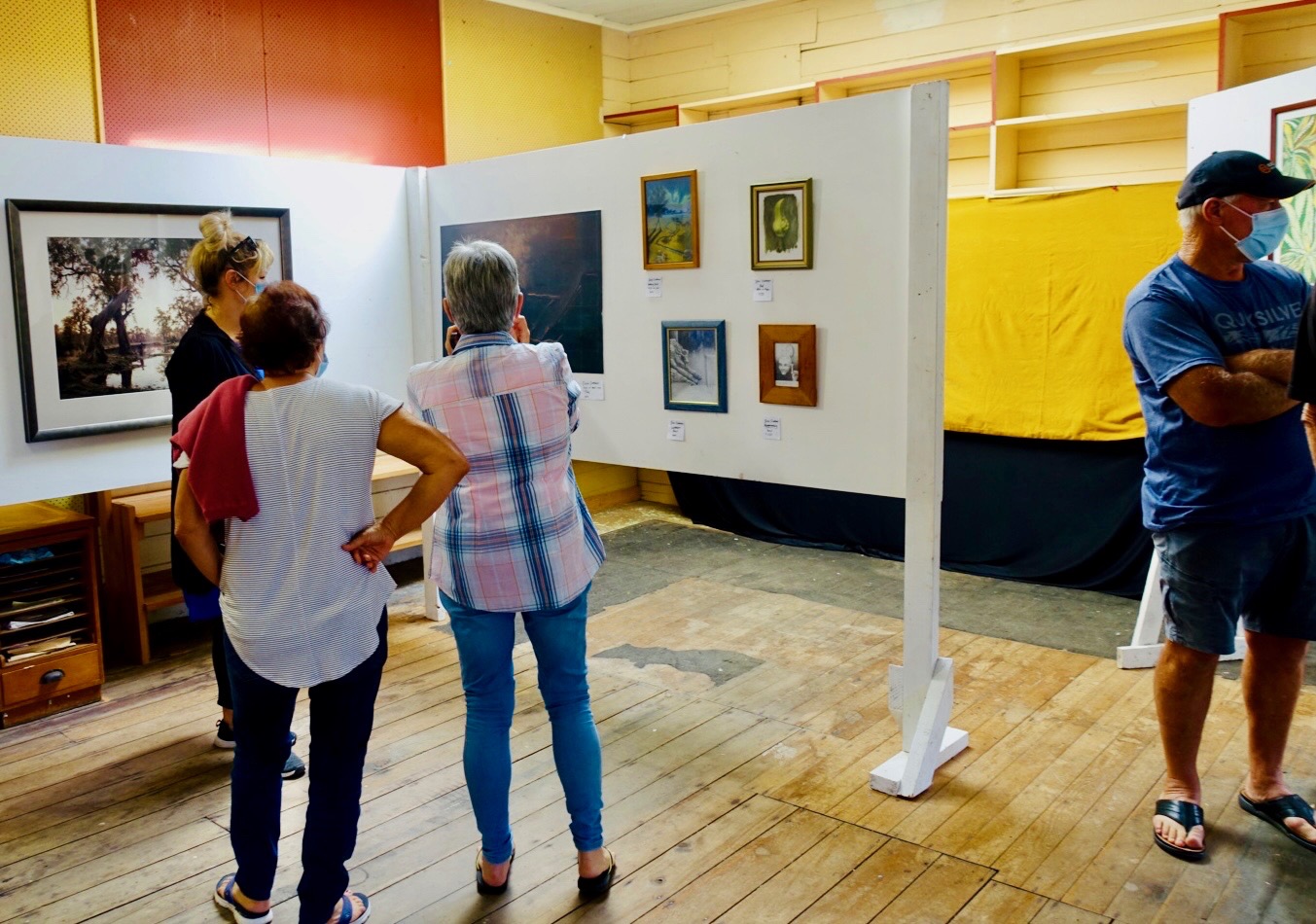
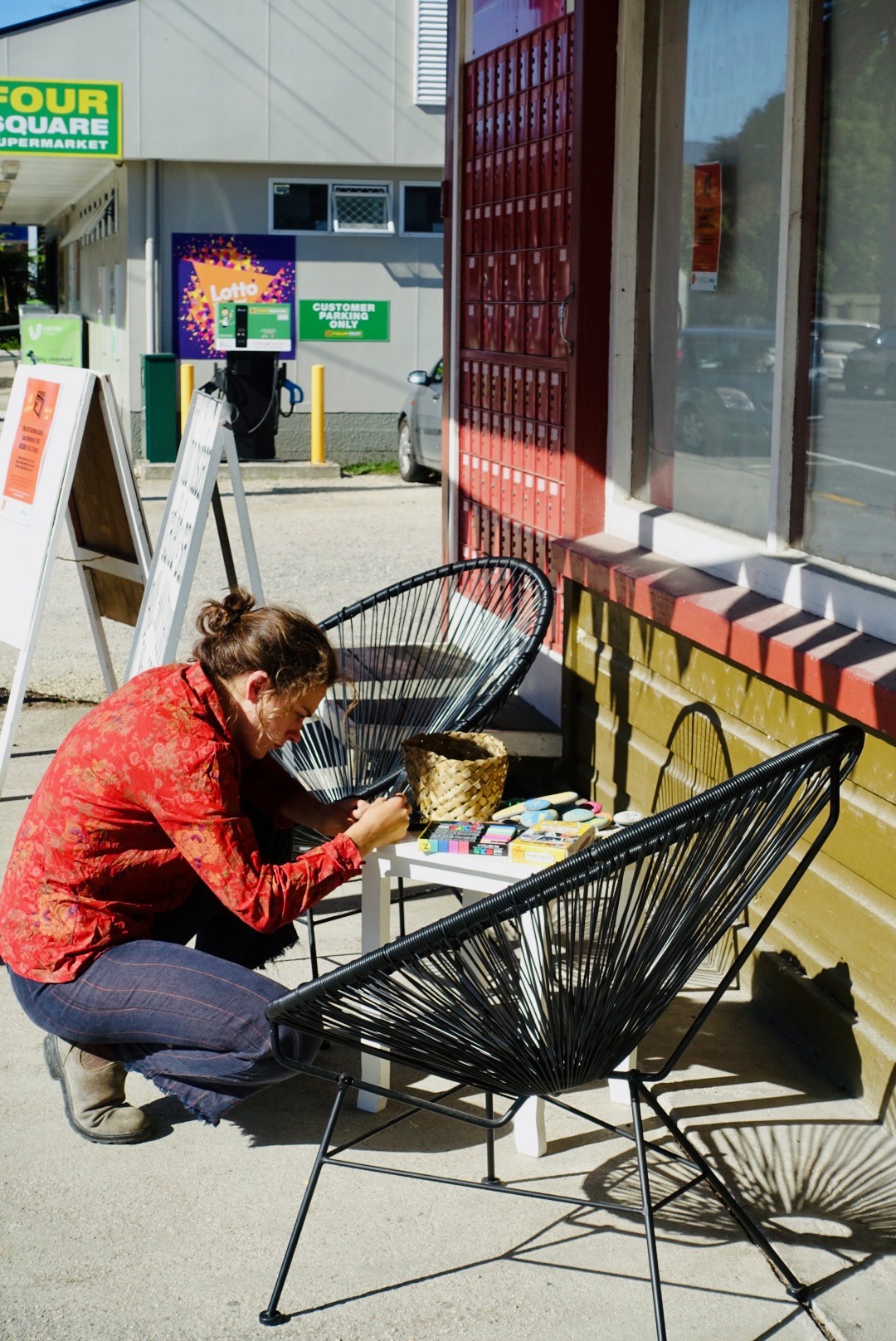



























































































































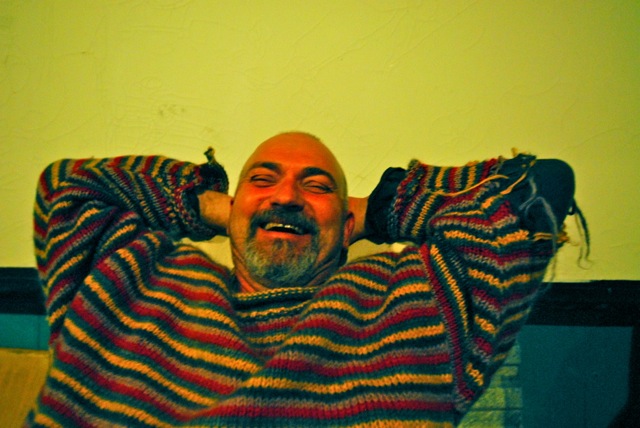
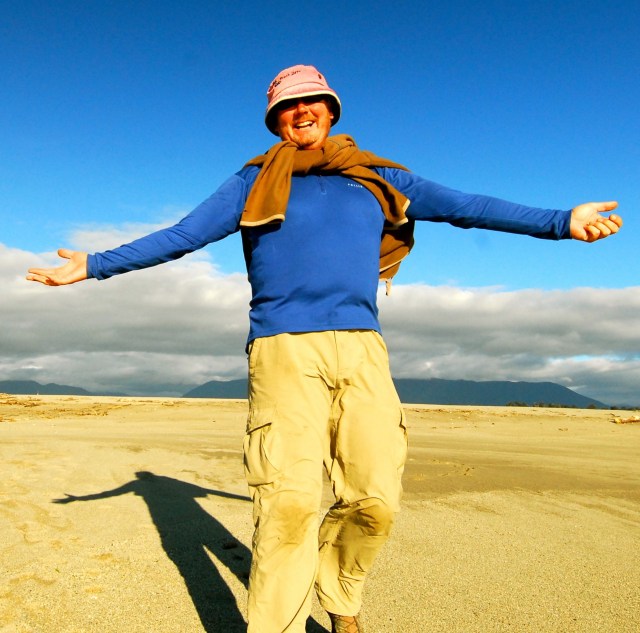
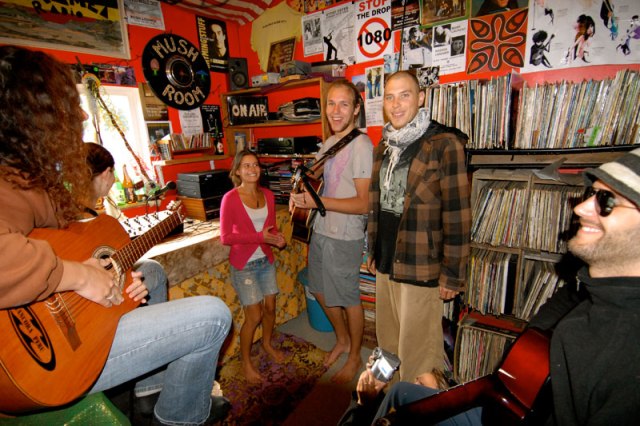
 Arnaud was staying with us in Karamea, New Zealand as a


 © Original Image by Paul Murray



 © Original Image by Paul Murray
 © Original Image by Paul Murray
 © Original Image by Paul Murray


 © Original Image by Paul Murray
 © Original Image by Paul Murray



 © Original Image by Paul Murray



 © Original Image by Paul Murray



 © Original Image by Paul Murray



 © Original Image by Paul Murray


 © Original Image by Paul Murray



 © Original Image by Paul Murray

 © Original Image by Paul Murray



 © Original Image by Paul Murray



 © Original Image by Paul Murray



 © Original Image by Paul Murray



 © Original Image by Paul Murray



 © Original Image by Paul Murray



 © Original Image by Paul Murray


 © Original Image by Paul Murray



 © Original Image by Paul Murray


 © Original Image by Paul Murray


 © Original Image by Paul Murray
 © Original Image by Paul Murray
 © Original Image by Paul Murray


 © Original Image by Paul Murray













 After almost 14 years at







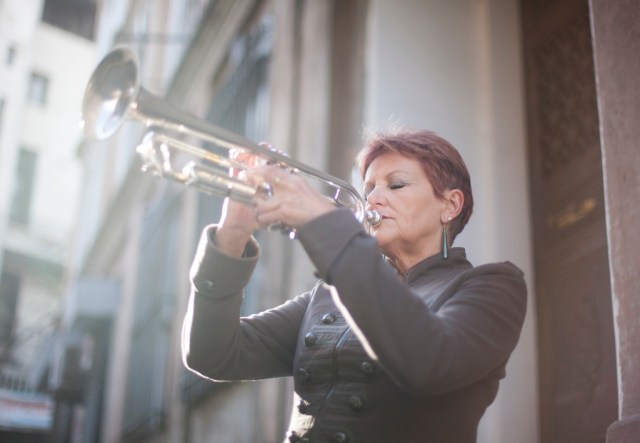























































































































































































































































Trumpet: The Don Plots Social Media Comeback
Off the Top of My Head
By Paul Murray
Former POTUS Donald Trump is planning a comeback from the social media wilderness to which he was cast after being banned from FaceBook/Twitter/Instagram et al. for repeated indiscretions, violations of posting protocols and for allegedly inciting a red-neck insurrection on Capitol Hill at the end of his White House reign.
Exclusion from social media platforms that gave Trump a voice, effectively silenced him by eliminating his principal means of addressing his followers who were hungry for short, punchy chunks of misinformation, vitriol and rhetoric.
At his prime, Trump had 88 million Twitter followers who were regularly enlightened by random snippets of thought posted from the comfort of his “smart” phone to his enthusiastic MAGA audience. “We live in a world where the Taliban has a huge presence on Twitter, yet your favourite American president has been silenced,” Trump claimed by e-mail.
The social media sanctions applied to Trump have muted his voice and given the world a welcome rest from his persistent bullying of opponents, bombastic misinformation and self-aggrandisement. However, this respite may soon end as The Don prepares for a significant comeback to social media by launching his own platform to circumvent the current and any future attempts to dumb the great man further.
Tentatively known as “Trumpet,” Trump’s planned social media service will open new doors for The Don and his followers. “Trumpet will be the greatest ever,” said Trump in a signed press release received in the mail yesterday. “It’ll be more fabulous than FaceBook, more tremendous than Twitter, Tik-Tok and Tumblr, less fake than FOX and more “IN” than Instagram,” he added.
The governors will definitely be off any Trump posts from a network he owns and controls, not being one for self-censorship, social etiquette, accepted norms, nor verifiable facts. First amendment rights will likely be tested, stretched and plumbed as he trumpets his mind to all and sundry from the safety of his own platform.
Trumpet will, of course, be the “best,” “greatest,” and will cast a dark shade over all other “loser” services. Here is a list of things Trump states he is best at:
Building walls… “I will build a great wall – and nobody builds walls better than me, believe me.”
Creating jobs... “I will be the greatest jobs president that God ever created. I tell you that, believe me.”
Being a defender and a champion… “I will be America’s greatest defender and most loyal champion, believe me.”
Helping women… “I cherish women. I want to help women. I’m going to be able to do things for women that no other candidate would be able to do.”
Not being anti-Semitic… “I am the least anti-Semitic person you’ve ever seen in your entire life.”
Not being racist... “I am the least racist person, the least racist person that you’ve ever seen, the least.”
Having words... “I know words; I have the best words.”
Handling bad stories… “I don’t mind bad stories. I can handle a bad story better than anybody, as long as it’s true.”
Understanding debt... “I’m the king of debt. I understand debt better than probably anybody. I know how to deal with debt so well. I love debt.”
Breaking the glass ceiling… “I was the one that really broke the glass ceiling on behalf of women more than anybody in the construction industry.”
Beating China at things... “When was the last time anybody saw [the US] beating, let’s say, China in a trade deal? They kill us. I beat China all the time. All the time.”
Golf courses… “Obama is going to be out playing golf. He might be on one of my courses. I would invite him, I actually would say. I have the best courses in the world, so I’d say, you know what, if he wants to.”
Social Media Services…” I’m the KING of social media…Trumpet will be bigger, better faster, smoother, louder, punchier, fatter, simpler, fancier, stronger, bitchier and more slanderous than anything ever before.”
Trump followed up with more back patting…”I went from VERY successful businessman, to top TV Star to President of the United States (on my first try). I think that would qualify as not smart, but genius….and a very stable genius at that,” He said.
After making numerous unsuccessful attempts to circumvent his tweeting ban regain his status at the Twitter podium, he concluded that going it alone was the only way to reclaim his social media mantle.
Should Trumpet achieve Trumps self-promotional aspirations, he is apparently planning a full orchestra of self-aggrandising mechanisms, including “Saxophone,” a mobile communications service, “Euphonium,” which will be dedicated to creating euphemisms and “Drum” an advertising and promotional instrument.
A jubilant Trump said in a postcard from Mar-a-Lago, Florida,” I’m totally excited to have this opportunity to again lead the world with my big brain and my little fingers via social media and this time, I will be able to say exactly what I want without pesky censorship or stupid rules and regulations.”
Rate this: