Off the Top of my Head
By Paul Murray
In 2002, while working as a journalist for The Daily Yomiuri in Japan, I was actively involved in the international peace movement that was protesting the planned unprovoked invasion of Iraq by the government of George W Bush and the asses of evil Donald Rumsfeld, Dick Cheney, Tony Blair et al…

A million people marched on the streets of Tokyo, the same in New York City, Sydney, London, Rome, Los Angeles, Paris…in cities all over the world, people were united in peace were sending a very strong message to the Bush government that gunship politics was unacceptable, undemocratic and not representative of the people they were elected to represent. I actually believed that for the first time in history, the peace movement might actually prevent a war.

Despite the protests marches being the biggest display of public sentiment in Japan since the Vietnam War, the paper I was working for wasn’t even going to report it. I was incensed and remember having a standing argument with the managing editor of the paper insisting that the protest marches should be front page because that is actually news and we are producing a newspaper…hello!
My efforts resulted in the march going on the front page of the paper, but I was already well aware that what is published in the paper is nothing to do with what is actually going on in the world, but that the corporate media was merely a means of promoting the other corporations and to really understand what is going on in the world, you need to interpolate what is written in mainstream media by thinking, OK, this is what they want me to believe…so why do they want me to believe this? That way, you get some idea of what is really happening.
At the time, I was very interested in Taoism and the writings of Lao Tzu. A spiritual guide that made more sense to me than any religious text I’d ever read. Through this, I came to understand that it was impossible to experience peace if it wasn’t defined by war and that this process was merely and extension of the yin-yang duality of all things. Up has no meaning without down to give it reference and definition. I developed an understanding that some people were always going to devote their effort to war, violence and aggression and that it was paramount that others counter their belligerence through the pursuit of peacefulness, compassion, tolerance and understanding and that it was necessary to balance war-mongering with peaceful pursuits. From this, the LivingInPeace Project was born.
“When people see some things as beautiful, other things become ugly. When people see some things as good, other things become bad.” Lao Tzu
I was disillusioned when the will of the people was ignored by the Bush/Blair hawks and decided to devote my life to the peace side of the ledger to counter their aggression, avarice and violence in the hope that by doing so, others would see a better way to live and come to understand that in this day and age, if you use violence, war and the military to solve problems, you are a failure.
Discussing this with my then girlfriend Sanae Numata at my house in Hayama, Japan as we were preparing dinner one day galvanised my plans and motivated me to risk everything for what I believed in. I asked Sanae to ready the dinner table while I finished the meal preparation. She went into the next dining room, which was not visible from the kitchen. When I brought the food n to the dining room to serve the meal, she had arranged the cutlery, crockery and table condiments into a peace sign and was sitting at the table stark naked! We are now married and have two beautiful children.
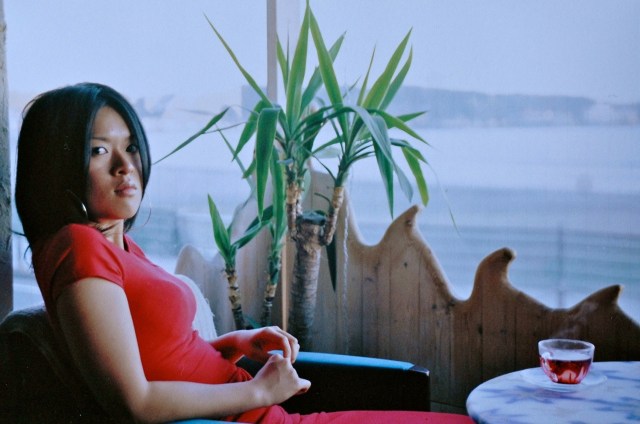
So, I quit my job as a journalist and decided to move to New Zealand to make a positive and conscious effort for the rest of my days to devote my life to peaceful pursuits and demonstrate to others that another way of life is possible.
The LivingInPeace Project began in 2003 with the purchase of an 80-acre (31-hectare) property in Karamea, which is a small town servicing a community of about 700 people at the top of the West Coast of the South Island of New Zealand. The initial intention was to build an artist’s retreat on the property, which borders on the Kahurangi National Park and has about 400 metres of frontage to the Karamea River. However, the densely forested block proved unsuitable for such a venture as the many sandflies in the summertime was contrary to the LivingInPeace concept.
It was decided that the sandflies were there to protect the forest from human habitation and the site for the retreat was changed when a more suitable location later became available. The bush block will be preserved for the benefit of humanity and respected for the beauty, diversity, peace and tranquility it holds, as well as to provide a carbon offset to counter emissions produced in the service of the business ventures. Simple walking tracks will be made through the forest to allow people to experience and enjoy the sanctity of the bush without destroying it and upsetting the delicate balance of nature.
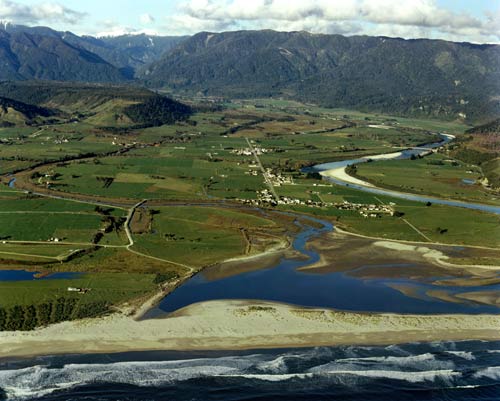
The Karamea region is a paradise blessed with natural beauty; forest-covered mountains, long white sandy beaches, broad free-flowing rivers, lush green fields and fresh clear air. The region is effectively a geographical Island. It is 100 kilometres north of the closest major town of Westport and is protected on three sides by the forested mountains of the Kahurangi National Park and to the west by the Tasman Sea. As a result, Karamea is a unique rural enclave, protected from development, commercialism and many of the social ills found in urban communities. People stop and chat with each other when they meet by chance, drivers wave to each other as they pass on the road, the publican knows everyone by name and when something needs to be done, the people band together to share their skills and help each other out. This is the kind of community spirit the LivingInPeace Project seeks to foster and proliferate.
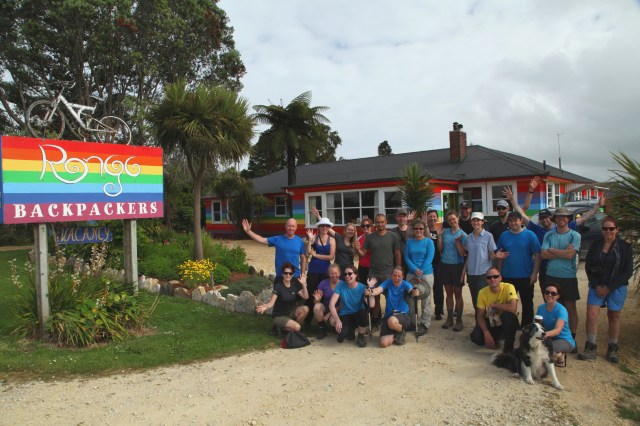
A team of volunteers from around the world has been working since mid-2004 to convert the building into a hostel called “Rongo,” which means “Peace” in Maori. The backpackers business will provide accommodation for the volunteers and a means of financing the LivingInPeace Project. The volunteers receive free accommodation in return for their energy and efforts in helping to develop Rongo and the realisation of the LivingInPeace Project.
The venture expanded further with the May 2005 purchase of the Karamea Farm Baches, an additional accommodation facility with four houses, three cabins and five self-contained baches, plus a 4-acre farm, which borders the Karamea estuary lagoon and looks west to the Tasman Sea. The farm is the perfect location for the Living In Peace Project, the location is attractive with great views west to the sea and estuary lagoon and back into the mountains of the Kahurangi National Park to the north, east and south. The farmland is well drained, fertile and highly productive and will be converted into a permaculture farm that will provide food for both the people involved in the Living In Peace Project and guests at our accommodation facilities.
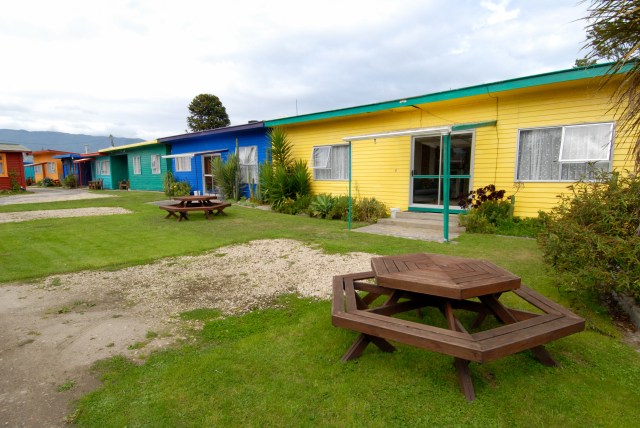
Rongo Backpackers & Gallery is a microcosm of the LivingInPeace Project. In effect, it is a test case, or practice run to determine the efficacy of the business model. Karamea Farm Baches is the second stage of the project development and provides accommodation options for a different market while expanding the project’s agricultural possibilities. The farm behind the bach complex is being developed into a permaculture block that produces locally grown, organic meals for our guests. Karamea has enormous horticultural potential, fertile, well-drained alluvial soils, plenty of sunshine and evenly spaced, ample rainfall throughout the year, which alleviates the need for irrigation (a large cost saving in the establishment of a horticulture farm).

Today Rongo has very much become a stepping stone toward the ultimate goal of incorporating the elements of; art, permaculture, tourism into a sustainable business model. The building has been transformed inside and out into a fabulously vibrant, colourful and creatively inspiring place, which now includes a community radio station, organic vegetable and aesthetic gardens, a fire bath and an excellent art gallery featuring the work of local and international artists.
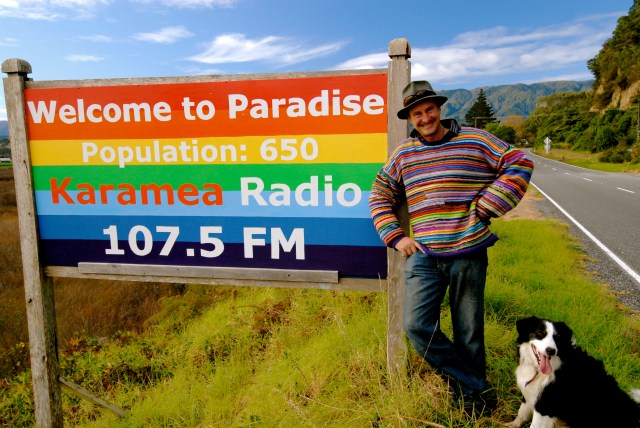
The concept of both Rongo Backpackers & Gallery, Karamea Farm Baches and the LivingInPeace Project is to create an artistically inspiring environment where people can live, as they want in return for helping maintain and develop the venture, with the only rule being to respect the rights of others and to take responsibility for your own actions…common sense. The project is open to everyone, all nationalities, sexes, religions, ages etc, but it is especially hoped that artistic and creative people will come and stay and that the venue becomes an international centre for creativity, invention, innovation and artistic excellence.
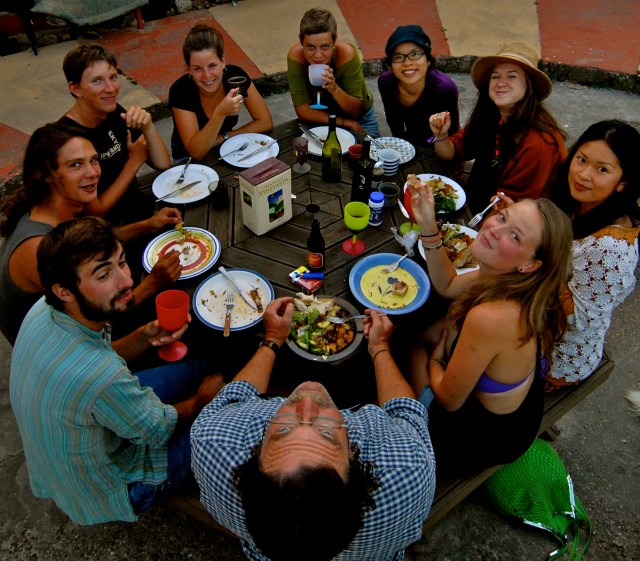
The project aims to transcend the paradox faced by all young artists, which is: no one buys their work because no one knows who they are, and no one knows who they are because no one buys their work…which makes it very difficult for young artists to get established and support themselves financially as they attempt to develop their talent and skill. This coupled with the fact that creative art skills and creative marketing skills are generally not found in the same person, and the fact that many artists are uncomfortable selling their own work means that many aspiring and talented artists are forced to give up before achieving artistic success through financial hardship, frustration and despair.


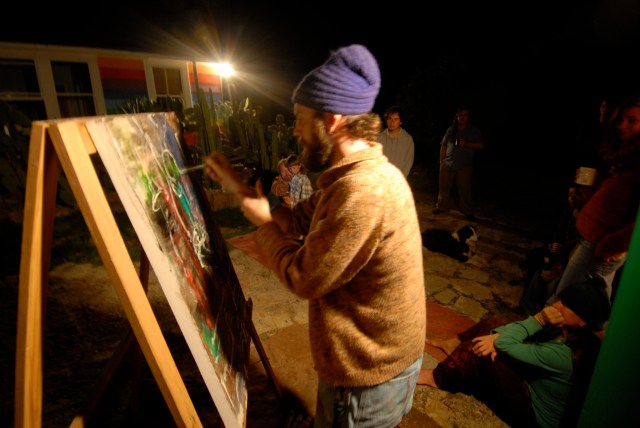
The LivingInPeace Project seeks to assist aspiring artists through an artist-in-residency programme and by helping to market their work through the gallery, exhibitions, the Internet and other means to enable them to get established and recognized as artists to allow them to continue their work elsewhere. The project is quite ambitious and there is much work to be done. The LivingInPeace Project needs volunteers to come and contribute to the venture in whatever capacity they are able, whether it be building, cooking, making music, making people laugh, painting, cleaning, singing, dancing, or offering financial support…everyone has something they can contribute.
https://vimeo.com/43640983
The LivingInPeace Project is seeking financial support from its members to expand further and to build on the foundation we’ve established. Becoming a LiP Project member enables you to be actively involved in the project and to support an innovative venture that is striving to minimise the environmental impact of the business, maximise energy efficiency and create a socially harmonious environment for people from all walks of life to enjoy.
LivingInPeace Project members support the project in an important way. If you are unable to physically come and lend a hand, your financial support is invaluable in helping fund the growth and development of the project, which you can then visit and enjoy. There is significant potential for further growth and your support is greatly appreciated.
Three-year memberships in the LivingInPeace Project are $NZ 1,000. The money raised is used to expand the concept and provide additional facilities and services that can be enjoyed by members and visitors to the project. Memberships include a holiday voucher to the value of the membership and members are encouraged to come and experience the project first hand and see how their money is being used and redeem their investment in food, accommodation, tours, participating in courses and workshops and purchasing artworks.
The LivingInPeace Project now has significant momentum and is more than just a dream. Tangible progress has been made over the past 12 years and, with the support of like-minded people, exponential growth is now possible.
Please visit our Web site www.LivingInPeace.com for more information, please support the project by becoming a member and come and visit…I look forward to meeting you soon.







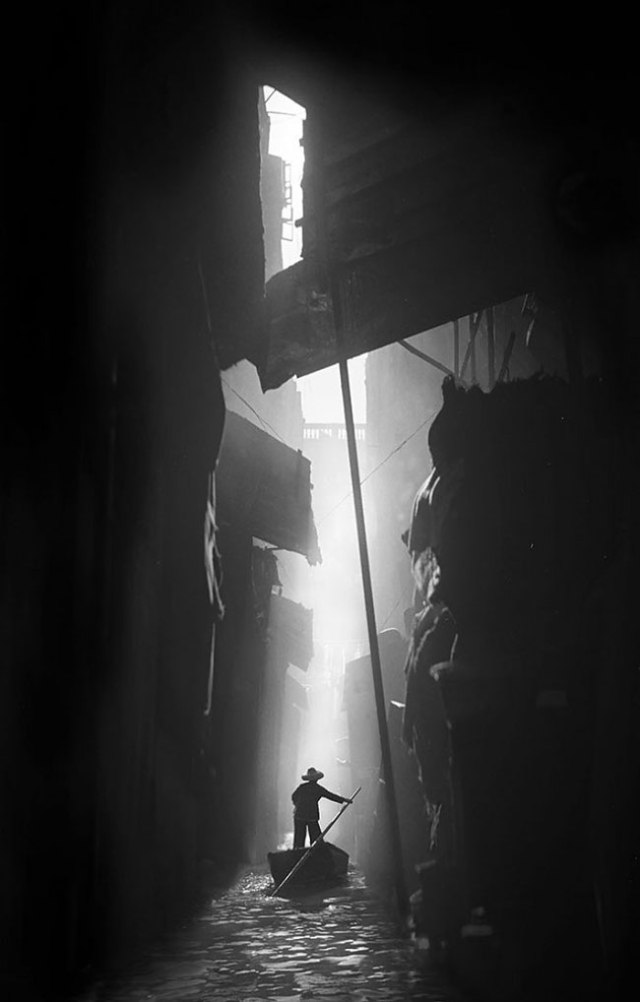
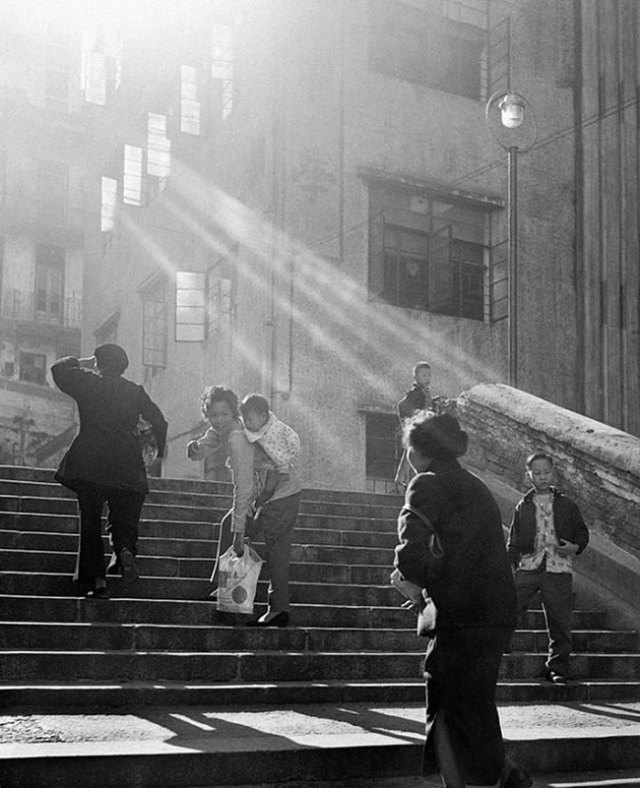
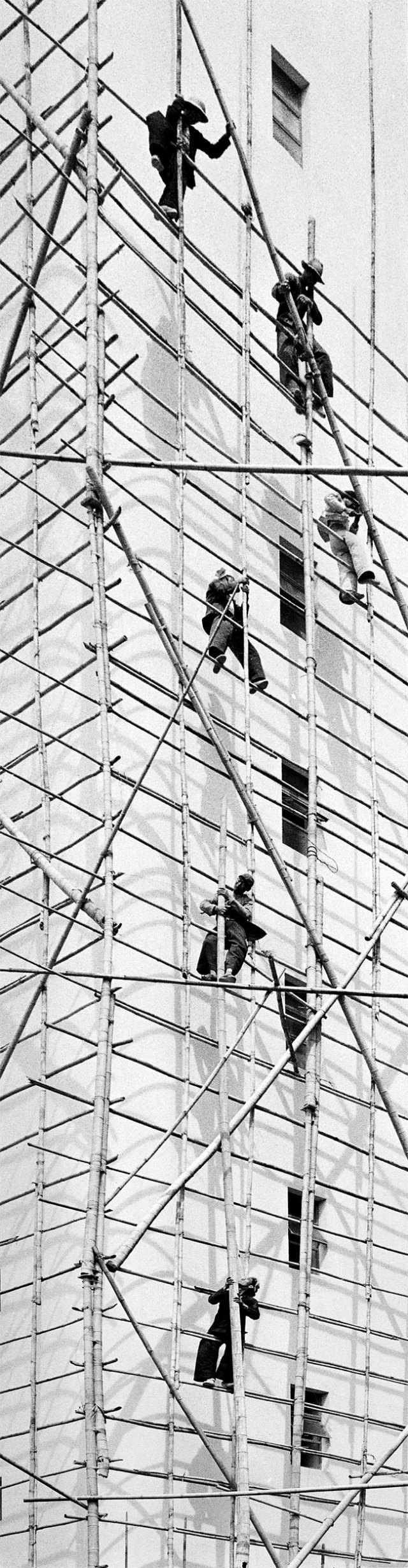
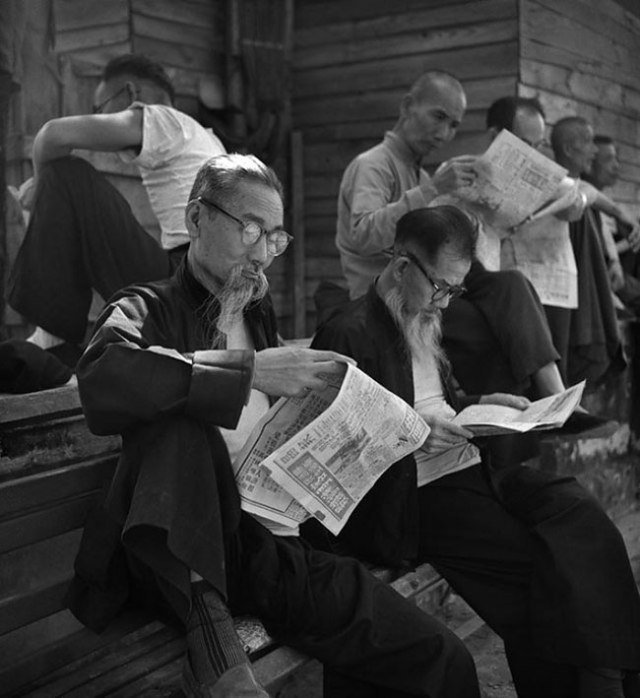
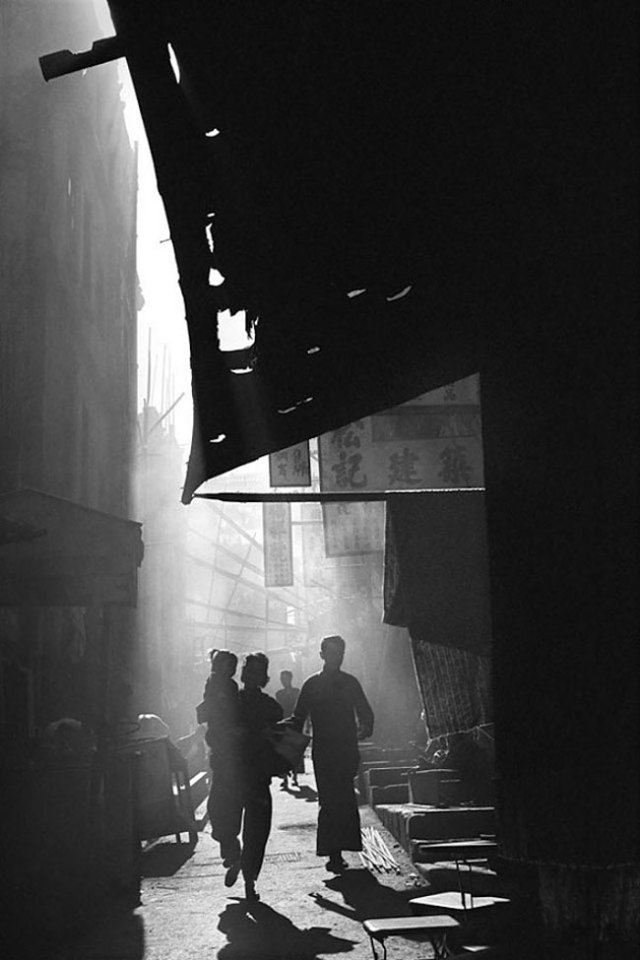
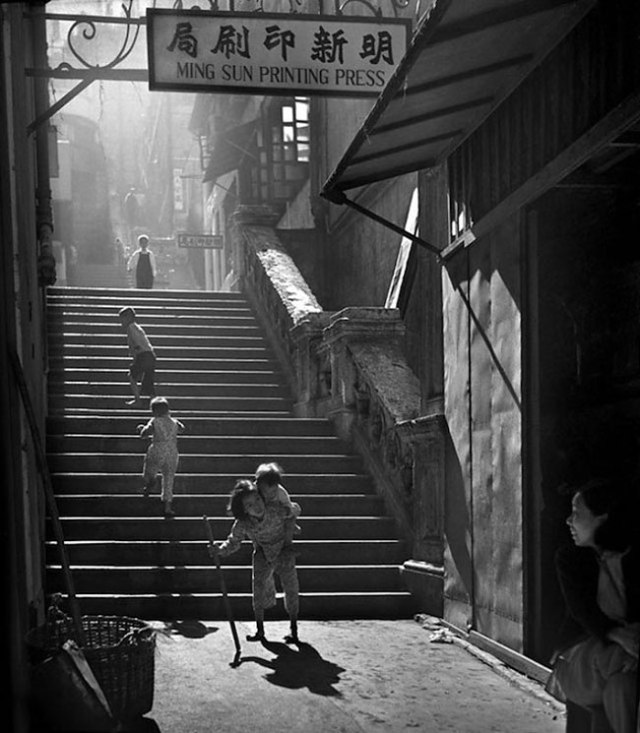
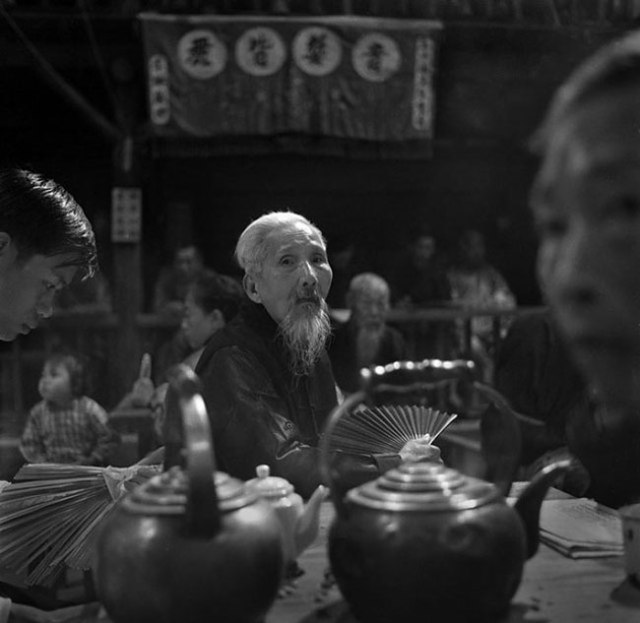
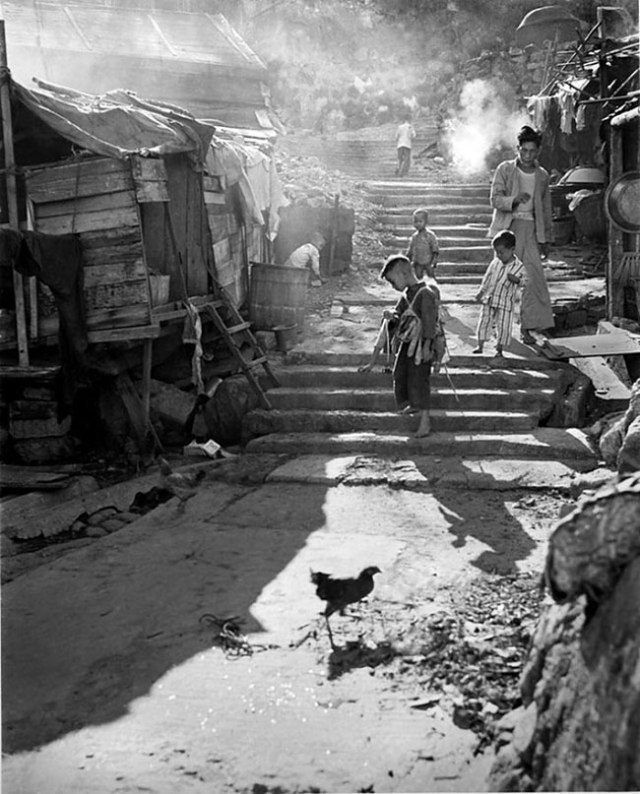
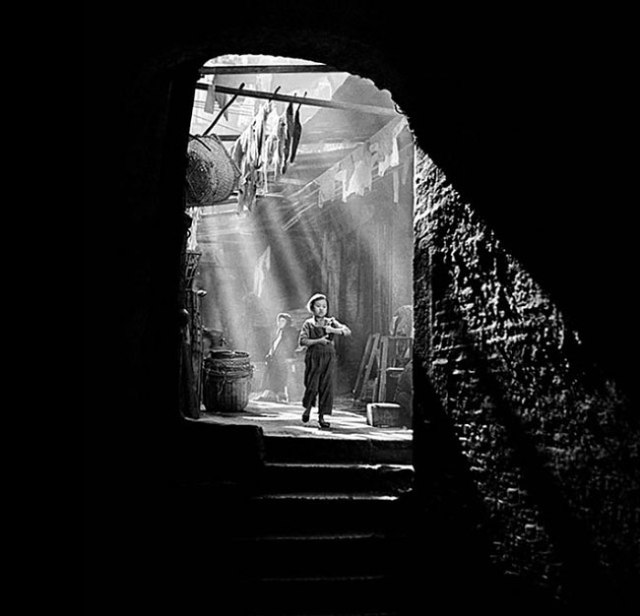
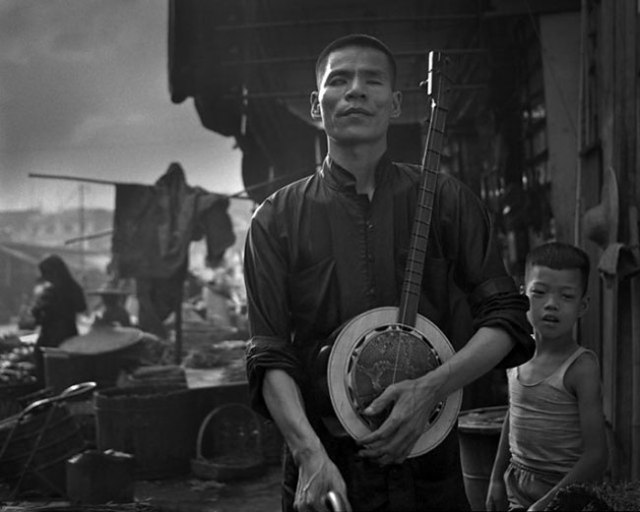
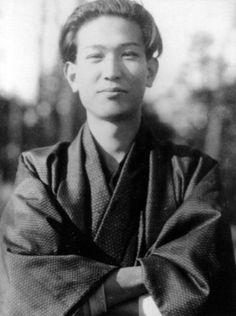 Teenage photographer, Ho Fan arrived in Hong Kong from Shanghai in 1949. He turned his shape eye and lens to the bustling streets of the then English-administered Chinese city to capture the street vendors, the architecture, the morning and evening sunlight playing off the people; the coolies, the rickshaw driver, the fishermen and builders going about their daily lives.

































Man-Bear Possum Terrifies Kahurangi NP People
DOC Uses Mutant Possum Threat to Justify Massive Aerial Poison Blitz
Off the Top of My Head
By Paul Murray
The mystery of the New Zealand Government’s persistence with aerial baiting of vast regions of the “Clean-Green/100%Pure” country with 1080 poison was revealed yesterday by Department of Conservation (DOC) officials after a sighting on the Heaphy Track of the elusive cryptid known as “Man-Bear Possum.”
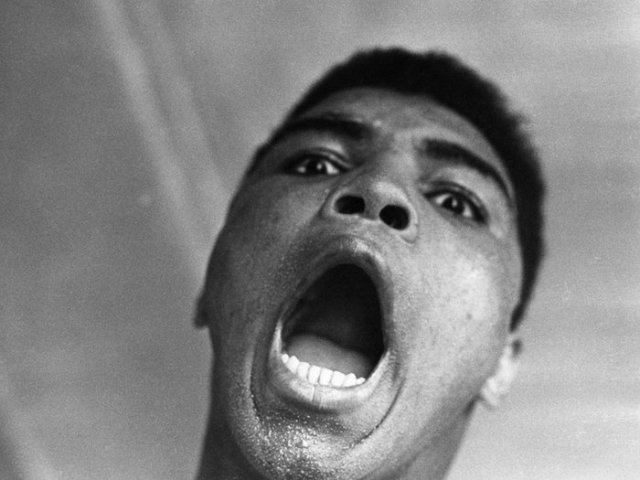
The first-ever photo of Man-Bear Possum (By Dick Rossita)
DOC Ranger Mr Dick Rossita was able to capture the only-known image of Man-Bear Possum at the Heaphy Hut on a clear winter night as the Yeti-like creature roared at the moon with its distinctive plaintive cry. Mr Rossita said, “The macabre sound emanating from the man-beast pimpled me with goosebumps from head to foot…I have never heard anything as terrifying in my life.”
It is thought Man-Bear Possum is a mutant bush-tailed possum (Trichosurus vulpecula), which were introduced to New Zealand from Australia by European settlers in the hope of establishing a fur industry. However, as possums have no natural predators in New Zealand, their numbers escalated to the point they are now considered a pest and the New Zealand government, through its agencies DOC and the Animal Health Board, have a policy to control possums by aerially poisoning the animals with cereal baits infused the toxin sodium mono-flouroacetate, commonly known as 1080.
Public opposition to the practice is widespread, but protests have thus far fallen on deaf ears as the N.Z. government has ignored opposition and increased the use of the poison on the back of a 2010 report by the Parliamentary Commissioner for the Environment Jan Wright report that recommended an escalation in the broad scale indiscriminate aerial broadcasting of the poison. Anti-1080 activists liken the policy to “Bombing a city to kill the criminals,” which is an effective, but pyrrhic crime-prevention solution.
Opponents of the indiscriminate use of the dangerous toxin 1080, which is banned in most countries, are at a loss to understand why the N.Z. government has failed to heed their concerns and warnings that the poisoning of the country is upsetting natural ecology, killing native birds, insects and aquatic life, poses a threat to the well-being and quality of life of the people living in areas near poison zones and is not an effective or acceptable means of controlling possum pests. The indiscriminate use of toxins is rightfully outlawed across New Zealand and most other countries, and anti-1080 campaigners demand that poison use should specifically target the pest species the programme seeks to control, yet the government persists with aerial baiting against the will of the people and now we know why.
Sources close to DOC reveal that the Australian possum has flourished here in New Zealand since its introduction int he late 1800’s. “Possums bred rapidly in their new environment of an abundance of premium quality organic food and no predators. Possums in the Kahurangi National Park, which has the most diverse range of flora of any of New Zealand’s national parks, have been born into a diet that includes a veritable smorgasbord of botanical delights and medicinal herbs and plants that has also afforded them incredible health and vitality. As a consequence of their good fortune, they have steadily increased in size, strength and intelligence over the generations and we are now faced with what could be best described as “SuperPossums,” a DOC spokeswoman said on condition of anonymity.
The situation is, apparently, even more concerning as it is thought a worker for the New Zealand Forestry Service, which became DOC in 1987, became lost in the middle of the Kahurangi National Park in the late 1970s and was never found. Departmental officials now consider the man, who was remembered only as Bushy Thompson, survived and regressed to his basic feral instincts and basically became a wild animal. Although no trace of Bushy has ever been found, it is thought that he cohabited with the animals and had particularly close, even carnal, relationships with possums, which kept him warm in winter and sated his other feral instincts, especially in the Spring.
Man-Bear Possum: Half Man, Half Bear, Half Possum
With the introduction of human genes into the possums makeup, the resultant hybrid vigour of the aberrant union’s resultant progeny proved considerably more than the sum of their respective parts. Generations of inbreeding and further cross breeding between marsupial and mammal have incredibly resulted in new species..Man-Bear Possum. The simple possum further mutated and can now walk upright, has man-like intelligence and more resemble a human grizzly bear than a possum.
It is said Man-Bear Possum exhibits a werewolf-like transition when the moon is full.
Dick Robertson, Head Honcho at Kawatiri/Buller DOC, which is responsible for the administration of the Kahurangi National Park, confirmed the report at a recent press conference in Westport when he said, “I assure you (the general public) that everything is well in hand and we have the situation completely under control, there is no need for panic.” “We have a plan to eradicate Man-Bear Possum forever,” he added. “We must ensure that Man-Bear Possums are eliminated with extreme force and absolute certainty to prevent any chance of them straying into small towns on the fringe of the Kahurangi like Karamea where human populations are close to the national park.”
It would seem that the aerial broadcasting of 1080 poison in New Zealand and the decimation of possum families over the past 45 years has led Man-Bear Possums to have considerable resentment and animosity toward DOC over the persistent poisoning programmes and the beasts have actively been seeking out and attacking DOC staff working in the Kahurangi National Park with macabre results. The savaged remains of several track workers and a hut warden have been found by mountain bikers and trampers on the Heaphy Track this winter. It seems Man-Bear Possums are attacking at night and specifically targeting sleeping DOC workers in their beds. Robertson also confirmed this horrific rumour and said, “Man-Bear Possums have become carnivorous and they hunt, slaughter and eat humans. The very species that gave rise to its existence, has now become its prey.”
Robertson then announced the largest-ever aerial 1080 programme ever undertaken in New Zealand…a $20 million tax-payer funded aerial 1080 operation blanketing of the entire Kahurangi National Park with deadly toxin. “That’ll fix the bastards,” he said.
However, not everyone agrees with DOC’s “shock and awe” approach to the problem and consider such action will only serve to antagonise the beast. Karamea Councillor, Ms Cheryl Peel, said, “The Department of Conservation is risking the lives and well-being of my constituents. Their approach to the Man-Bear Possum problem is like Henry Kissinger in Cambodia…bomb everything to pieces…well we know that only pissed the Viet Cong off.”
Residents ot Karamea and Little Wanganui joined hands to seek and end to aerial 1080 operations by DOC and other N.Z. government agencies, which they fear will further antagonise Man-Bear Possums and put their families at imminent risk of attack by the beastly, super-human savages.
The compassionate residents of the small communities of Karamea and Little Wanganui, which are effectively in the Kahurangi National Park consider an approach of non-violent reconciliation with the descendants of Bushy Thompson would be more appropriate…embrace the beasts, have empathy with them and and show them kindness and humanity. They believe that violence begets violence and the aggressive toxic attack by DOC will only lead to an escalation of the potential threat to their peaceful happy lives.
Residents of Karamea and Little Wanganui consider poisoning the entire Kahurangi National Park to eliminate Man-Bear Possums to be overkill.
Conspiracy theorists put Uncle Sam behind the evolution of Man-Bear Possum and claim the United States is seeking to spread a wave of fear across New Zealand that will result in Kiwis begging for U.S. military intervention to eliminate the threat to human life. Cartoonists and illustrators have been quick to characterise Man-Bear Possum and the beast has been used in children’s stories, political satire and propaganda.
This young weka is a likely “collateral damage” victim of the aerial 1080 programme, which seeks to obliterate the Kahurangi National Park in order to save it.
Opponents to aerial 1080 poisoning include Mother Nature and the Ban 1080 Party, which was formed ahead of the last national elections. Head of the Ban 1080 Party, Wally Williams, said, “I’m concerned that poisoning the entire Kahurangi National Park will set into play an irreversible ecological decline, decimate bird, insect and animal populations and lead to an eventual collapse of the entire national park ecosystem. He went on to add, “I am further concerned about a likely explosion in rodent population following the 1080 operation as rats and mice will be the first species to recover and they will come into an environment of abundant for and an absence of their traditional predators like hawks, falcons and owls, which will all be killed in the poison blitz.”
New Zealand’s new Minister for Conservation Ms Barry Magpie, who appears to be thoroughly unqualified for the position other than formerly being a TV host on a gardening programme, revealed her ignorance in a recent press release where she stated among other mistruths that:
**1080 is very tasty and she apparently has it on her cornflakes every morning.
**1080 is good for birds…it makes them fly faster.
**Claimed there was a rat plague of “biblical proportion” in NZ forests.
**Suggested there was more 1080 in a cuppa tea than a pellet of concentrated sodium monofluoroacetate .
**Suggested a recent 1080 poison drop was beneficial to keas and rock wrens when most of the monitored birds actually died from eating the poison or disappeared presumed dead.
The press release did contain some important information in that she alluded to the presence of Man-Bear Possum when she stated, “If we don’t use 1080 to knock down predator populations, we’ll be facing extinction.” Ms Magpie’s bold public statements apparently incurred the wrath of Man-Bear Possum and he paid her an unannounced visit at her BeeHive office. (See photo below)
A frightened New Zealand Minister for Conservation Ms Barry Magpie is confronted by a disgruntled Man-Bear Possum in her Wellington Office.
Since the publication of this article, photos of Man-Bear Possums and anecdotes of contact with the elusive brute have been flowing in to The Rongolian Star newsroom.
Japanese traveller Yukako Kiyama happened across this footprint on beach along the West Coast section of the Heaphy Track. “I was terrified with frightening fear,” she said an headed for the first airport to catch a flight back to Tokyo.
A recent photo of Man-Bear Possum taken on the Heaphy Track by Spanish traveller Nuri Manyauu who was taking a day walk from Karamea to the Heaphy Hut on July 22, 2016. Man-Bear Possum leapt from the bush as she was taking a photo of a weka and she managed a quick snap of the beast, whom she described as “wild, but kind of sexy.”
New Zealanders face a quandary, do nothing and let Man-Bear Possums live peacefully in their forest home, offer to accept them and reintroduce them into civilised society, or eliminate them with extreme prejudice…the jury is out folks, please let us know what thing in the comments section below and express your thoughts on this perplexing conundrum.
FootNote: The only mutant beast that in any way resembles Man-Bear Possum is Man-Bear Pig, which was discovered in by former U.S. Vice President Al Gore in the “Cave of the Winds” in SouthPark, United States.
“Rat Control” plan by DOC is really an attempt to eradicate Man-Bear Possums
Rate this: