Worldly Gentlemen Gather in Honour of the Big Man

Off ZZTop of my Head

By Paul Murray

IMG_1334

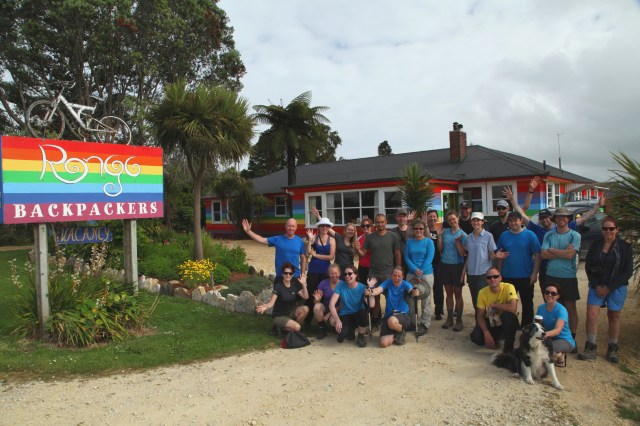
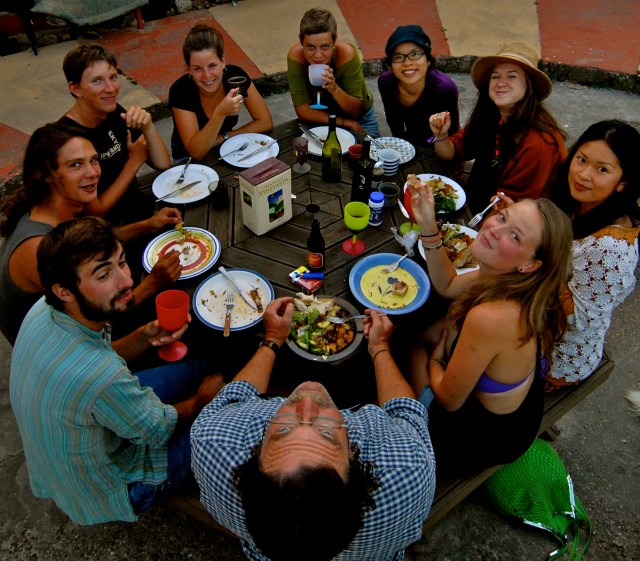
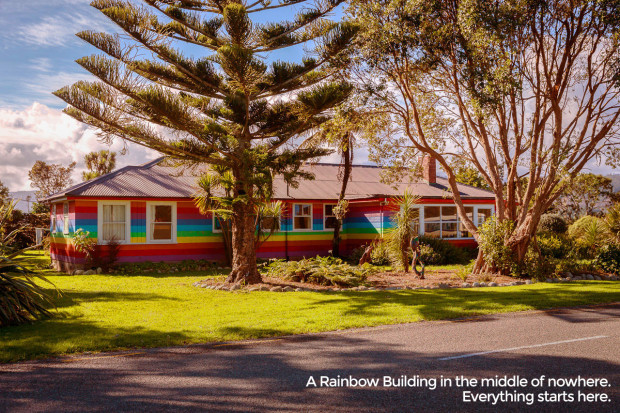
A wide range gentlemen from all parts of the Earthisphere arrived at Rongo Backpackers & Gallery on a spectacular Karamea evening to celebrate the end of Master Brian “Big Man” Thomson’s bachelorhood.

Yes Ladies, the Big Man has finally succumbed to the pressure of being so awesome and accepted the repeated requests for his hand in marriage from Mitsuyo “Little Lady” Numata and has agreed to be her bride.

maxresdefault

A Gentlemen’s Evening for the Big Man

 You are cordially invited to attend an evening of great music, fine wine, excellent food and frivolity to celebrate the ensuing nuptials of Brian “Big Man” Thomson and Mitsuyo “Little Woman” Numata.

It is our collective mission to ensure the Big Man enjoys the last vestiges of his freedom and solitude before he succumbs to an uncertain future of conjugal servitude.

Where? Rongo Backpackers & Gallery, Karamea

When? Saturday, May 21, 2016…4:30 p.m. to Late

Festivities will begin with a BBQ dinner at Rongo followed by a visit for light refreshments to Karamea’s finest purveyors of adult beverages and then back to the Rongo man-cave for the remainder of play…

***In anticipation of the possibility that attendees may consume more than the legal amount of ethanol permitted for legal road use, free accommodation is on offer in compliance with requisite health and safely regulations***

Big Man left this morning for three months in Japa

Brian the “Big Man” Thomson


****BYO Booze and Strippers****

The BBQ was prepared, rocket stove fired up, buns buttered, dough kneaded, decks swabbed and Karamea Radio 107.5 FM playlist sorted…bottle caps popped at around 4:00 p.m.

The right honourable began to arrive…a mighty effort was made by two fine gentlemen from across the mountains in Motueka to attend the gala event, others came from Germany, Australia, Belgium and Japan….a few of the gentlemen were in fact gentlewomen, but that was of little concern to all assembled…the party just continued as planned and such details were taken in stride.

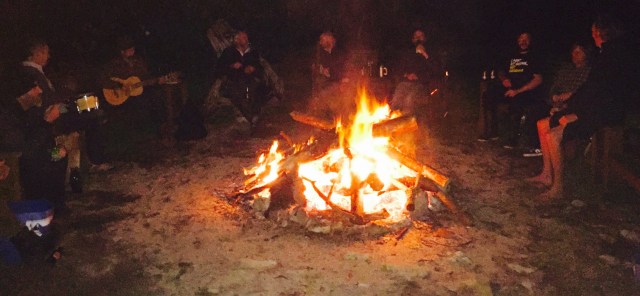
Coincidentally, a full moon happened for the night and the stormy weather parted to reveal its radiant magnificence, the wind dropped to zero…it was as if the Karamea Gods had smiled upon us and sanctioned the event favourably by providing perfect meteorological conditions for play…and the games began…

Dr David DeBateman was the first to open his legend account…After several long Ranfurly Draughts and considerable heated conversation about subjects passionate to him, Dr DeBateman, who is locally known as “BIGGA,”  was offered a double chance too rich for his Scottish roots to deny…single malt whiskey for free!…He embraced his good fortune with keen avarice.

A short time later, after he’d tangled with the chilly bin (esky for our Aussie readers) and had a bit of a roll around on the lawn in the ice and water before his colleagues managed to place him in a seated position on a bench by the bonfire to dry out two ways. Gravity was the next problem facing our hero, his head gradually became heavier and dropped lower until he succumbed to gravitational force and rolled off the bench head first into a kind of alcoholic happy baby pose before collapsing in a heap and performing vomitus ejecta for the lads. The first casualty of the evening.

The Zimbabwean troubadour was the next to go down…after strumming accompaniment to the GuppStar’s flute and bongos for several hours…he crumpled into a heap at the edge of the bonfire and was soon snuggled into a hastily fashioned swag. Casualty two.

The somewhat sexist and possibly misogynistic cultural tradition of inviting some friendly ladies to dance suggestively and disrobe proved somewhat difficult to honour as such services proved unavailable locally. Attendees were invited to BYO strippers, but all gentlemen rightfully failed to do so…the only member to see a naked woman all evening was DJ DeBell…well played Sir!

After a hard day’s party preparation, DJ Who settled into taking some RedBull and Russian fire water by the horns and embraced the evening with a rare display of ethanol consumption…depravity and lascivious salaciousness ensued, but only in his own mind.

The line of the night belonged to DJ Prospector, when, with delightful irreverence, he questioned the tradition of the Japanese wedding kimono attire and asked of the Big Man, “Who’s gonna strap you into the clown suit?”

7b09daec243d1021aea35c95dcea0bcb

Japanese-Wedding-Dress

The Swiss Ambassador, Yvan “l’ enfant terrible” Bosteels, who had made a tremendous effort to attend the soirée,  managed to descend into a deep post-prandial slumber after a sumptuous repast of local small goods, rocket-stove pizzas and Bambi burgers (BIG thank you to the galley team of Dr BC and “Messers” Schmid and Huth) and completely missed most of the festivities…he did, however, make a midnight appearance to provide sober counsel as to whether the health nurse should be summoned from her slumber to attend the excesses of Masters Bigga and the Troubadour. After much deliberation and consideration of all affected stakeholders…The blower was switched off and Bigga was carted off to the Karamea Radio Shack to allow the passage of time to restore his faculties.

Quite a few gentlemen, including the Big Man himself, did a spot of gardening throughout the course of the evening…Vincenzo spent a bit of time among the garden gnomes and the Groom found himself stuck in a drainage ditch too ashamed to call for help…after extracting himself from the mud, the star of the party returned to the fire only to find everyone-except a roaring DJ Prospector-had gone home to bed.

DJ Crap visited the home of Dr DeBateman the following morning (after discovering his resurrection from his makeshift radio shack tomb) to return his beanie and cellphone…horror awaited as the half-asleep, near-naked, fluoro-white Bigga answered the door in black briefs with half a woody and sick in his beard. After determining that Bigga hadn’t got dead, he hastily and gratefully retreated in desperate search of a more pleasing aesthetic.

In other news…Big Phil also bailed quite early when his boss came buy to pick him up and take him home…no doubt who wears the slacks in that house!

20160402 (6)

All the best for you ensuing nuptials Brian “Big Man” Thomson and Mitsuyo “Little Woman” Numata.

That’s RIGHT!

Posted in 107.5 FM, Big Man, DJ Crap, Entertainment, Environmentally Responsible Business, Funny, Hilarious, Hilarous, Humor, Humour, Japan, Karamea, Karamea Radio, LivinginPeace Project, New Zealand, Parody, Paul Murray, Peace, Photography, Rongo Backpackers & Gallery, Social Commentary, South Island, Travel, Uncategorized, Wedding, West Coast | Tagged , , , , , , , , , | 3 Comments

Kawatiri Sculptors Expose the Art in Rock and Wood

Off the Top of My Head

By Paul Murray

“Ogni blocco di pietra ha una statua dentro di sé ed è compito dello scultore scoprirla.”
Michelangelo di Lodovico Buonarroti Simoni
“Every block of stone has a statue inside it and it is the task of the sculptor to discover it.”
Michaelangelo

IMG_1321

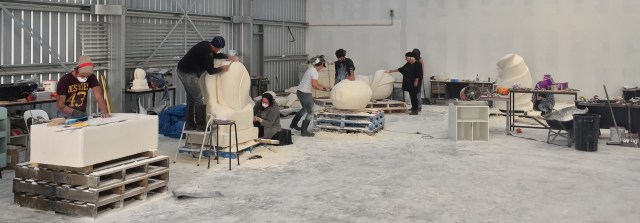
The Kawatiri Sculpture Symposium was a hive of activity on Wednesday afternoon as the sculptors worked feverishly to complete their works ahead of the Friday afternoon deadline.

Talented sculptors from across New Zealand and one from France arrived in Westport two weeks ago to begin work on shaping amorphous blocks of marble, limestone and wood into artworks of incredible beauty.

The public is invited to visit the venue at 8A Rintoul Street, Westport at 3-5:00 p.m. daily to watch the sculptors at work and to attend an unveileing ceremony on Friday May 20 from 6-8:00 p.m.

Many of the works from the symposium will be placed at strategic locations throughout the Buller region to artistically enhance our beautiful environment and urban landscape.

If you are in the region of Westport the week, please stop by and check out the action at the Kawatiri Sculpture Symposium, or attend the presentation of the completed works on Friday.

###############################################################

Buller Arts Development in association with the Buller Arts and Recreation Trust and Tai Poutini Polytechnic is hosting the 10-day sculpture symposium in Westport between 9th – 20th May 2016.

The symposium has been developed to assist in the cultural rejuvenation of Westport and the wider Buller region. Arts have been identified internationally as a major contributer to creating a healthy and vibrant community. The impact of which has flow-on effects to regional economic development through providing a positive cultural atmosphere, attracting an educated workforce, tourism and business / industry investment.

In the last 2-3 years Buller has been hit hard with a massive economic downturn, with large redundancies in mining, low dairy prices and the up coming closure of Holcim cement works. This injection of public art is critical in the cultural and economic transformation of the Buller area, enhancing our urban landscapes to take advantage of the increasing tourism industry and providing a positive environment for residents.

The Kawatiri Sculpture Symposium is based around providing Tai Poutini Polytech – Hard Stone and Jade carving students an opportunity to participate in a real world scuplture symposium. These certificate and diploma students will work alongside over half a dozen established and local sculptors. Working over a 10 day period to create limestone, hardstone and wooden large scale sculptures, we expect that this will result in at least 12 large sculptures for placement throughout the Westport and wider Buller area.

IMG_1324

IMG_1328

Version 2

13178824_1027377577341703_7227367530236044842_n

Posted in Art, Artist, New Zealand, Sculpture, South Island, West Coast | Tagged , , , , , , , | Leave a comment

Scottish Artist Andy Goldsworthy Enhances Nature

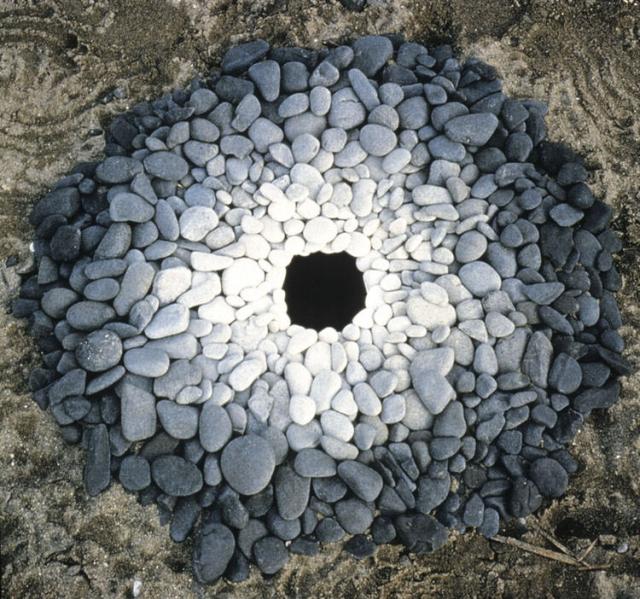
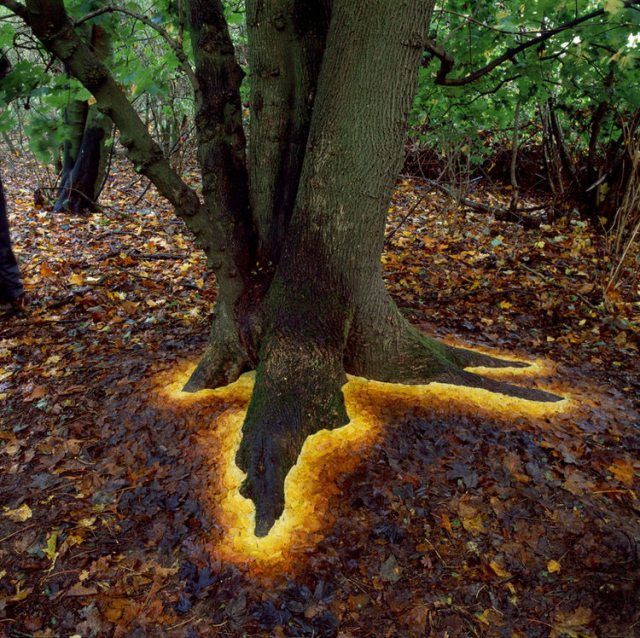
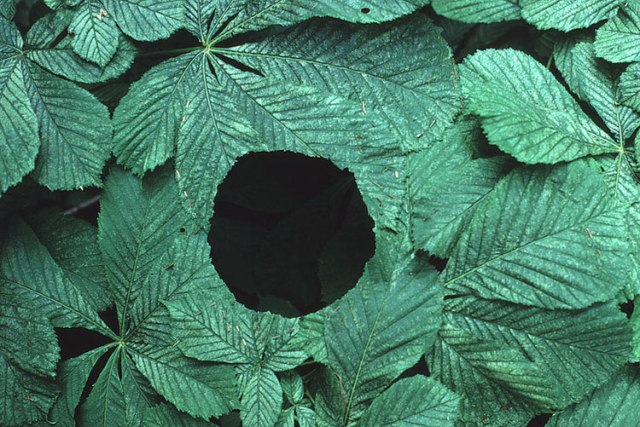
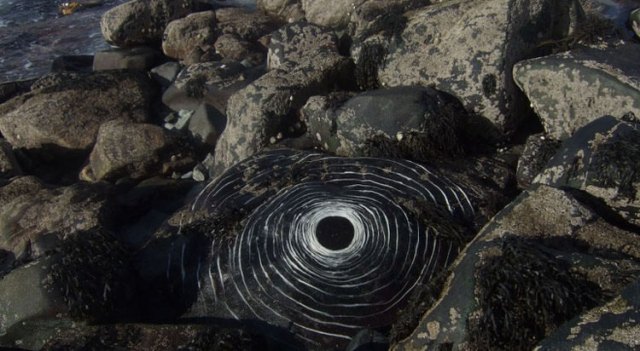
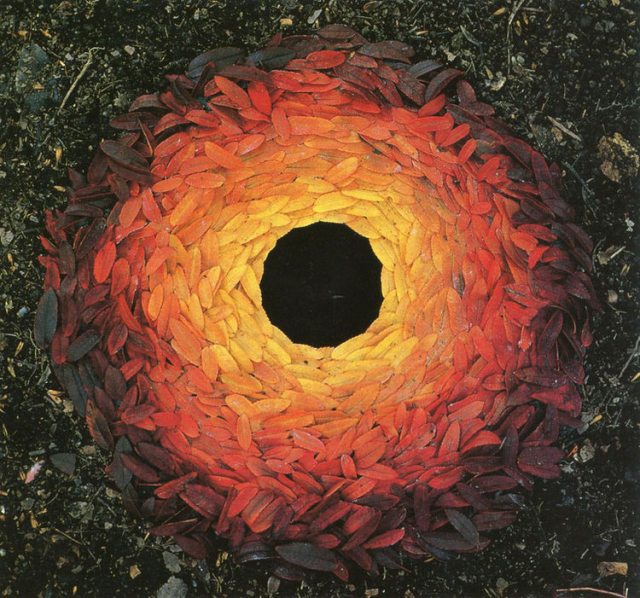
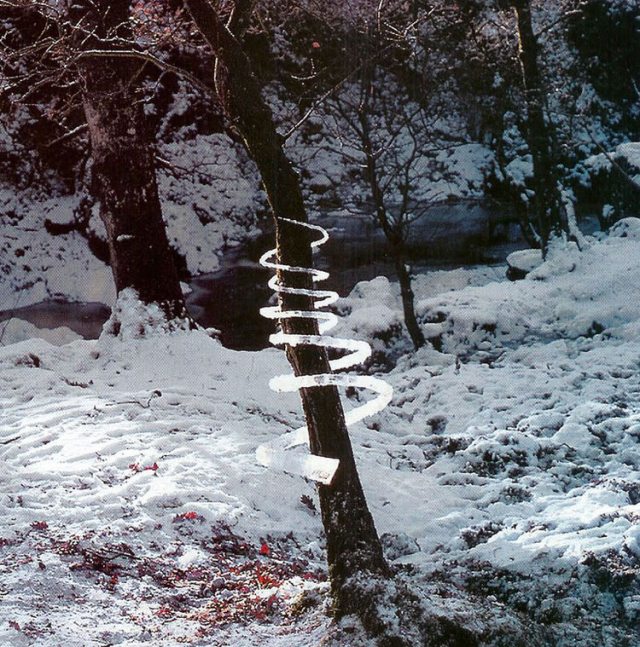
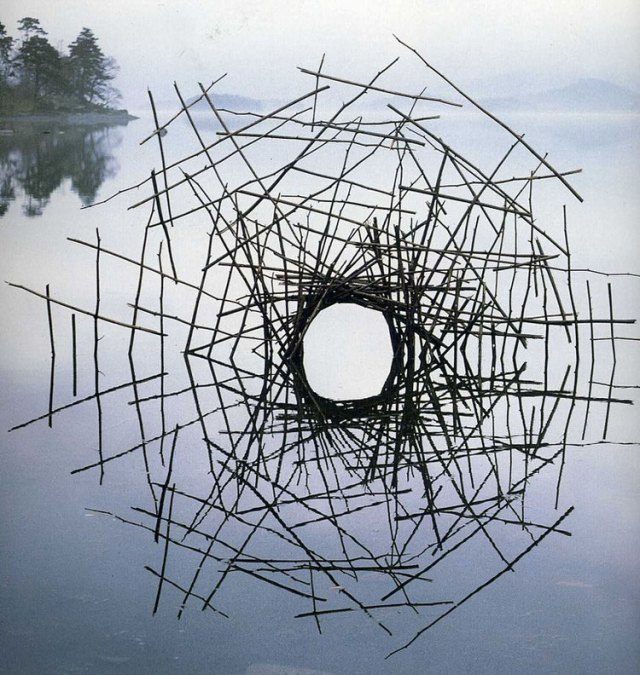
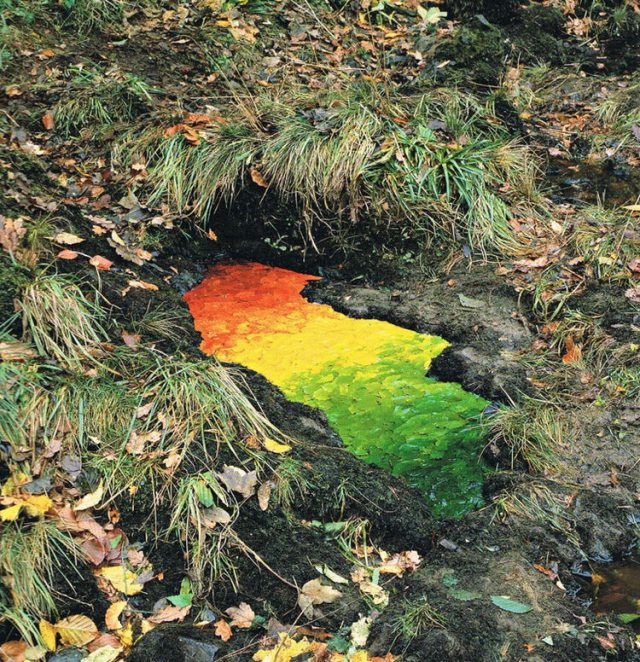
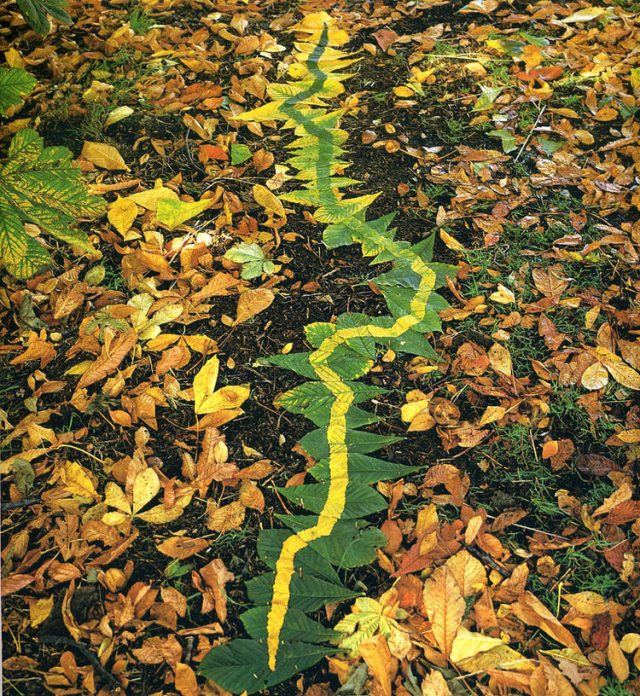
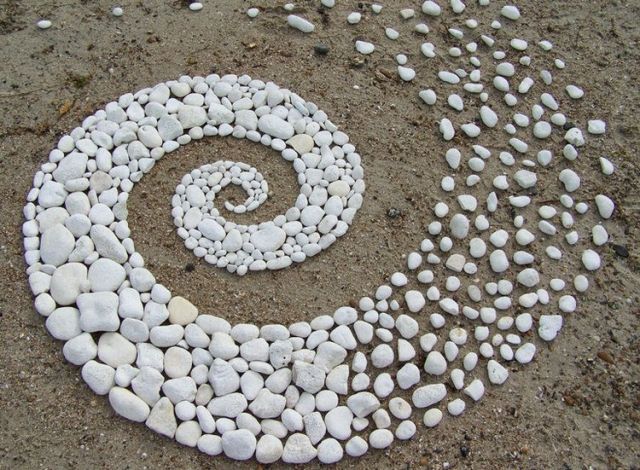
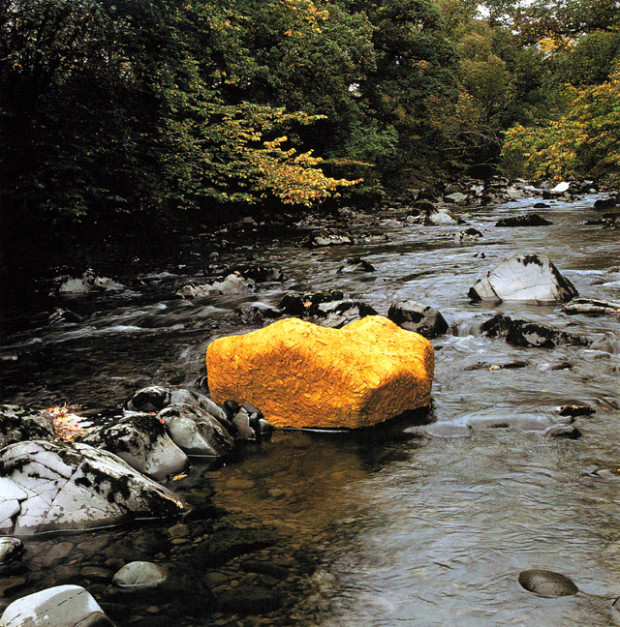
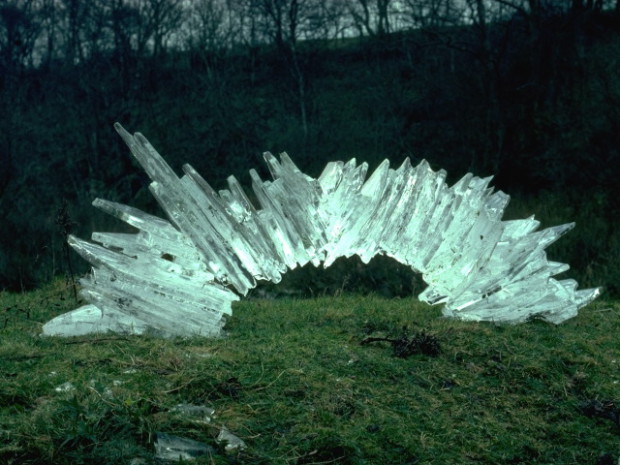
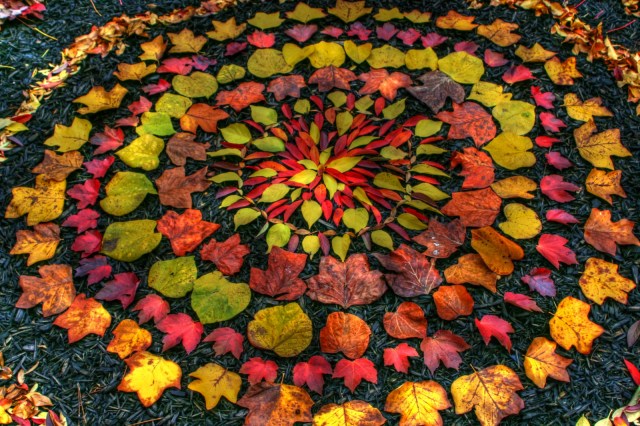
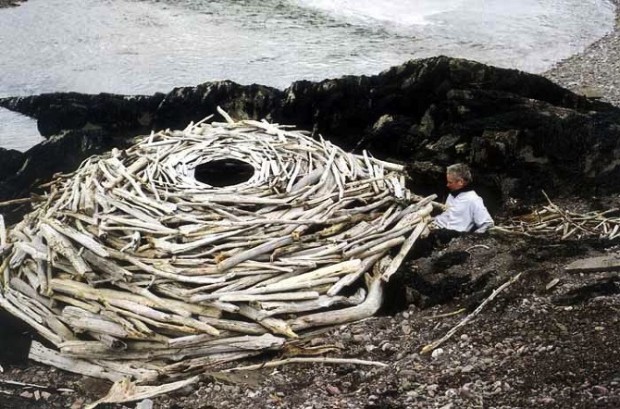
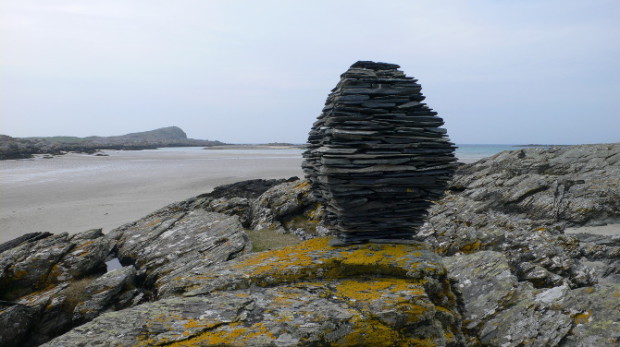
Scottish sculptor Andy Goldsworthy creates transitory works of art by arranging leaves, sticks, rocks or anything else he can find.

“When I make something, in a field or street, it may vanish but it’s part of the history of those places,” he said in an interview. “In the early days my work was about collapse and decay. Now some of the changes that occur are too beautiful to be described as simply decay. At Folkestone I got up early one morning ahead of an incoming tide and covered a boulder in poppy petals. It was calm and the sea slowly and gently washed away the petals, stripping the boulder and creating splashes of red in the sea. The harbor from which many troops left for war was in the background.”

land-art-andy-goldsworthy-1land-art-andy-goldsworthy-2land-art-andy-goldsworthy-3land-art-andy-goldsworthy-4land-art-andy-goldsworthy-5land-art-andy-goldsworthy-6land-art-andy-goldsworthy-7land-art-andy-goldsworthy-8land-art-andy-goldsworthy-9land-art-andy-goldsworthy-10land-art-andy-goldsworthy-11land-art-andy-goldsworthy-12land-art-andy-goldsworthy-13land-art-andy-goldsworthy-14land-art-andy-goldsworthy-15land-art-andy-goldsworthy-16land-art-andy-goldsworthy-17Andy-Goldsworthy-03Andy-Goldsworthy-04-620x627Andy-Goldsworthy-05-620x465Andy-Goldsworthy-06Andy-Goldsworthy-07-620x409

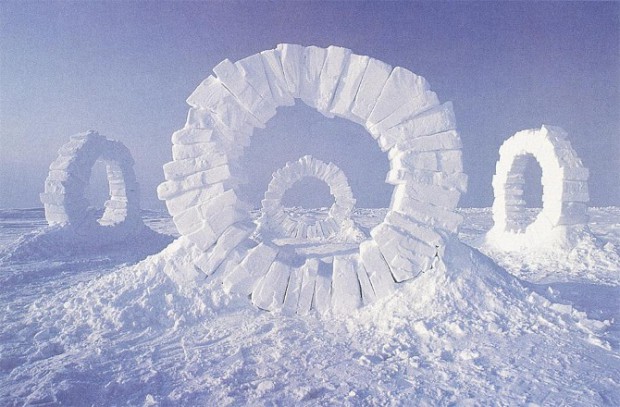
Andy Goldsworthy, Touching north, North Pole (1989)

Andy Goldsworthy, Touching north, North Pole (1989)

Andy-Goldsworthy-015Andy-Goldsworthy-016-620x409Andy-Goldsworthy-018-620x347Andy-Goldsworthy-019-620x563

Standfoto RIVERS AND TIDES

Standfoto RIVERS AND TIDES

Posted in Art, Artist, Conservation, Environment, Environmentally Responsible Business, Nature, Photography, Uncategorized | Tagged , , , , | Leave a comment

HELP…the “Karamea” Movie Needs You!

WED_9329

https://www.indiegogo.com/project/karamea-is-this-the-end-of-the-road/embedded

Posted in Artist, Business, Conservation, Education, Environment, Environmentally Responsible Business, Heaphy Track, Kahurangi National Park, Karamea, Karamea Estuary Enhancement Project, Karamea Radio, Karamea Radio 107.5 FM, LivinginPeace Project, Marco Gianstefani, Money, New Zealand, Oparara, Oparara Basin, Paul Murray, PDC, Peace, Permaculture, Photography, Radio, Radio Karamea, Resident artist, Rongo, Rongo Backpackers & Gallery, Social Commentary, Uncategorized | Tagged , , , , , , , , , , , , | Leave a comment

What’s Up DOC? (Batter the Birds)

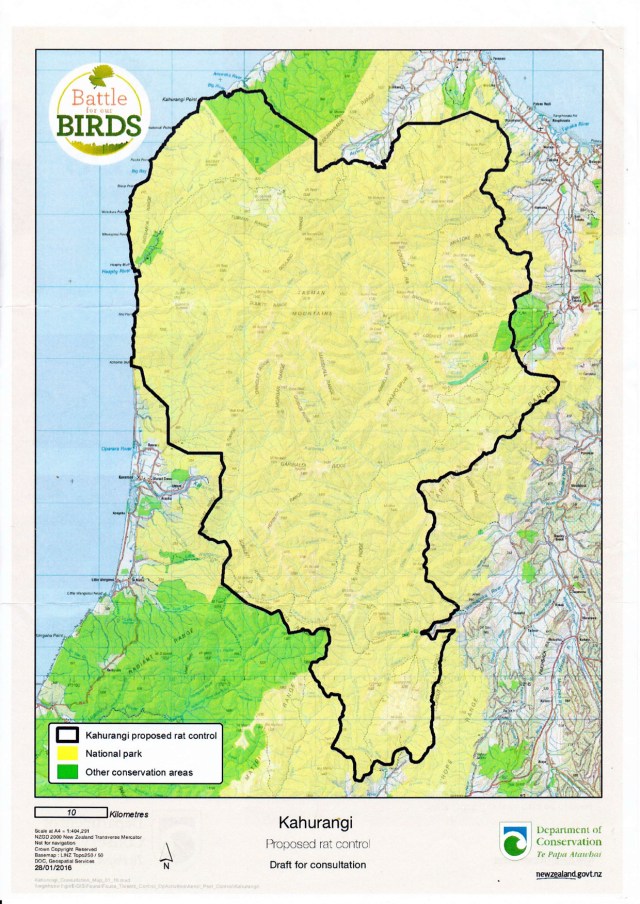
Department of “Conservation” plan to blanket Kahurangi National Park with 1080 poison……

Off the Top of My Head

By Paul Murray

Not good news I’m afraid….more from me soon….
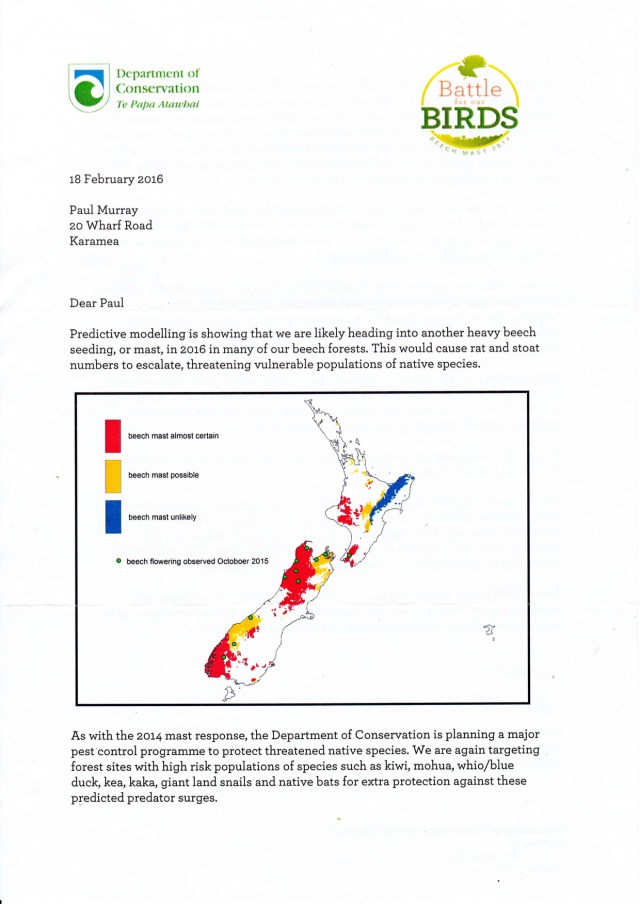
1080 jpg


1080 21080 31080 41080 51080 6

1

1

WHAT IS WRONG WITH OUR ENVIRONMENTAL SCIENCE?

INTRODUCTION:

The development of mankind over millennia has shown that we have the ability to think ideas through and work things out.

There were always some in the fledgling communities who ‘tried things out’. They chipped away at stone to see if they could make a sharp edge, they planted seeds to see if they could grow food closer to their new habitations, they found ways to cure animal skins.

This desire for knowledge has never wavered and as we became more sophisticated we developed tools to help us delve further into the unknown environments surrounding us such as microscopes and telescopes.

While in general the human population retains its interest in ‘things’ it has been diluted by our pace of life and the conflicting demands on our available time.

However not all of us in our communities have lost that driving passion for understanding the unknowns. Many have made it a lifelong challenge to shine light into dark and unknown places to see what is there, just as they always have done. These folk are our scientists. They are our seekers, testers, and challengers.

Science has been at the forefront of human development since the caveman days and its importance to us now is greater than it has ever been due to our burgeoning human populations.

IS SCIENCE ABSOLUTE?

No, definitely not.

Science is not about absolutes, it can always be refuted. In fact good scientists, who really

understand their craft, have a strong desire to be proved wrong when they propose a hypothesis they have developed from studying some natural phenomenon.

The world’s best scientists are tied by a common thread:-

  • They challenge the givens.
  • They are sceptics.

These healthy attributes ensure that for any given hypothesis other scientists will devise other experiments to see if they can corroborate the original conclusions or extend the observations to discover if there is a range over which the conclusions hold true. In other cases additional scientific endeavour may discredit the original conclusions because of some incorrect interpretation of data or missed observations or the advent of more accurate measuring tools.

2


Science is organised scepticism trying to prove work wrong or trying to look for alternative explanations for current results.

“Science is not about truth, but doubt; not about knowledge, but ignorance; not about revealed facts, but uncertainties.”1

WHY IS SCIENCE UNCERTAIN?

Many scientists are not independent.

They are often tied to employment relationships with funding organisations which require

that they tend to produce science which is pleasing to the funders so future work and employment is assured.

“Observer effects are rooted in the universal human tendency to interpret data in a manner consistent with one’s expectations. This tendency is particularly likely to distort the results of a scientific test when the underlying data are ambiguous and the scientist is exposed to domain-irrelevant information that engages emotions or desires”2

“..one of the strongest distorting influences is the reward systems that confer kudos,

tenure, and funding. “I could be patient, or get lucky—or I could take the easiest way,

making often unconscious decisions about which data I select and how I analyze them, so that a clean story emerges. But in that case, I am sure to be biased in my reasoning.”3

It has been reported widely in our own news media that the scientific community itself is concerned with the impact that funding streams can have on bias in science.

HOW DOES THIS BIAS DEVELOP?

It is possible that every piece of science produced over the millennia has had some degree of bias associated with its findings as it is a human trait to tend to find what one is looking for or to interpret observations which fit the expected results

Bias is not a conscious decision in science but its impact can be enhanced by the conditions under which scientists work.

A comparison between today and the 15th century may help explain this.

In the year 1600 Giordano Bruno was burned to death at the stake.

At the time the Catholic Church was all-powerful and decreed that the Sun revolved around Earth.

1 (http://www.huffingtonpost.com/henry-gee/science-and-religion-trut_b_4079194.html)

2 (http://en.wikipedia.org/wiki/Experimenter%27s_bias)

3 (https://judithcurry.com/2015/05/14/tackling-human-biases-in-science/)

3


Bruno established the fact that the Earth revolved around the Sun.

In our modern times a consortium of organisations is all-powerful (including TbFreeNZ,

Department of Conservation, The Forest and Bird Society, and a succession of NZ

Governments), and decreed that the widespread un-targeted aerial distribution of the world’s most powerful insecticide over vast areas of New Zealand’s natural areas did not kill insects.

In 1994 a scientist named Mike Meads undertook experiments and observations and established that in fact very large numbers of insects were killed by the distribution of the insecticide not only in the treatment areas but also in large areas outside it.

Bruno proceeded to spread his findings in his community and this drew the attention of the Catholic State which then demanded he recant his findings because they were contrary to the ‘facts’ established by the church.

Meads attempted to have his scientific paper published and even though it received a number of confirming peer reviews the aerial poisoning consortium refused its publication.

Bruno refused to recant his scientific findings and this was one of the reasons why he was burnt to death at the stake.

Meads refused to recant his scientific findings and found himself unemployable in any of the scientific organisations which drew funding from the aerial poisoning consortium.

The punishment of both Bruno and Meads sent a clear message to their scientific communities that if you did not toe the line and produce science results acceptable to those with power over you then you will be harshly dealt with.

The treatment of Bruno was not an isolated incident of suppressing contrary science.

In 1632 Galileo, known variously as the “father of science”, the “father of astronomy”, and the “father of modern physics” refused to recant his scientific findings and was sentenced to death which was then commuted to house arrest and spent the rest of his life unable to leave his home.

Today, apart from the refusal to publish contrary science, the suppression of modern scientific research is a little more subtle.

An example is the funding provided by the aerial poisoning industry to the science community to study, as stated in the abstract “This paper presents the first results from a 5year study investigating the benefits to terrestrial invertebrates of reducing the abundance of mammalian predators in forested sites in Tongariro National Park, New Zealand.” 4

(My underlining)

What this means is that only benefits to insects by pest control inputs are being reported. If negative impacts are discovered they will not be reported as they fall outside this scope.

Clearly this is totally against the concept of true scientific endeavour.

Two more cherry-picked quotes from a discussion document written by scientists themselves may help understand this fault of scientific bias better.

4 (Potter, M.; Stringer, I.; Wakelin, M.; Barrett, P.; Hedderley, D. 2006: Effects of pest control on forest invertebrates in Tongariro National Park—preliminary results. DOC Research & Development Series 230. Department of Conservation, Wellington .17 p.)

4

“…the problems of false findings often begin with researchers unwittingly fooling

themselves: they fall prey to cognitive biases, common modes of thinking that lure us

toward wrong but convenient or attractive conclusions.”5

“Whereas the falsification model of the scientific method championed by philosopher Karl Popper posits that the scientist looks for ways to test and falsify her theories—to ask “How am I wrong?”—Nosek says that scientists usually ask instead “How am I right?” (or equally, to ask “How are you wrong?”). When facts come up that suggest we might, in fact, not be right after all, we are inclined to dismiss them as irrelevant, if not indeed mistaken.”6

There is no question that bias is alive and well in science.

HOW DOES SCIENCE MITIGATE AGAINST BIAS?

Another two quotes from scientists point to the answer.

“A common response to this situation is to argue that, even if individual scientists might fool themselves, others have no hesitation in critiquing their ideas or their results, and so it all comes out in the wash: Science as a communal activity is self-correcting. Sometimes this is true—but it doesn’t necessarily happen as quickly or smoothly as we might like to believe.”7

For science to eliminate bias and be self-correcting there has to be efforts to prove the existing science wrong. These efforts do not exist with our aerial poisoning industry. There is no self-correcting contrary science.

“But the process is key – to throw your assumptions open to challenge and see where it goes. In this way we can fight our individual bias and the collective biases emerging from consensus building activities.”8

Again, this all-important ‘process’ can only occur if other scientists are studying the same subject but from different angles, different perspectives, and different beliefs, so the biases can cancel out.

This is not happening with our aerial poisoning industry. This ‘for’ and ‘against’ stance is essential in scientific research and the only way to reach consensus is for studies to be undertaken by both sides so unscientific bias can be identified and discarded.

There is much truth in the adage – “There are three sides to a story. Your side of the story, my side of the story, and the truth.”

5 (https://judithcurry.com/2015/05/14/tackling-human-biases-in-science/)

5

It is only when the biases are cancelled out that the truth can be found.

This is how science SHOULD work.

IS SCIENTIFIC BIAS SUCH A BAD THING?

Yes it is because it can cause great harm by slowing down our ability to realise when we are making mistakes.

There are many thousands of examples of this with a good example being the studies into cigarette smoking and its impact on human health.

“It is estimated that 17.7 million Americans died from tobacco-related causes between 1964 and 2012.” 9

Had the tobacco industry-sponsored scientists not been biased in their work many of those folks may have lived long and productive lives.

The link between cigarette smoking and negative health impacts was detected early:-

“Between 1920 and 1940, a chemist named Angel Honorio Roffo published several articles showing that cancers could be experimentally induced by exposure to tars from burned tobacco . Roffo et al. further showed that cancer could be induced by using nicotine-free tobacco, which means that tar, with or without nicotine, was carcinogenic.”10

Yet in November 1953 a press release issued by the American Tobacco Company stated:-

“…no one has yet proved that lung cancer in any human being is directly traceable to

tobacco or its products in any form” and scientists were used as the perfect foil for the

tobacco industry’s public relations response to allegations that cigarette smoking was

injurious to health. Scientists could be counted on to call for more research, giving the

impression that there was controversy. In addition, by supporting scientific research, the industry would be seen as doing something positive to address the serious allegations that smoking was harmful.11

This is directly comparable to, and parallels, the aerial poisoning arguments currently occurring in New Zealand.

Contrary science is essential in scientific research as the only way to reach consensus is for studies to be undertaken by both sides so mistakes can be identified and correctly quickly. With the ‘cigarette smoking and its impacts on human health’ debate there were 7000 scientific studies undertaken with over 41 million pages of material and 9 million distinct documents before the tobacco industry could be held to account.

9 (http://www.popsci.com/article/science/100-years-smoking-studies-popular-science)


6

That was at least 17.7 million deaths too long. We HAVE scientists whose continued employment and future advancement relies on scientific funding from the aerial poisoning industry.

We DO NOT HAVE scientists who have the infrastructure and funding to study the negative impacts of the aerial poisoning industry.

We HAVE our equivalent of the pro-tobacco smoking lobby in the aerial poisoning industry. We DO NOT HAVE our equivalent of a well-funded health industry to counter the risks of the aerial poisoning industry.

WHAT IS WRONG WITH OUR ENVIRONMENTAL SCIENCE?

A lot.

We do not have the all-important balancing science so the truth can be found. As has already been explained science is about doubt, ignorance, and uncertainty and scientific results should always be viewed with scepticism and be rigorously tested. This is not happening with the aerial poisoning industry science. Any competent scientist will always ask to see the contrary science, the science that opposes a particular point of view. A competent scientist will ask “How am I wrong?”

Our environmental scientists are too insecure to appeal for contrary science. They don’t want to become a Mike Meads, they want to continue to house and feed their families so they must remain in the shadows exactly where their paymasters want them to be. It also raises ugly questions when considering the “Reassessment of 1080” exercise undertaken by the then Environmental Risk Management Authority (ERMA) in 2007.

At no stage did the ERMA reassessment committee ask to see the contrary science. This failure in itself shows that the reassessment committee was not competent to undertake the scientific review because it did not understand how science has to work to be reliable.

The Parliamentary Commissioner for the Environment (PCE) has made numerous public statements supporting the aerial poisoning industry but not once has she called to see the contrary science nor has she alluded to its absence as being a major flaw in the science or as a threat to the environment.

For such a powerful public servant to be unaware of how true science works bodes ill will for our environment.

Parliamentarians such as Nick Smith (Currently Minister for the Environment) have frequently stated publicly that “the science is clear” when the science is NOT clear.

The science is definitely not clear and until we get the all-important contrary science we will not achieve the necessary scientific balance and the truth will not be known.

ERMA (now the Environmental Protection Authority, EPA), the PCE and Nick Smith are all firmly lodged on the side of our equivalent of the tobacco industry.

7

In 1953 they would have been advocating strongly for the tobacco industry in the absence of the contrary science that was yet to come.

It is not just tobacco. Remember DDT, Dioxin, Agent Orange, Thalidomide, Asbestos, and many hundreds of other human and environmental health risks which we had been told were safe, but have since had the glaring light of truth beamed onto them by the application of contrary science.

An excellent recent example of how contrary science works is the discovery that the rate of expansion of the universe is increasing.

The very brave scientist who discovered this was ridiculed by the scientific community because his finding was in direct opposition to the established ‘truth’ that the rate of expansion was decreasing.

Other scientists set out to disprove his findings only to discover that the controversial results he had produced were true. It is now universally accepted that the rate of expansion is growing but it took the production of contrary science to reach this point. Without contrary science there is no ‘truth’.

This is what we are missing.

ARE WE EVER LIKELY TO GET CONTRARY SCIENCE PRODUCED IN NZ?

Probably not.

Too many people have taken too strong a stance supporting aerial poisoning operations over our countryside.

Too many people believe what they have been told by the publicly funded aerial poisoning industry.

Too many people and the poisoning organisations themselves face being proved wrong and the embarrassment that would entail.

However the main reason is “follow the money”.

The aerial poisoning industry has been given eye-watering amounts of public money every year for years to undertake their campaigns and this has created bureaucracies and vested interests which have unlimited funds at their disposal to actively lobby for the continuation of the status quo.

Remember that aerial poisoning has been widespread for over 30 years in this country and yet each year the artificially created ‘crisis’ facing our native species gets worse. The lobby opposed to aerial poisoning lacks resources and are unlikely to receive public funding to produce their science and prepare mass marketing campaigns.

The lobby opposed to aerial poisoning does not have the funds to hire truly independent

overseas scientists to undertake contrary science. The lobby opposed to aerial poisoning do not have access to forested areas to undertake research and the permission needed to do so will almost certainly be denied by the aerial poisoning industry.

8

WHERE DOES THAT LEAVE US?

With our poisoning campaigns the population of New Zealand is in a similar state to the population of Germany even as the allies prepared to cross the Rhine and invade that country at the end of the Second World War.

The German population had been fed so much propaganda from controlled government sources that they still believed they were winning.

Similarly in Japan.

Even though their cities were being bombed out of existence the population was controlled by so much state propaganda that they still believed the war was going well for them even in the face of the glaringly obvious.

They had been brainwashed.

So has New Zealand’s general population with regard to widespread poisoning operations.

The vast majority of us believe what we are told to believe by State sources.

We have not been given the ‘for’ and ‘against’ science for us to make up our own minds.

We have been told how to think.

If you ask a group of children if it is wise to spread a deadly poison over vast areas of our

land they would easily conclude that it is foolish yet we have aerial poisoning organisations which advocate for and carry out such operations.

Isn’t it sad that children have more simple common sense than a whole raft of government and near-government organisations.

It will be these same children who will more than likely be adding aerial poisoning to the list of DDT, Dioxin, Agent Orange, Thalidomide, Asbestos, Mercury, Arsenic, Cadmium, Lead, Nicotine, and hundreds of others in their turn when the truth becomes known. Isn’t it also sad that we are not smart enough so we can do that for our kids now?

Acknowledgments:

Grateful thanks to Graham Sperry of the New Zealand Wildlands Biodiversity Management

Society, and an anonymous reviewer, for valuable comments on the drafts of this document.

Murray Dench

dpds@xtra.co.nz

02/05/16

Posted in Buller District Council, Bureaucracy, Conservation, Department of Conservation, DOC, Economics, Education, Environment, Environmentally Responsible Business, Health, Heaphy Track, Kahurangi National Park, Karamea, LivinginPeace Project, Money, New Zealand, Oparara, Oparara Basin, Paul Murray, Politics, Power, Rongo Backpackers & Gallery, Social Commentary, South Island, Sustainablity, Uncategorized, West Coast | Leave a comment

Italian Director Denied Entry to Complete Karamea Doco


By Aimee van der Weyden

Marco Gianstefani chose Karamea as the place to make a documentary about sustainable living. Photo / Margaret Walford

Marco Gianstefani chose Karamea as the place to make a documentary about sustainable living. (Photo by Margaret Walford)

The foreign director of a documentary film about Karamea is unable to return to finish filming because he was deported at Auckland Airport.

Marco Gianstefani from Milan, Italy, spent two months in Karamea in April and May, 2014. He filmed the township and interviewed its people – in particular those involved in the LivingInPeace Project, founded by local man Paul Murray.

Mr Gianstefani had planned to return to Karamea last month to gather more footage and complete the film, Mr Murray said.

He went to Perth to fly to Auckland, but because he hadn’t purchased a return ticket wasn’t able to enter New Zealand. He then bought a return ticket and boarded the flight to Auckland as planned, Mr Murray said.

“That must have set off some kind of a red flag at immigration.”

When Mr Gianstefani landed in Auckland he was sidelined by an immigration official and “interrogated” for five hours.

Mr Gianstefani was tired and English was his second language, so during the interrogation he mistakenly told officers he was a WWOOFer (Willing Worker on Organic Farms). “That was totally the wrong thing to say because of course he didn’t have a working visa,” Mr Murray said.

Immigration then “booted” Mr Gianstefani out of the country.

Marco III


Marco Gianstefani at the old Fisherman’s Bach, Scott’s Beach, Heaphy Track (Photo by Paul Murray)

“He’s now in Melbourne, working on the film and working on promoting the film, waiting to try and get back into New Zealand.”

Mr Gianstefani had hired a lawyer, and he and Mr Murray were seeking help from Buller Mayor Garry Howard and West Coast/Tasman MP Damien O’Connor to try and overcome the immigration barrier.

“It’s a total misunderstanding,” Mr Murray said.

Resident artist

In early 2014, Mr Gianstefani was a guest at Karamea’s Rongo Dinner Bed & Breakfast, owned by Mr Murray.

Over dinner one night, he told Mr Murray he’d been travelling around the world looking for a place to make a documentary film about sustainable living, Mr Murray said.

“He found that Karamea was the place he wanted to do that. It was pretty exciting for us.”

Mr Murray invited Mr Gianstefani back as a resident artist and gave him free accommodation at Karamea Farm Baches for two months.

Filming took place around the time of Cyclone Ita – Easter 2014, Mr Murray said.

“He took about 500 hours of footage, interviewing people associated with what we’re doing [the LivingIn Peace Project] and also other local people.”

The Living in Peace Project, which aims to incorporate art, travel, permaculture and education into a sustainable business, had peaked Mr Gianstefani’s interest initially, Mr Murray said.

Mr Gianstefani then discovered how interesting the wider Karamea community was.
“It’s very much about Karamea more than the Living in Peace Project … I guess we’re the main protagonists in the story,” Mr Murray said.

Marco I


Marco Gianstefani at Kohaihai, Heaphy Track, Karamea (Photo by Paul Murray)

After filming, Mr Gianstefani returned to Milan to start the “enormous process” of turning the footage into an 80-90 minute film.

Mr Gianstefani had “quite large aspirations” for the film, Mr Murray said. “He has mentioned that he’d like to put it in the Sundance Film Festival.”

Mr Gianstefani was, at one time, the creative director for the largest advertising agency in Italy. “He’s a seriously talented guy,” Mr Murray said.

Marco II

Marco Gianstefani on Scott’s Beach, Heaphy Track, Karamea (Photo by Paul Murray)
 

Not everyone pleased

Karamea dairy farmer Brian Jones was interviewed for the film. Mr Gianstefani asked him questions about his occupation and what he thought of Mr Murray and the LivingIng Peace Project, he said.

He believed the film would have a strong focus on Mr Murray and his enterprise, however, it was hard to know for sure. “I don’t think anyone quite knows what the complete product is yet.”

A few locals would no doubt be “disappointed” with how the film portrayed Karamea, he said.

“We are a fairly diverse community up here … I don’t think you’d ever get 50 per cent of the community to agree on anything.”

The film had the potential to attract more tourism to Karamea, however, it wouldn’t be mainstream tourism, Mr Jones said. The majority of tourists would likely be those seeking/living an alternate lifestyle.

Westport News

“Karamea” Movie Trailer: KARAMEA – Is this the end of the road?

By Marco Gianstefani.

LivingInPeace Project Video: The LivingInPeace Project

By Louca Mee and Elise London: PassitonFilms

KARAMEA – Is this the End of the Road?

The Karamea documentary movie follows the inspiring journey of a bunch of innovators that have made this community their home, attempting to “change the world” from one of the most remote places on earth.

Karamea is a sort of social, economic and ecological experiment where people can touch what really means to live sustainably.

They might be far away from mainstream civilisation, but this community is tightly knit and passionate about living the way they choose to.

We want to show you this ‘other way to live’ through the stories of those that created and are living this dream in “Karamea: Is this the end of the road?”

We are funding this project ourselves completely and we need your help to get us over the line.

WHY THIS DOCUMENTARY.

This documentary started by chance. Marco was there as a Traveller, and it started from that feeling of tranquillity and joy you experience as soon as you arrive in Karamea. One of the thing we remember saying to many people were interviewed is: “If we’re only, only able to grab 15% of what it feels to be here, the movie is gonna be really loved ”.

That’s precisely why we think this story needs to be told: we want everybody to feel, even for a moment, what is like to be in Karamea. And learn from them.

ABOUT KARAMEA.

It is only a 3 to 4 hour drive from the nearest point of civilisation as we know it; yet it could be another world. It is the town of Karamea, at the top of the West coast of New Zealand’s southern island. And it’s a place where you can touch what could be the future for the rest of us.

Karamea pops up, literally, “at the end of the road”. It’s precisely 100 kilometres from the nearest town, but is an island of community surrounded by a beautiful, green and lush national park.

So, do people really live here? Absolutely. And this is exactly where things get interesting. 

As the documentary trailer for Karamea says “answers sometimes may be found where least expected”.

THE PEOPLE.

As we meet Karamea’s people, we realise that they’ve managed to live… a little bit differently from the way most of us do.

Instead of just talking about problems, how the world is drifting away or the social theories and ecological systems to save it, they are putting in practice an actual process toward sustainability where everybody takes their part in this “there is another way to live” project.

It is simply a philosophy of “quality over quantity” that the people of Karamea practice in every aspect, following the sustainable living playbook their own way. And the results are staggering: prosperity, community, success, and that elusive goal of people in the modern world, happiness.

THE COMMUNITY.

This is not a community of old-fashioned hippies, and there are no communal rules that impose how to live and behave with others. Instead, there is private property, and a economic system based on exchange or barter (either it’s food or work) to cover the majority of people’s needs. With fewer places to use it, money is spent wisely and less frequently, leaving no room for conspicuous consumerism.

The pillars of the Karamea lifestyle are also renewable energies, organic agriculture and permaculture design; but it isn’t just about solar power, water supply tanks or “growing your own tomatoes”, is way more.

It is such a compelling place that travellers who plan to pass through for a night end up staying for months or years, getting involved in the unpredictable vitality of the town.

IMG_4326

Karamea Radio Show by Marco Gianstefani:

DJ Marco Gianstefani is a documentary filmmaker and he stayed with us at Karamea Farm Baches, Rongo and the LivingInPeace Project for two months filming the lives of people in Karamea at the top of the West Coast of the South Island of New Zealand. He put together a great radio show featuring 20 songs from 20 different movies…great music here as well as interesting commentary on the movies…enjoy!

Rongo Dinner Bed & Breakfast: http://www.Rongo.nz

LivingInPeace Project: http://www.LivingInPeace.com

Karamea Radio: http://www.facebook.com/KarameaRadio107.5FM

Karamea Community Website: http://www.Karamea.org.nz

Heaphy Track: http://www.HeaphyTrack.com

After three months of political wrangling and legal tête-à-tête and in the words of Marco “sending a tornado up the whale’s arse”…we won! Marco will return to New Zealand with a working visa to complete the film in 2017…thanks to all concerned especially the legal team and Marco for their unwavering determination to overcome this heavy-handed bureaucratic nonsense…


Marco-Letter form Immigration NZ copy


Posted in 107.5 FM, Art, Artist, Artist-in-residency programme, Bureaucracy, Business, Department of Conservation, DOC, Environment, Environmentally Responsible Business, Heaphy Track, Kahurangi National Park, Karamea, Karamea Estuary Enhancement Project, Karamea Radio, Karamea Radio 107.5 FM, LivinginPeace Project, Marco Gianstefani, Media, Nature, New Zealand, Oparara, Oparara Basin, Paul Murray, Permaculture, Photography, Politics, Power, Radio, Radio Karamea, Resident artist, Rongo, Rongo Backpackers & Gallery, Social Commentary, South Island, Sustainability, Sustainablity, Travel, Uncategorized, West Coast | Tagged , , , , , , , , , , , , , , , , , , , , , , | Leave a comment

Karameans Rally to Protest Cop Shop Chop

Off the Top of My Head

By Paul Murray

A review of police services on the West Coast by N.Z. Police Superintendent Karyn Malthus recommended that the Karamea Police Station be “disestablished” and the police constable be relocated. This would mean the region, which is perhaps the most remote rural region of mainland New Zealand, would be without a permanent police presence. Righteous indignation among Karamea residents was the immediate result and and a wave of antidisestablishmentarianism swept through the local populace.

Karamea residents were quick to coordinate their opposition to the proposal. The owners of the Karamea supermarket Juliette and Jason James made T-Shirts and local musician and mum Laura Sonneveldt set up a “Keep Our Community Constable” FaceBook Page that quickly attracted 400 members. A community protest was arranged and people were asked to make signs, wear their T-shirts and assemble in front of the Karamea Police Station on Saturday, February 27, 2016 to make some noise and send a strong message to Wellington that the effective closure of the local cop shop was illogical and unacceptable.

WED_9710

Sanae and Diva Murray arrive at the protest wearing their “Keep Our Community Police” T-Shirts.

WED_9804

Over half the community of 600 people turned out in front of the Karamea Police Station to send a strong message to Wellington that the removal of police presence from Karamea was a very BAD idea.

12784345_10154046817222664_375395214_n

West Coast MP Damien O’Connor and Buller Mayor Garry Howard addressed the peaceful protest and came to Karamea in support of the community request to change the decision to effectively close the police station.

WED_9738

Buller Mayor Garry Howard

WED_9774

West Coast/Tasman MP Damien O’Connor addresses the crowd.

WED_9810

After the protest, the message signs were left in front of the police station.

WED_9727

Protesters from a broad demographic came to express their sentiments…Juniors and Seniors alike.

WED_9777 WED_9730Karamea people were encouraged to write letters to the editor, submissions to the police review and to their local and national politicians expressing their feelings and asking for the decision to be changed. Significant media coverage resulted, submissions flooded in and the BeeHive will be buzzing for the coming months as politicians answer letters and e-mails relating to the issue.

Below are my letters to politicians related to the process…the letters are similar, but contain information specific to their respective portfolios.

KEEP the PEACE…KEEP the POLICE

Rt Hon. John Keyphoto

Prime Minister

Parliament Office

Private Bag 18888

Parliament Buildings

Wellington 6160

(04) 817 6800

j.key@ministers.govt.nz


Subject: Proposed Service Delivery Model, West Coast Police Area

Dear Prime Minister,

As a Karamea resident, father and business owner, I am deeply concerned about the proposal on Page 24 of the Proposed Service Delivery Model, West Coast Police Area report by Tasman Police Superintendent Karyn Malthus for the “disestablishment” of the Karamea Police Station and the removal of a permanent police presence from our community.

The stated objective of the report on restructuring the West Coast police force is to “improve service delivery to our communities, with a strong emphasis on “prevention before response.” It is difficult to then understand how this can be achieved by “disestablishing” the Karamea Police Station.

Surely the effective closure of a police station in perhaps the most remote town on Mainland New Zealand can only lead to a response-based service, which contravenes the proposal’s very purpose.

I’m certain you are aware of the economic challenges facing the Buller, and Karamea is similarly affected. Police presence is the cornerstone of a successful community and integral to the economic and social stability of communities.

The report correctly states that Karamea is 66.9 kilometres from the next closest police station in Granity. It, however, neglects to mention that the windy mountain road traverses the Karamea Bluffs and the drive time from Granity to Karamea is over one hour; Westport is 90 minutes away.

In the event of a natural disaster that makes the road impassable, the Karamea community and visiting tourists would be completely isolated from much needed police assistance. The road is closed several times a year by slips, tree fall and flooding and the possibility of a major earthquake occurring is real.

Karamea is the Western gateway to the Kahurangi National Park, which services the Heaphy Track, Oparara Basin and other attractions. The number of people participating in activities provided by these facilities and visitors to the Karamea region is increasing in line with community, regional and national efforts to boost tourism. This would seem to coincide with an increased need for associated police services and a determination of future police requirements based on a purely economic analysis of past crime figures ignores this fact and is rather shortsighted.

The Karamea region has a small largely law-abiding population, which is perhaps due to permanent police presence in the region. The current police officer, has been servicing the region for the past 22 years and the fact that we enjoy a relatively crime free existence is largely due to the efficacy of his police work and that he is very familiar with the region and the people living here. The only possible outcome from terminating his position is an increase in local crime, which is thoroughly unacceptable to the community and not at all in line with the N.Z. Police Code, which is “Helping us live our values every day so we earn the trust and confidence of everyone in New Zealand.”

Inspector Jeff Penno, who resides in Waikato, compiled the proposal and it would appear that he is not at all aware of the geographical logistics of the region or needs of the Karamea community. Perhaps he and Tasman-based Superintendent Malthus could actually visit Karamea and get a first-hand understanding of the situation rather than attempting to remotely rule the region, which is precisely what is suggested by the proposal to end full time police presence at the Karamea station.

A police presence is also helpful to business owners like myself who cater to visitors to the region and the loss of an officer stationed here would be detrimental to the smooth operation of our respective ventures and the feeling of comfort and security it affords our guests. It is also essential for our children to grow up in an environment that has police support and coverage. I want to raise well-balanced, productive and law-abiding children and this will be incrementally more difficult without a police officer stationed in our community to set an example for young people and maintain a peaceful environment for them to experience as they mature into adults.

I consider the proposal to remove the locally based police officer and service the region from Westport is, given the geographical isolation of the community, impractical, unreasonable, not at all feasible and utterly untenable. This sentiment is unanimous among other Karamea residents, who rightly believe that the economic success of our region is inextricably linked to the maintenance of a stable, secure and law-abiding community. This necessitates a permanent police presence.

Thank you for the opportunity to express my thoughts and feelings on this important issue. In your capacity as Prime Minister, I ask you to consider my thoughts on the subject of the maintenance of the Karamea Police Station and the much-needed permanent police presence in the region, and use your influence to ensure the Karamea section of the West Coast police review is amended accordingly.

If you have any questions, or require more information, please e-mail or call me any time,

Regards from Sunny Karamea,

Paul John Murray

###############################################################

Hon. Steven JoyceSJ_6x8_print__smaller_

Minister for Economic Development

Parliament Office

Private Bag 18888

Parliament Buildings

Wellington 6160

(04) 817 6513

Steven.Joyce@parliament.govt.nz


Subject: Proposed Service Delivery Model, West Coast Police Area

Dear Steven,

As a Karamea resident, father and business owner, I am deeply concerned about the proposal on Page 24 of the Proposed Service Delivery Model, West Coast Police Area report by Tasman Police Superintendent Karyn Malthus for the “disestablishment” of the Karamea Police Station and the removal of a permanent police presence from our community.

The stated objective of the report on restructuring the West Coast police force is to “improve service delivery to our communities, with a strong emphasis on “prevention before response.” It is difficult to then understand how this can be achieved by “disestablishing” the Karamea Police Station.

Surely the effective closure of a police station in perhaps the most remote town on Mainland New Zealand can only lead to a response-based service, which contravenes the proposal’s very purpose.

Following your recent visit to our region, I’m certain you are aware of the economic challenges facing the Buller, and Karamea is similarly affected. Police presence is the cornerstone of a successful community and integral to the economic and social stability of communities.
The report correctly states that Karamea is 66.9 kilometres from the next closest police station in Granity. It, however, neglects to mention that the windy mountain road traverses the Karamea Bluffs and the drive time from Granity to Karamea is over one hour; Westport is 90 minutes away.

In the event of a natural disaster that makes the road impassable, the Karamea community and visiting tourists would be completely isolated from much needed police assistance. The road is closed several times a year by slips, tree fall and flooding and the possibility of a major earthquake occurring is real.

Karamea is the Western gateway to the Kahurangi National Park, which services the Heaphy Track, Oparara Basin and other attractions. The number of people participating in activities provided by these facilities and visitors to the Karamea region is increasing in line with community, regional and national efforts to boost tourism. This would seem to coincide with an increased need for associated police services and a determination of future police requirements based on a purely economic analysis of past crime figures ignores this fact and is rather shortsighted.
The Karamea region has a small largely law-abiding population, which is perhaps due to permanent police presence in the region. The current police officer, has been servicing the region for the past 22 years and the fact that we enjoy a relatively crime free existence is largely due to the efficacy of his police work and that he is very familiar with the region and the people living here. The only possible outcome from terminating his position is an increase in local crime, which is thoroughly unacceptable to the community and not at all in line with the N.Z. Police Code, which is “Helping us live our values every day so we earn the trust and confidence of everyone in New Zealand.”

Inspector Jeff Penno, who resides in Waikato, compiled the proposal and it would appear that he is not at all aware of the geographical logistics of the region or needs of the Karamea community. Perhaps he and Tasman-based Superintendent Malthus could actually visit Karamea and get a first-hand understanding of the situation rather than attempting to remotely rule the region, which is precisely what is suggested by the proposal to end full time police presence at the Karamea station.

A police presence is also helpful to business owners like myself who cater to visitors to the region and the loss of an officer stationed here would be detrimental to the smooth operation of our respective ventures and the feeling of comfort and security it affords our guests. It is also essential for our children to grow up in an environment that has police support and coverage. I want to raise well-balanced, productive and law-abiding children and this will be incrementally more difficult without a police officer stationed in our community to set an example for young people and maintain a peaceful environment for them to experience as they mature into adults.

I consider the proposal to remove the locally based police officer and service the region from Westport is, given the geographical isolation of the community, impractical, unreasonable, not at all feasible and utterly untenable. This sentiment is unanimous among other Karamea residents, who rightly believe that the economic success of our region is inextricably linked to the maintenance of a stable, secure and law-abiding community. This necessitates a permanent police presence.

Thank you for the opportunity to express my thoughts and feelings on this important issue. In your capacity as the Minister for Economic Development, I ask you to consider my thoughts on the subject of the maintenance of the Karamea Police Station and the much-needed permanent police presence in the region, and use your influence to ensure the Karamea section of the West Coast police review is amended accordingly.

If you have any questions, or require more information, please e-mail or call me any time,

Regards from Sunny Karamea,

Paul John Murray

###############################################################

Hon Maggie Barry4622612

Minister of Conservation

Parliament Office

Private Bag 18888

Parliament Buildings

Wellington 6160

Maggie.Barry@parliament.govt.nz


Subject: Proposed Service Delivery Model, West Coast Police Area

Dear Maggie,

As a Karamea resident, father and tourism-business owner, I am deeply concerned about the proposal on Page 24 of the Proposed Service Delivery Model, West Coast Police Area report by Tasman Police Superintendent Karyn Malthus for the “disestablishment” of the Karamea Police Station and the removal of a permanent police presence from our community.

The stated objective of the report on restructuring the West Coast police force is to “improve service delivery to our communities, with a strong emphasis on “prevention before response.” It is difficult to then understand how this can be achieved by “disestablishing” the Karamea Police Station.

Surely the effective closure of a police station in perhaps the most remote town on Mainland New Zealand can only lead to a response-based service, which contravenes the proposal’s very purpose. Police presence is the cornerstone of a successful community and integral to the economic and social stability of communities.

The report correctly states that Karamea is 66.9 kilometres from the next closest police station in Granity. It, however, neglects to mention that the windy mountain road traverses the Karamea Bluffs and the drive time from Granity to Karamea is over one hour; Westport is 90 minutes away.

In the event of a natural disaster that makes the road impassable, the Karamea community and visiting tourists would be completely isolated from much needed police assistance. The road is closed several times a year by slips, tree fall and flooding and the possibility of a major earthquake occurring is real.

Karamea is the Western gateway to the Kahurangi National Park, which services the Heaphy Track, Oparara Basin and other attractions. The number of people participating in activities provided by these facilities and visitors to the Karamea region is increasing in line with community, regional and national efforts to boost tourism. This would seem to coincide with an increased need for associated police services and a determination of future police requirements based on a purely economic analysis of past crime figures ignores this fact and is rather shortsighted.

Following your recent visit to our region via the Heaphy Track, I’m certain you are aware that Karamea caters to a lot more people than just the resident population of about 600 people and that the safety and security of visitors to features, attractions and Department of Conservation assets in the Kahurangi National Park demands a permanent police presence.

Without a police officer stationed in Karamea, it would be impossible to adequately provide associated services to not only the local populace, but also the many visitors to the region every year.

The Karamea region has a small largely law-abiding population, which is perhaps due to permanent police presence in the region. The current police officer, has been servicing the region for the past 22 years and the fact that we enjoy a relatively crime free existence is largely due to the efficacy of his police work and that he is very familiar with the region and the people living here. The only possible outcome from terminating his position is an increase in local crime, which is thoroughly unacceptable to the community and not at all in line with the N.Z. Police Code, which is “Helping us live our values every day so we earn the trust and confidence of everyone in New Zealand.”

Inspector Jeff Penno, who resides in Waikato, compiled the proposal and it would appear that he is not at all aware of the geographical logistics of the region or needs of the Karamea community. Perhaps he and Tasman-based Superintendent Malthus could actually visit Karamea and get a first-hand understanding of the situation rather than attempting to remotely rule the region, which is precisely what is suggested by the proposal to end full time police presence at the Karamea station.

A police presence is also helpful to business owners like myself who cater to visitors to the region and the loss of an officer stationed here would be detrimental to the smooth operation of our respective ventures and the feeling of comfort and security it affords our guests. It is also essential for our children to grow up in an environment that has police support and coverage. I want to raise well-balanced, productive and law-abiding children and this will be incrementally more difficult without a police officer stationed in our community to set an example for young people and maintain a peaceful environment for them to experience as they mature into adults.

I consider the proposal to remove the locally based police officer and service the region from Westport is, given the geographical isolation of the community, impractical, unreasonable, not at all feasible and utterly untenable. This sentiment is unanimous among other Karamea residents, who rightly believe that the economic success of our region is inextricably linked to the maintenance of a stable, secure and law-abiding community. This necessitates a permanent police presence.

Thank you for the opportunity to express my thoughts and feelings on this important issue. In your capacity as the Conservation Minister, I ask you to consider my thoughts on the subject of the maintenance of the Karamea Police Station and the much-needed permanent police presence to ensure the safety and security of residents and visitors to the region, and use your influence to ensure the Karamea section of the West Coast police review is amended accordingly.

If you have any questions, or require more information, please e-mail or call me any time,


Regards from Sunny Karamea,

Paul John Murray

###############################################################

Hon. Ms Judith CollinsJudith-Collins-stares-a-reporter-down-generic-GETTY

Police Minister

Parliament Office

Private Bag 18888

Parliament Buildings

Wellington 6160

judith.collins@parliament.govt.nz

(04) 817 9879

Subject: Proposed Service Delivery Model, West Coast Police Area

Dear Judith,

As a Karamea resident, father and business owner, I am deeply concerned about the proposal on Page 24 of the Proposed Service Delivery Model, West Coast Police Area report by Tasman Police Superintendent Karyn Malthus for the “disestablishment” of the Karamea Police Station and the removal of a permanent police presence from our community.

The stated objective of the report on restructuring the West Coast police force is to “improve service delivery to our communities, with a strong emphasis on “prevention before response.” It is difficult to then understand how this can be achieved by “disestablishing” the Karamea Police Station.

Surely the effective closure of a police station in perhaps the most remote town on Mainland New Zealand can only lead to a response-based service, which contravenes the proposal’s very purpose.

The report correctly states that Karamea is 66.9 kilometres from the next closest police station in Granity. It, however, neglects to mention that the windy mountain road traverses the Karamea Bluffs and the drive time from Granity to Karamea is over one hour; Westport is 90 minutes away.

In the event of a natural disaster that makes the road impassable, the Karamea community and visiting tourists would be completely isolated from much needed police assistance. The road is closed several times a year by slips, tree fall and flooding and the possibility of a major earthquake occurring is real.

Karamea is the Western gateway to the Kahurangi National Park, which services the Heaphy Track, Oparara Basin and other attractions. The number of people participating in activities provided by these facilities and visitors to the Karamea region is increasing in line with community, regional and national efforts to boost tourism. This would seem to coincide with an increased need for associated police services and a determination of future police requirements based on a purely economic analysis of past crime figures ignores this fact and is rather shortsighted.

The Karamea region has a small largely law-abiding population, which is perhaps due to permanent police presence in the region. The current police officer, has been servicing the region for the past 22 years and the fact that we enjoy a relatively crime free existence is largely due to the efficacy of his police work and that he is very familiar with the region and the people living here. The only possible outcome from terminating his position is an increase in local crime, which is thoroughly unacceptable to the community and not at all in line with the N.Z. Police Code, which is “Helping us live our values every day so we earn the trust and confidence of everyone in New Zealand.”

Inspector Jeff Penno, who resides in Waikato, compiled the proposal and it would appear that he is not at all aware of the geographical logistics of the region or needs of the Karamea community. Perhaps he and Tasman-based Superintendent Malthus could actually visit Karamea and get a first-hand understanding of the situation rather than attempting to remotely rule the region, which is precisely what is suggested by the proposal to end full time police presence at the Karamea station.

A police presence is also helpful to business owners like myself who cater to visitors to the region and the loss of an officer stationed here would be detrimental to the smooth operation of our respective ventures and the feeling of comfort and security it affords our guests. It is also essential for our children to grow up in an environment that has police support and coverage. I want to raise well-balanced, productive and law-abiding children and this will be incrementally more difficult without a police officer stationed in our community to set an example for young people and maintain a peaceful environment for them to experience as they mature into adults.

I consider the proposal to remove the locally based police officer and service the region from Westport is, given the geographical isolation of the community, impractical, unreasonable, not at all feasible and utterly untenable. This sentiment is unanimous among other Karamea residents.

Thank you for the opportunity to express my thoughts and feelings on this important issue. I ask that you as the Minister of Police consider my request to maintain the Karamea Police Station and the much-needed permanent police presence on the region, and for the Karamea section of the West Coast police review be amended accordingly.

If you have any questions, or require more information, please e-mail or call me any time,

Regards from Sunny Karamea,

Paul John Murray


Posted in Buller District Council, Bureaucracy, Children, Department of Conservation, DOC, Drugs, Economics, Efficiency, Heaphy Track, Historical, Kahurangi National Park, Karamea, LivinginPeace Project, Media, Money, New Zealand, New Zealand Police, Oparara, Oparara Basin, Parenting, Paul Murray, Peace, Photography, Politics, Rongo Backpackers & Gallery, Social Commentary, South Island, Sustainablity, Travel, Uncategorized, West Coast | Tagged , , , , , , , , , , , , , , , , , , | 1 Comment

Co.Starters Provides Opportunity for Buller Entrepreneurs

CO.STARTERS-Poster

Off the Top of my Head

By Paul Murray

Buller REAP with the support of the Buller District Council (BDC) and Development West Coast (DWC) is providing people in Karamea and the Buller District with an opportunity to take their idea and fine tune it for market success through a educational programme specially designed for entrepreneurs.

Co.Starters began in Chattanooga, Tennessee in 2008 in a region that was facing similar economic challenges we are currently experiencing in the Buller region. In Chattanooga, the Co.Starters programme was instrumental in turning their situation around and renewing the local economy by supporting small business start-ups, fostering entrepreneurial ideas and helping people take their ideas to market by networking with others to ensure the ultimate success of their respective ventures. The region is now considered one of the most economically stable in the United States, has a vibrant artistic community, a successful small business sector and it has also attracted some large corporations.

entrepreneurship-entrepreneurialism

The course is held over nine weeks and involves 3 hours per week of lecture time, 30 minutes per week with a mentor and the rest is home-based study that is completed by following the course guide.

So, if you have a good idea, this course will really help you articulate it, establish a realistic business plan and plot a course to achieve specific goals toward establishing a financially sustainable business that will enable you to successfully live and work in Karamea and help build a more resilient local economy for the benefit of the whole community.

entrepreneur
The course is usually $1,000 per participant, but BDC and DWC are offering interested people a subsidy to do the course for $250, which covers the course material and basic costs.

If there is sufficient interest in this programme and 10 or more local people are keen to take positive steps toward securing a bright future, the course can be held here in Karamea and facilitators, guest speakers and mentors will travel to Karamea to meet with the course participants at a local venue. The course is tentatively scheduled to start in late April.

Entrepreneur-Picture-Quote

For more information about the Co.Starters Programme, please visit the Web site: http://www.costarters.co

For expressions of interest in participating in a Co.Starters course as a facilitator, or student, please contact:

Pete Howard:

Buller Community Development Facilitator

Ph: (03) 789 7659

Cell: 021 029 56 498

Email: comdevbuller@bullerreap.co.nz


Buller-REAP-logo-colour-email                buller-district-council

epic-logo

Holcim_2381_4


Posted in Advertising, Buller District Council, Business, Economics, Education, Environment, Karamea, New Zealand, Paul Murray, Permaculture, Politics, Product review, Social Commentary, South Island, Sustainability, Sustainablity, West Coast | Tagged , , , , , , , , | 1 Comment

Sir Bob Proposes Capital Morgan Monument

Sir Bob Jones has even sent in a sketch of what the statue - in the style of Rio de Janeiro's Christ the Redeemer - would look like, towering above Wellington.


Sir Bob Jones has written a letter to the mayor of Wellington, asking if he can demolish one of his buildings to erect a 5000-metre statue of Gareth Morgan. He even sent in a sketch of what the statue – in the style of Rio de Janeiro’s Christ the Redeemer – would look like, towering above Wellington

The tongue-in-cheek letter, dated Monday, outlines Jones’s plans for the statue to be a celebration of Morgan’s “overwhelming wonderfulness”.

He seeks an exemption to the height restrictions on the site to erect the statue.

The property tycoon and ex-politician has even included a sketch of the proposed effigy – in the style of Rio de Janeiro’s Christ the Redeemer – illustrating “the splendid visual impact on the city which doubtless will enthrall all councillors, as it will every Wellingtonian”.

Jones says he also hopes to erect a Victoria University Department of Morgan Studies building, with “an anticipated annual enrolment of 6000 students”.

But he isn’t stopping there – he’s also asked Wellington City Council for permission to build a temple, able to accommodate up to 8000 “Morganist pilgrims” at once. “His abiding humility and extraordinary genius about absolutely everything demands nothing less.”

The letter says Jones’s Solnet House, on The Terrace, which would be demolished for the statue to be built in its place, has a value of $50m, which Jones would be delighted to donate to charity.

The statue itself would cost nothing, as Jones claims to have received an unsolicited letter from North Korean President Kim Jong-un, offering to build the statue for free.

His missive ends with a list of the positive economic impacts his venture would have on the city, including the need for 20,000 more hotel rooms, to accommodate Morganite pilgrims from all around the world.

“Furthermore, it will align with the council’s widely rumoured intention to propose a name change for Wellington to Morganville.”

From: http://www.Stuff.co.nz


Bob Jones-Gareth Morgan Letter

Posted in Business, Economics, Funny, Gareth Morgan, Hilarious, Hilarous, Humor, Humour, Money, New Zealand, Parody, Satire, Sir Bob Jones, Social Commentary | Tagged , , , , , , , , , | Leave a comment

Karameans Urge OVT to Allow MTBers access to Oparara

Off the Top of My Head

By Paul Murray

Oparara Valley Track: “Using our Past to Secure our Future”

It’s great to see open public debate on the subject of the “Wangapeka Road” proposal and many good points have been made for and against the proposition. The discussion is both interesting and useful, as we have to come up with positive solutions for the economic challenges we are facing in the Buller Region.

With the demise of Solid Energy and Holcim and the dairy industry downturn, we need new ideas on how to stimulate the local economy and address the issues of creating new employment opportunities, supporting existing infrastructure, businesses, services and facilities to improve aspects of the economy that have real possibilities, like tourism.

The reality of the road proposal is that, even if it is approved and goes ahead after the requisite environmental and cost analyses, it is unlikely to bring any economic relief to the region for many years.

In Karamea, solutions are necessary now and we need to explore possibilities that currently exist to plan a positive future for our community. Now is the time to take action and, instead of sitting around waiting for a road that may or may not happen, we need to take charge of our own destiny and realise the potential of existing possibilities to secure the future for our town, our children and our community.

Mountain biking is perhaps the fastest-growing recreational activity in New Zealand and is enjoyed by a broad range of people of all ages in all weather conditions. Karamea has an abundance of mountain biking possibilities and the Heaphy Track brings riders to our doorstep. One way to increase the number of visitors to Karamea would be to embrace mountain biking and offer opportunities for mountain bikers to enjoy. Perhaps the Heaphy Track mountain biking season could be extended, or permitted year-round as it was before the Kahurangi National Park was established in 1996.

10411387_781628938548986_6293823968495629693_n

Mountain Biking on the Heaphy Track: Photo by Stephen Roberts

We also need a marketable mountain biking track in Karamea to give riders a compelling reason to stay here after finishing the Heaphy Track. The good news is that we already have such a track that has the potential to significantly improve tourist numbers, length of stay, and boost the local economy.

The Oparara Valley Track, with minimal effort or investment, could become a mountain biking track. This would increase visitor numbers by enabling greater public access to the facilities the Oparara Valley Trust (OVT) have created, stimulate employment opportunities and promote the Oparara as a premier visitor attraction for the overall benefit of the Karamea community, which are all stated objectives of the trust. All it takes is community-wide agreement, the support of the OVT and the Department of Conservation (DOC) to open up the Oparara Valley Track to mountain biking.

Interestingly, government departments and agencies are embracing mountain biking initiatives nationwide and projects like the Old Ghost Road have received significant support from DOC, the Buller District Council and Central Government as well as Development West Coast, while the OVT has historically opposed mountain biking. I ask that the trust reconsiders its position on this issue and supports the proposal to better utilise community assets like the Oparara Valley Track for the benefit of the local economy, the Karamea community and the Northern Buller.

12065634_748100648668685_703666231255939281_n

MTBer on Old Ghost Road Track (Photographer Unknown)

12507380_799760836817605_4324027087640556575_n

MTBer on Old Ghost Road Track (Photographer unknown)

There are numerous examples of how other similar communities have benefitted greatly from the establishment of mountain biking tracks in their regions, such success is also possible here in Karamea if we make some positive changes. I believe that this is the single-best idea for immediately improving our local economy for the least cost. I also believe that most tourism operators and Karamea residents consider it to be a good idea, support the initiative and would like to see it implemented.

Let’s talk seriously about how we might better utilise this fantastic asset that is currently latent in our community and build on the good work done by the OVT in line with their motto to “use our past to secure our future.”

Opening the Oparara Valley Track to Mountain Biking

The Oparara Valley Track is a fantastic community asset; it is a well-formed all-weather, spectacularly scenic track that follows the Oparara River into the Kahurangi National Park to the Oparara Basin, which is the most popular tourist attraction in the Karamea region after the Heaphy Track.

However, the Oparara Valley Track is currently latent in the community, and to our visitors. It is underutilised and is not providing a good return on the investment made to construct it or to the community that supported its construction.

Every year, hundreds of mountain bikers arrive at the Kohaihai Shelter at the Karamea end of the Heaphy Track. Most of these riders load their bikes onto their vehicles and drive away. Karamea is missing a great opportunity to capture this market because viable mountain biking opportunities do not currently exist in the region and, as a result, there is no compelling reason for bikers to stay when they finish the Heaphy Track.

Kohaihai-River-Mouth_Karamea

Kohaihai River Mouth at the Karamea end of the Heaphy Track (Photo by Paul Murray)


Mountain bikers are interested in mountain biking and we need to offer them a compelling reason to stay here after they finish the Heaphy Track and the Oparara Valley Track is the answer, it already exists and without great investment, or significant effort, mountain biking could be permitted on the track, riders would stay after finishing the Heaphy and the Karamea community would benefit greatly as a result. It would also make another great day activity to offer visitors holidaying in Karamea and for local people to enjoy.

MTB Matthew

Australian MTBer Matthew Ridgeway enjoys a ride in Karamea (Photo by Paul Murray)


Benefits to the Karamea Community by allowing MTBing on the Oparara Valley Track:

  • Development of a new affluent market largely comprised of professionals willing to spend significant amounts on their chosen holiday activities.
  • Provision of customers/cash-flow to businesses during the winter season (addressing the annual issue of the winter season downturn).
  • An overall increase in visitor numbers and lengths of stay by visitors.
  • A strong contribution to the development of the increasingly important eco-tourism market (mountain biking is an internationally recognised and fast-growing eco-tourism activity).
  • Showcasing the Oparara Valley Basin and its limestone caves, arches and walkways (assisting the Oparara Valley Trust to maximise the value of the public assets that it has developed for the benefit of the local community).
  • Improving access to the Oparara Basin for older travellers and those who cannot cope with high-impact activities (i.e. mountain biking is a recognised low-impact activity that is suitable for older people and those with impairments such as hip injuries).
  •  Provision of a recreational facility that can be used by the local community.
  • Increase in patronage at cafés, restaurants, service businesses etc leads to better facilities and services available to local community, stabilises the local economy and creates additional employment possibilities.
  • Establishment and promotion of a facility (facilities) that is consistent with: the Government’s stated policy to support the development of national cycling ways (including biking tracks and trails for community use and the boosting of regional tourism numbers/revenues); and Tourism West Coast’s existing commitment to the development and promotion of mountain-biking activities/trails across the whole of the West Coast.
  • An important contribution towards the development of a coordinated network of trails/activities across the whole of the Coast.  A network that would enable West Coast tourism operators to better compete for a share of this rapidly growing market.  A market that to date has been better developed, marketed and promoted in other regions.
  • Reduction on road maintenance cost due to a reduction on vehicular traffic on McCullum’s Mill Road
  • Creation of local employment opportunities: eg. Bike Mechanic, track maintenance team, additional staff positions created at existing businesses, facilties and services resulting from increased demand.
  • MTBing would enable people to ride through the track and return, addressing the problem of underutilisation (walking track problematic as no means of return…track is not a walking loop)
  • Augment the Heaphy Track MTB experience (by offering additional activity…efficiency)
  • Heaphy Track riders are already here, we don’t have to attract them. We have to encourage them to stay by offering them a compelling reason…promotion easy, just say, “Hey, when you finish the Heaphy you’ve got to see the Oparara, it’s amazing!” (Which is is!)
  • Attract MTBing holidaymakers to Karamea as well as catering to dedicated Heaphy Track riders. (Track will provide and additional year-round activity for visitors to Karamea
  • Warm-up ride for Heaphy Track
  • Provide healthy activity for Karamea people, kids and adults.
  • If track is deemed in need of additional work to make MTB ready, the Oparara Valley Trust has funds available and could reasonably apply for grants from a wide range of protential funders for this initiative.
  • Most of Karamea tourism operators and most residents support this proposal
  • 100% of MTBers (large recreational group) I have spoken with support this proposal
  • Enable grater access to the Oparara Basin, improve visitor numbers and create employment opportunities, which are all stated objectives of the Oparara Valley Trust

Oparara Basin Slideshow: Let’s Make this spectacular region MTB accessible

This slideshow requires JavaScript.

There are numerous examples of how other similar communities have benefitted greatly from the establishment of mountain biking tracks in their regions, such success is also possible here in Karamea and we need to take charge of our own future and make the positive changes necessary to ensure that the local economy is strong, resilient, our community vibrant and our future secure.

Let’s get serious about how we might better utilise this fantastic asset that is currenlty latent in our community, build on the good work done by the Oparara Valley Trust in line with their motto to “use our past to secure our future.”

Posted in Adventure, Buller District Council, Business, Conservation, Department of Conservation, DOC, Economics, Efficiency, Environment, Environmentally Responsible Business, Fitness, Health, Heaphy Track, Historical, Kahurangi National Park, Karamea, LivinginPeace Project, Media, Money, Mountain Biking, MTB, Nature, New Zealand, Oparara, Oparara Basin, Oparara Valley Track, Paul Murray, Photography, Politics, Social Commentary, South Island, Sustainability, Uncategorized, West Coast | Tagged , , , , , , , , , , , , , , , , , , , | Leave a comment