



Karamea Connections: Movement of the People

Depart Rongo @ 5:00 p.m.

$10 per person (Rongolian Wwoofers free)
(Minimum 4 paying passengers)
(Maximum 9 passengers)
This two-hour tour includes:

(Non-virgins permitted)


Big Rimu Tree

Big Rimu Tree Jungle Tour February 20, 2012
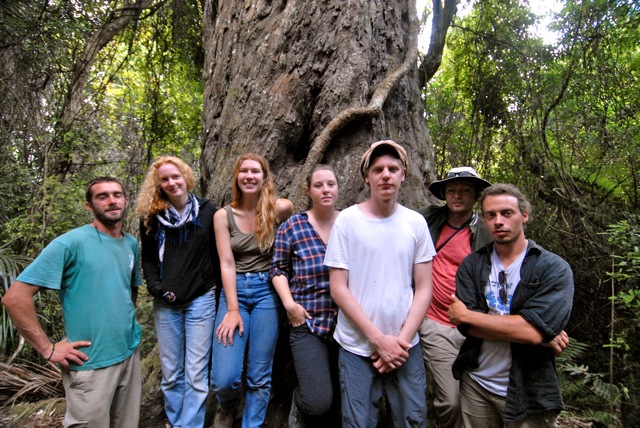
Big Rimu Tree Jungle Tour Team
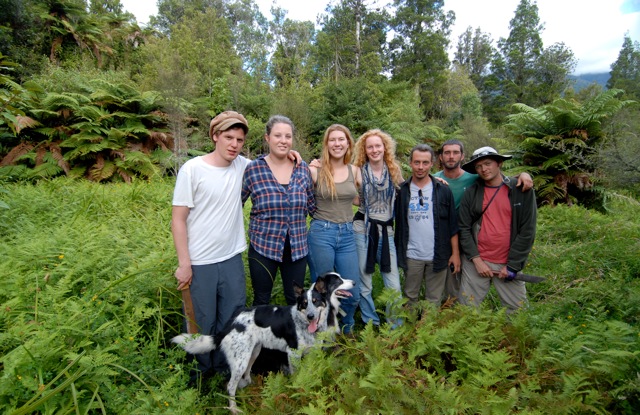
Junge Tour Team

"Rusty"


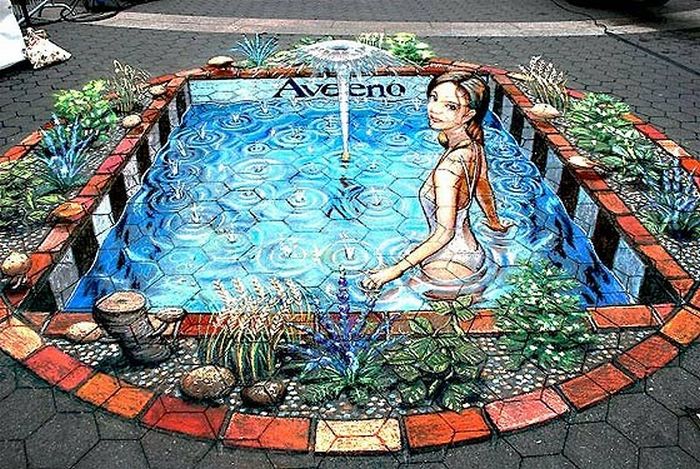


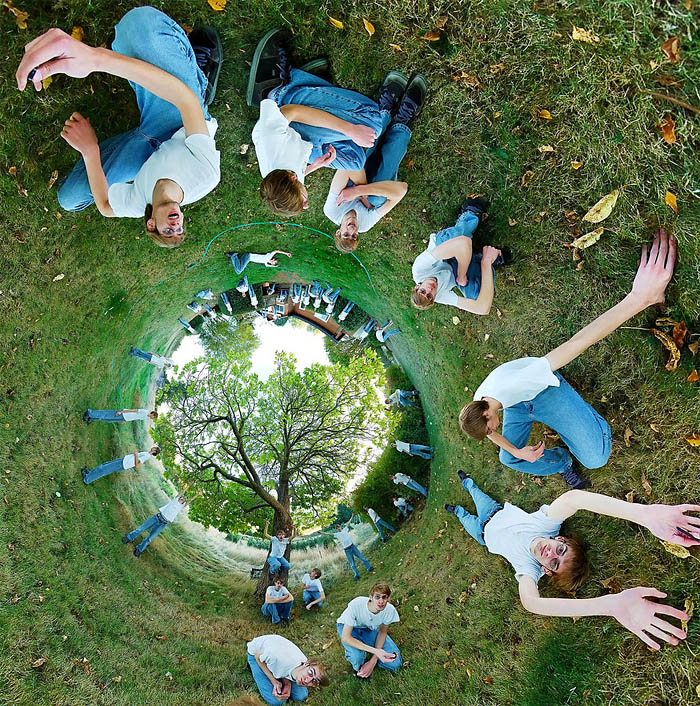

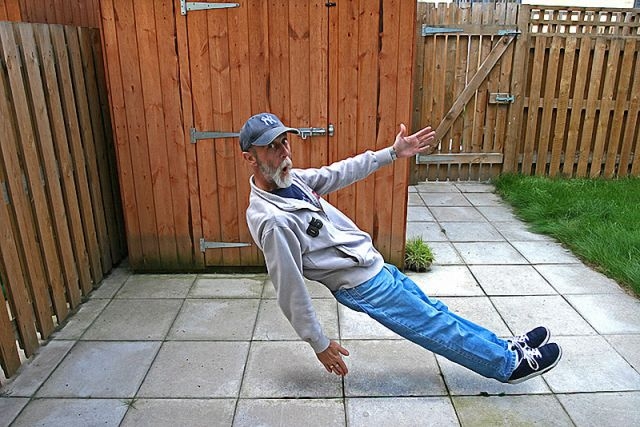














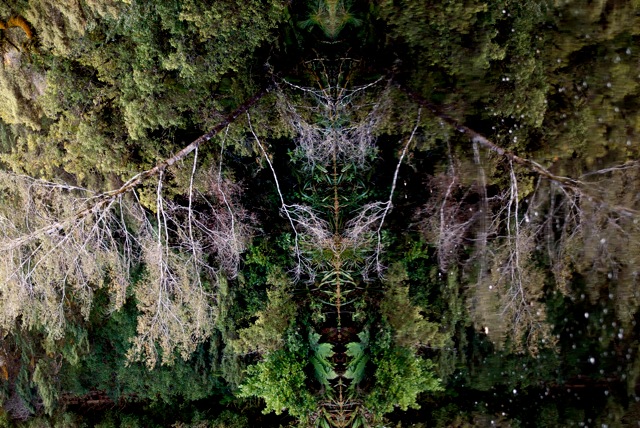
The Mirror Tarn, Karamea, New Zealand: Photo by Paul Murray
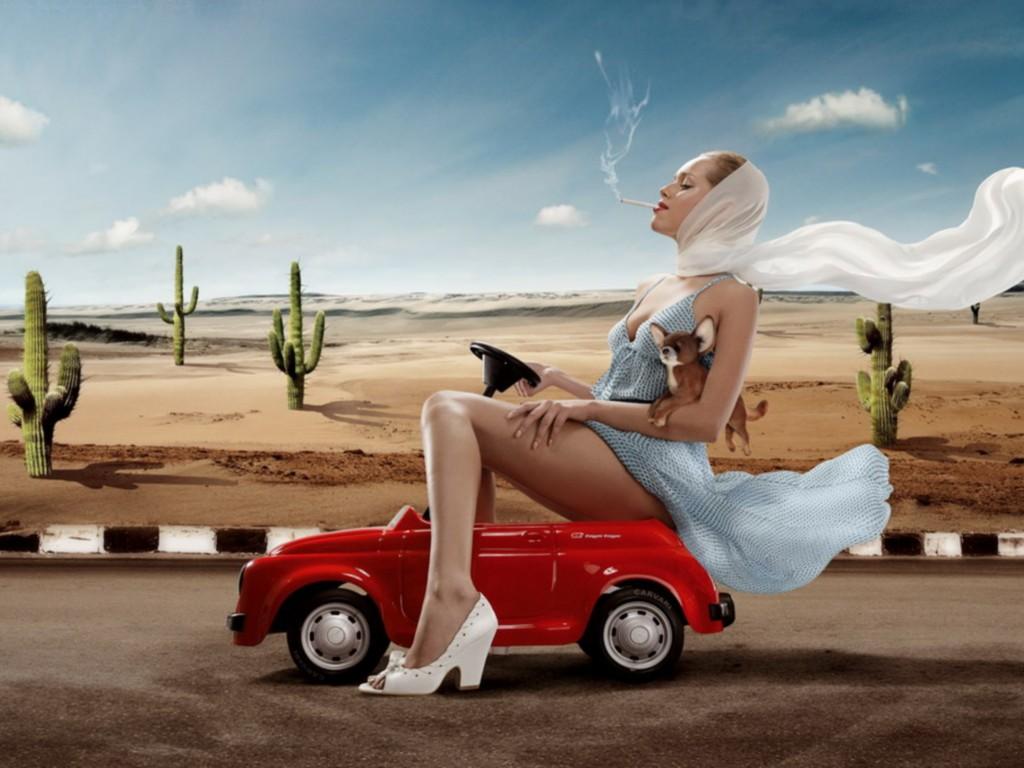

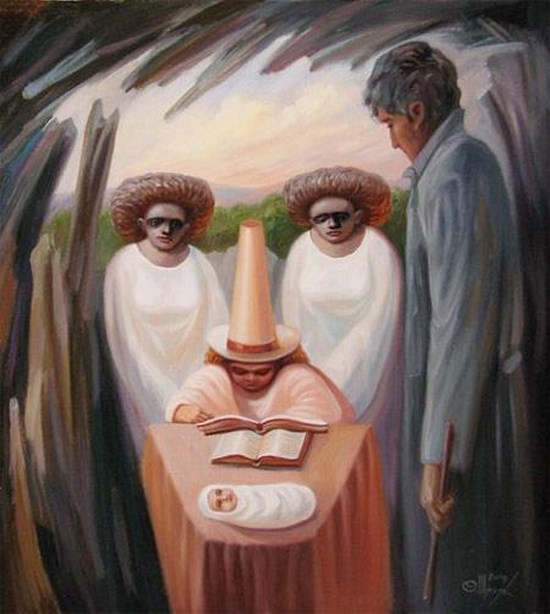
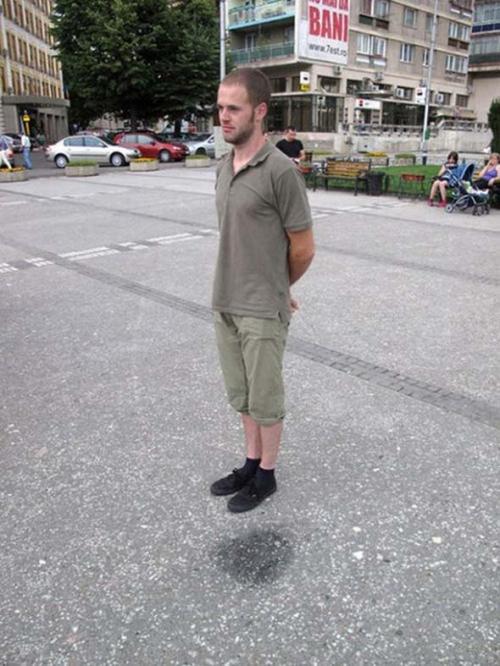
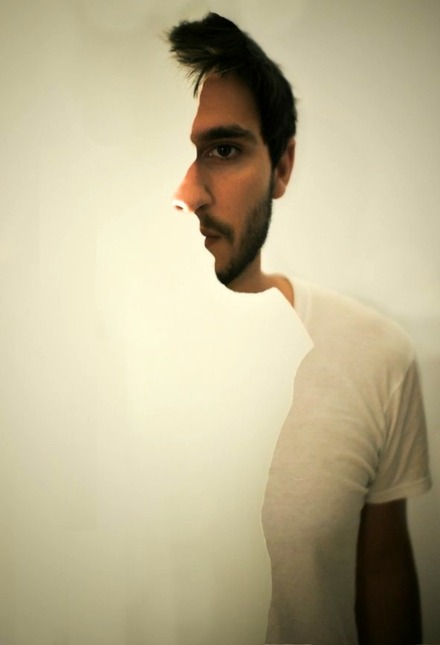


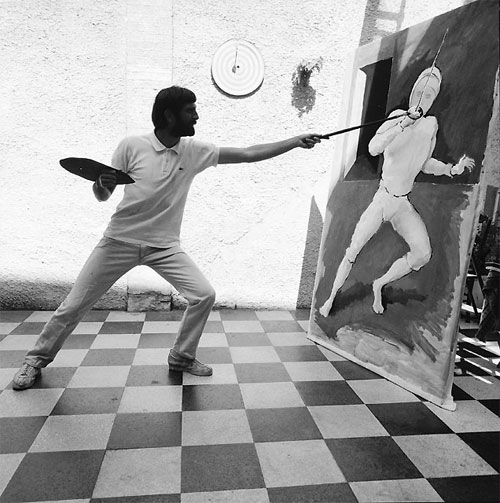




Reversible Head With Basket of Fruit (circa 1590) by Giuseppe Arcimboldo
Tilt the painting one way and it is a vibrant heap of autumnal bounty, as apples, pears, grapes, and figs puzzle for position in an alluring, if seemingly conventional, still life. Flip the oil-on-panel work on its head, as if shaking loose the fruit that fills the wicker basket, and suddenly the plumped-up portrait of a stranger assembles itself from the bright jumble of assorted sweetness. The fibrous lashes of his chestnut eye wink at you playfully to punctuate the visual joke. Painted by the 16th Century Milanese Mannerist Giuseppe Arcimboldo, who would later inspire the imaginations of 20th Century Surrealist painters, Reversible Head With Basket of Fruit tricks the eye into the restless exercise of constructing and destroying one image in favour of the other. The result is a work that is at once amusing and profound – one that reminds the observer not only of the perishability of life but how our physical existence is comprised, materially, of the fragile world around us. (Credit: Wikimedia Commons)

Camera degli Sposi of the Ducal Palace, Mantua, Italy (circa 1465-74) by Andrea Mantegna
To stand in the centre of the medieval bridal chamber of the Ducal Palace in Mantua and look up is to see the enclosed space magically widen above you. Suddenly, a shaft of unalterably beautiful blue sky beckons through a round aperture (or oculus) rimmed with angelic figures. Impossibly, the barrier of the ceiling appears to have dissolved, revealing an invisible architecture that telescopes towards heaven, thrusting your soul in the direction of the divine. The evaporative effect is the handiwork of Italian artist Andrea Mantegna – a genius of dramatic foreshortened perspective and depicting figures illusionistically di sotto in sù (or “below upwards”). Mantegna saw the flat surface of a canvas or ceiling as an opportunity to take an observer’s eye and soul on a spiritual journey inwards, upwards, and outwards. Believed to be the first artist since antiquity to employ such an illusion as a dimension of interior design, Mantegna breathed new religious life into a pagan trick. (Credit: Wikimedia Commons)

All is Vanity (1892) by Charles Allan Gilbert
Stand close to the black-and-white drawing and it appears to be little more than a depiction of a familiar domestic interior scene: a woman sitting at her dressing table (or “vanity”) staring at her reflection in the mirror opposite. Step back, and the image, deprived of its scrutinisable details, curdles grimly into an all-encompassing skull, grinning gothically from the shadows. Once the two overlapping images are registered in the observer’s mind, the eye shuttles between comprehension of one and then the other, as they wrestle for priority. A contrivance of the illustrator Charles Allan Gilbert, the drawing offered American magazine readers in the closing years of the 19th Century a fresh and startling spin on the convention of the memento mori (or ‘remember you will die’) in art history, which typically took the form of a skull inserted somewhere in a painting to remind viewers of their mortality. Seen from a 21st Century perspective, the inherent preachiness of the drawing (which visually puns on the scriptural admonishment “Vanity of vanities, saith the Preacher, vanity of vanities; all is vanity”) seems more than a little misogynistic in its emphasis on feminine narcissism as the chief locus of damnable frivolity and vice. (Credit: Wikimedia Commons)

Drawing Hands (1948) by MC Escher
Used effectively, an optical illusion momentarily forces the observer to rethink the relationship between the real world that he or she inhabits and the one depicted in the work. No one understood the penetrative power of illusion better than the Dutch graphic artist MC Escher. In his mesmerisingly meta Drawing Hands (1948), Escher magics from the work’s sketchy surface a closed-circuitry of the-hand-creating-the-hand-creating which appear to defy the limitations of two-dimensional drawing. Obsessed with the mathematics of repeating patterns, Escher’s work was admired by leading contemporary physicists and philosophers. In Drawing Hands, the graphite point of the mirroring pencil appears to be the teensy conduit through which the artist’s existence simultaneously flows into being and dissolves into nothingness. Caught in Escher’s endless rotation, the viewer’s eye is left to run circles around itself. (Credit: public domain)

Galatea of the Spheres (1952) by Salvador Dalí
At first glance, the dynamic painting appears to capture the outward propulsion, towards the viewer, of countless colourful atoms – as if suspending in mid-blast a nuclear explosion occurring over a watery expanse. Zoom out, and the seemingly lawless rush of spheres cohere loosely into the coy countenance of a woman’s bust, her head tilted gently in a manner that recalls countless Renaissance madonnas. Spanish surrealist Salvador Dalí’s Galatea of the Spheres was undertaken at a moment of intense global anxiety at the prospect of nuclear armageddon and reveals Dalí’s own accelerating preoccupation with atomic theory in the years following the US nuclear attacks on Japan in 1945. The artist’s wife, Gala Dalí, inspired the endlessly decomposing and composing portrait. By embellishing Gala’s name into an echo of the mythological sea-nymph Galatea of Ovid’s Metamorphoses, Dalí has constructed an elastic work that simultaneously pulls together themes of antiquity and particle physics and blows them to smithereens. (Credit: Archivart/Alamy Stock Photo)

Rotorelief discs (1923-35) by Marcel Duchamp
Not every optical illusion in the history of art is remembered with fondness. One of the most hypnotic, if popularly dismissed, attempts to transfix the observer’s eye was created by the pioneering French artist Marcel Duchamp, whose famous sideways urinal Fountain (1917) caused a far bigger splash. Comprised simply of cardboard discs onto which the artist painted psychedelic spirals, the kinetic works spin into action when placed, like vinyl records, onto a rotating gramophone-like gizmo. However forcefully Duchamp’s Rotoreliefs might have pulled the viewer���s gaze into their stupefying whirl, the Dadaist’s plan to make the discs a commercial success by selling hundreds of sets was a dizzying disaster. Largely forgotten by anthologists of 20th-Century art, the Rotorelief’s ambition to create a vertiginous experience for the observer by creating an eerily irresistible sensation of 3D depth on an abstract surface would not be resuscitated for another generation. (Credit: public domain)

Cataract 3 (1967) by Bridget Riley
If Géricault’s Raft of the Medusa has the power to make observers nauseated in the face of so much heartbreaking inhumanity, British artist Bridget Riley’s Cataract 3 has the power to make viewers woozy just by opening their eyes. A deceptively simple work, consisting of wave upon wave of seasick-inducing lines, the hallucinatory canvas messes with one’s equilibrium. A key player in the so-called Op Art (a contraction of ‘Optical Art’) movement that emerged in the 1960s, Riley was fascinated from an early age with the optical techniques of Seurat and the pointillists – image theories that suggest a work’s effect is finally completed in the mind of the viewer. Where pointillists relied on the viewer’s mind to mix a blizzard of individual dots into colour and form, Riley seized instead upon the emotive power of minimalist geometric shape and black-and-white forms. The result is works of disorientating elegance that wrinkle the mind. (Credit: Bertrand Guay/AFP/Getty Images)

Sweeping it Under the Carpet (2006) by Banksy
Since the early 1990s, the British graffiti artist Banksy has sought to lift the veil on social hypocrisies. In his famous mural Sweeping it Under the Carpet, discovered in Chalk Farm, London, a hotel maid looks around sheepishly as she surreptitiously discards a dustpan-full of sweepings. But rather than lifting a carpet, she raises instead what appears to be the membrane separating the realm of urban art (in which she exists) from the real world that sprawls behind it. Though some recent forensic investigations into Banksy’s real-world identity have sought to unmask the camera-shy street artist, he has largely remained out of public view. Hidden under a hoodie of anonymising darkness, Banksy would rather be the wizard who manipulates our vision from behind the curtain. (Credit: Jim Dyson/Getty Images)
A New Zealand Government Department Authorised by a Rhetorically Ambiguous Act of Parliament and Compounded by Tacitly Implied Royal Approval to Receive Official Complaints.
Office Manager: Red Scarlett

Red Scarlett
Senior Complaints Officer: ComplicaTed Simon

ComplicaTed Simon
Office Bimbo : Scrumptious Starfire
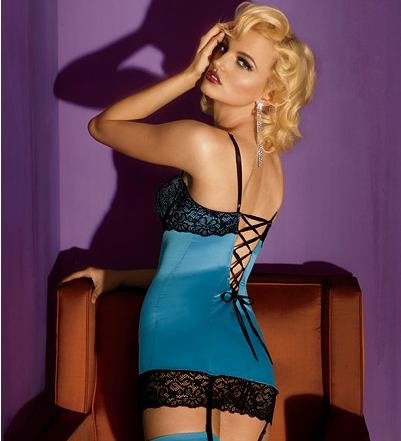
Scrumptious Starfire
Tea Person : Lady Millicent Braxnall XXIII

Lady Millicent Braxnall XXIII
General Dogsbody : Super Moo the Karamea Wonder Dog
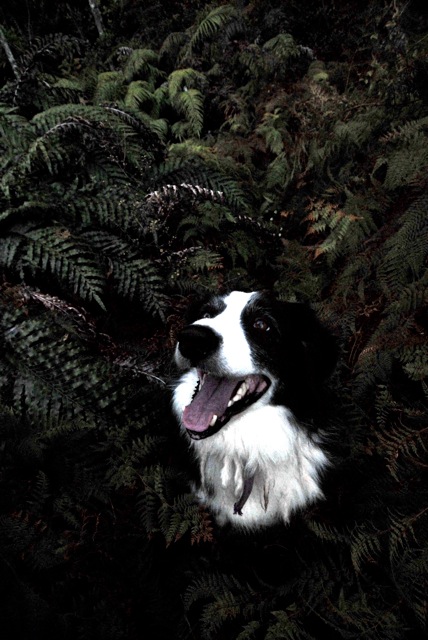
SuperMoo the Karamea WonderDog
Market Cross – Office of the Karamea Ministry of Red Tape 9.15 am Wednesday February 31st
Muggins Zanzibar : Hic! Hawo! Earyagun!
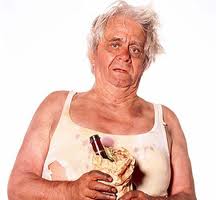
Muggins Zanzibar
Ted Simon : I am in extremely good health and fine spirits sir, but I venture to suggest that you are rather inebriated and dire need of a haircut!
Muggins Zanzibar : Shrunk! Nyever!
Ted Simon : I gather from your aggravated demeanour and your dishevelled appearance that you are here to make a serious complaint!
Muggins Zanzibar : Ssstrewth!
Ted Simon : An Official complaint in accordance with Section 1 of the Official Complaints Act?
Muggins Zanzibar : B…a…r…fff!!!!!!!!
Red Scarlett : Mmm! You sir, have breached Code of Conduct Ordinance 21 by regurgitating… mmmm??? Carrots on our new office linoleum!!
Muggins Zanzibar : B … a… r….ffff!!!!!!
Ted Simon : Beetroot Yoghurt!!!!
Beep beep!
Lady Millicent Braxnall XXIII : How do you do??
Red Scarlett : I have a special mission for you Lady Millicent. Need to know basis! For your eyes only. Hush hush!! Wink wink! Nudge nudge! Say no more! Say no more!
Lady Millicent : How enthralling! Do tell!
Red Scarlett : You will need to disguise yourself as a cleaning lady. You will also need to get a bucket and a mop and some napalm from the armoury!
Lady Millicent Braxnall XXIII : Mum’s the word!

Lady Millicent Braxnall XXIII (Cleverly disguised as a cleaning lady)
Red Scarlett : Lady Millicent This unfortunate man in the process of spilling his guts whilst making an official complaint did exactly that on our new linoleum!
Lady Millicent Braxnall XXIII : B…a…r…ffff!!!!
Red Scarlett : Harden up Lady Millicent. Secret missions are always tough!
Lady Millicent Braxnall XXIII : How extraordinary sir! You appear to in possession of a superfluous nasal hair!
Muggins Zanzibar : Ooooooh!!! Aaaaggghhh!!! You bloody bitch, you kicked me in the goolies!!
Lady Millicent XXIII : Oh bother! Anatomy was never one of my strong subjects at St. Delilah’s Finishing School for Girls!
Red Scarlett : Please tell me the nature of your complaint!
Muggins Zanzibar : Shi got shbraynwashed at the Karamea bible shtudy last night!!!
Red Scarlett : Right troops!! Combat Alert! This is a Priority 1 Official Complaint!!!
Ted Simon : Yessir!!
Lady Millicent Braxnall XXIII : Sah!
SuperMoo : Ralf!!!
Scrumptious Starfire : Is my hair alright??? I’m not showing too much cleavage am I???

Red Scarlett : Please elucidate us on the devious machinations of last night’s Karamea Bible Study!
Ted Simon : Tape Recorder activated! Sir!
Muggins Zanzibar : Well, the parable of the Good Samaritan shmeans you should help your fellow man when he shtumbles! Ya??
Red Scarlett : Indeed! Go on my good man!
Muggins Zanzibar : So what say your worst enemy happens to stumble after ravishing your wife!
Red Scarlett : Forgive! Seventy times seven!!
Muggins Zanzibar : And my wife??
Red Scarlett : Publicly stoned to death during Market Cross’ Saturdays Morning Market!!

Recent Public Stoning at Karamea Saturday Market
Muggins Zanzibar : But the good book says “ Let he is without sin cast the first stone!”
Red Scarlett : Ok have her hung, drawn and quartered instead by all the angry kiddies who missed out on getting their faces painted! Problem!! Solution!!
Muggins Zanzibar : Are you a Catholic?
Red Scarlett : No I’m an infintissemalist!
Muggins Zanzibar : Like your shtyle! Hic!
Red Scarlett : How were you brainwashed??
Muggins Zanzibar : Shwell after Bible Study we had our regular drinking games!!!
Red Scarlett : Incredible!!!
Muggins Zanzibar : Shwallowed enough Holy Communion to see a double vision! Hic!

Ted Simon : I knew I should have gone to Bible study last night! Bloody AA meetings!!!
Muggins Zanzibar : Zen when the assembled got me completely yogenberried the brainwashing started! Really frightening!!
Red Scarlett : I need complete silence troops! Now every fine detail of this bizarre affair needs to be accurately recorded!
Muggins Zanzibar : There was this strange man with crazy blood shot eyes! He scratched his eyeballs when I scratched mine! He sneezed when I sneezed! It was like Voodoo!!
Red Scarlett : Can you describe this man for our official records!
Muggins Zanzibar : Well he had two eyes in the middle of his forehead and two … no three nostrils!!
Ted Simon : Where did the brainwashing take place?
Muggins Zanzibar : In the bathroom in front of the vanity unit! Hic!
Red Scarlett : Mmmmm! Look deep into this mirror and tell me if this looks like the culprit?
Muggins Zanzibar : Aaaaaaagggghhhhhh!!! Get behind thee!!!
Kaboom!!!!
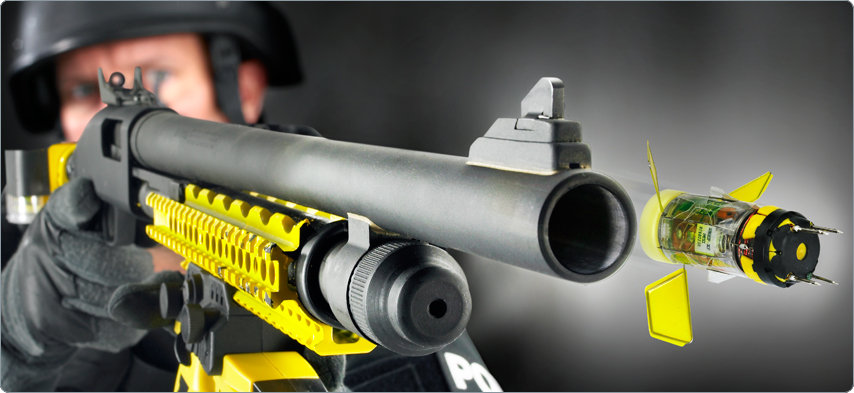
The Anaesthetist
Scrumptious Starfire : Boss! You didn’t extract our usual outrageously extravagant fee before you anaesthatised him!

Suprised Scrumptious Starfire
Red Scarlett : Lady Millicent! I have another highly urgent top secret mission for you to perform!
Lady Braxnall Millicent XXIII : Let me guess!! A cup of tea???
Red Scarlett : Sarcasm does not become you Lady Millicent!! Carry on and don’t forget to wipe the whole office for fingerprints!!!
Super Moo : Awoooooooooo!!!!
Ted Simon : The sight of blood too much for your delicate constitution Super Moo???
Super Moo : Awoooooooo!!!!
Ted Simon : Here! Have a forequarter!!!
SuperMoo : B… a…r…ffff!!!!!
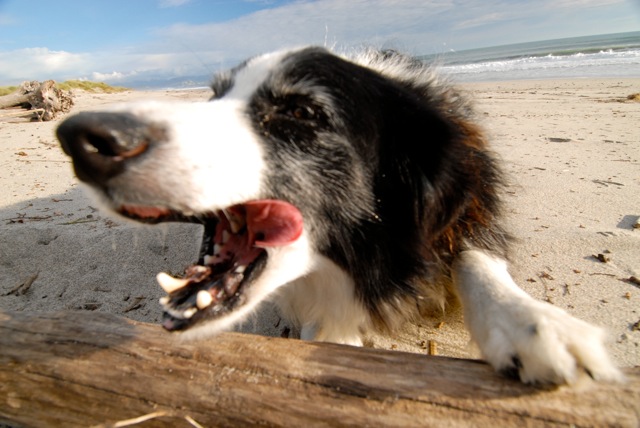

By Madeleine Wilson
It is funny how fashion trends come back around. How many times have I heard my mother say “oooh, I had one just like that”? Designers have a good old rummage through the history books, desperate to see what can be salvaged, reinvented and remarketed as something so desirable, we just don’t know how we have been living without it! The purposes of certain fashion items – born out of a practical need – have long been forgotten while other fads that seem so barbaric by today’s standards, we could happily forget.
As all eyes turn to the catwalks of Fashion Week 2012 in New York City, London, Milan and Paris, we dig up 50 fashion trends for your viewing pleasure…
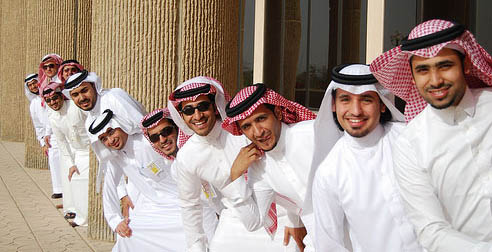
Dishdasha

Middle East
Also known as a thwab, besht, kandura or suriyah, the dishdasha is a long robe traditionally worn around the Arab Gulf. In the west, we tend to shed our layers in summer but the loose-fitting thwab actually helps you keep cool in countries with hot desert territory. Image: We love this illustration by Liz Ramon-Prado featured on bsanctuary.com.

Mini Skirt
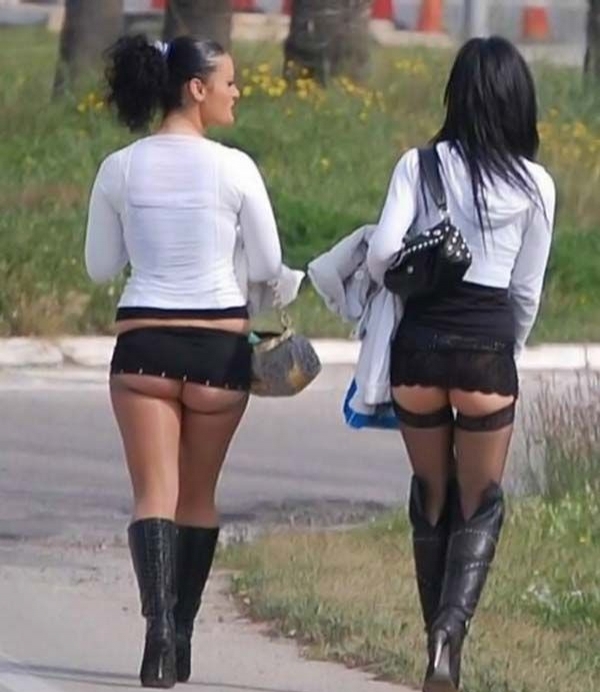
Micro Mini Skirts (NOT a good look!)

London, UK
Mary Quant is responsible for the risqué raising of hemlines in the late 1950s. Yes, yes short tunics had been around for donkeys among the Romans and under armour in the Middle Ages. But it was Quant who put them on the high street and named the design after her favourite car, the Mini. Image: Thanks to mysixtieslove.blogspot.com.
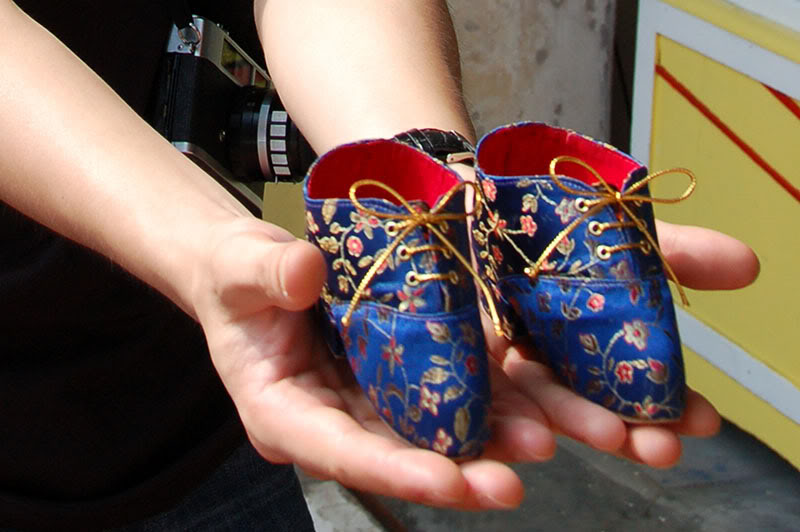
Lotus Shoes

China
Shapewear gone too far? These barbaric lotus bud-shaped shoes were worn by women in China who bound their feet. Small feet were once considered beautiful and erotic and binding stunted their growth. The practice only died out at the beginning of the 20thcentury but many elderly women today display terrible deformities as a result of this cruel fashion. Image: We found this upsetting photo on shoemethis.com.
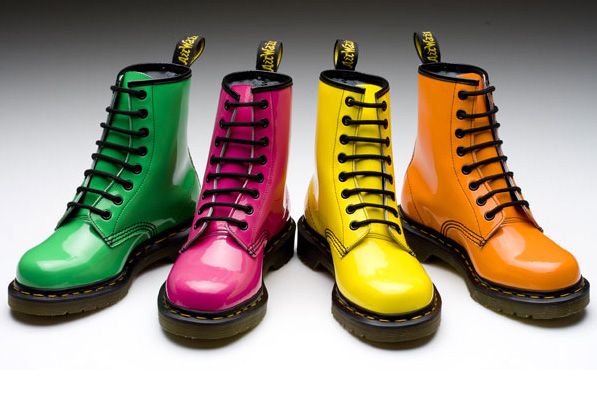
Doc Martens Boots

Munich, Germany
These renowned icons of rebellion were, like most great inventions, created purely for practical purposes. It was a foot injury on a skiing trip that prompted Munich-based Dr Maertens to develop a comfortable air-cushioned sole. In 1950, UK-based shoemaker Bill Griggs spotted the boots in a magazine and decided to anglicise the name to Dr. Martens and remarket them. Style-conscious punks were more than happy to don footwear that resembled the humble working man and when The Who guitarist Pete Townshend claimed to go to bed on tour with two things: ‘A cognac and a Dr. Martens boot’, a youth subculture was born. Image: Thanks to stylesalvage.blogspot.com.

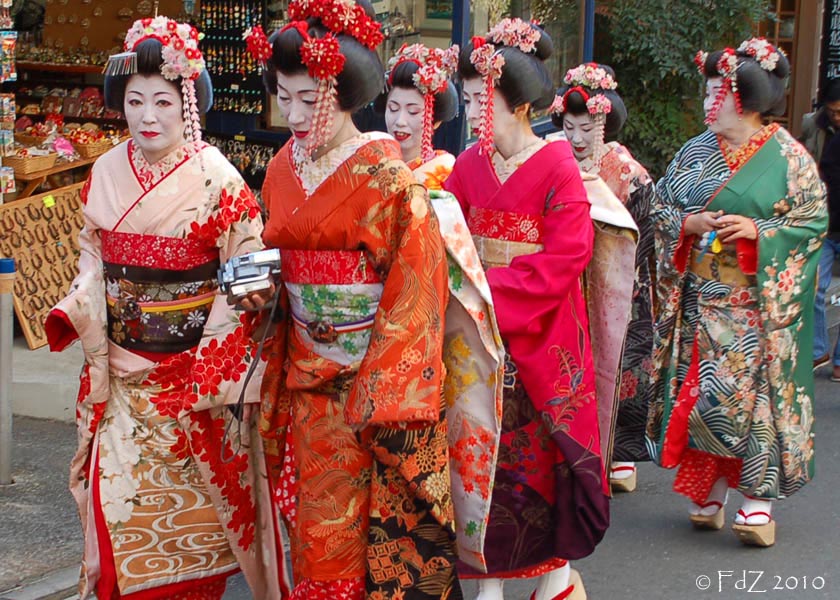
Kimono
Japan
Simply meaning ‘the thing worn,’ over the years the kimono has come to specifically refer to the traditional straight-cut dress that is tied at the waist with an obi. Colour combinations could communicate political class or a particular Samurai clan as well as the virtues of the wearer (or at least virtues they might aspire to!) Purple indicated undying love and red youthful glamour and passion – incidentally, the beni-red dye is prone to fading therefore also suggests transient love. Fact or fiction? In 1932, several women caught in a fire at Shirokiya’s Nihonbashi store refused to jump in to firemen safety nets for fear of revealing no knickers underneath their kimonos! Image: Thanks to tokyofashion.com.

Boubou

West Africa
A billowing wide-sleeved robe most commonly worn in West Africa. The female version is a M’boubou or kaftan (nowadays a favourite beachwear cover-up). Some are beautifully embroidered and passed down through the generations as family heirlooms. Image: Photographer Gavin Sandhu via fuckthemacro.com.
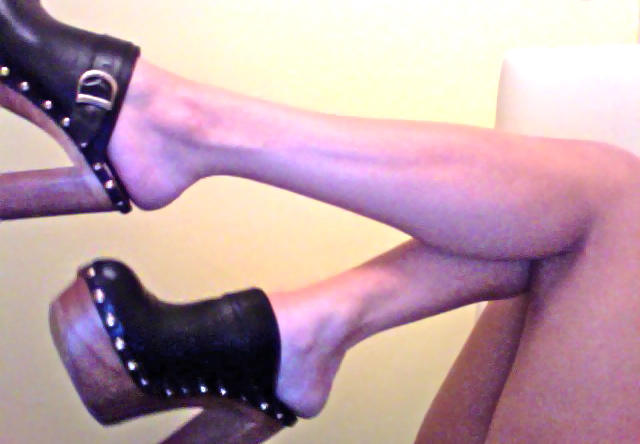
Clogs

Sweden
The Dutch may have cornered the souvenir market, but Swedish Hasbeens are the ones who have dragged clogs in to the 21st century. Unlike the all-wooden Dutch variety, the Swedish style comprises of a leather top with closed as well as peep-toe and heights from low heel soaring to slutty platform. I have never met a man who liked a woman in clogs. Are you for or against? Image: Thanks to the-coveted.com.
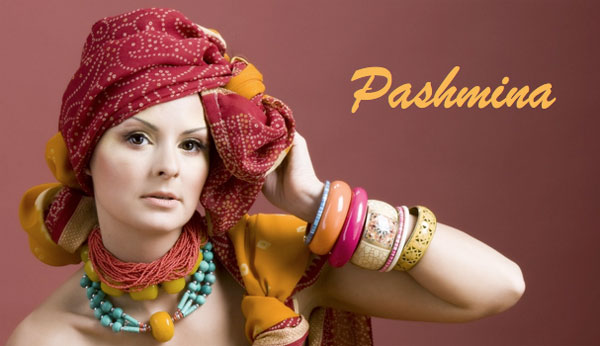
Nepali Pashmina

Kashmir
If you are eyeing-up a pashmina for under £10, it is not a pashmina. The Persian word pashmmeans “wool” and refers to the fine blend of cashmere from a special breed of goat indigenous to the high altitude climate of the Himalayas in Nepal, Pakistan and northern India. Pashmina shawls have been hand spun, woven and embroidered in Kashmir for thousands of years. Since the pashmina craze in the mid-1990s (they are THE snug accessory of choice for long-haul flights), the goats are now reared in the Gobi Desert. Cheapo pashminas often flogged 3 for £12 – because how’s a girl supposed to decide from so many colours! – are probably of man-made viscose. Image: thesatorialist.com proves our point perfectly.
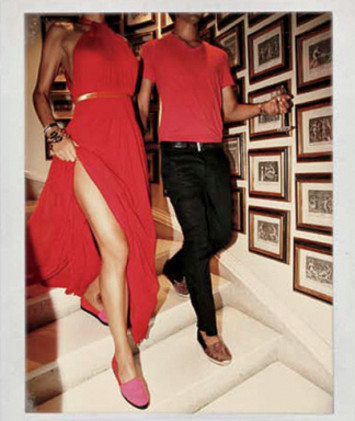
Espadrilles..For Men and Women…

Pyrenees
This unisex shoe makes me dream of sun, sea and sand. In other words, holidays! During the most recent revival, travellers rejoiced at the flatpack and space-saving shoe and indulged in an assortment of colours. Prior to this they were popularised by Lauren Bacall in the 1948 movie Key Largo and in the 1980s by Sonny Crockett in Miami Vice. Image: This guy pictured on theurbangent.com just can’t get out of holiday mode it seems.
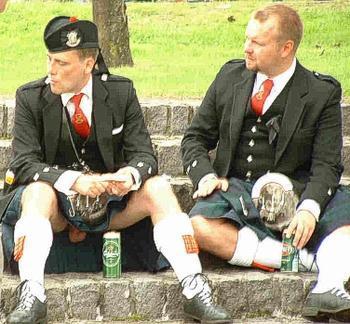
Kilt

Scotland
A flash of tartan, the strangled cat bagpipes and Mel Gibson’s bottom; it must be bonnie Scotland. Kilts were, for 35 years, banned as part of the “Dress Act” in 1746 which outlawed items of Highland dress. But as a result, many began to romanticise the skirt. While the Gauls, Scandinavians, Irish, Welsh and Cornish all have a history of wearing kilts, Billy Connolly and Donald Trump have a history of mooning in them. Expect to pay about £300 for the real thing. Image: Thanks to fashionafrican.com and P Diddy of course.

Pollution Mask

China
On the one hand we have Beijingers on bicycles and tai-chi in the parks but for all their efforts to lead a healthy lifestyle, a recent World Bank research report revealed that China claims 16 of the world’s most polluted cities. Pollution levels vary according to weather conditions, but residents in Beijing, Shanghai and Guangzhou frequently don protective masks. Similar masks fitted with carbon filters are starting to appear in other cities around the world, particularly among cyclists. Image: But hey, any excuse to add to the accessory collection eh?! Check out more designs at shanghainovoice.com.
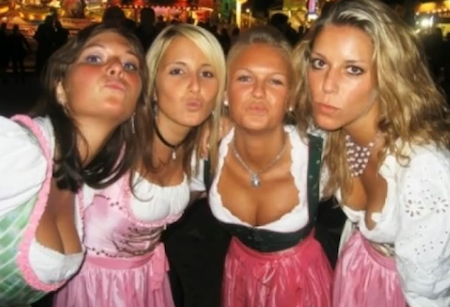
Dirndl

Dirndl

Dirndl (Do my Boobs Look Big in This?)
Austria
Yodel-ay-ee-oooo indeed! The bodice, blouse, skirt and apron are also worn in Lichtenstein and Bavaria and you’ll see plenty of buxom maidens in this uniform at Oktoberfest in Munich. Not ideal for pancake chests I’m afraid. Ladies, if you are looking to pull, tie your bow to the left side to indicate that you are a single ladyyyy! Image: Thanks to blog.shoemanic.com.
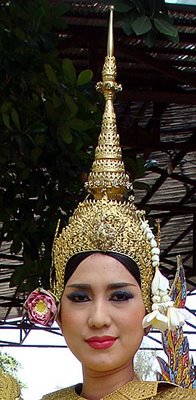
Mokot

Cambodia
Traditionally worn by Khmer dancers or the royal family, don’t you think the shape of these crowns is reminiscent of Cambodia’s famous landmark, Angor Wat? Image: Photographer Frederic Poletti via thetravelword.com.
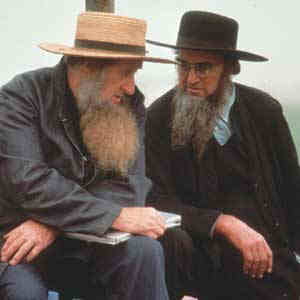
Amish Hat

Pennsylvania, USA
Funny how in an attempt to wear simple and wonderfully unspectacular clothes, the Amish lot became trendsetters. You can spot them a mile off! John Lennon wore an Amish-style and Dior Homme dabbled with the look for its A/W 2011 show too. We likey. Image: Thanks tothephilosophyoffashion.blogspot.com.
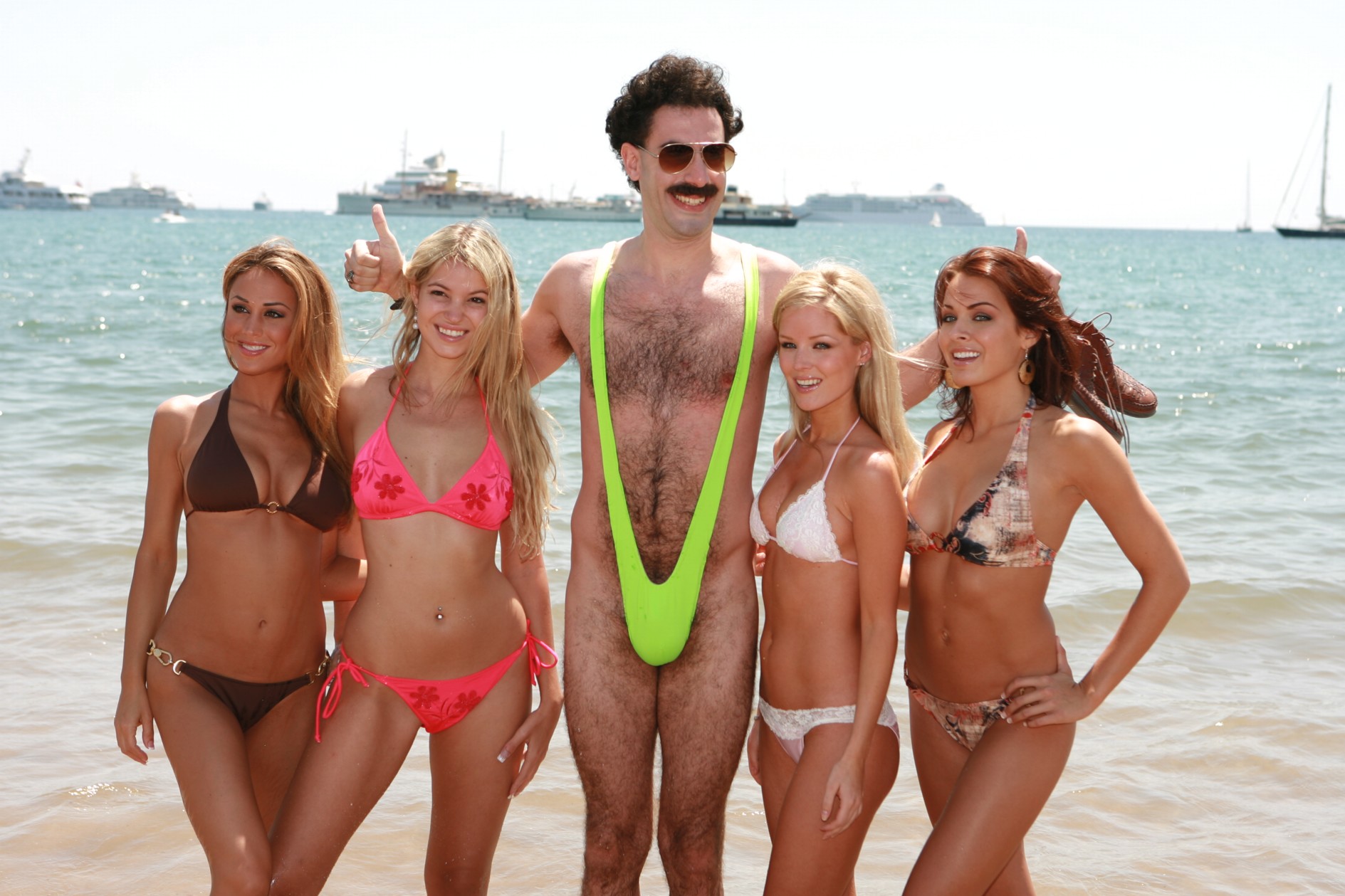
Mankini
Kazakhstan
Ok, ok so the shores of the Caspian Sea aren’t exactly teeming with Kazakhstanis in mankinis. It’s that naughty Borat, aka, Sacha Baron Cohen up to his old mischief again – taking cultural identity liberties! Image: We actually have a mankini that gets passed from pocket to desk draw around the HostelBookers office. Our Director of E-Commerce kindly models it just for you.
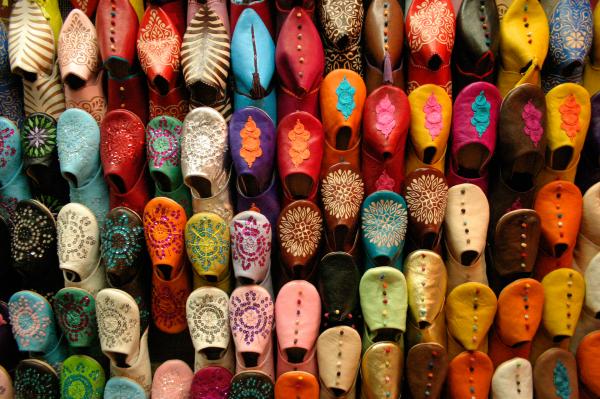
Babouches

Morocco
Top tip for visiting Morocco: Leave lots of room in your suitcase for slipper purchases! The souks have rainbow displays of cute and colourful varieties of the locally-known babouches. Pompoms, sequins, pointy toes…whatever tickles your fancy. Image: Many thanks totheparisreview.org for spotting this fab pair.
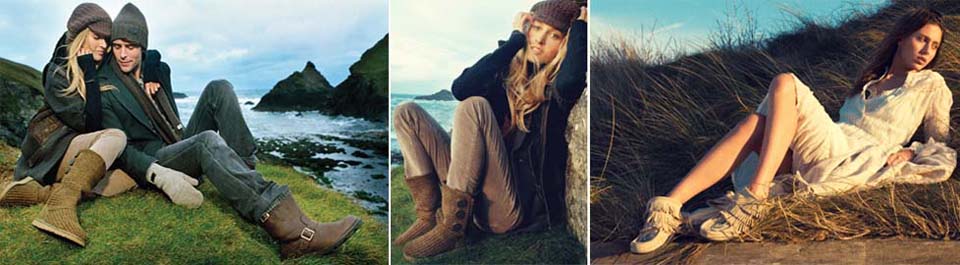
Ugg Boots

Byron Bay, Australia
Those tough-looking Aussie surfers are all teddy bears at heart! In between riding the waves, surfers fashioned a sheepskin boot to keep their twinkle toes warm and dry. It was only when Brian Smith lugged a small load of the boots to California in 1978 that they really started to take off. They might feel snug-as-a-bug-in-a-rug, but Chinese counterfeiting and twinning with jogging bottoms has done the brand no favours. Image: Visit theclotheswhisperer.co.uk and see what she turns her dog Butters in to at the London flagship store.
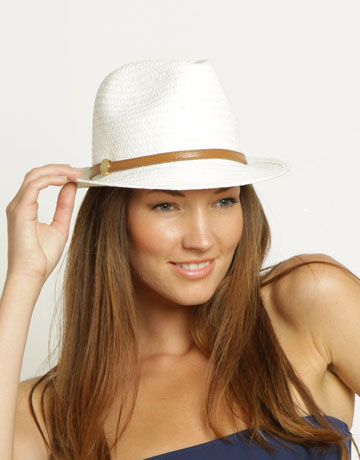
Panama Hat

Ecuador
Got you there didn’t I! These brimmed hats made of plaited leaves from the toquilla straw plant are woven in fact from Ecuador. They were first shipped to the Isthmus of Panama and many products have been named after their point of international sale as opposed to their place of domestic origin. Image: Thanks to snippetandink.com.
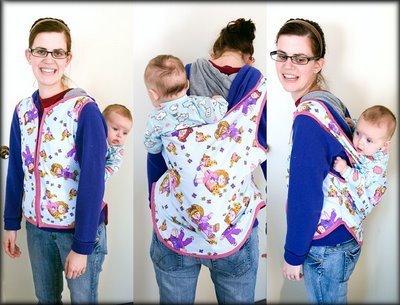
Amauti

Arctic Region
Now he looks snug! The Inuit’s parka jacket hood is adapted to carry a child and protect it from the harsh Arctic climate. It also means that Mum and Dad’s hands are free and they can go about their day with baby on board. The bottom was traditionally lined with moss – in case of a nappy emergency! Image: From the Library of Congress Prints and Photographs, Photograph by Lomen Bros., 1906
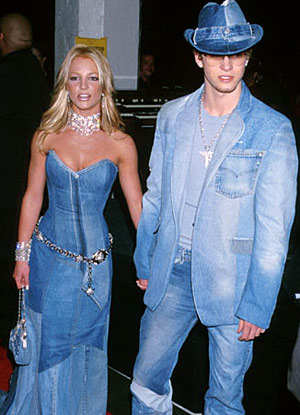
Denim

Nimes, France
It was the French town of Nimes (get it, de Nîmes) that began producing the fabric. But Levi Strauss sold the hard-wearing jeans to mining communities in California in the 1850s who, along with Jacob Davis, patented the use of copper rivets to reinforce pocket openings. A more recent trend that gives the fabric a worn effect is created by sandblasting. More than 5,000 workers in the textile industry in Turkey have caught silicosis and 46 have died as a result of the sandblasting technique. Image: Thanks to denimology.com.
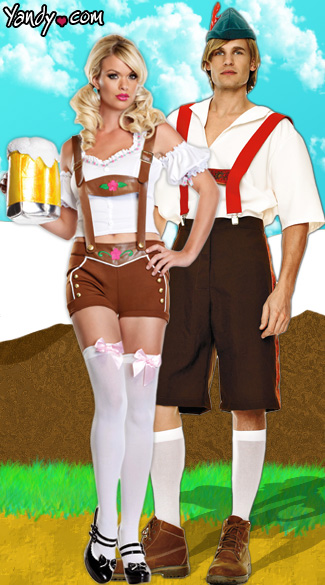
Lederhosen

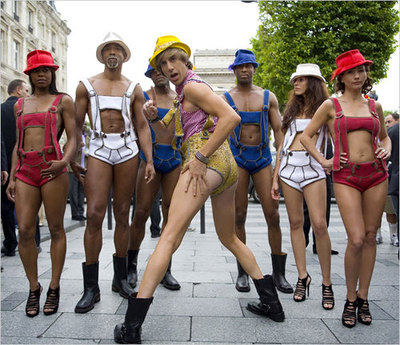
Lederhosen
Germany
Lederhosen are usually only seen in Bavaria, especially during Oktoberfest. These “leather pants” (grrr), have acquired a somewhat camp connotation in recent years – Sacha Baron Cohen’s Brüno has a lot to answer for. But the work-a-day shorts are nonetheless a durable item of leisurewear. Image: Thanks to pimpumpam.blogspot.com.

Cowboy Boots (NOT for weddings!)

USA
Yee-haw! These boots – which were in fact not made for walking – are no longer just for cattle ranchers, gun-hoe slingers and toe-tapping line dance groups. Cowboy boots are now worn across the globe. The Spanish brought a version over to the Americas and they evolved in to a type of Wellington boot before decorative stitching appeared in a number of fashion magazines in the 1850s. Image: Photographer Christophe Kutner via noirfacade.livejournal.com.

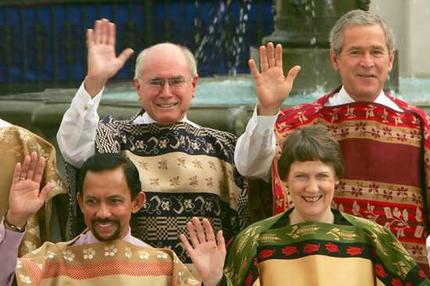
Chamanto (NOT a good look for “World Leaders”)
Chile
Widely used across South America the chamanto is the name given to the poncho in Chile. Why is it better than a poncho? It’s reversible girlies – so that makes it two-for-the-price-of-one in my eyes. A great accessory if you can’t be arsed to shake hands with lots of people at cocktail parties too (Frasier). Image: Thanks to worldsatire.blogspot.com.
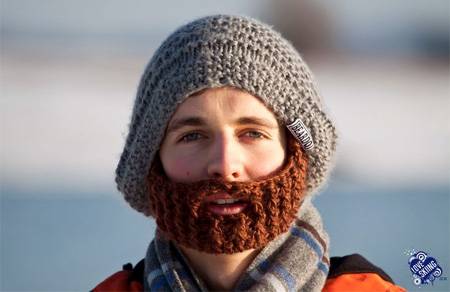
Beardcap (NEVER a good look!)

Iceland
Based on a traditional lambshed-hood that was worn by Icelandic farmers. If you’ve seen the blustering snowstorms they have to experience then you will understand why everything but a small opening for the face features in the knitting pattern! Those clever clogs over at the Vík Prjónsdóttir design studio came up with these quirky versions back in 2005. They are available in either the Gentleman or Farmer style. Image: Thanks to photographer Gulli Mar via vikprjonsdottir.com.

Aloha Shirt

Hawaii
It was Chinese-born Ellery Chun who, in his Waikiki store, began sewing together leftover pieces of kimono for tourists in the 1930s. Servicemen returning from Asia and the Pacific Islands after World War II were wearing the bright patterned shirts and tourism to Hawaii soared in the 1950s. Locals prefer muted colours and the pattern is traditionally printed on the interior which gives the impression the shirt is being worn inside out. So no, they didn’t get out of bed on the wrong side that morning! Image: We spotted this one in thehonoluluweekly.com.


Fair Isle (Looks better on Women)
Shetland Islands
In 1921, the Prince of Wales was captured sporting a Fair Isle knitted tank top. Who knew that he would be responsible for some horrendous knitting pattern covers. Did you spot the “Adi” Dassler (Adidas) logo on the tracksuit bottoms? Old school. Image: Check out more fab vintage skiing photos at theinvisibleagent.wordpress.com.

Wellington Boots: Right Royal Footwear

England
A relative of the Hessian boot, the first Duke of Wellington instructed his shoemaker in London to modify the boot and make it sturdy for battle but comfortable for eveningwear. Wellington is one of two British Prime Ministers to name an item of clothing after themselves. The other is Anthony Eden and his Homburg hat. It was only in 1852 that the boots were manufactured in rubber. Given that 95% of the population worked in fields, a water-proof welly was an immediate hit! 1,185,036 pairs were made by the North British Rubber company (now Hunter Boot Ltd) to meet the British Army’s demands in World War I. Today they are a music festival staple! Image: Thanks again to theclotheswhisperer.com.
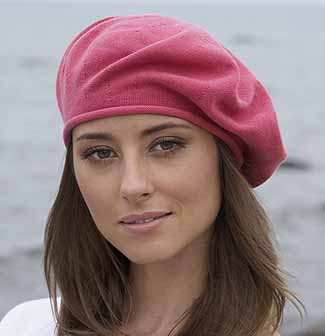
Beret: VERY French…

Beret: Revolutionary Headwear

France
Listen very carefully, I shall say zis only once…a popularised image of beret-wearers was in the television series ‘Allo ‘Allo by characters of the French Resistance. Along with stripey tops and onions draped around the neck, berets are a stereotype that the French just can’t seem to shake off. Berets can be traced throughout Europe as far back as the Bronze Age but they were mass produced in France and Spain in the 19th century. Image: Thanks tolilycharleston.blogpost.com.

Mocassins: All the Rage in Hollyweird

Mocassins: NOT a good look for wannabe Indians

Canada
A personal favourite, moccasins were traditionally made from a single piece of deerskin or soft leather and stitched at the top. The word moccasin is one of just over 500 words recorded from the extinct Powhatan language. The leaf-covered forest territory occupied by Indians in the east meant they wore soft-soled moccasins while Plain Indians walking on rock and cacti wore hard soles. Image: Thanks to trendland.net.
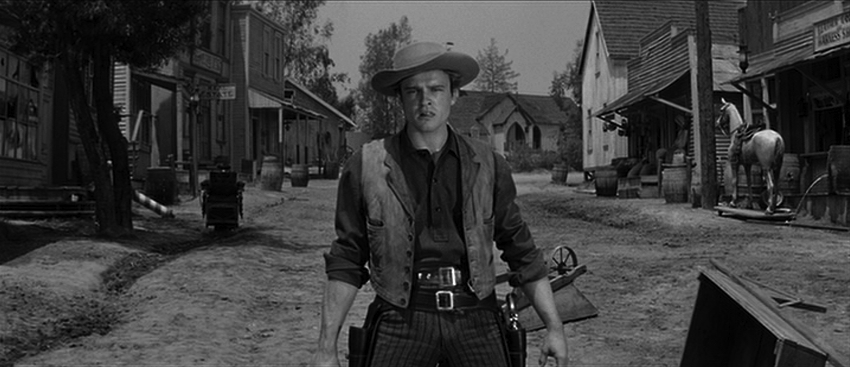
Sombrero Vueltiao: Well…not really, it’s just an awesome photo…

Sombrero Vueltiao: Popular Beach Attire in Old Colombian Movies

Colombia
Easily distinguishable from the standard sombrero with a stripey pattern of white and black or beige and black. Some of the finest products, which can take up to one month to make, can be folded up and put in your pocket without damaging the overall shape. The Sombrero Vueltiado is the national symbol of Colombia. Image: We spotted this photo, one of Colombia’s costumes for the Miss Universe contest, on missosology.info.

Eyeliner: Less is More…

Egypt
This type of make-up has been used as early as 10,000 BC. Its power to protect a person from the evil eye and also from the scorching desert sun reveals a practical as well as cosmetic purpose. Eyeliner’s current popularity is owed to the discovery of Tutankhamun’s tomb in the 1920s which lead to the rise of the almighty panda eye. Other heavy users include designers from the 1960s such as Mary Quant, punks, goths and emos with guyliner on the up too. Image: Thanks to beautylish.com.
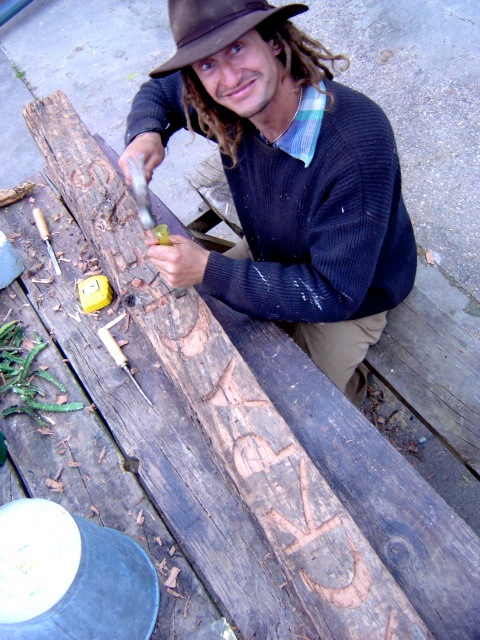
Dredlocks: Great on some people…

Dredlocks: Great on Some People….

Dredlocks: Not so great on others…
Jamaica
Now, I’m pretty sure that before combs and hairbrushes, severe matting was a global problem. But you have to hand it to the Rastafari movement for pulling the look off. The first record in Jamaica was in the 1950s when the earliest Rasta movement lived in fear and “dread” of God. Asha Madela holds the first and only record for the longest dreadlocks in the Guinness Book of Records measuring 8 feet and 9 inches. Apparently a single hairwashing-sesh requires a full bottle of shampoo and conditioner! Image: Thanks to sheknows.com.
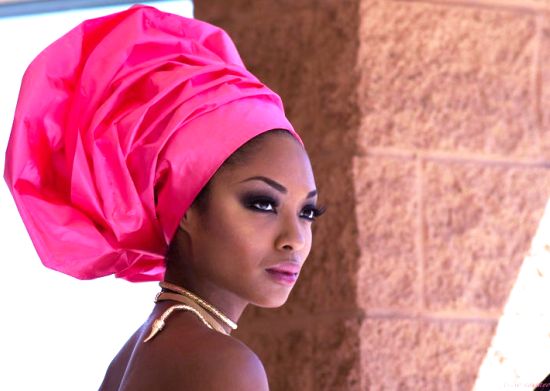
Gele

Nigeria
Perhaps the largest and most elaborate of head ties in African countries is Nigeria’s gele, although it has a number of names. The most eye-catching creations are saved for weddings. They are created from stiff but flexible fabrics and the general consensus is the bigger the better! Image: fashionjunkii.com ogles Alex Wek’s styling and Andrew Yea’s photography.
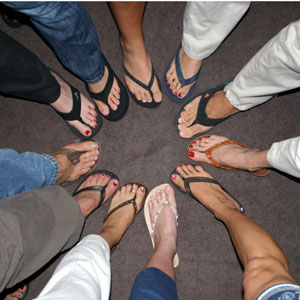
Jandals: Also Known as Flip-Flops and Thongs….

New Zealand
A lot of controversy surrounds this most basic item of footwear – I don’t want to step on anybody’s toes. Evolving from the Japanese sandal, the first plastic jandals appeared in New Zealand but this is disputed by the children of an English-raised businessman who owned a plastics manufacturing company in Hong Kong. Other names include thongs, chappal and flip flops. In Texas they are referred to as clam diggers – the way they flick sand on the beach. Image: We spotted these on design-milk.com. Apparently they were first made by Krispy Kreme and then KUSA made them available to the public. Perfect for New Zealanders who, in an ideal world, would probably go around barefoot!
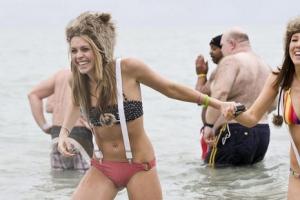
Ushanka Hat: Great, but NOT at the Beach!

Russia
These Russian fur hats are quite dead I assure you. Fur hats of similar design are worn around the world. When US President Gerald Ford wore one during a 1974 visit to the Soviet Union, it was considered a sign a Détente. Ushanka hats are so snuggly, they are standard winter issue for many police and military including Canada, the US, Germany and Finland.Image: OTT version from bryanboy.com.

Keffiyeh: Popularised by Yasser Arafat

Palestine
Pesky sand can get in to every nook and cranny! This headdress, commonly worn by Arab men, helps protect the eyes and mouth. It became a symbol of the Palestine resistance movement back in the 1960s and was picked up as a fashion trend back in 2000. When China began producing the scarves for as little as €3, Hirbawi Textiles became the last Palestinian factory to produce the traditional keffiyeh scarf. A successful media campaign has, so far, saved the business. Image: Thanks tasmim.org!
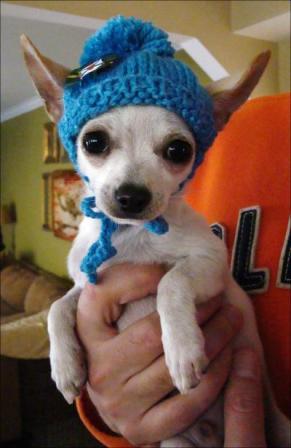
Chullo: NOT for Chihuahuas

Peru
A father will usually make his son’s first chullo. Distinguishing features are the bright colours and the earflaps. Roll on hat hair. Image: Thanks to fashionablygeek.com.

Chaquetilla: Ole!

Chaquetilla: Not necessarily a good look….
Spain
Worn by Spanish bullfighters, this short and spangly jacket is usually adorned in gold and allows for plenty of movement – essential for dodging charging bulls! They are part of a toreros’ traje de luces, or, suit of lights. Moschino has designed some fabulous matador-style jackets. Image: I came across this image series on couleurblind.com but does anyone know the photographer? He/she deserves a credit!

Conical Hat: Available in a vast range of colours…

South East Asia
A neat trick with these babies is that some of them are made out of straw or matting. A quick dunk in the water and you will have an evaporative-cooling device to work (or sunbathe!) under. Image: Bernard Gagnon via traveldudes.org.
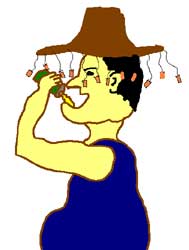
Cork Hat: Another GR8 Aussie Invention…

Cork Hat: Acceptable….(just)
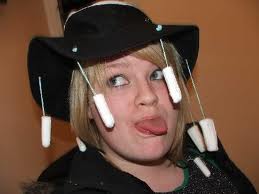
Tampons are not an acceptable cork substitute!!
Australia
A simple and effective fly swatter for the Australian outback. But no. It’s not cool. Image: This is 91-year-old Rhondda modelling for us over at chook-mindersquill.blogspot.com. Say ‘hi’ to Rhondda everyone.
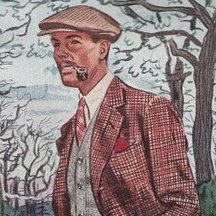
Tweed: Terribly English What, What!

Terrible English Tweed
UK
It should be twill but a London merchant misread the handwriting – assuming it was associated with the river Tweed that flows through the Scottish border – and it was advertised as tweed. The upper classes thought it smashing for their hunting attire. Check out Tweed Run for a spot of tally-hoing on your bike! Images: Thanks to blog.stylesight.com.
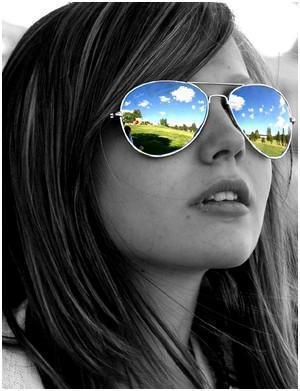
Aviator Sunglasses: Preferred by perverts Worldwide

USA
Designed specifically for pilots by Ray-Ban in 1936, the sunglasses were made available to the public within a year. Michael Jackson, Paul MacCartney and Ringo Star have all sported a pair. But Tom Cruise was the real deal clincher when sales of the brand rose by 40% within just seven months of the film Top Gun being released. Such a dreamboat! Image: Thanks sassyuptownchic.blogspot.com.
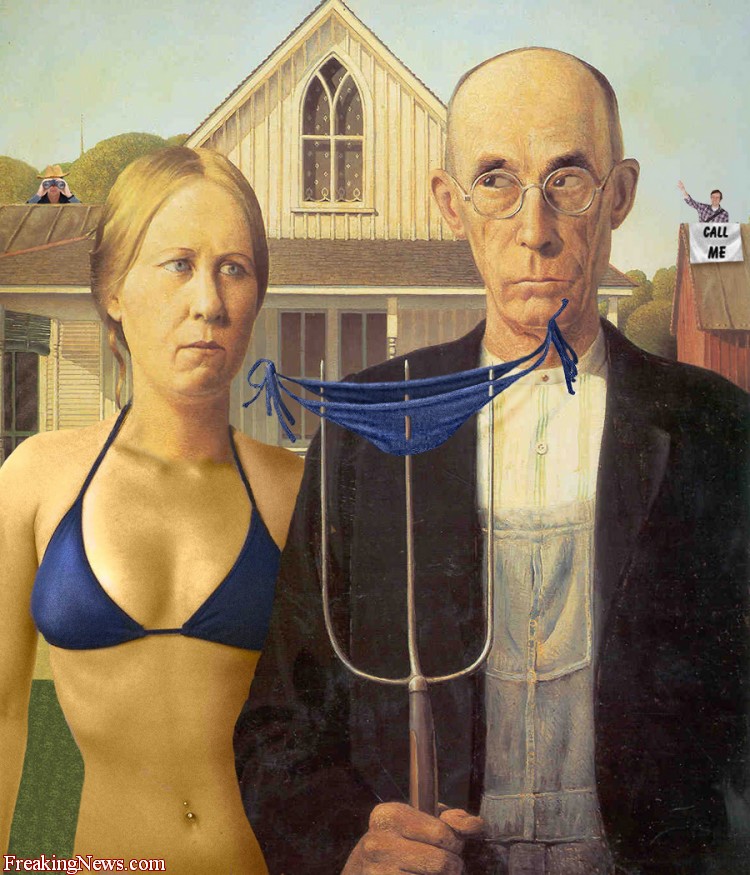
The Bikini Gothic

The Bikini: Betty Page circa 1950

The Bikini circa 2012

The Bikini: Another GR8 French Invention….
Paris, France
A famous mosaic of “bikini girls” exercising was discovered in Sicily and is believed to date back to the 4 AD. But it was in Paris in 1946 that cheeky Monsieur Louis Réard engineered – he was after all, an engineer – the bikini as we know it today. The two-piece bathing suit was so explosive, Réard named it after the Pacific island of Bikini Atoll; a site used for nuclear weapons testing that same year. Image: Photographer Bunny Yeager worked with the fabulous Bettie Page pin-up girl on a number of occasions. This photo was posted on theselvedgedyard.wordpress.com.
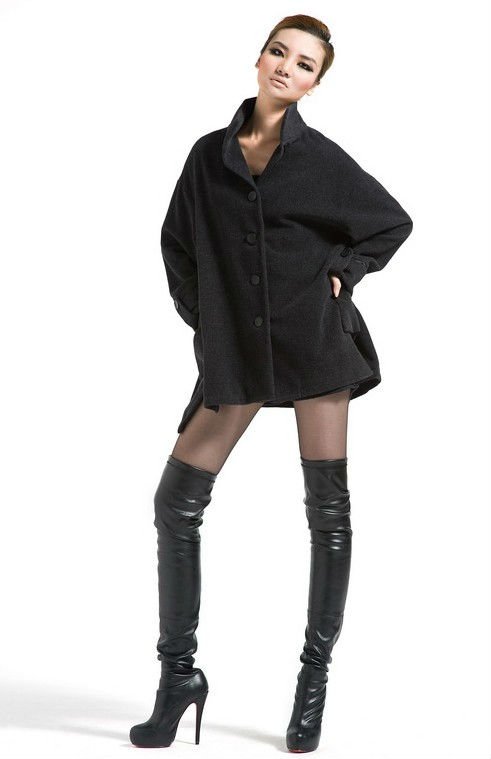
Duffel Coat: Summer length

Duffel Coat: Popularised by Paddington
Belgium
Duffel is a town in Antwerp where the coarse duffle wool originates from. The British Navy issued a camel-coloured version and it became known as a Monty after the famous Field Marshal Montgomery. The English Gloverall company introduced the buffalo horn toggles and leather fastenings which were much easier to undo in the cold if the wearer had thick gloves on. Image: Everyone’s favourite duffle-donning Paddington Bear featured on weebirdy.com.
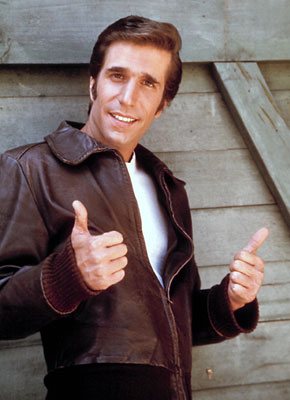
Leather Jacket: Popularised by The Fonz

…and Marlon Brando
Russia
Where to begin, oh where to begin? Well, the Russian Bolsheviks were wearing these tanned hides in the early 1900s. Brown bomber jackets were favoured by aviators, especially when lined with sheepskin for added warmth in the cold high altitude climates. But it was Hollywood stars and heartthrobs Jimmy Stewart, Gary Cooper, Marlon Brando and Harrison Ford who really set hearts racing in them! Image: Thanks culturepop.com.

Jockstrap: Available in a range of styles….

Jockstrap: NOT recommended for manual labour jobs….
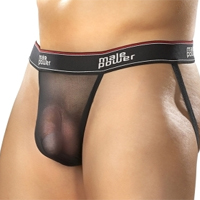
Mesh Jockstrap: Not necessarily a good look….

Chicago, USA
What has also evolved in to the thong, the jockstrap is a far less sensual piece of unmentionables. It was intended for cyclists suffering from the cobblestone Boston streets. C.F. Bennett of a Chicago sporting goods company fashioned the first Bike Jockey Strap in 1874. It is now used by athletes worldwide to protect their manliness. In the early 1900s, a low-volt electric powered jockstrap claimed to cure insomnia and erectile disfunction. Image: Thanks famewatcher.com.

Boat Shoes: A good look, but should ONLY be worn on Boats!!

Connecticut, USA
These babies do exactly what they say on the tin. In 1935, Paul Sperry admired the way his dog could run over ice with ease. He began cutting a siping pattern in to the soles of his shoes and soon the Sperry Top-Siders were born. Nautical but nice. Image: Photographer Brent Eysler via trashness.com.
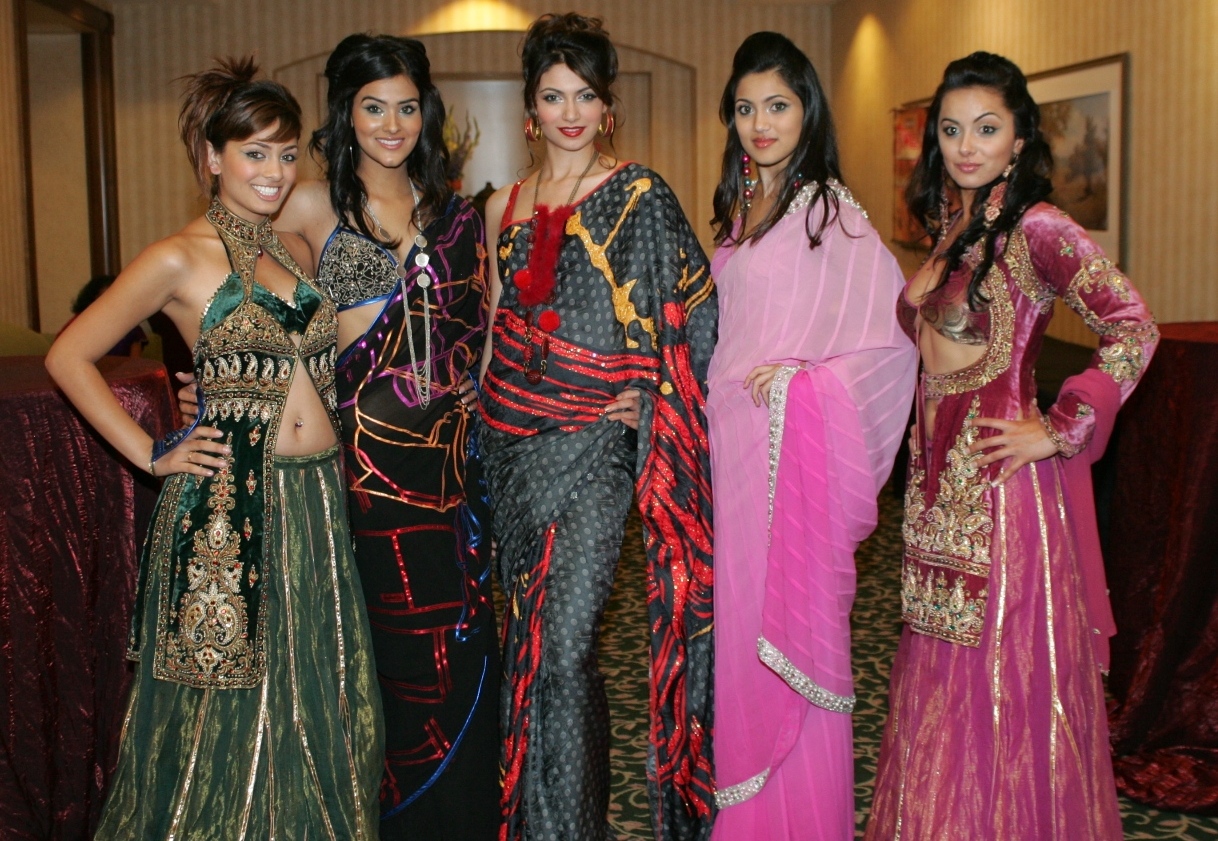
Sari: Fantastic, but only on Indian Ladies

…and Jessica Alba…

India
Also worn in and around Bangladesh, Nepal, Pakistan, Sri Lanka and Malaysia, the earliest known depiction of the ‘strip of cloth’ being worn in this way is the statue of an Indus Valle priest. The midriff is sometimes bare in a sari/saree since the navel is considered the source of life. Other cultures deemed this a taboo. Image: We love this ‘how-to’ guide fromtheunrealbride.wordpress.com.
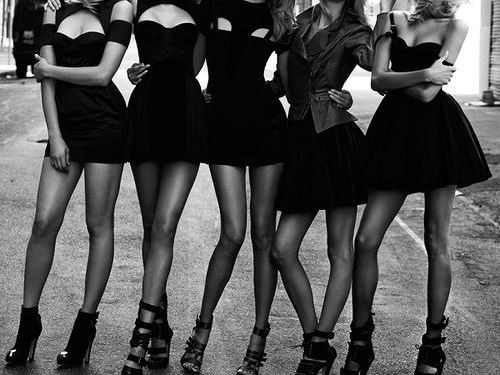
LBD: (Little Black Dress)

France
Has somebody died? It was indecent to wear black under any other circumstances. In fact, in Victorian times a widow was expected to wear mourning dress for two years! But in 1926 American Vogue published one of Chanel’s modest but elegant black dresses. The LBT to Chanel, was described by Vogue as what the Model T was to Ford. And I couldn’t agree more. Image: Thanks collegefashion.net.

Hot Pink Sombrero…YES!!

Sombrero: Full-body Sun Protection
Mexico
Sombra means shade. And that’s exactly what this wide-brimmed hat offered to cowboys labouring away under a hot sun – the brims can reach two feet wide! The sombrero pictured is a sombrero charro (Mexico) but the Spanish developed the flat-topped sombrero.

The Thong: NOT recommended for use with miniskirt and motorbike…

The Thong…great for browning the bum…
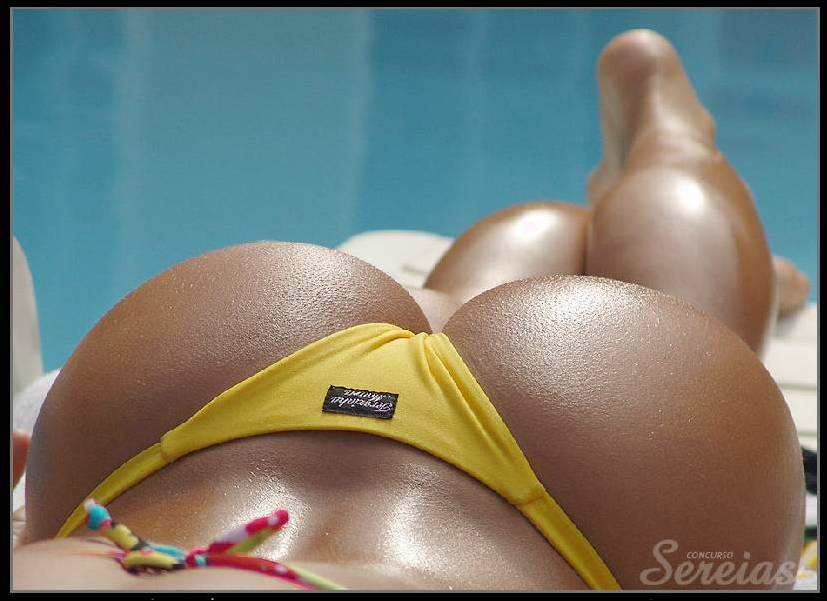
The Thong…Also known as G-String and T-Back (in Japan) …a good look for some

…not so good for others….
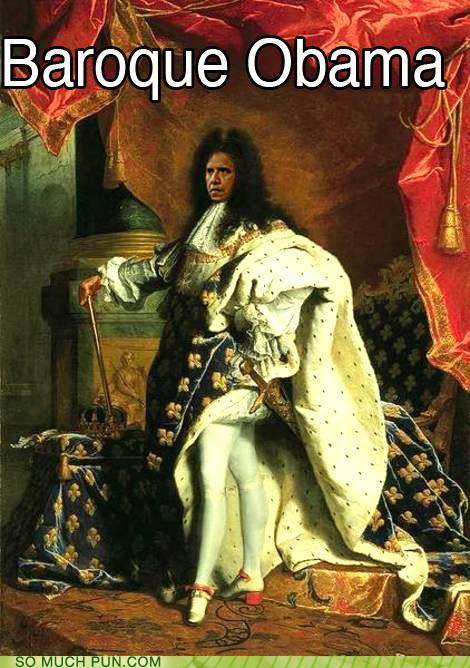
Baroque Obama
Red-Carpet Obama

Doggy Doo Obama

Willy Wonka Obama
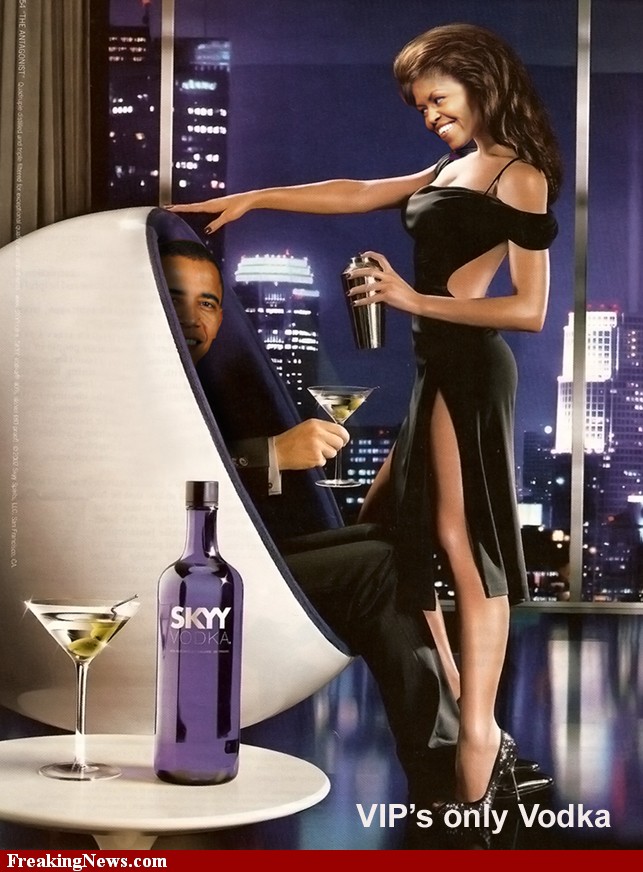
In The VIP Obama

Barack “Billboard” Obama
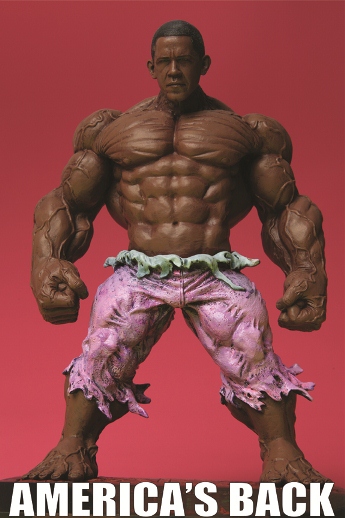
Incredible Hulk Obama
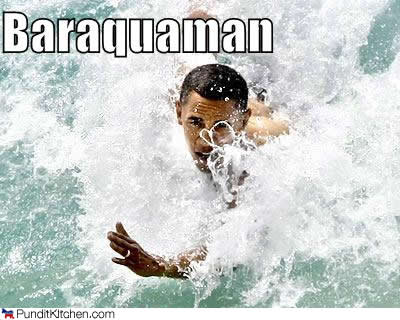
Body Surfing Barack
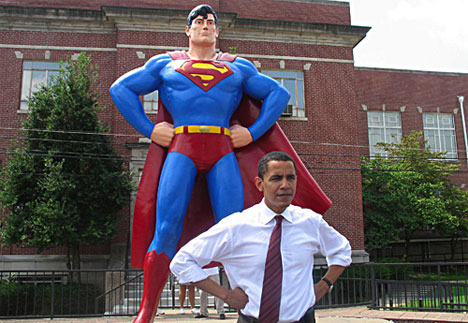
Clark Kent Obama
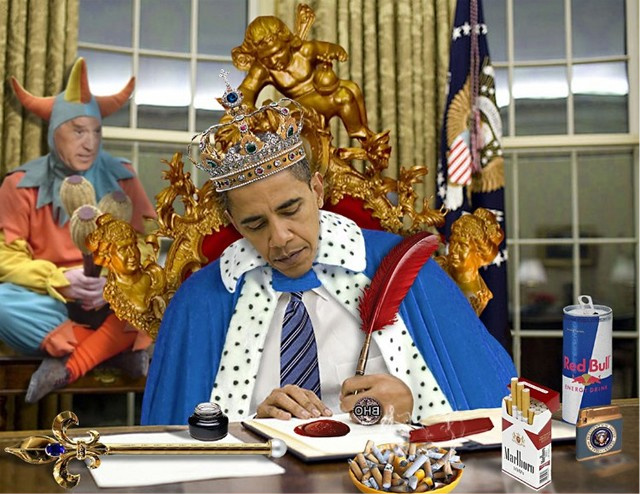
His Royal Majesty King Obama I

Neo Obama
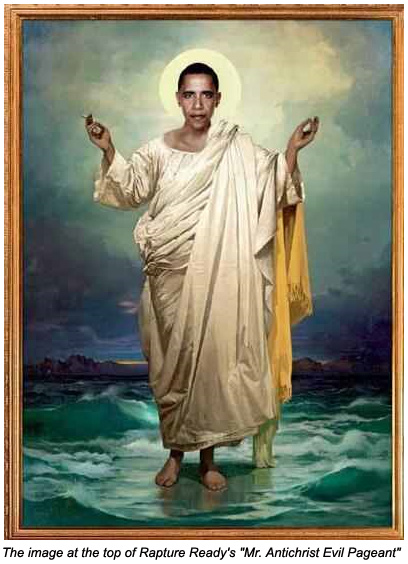
Jesus Obama
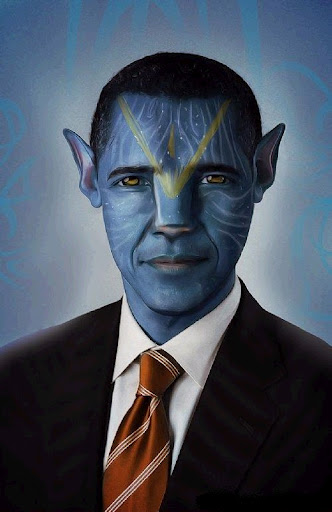
Avatar Obama

Slammin’ Obama

Die-Hard Obama
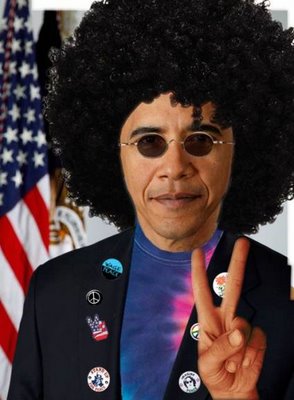
Hippy Obama

General Custer Obama
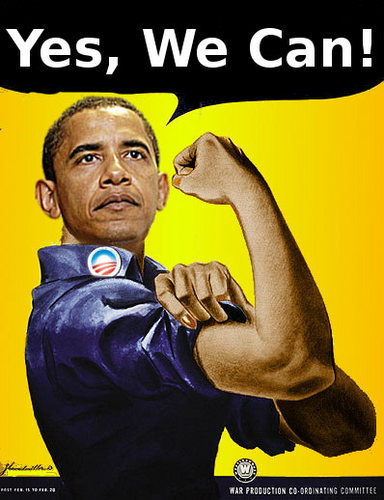
Patriot Obama
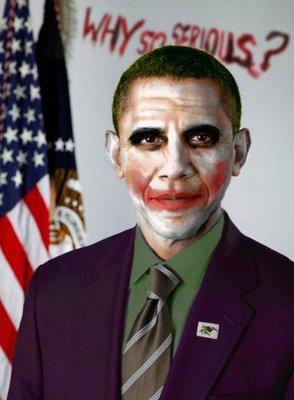
Joker Obama
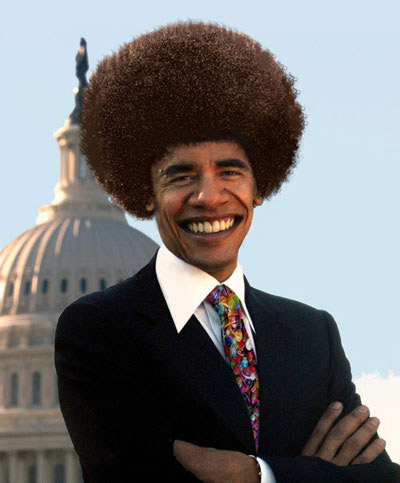
Frobama
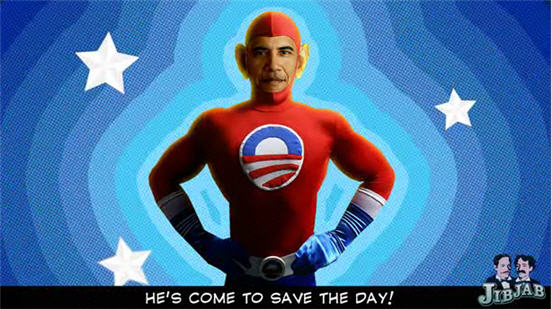
SuperHero ObamaMan
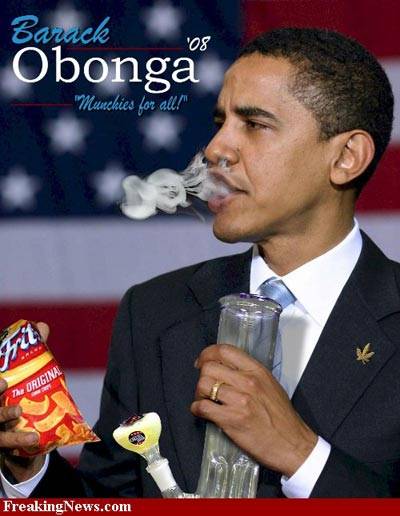
Barack Obonga
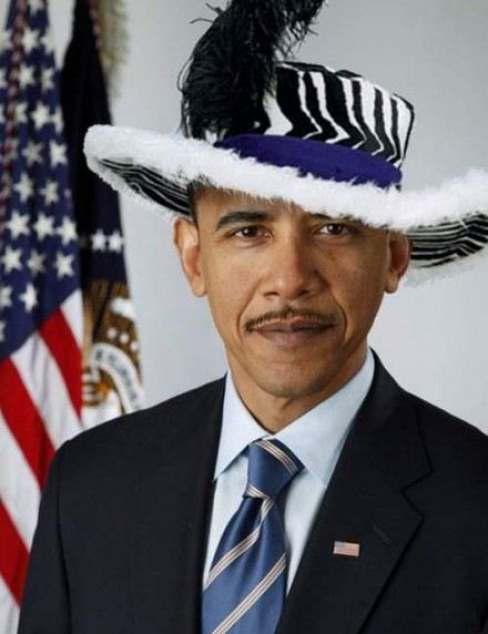
SuperFly Obama

Alfred E. Obama
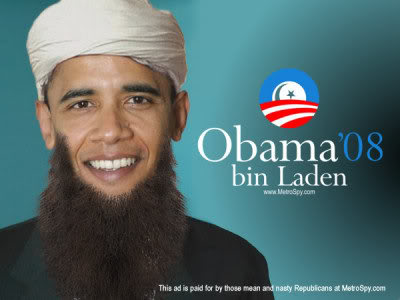
Obama bin Laden
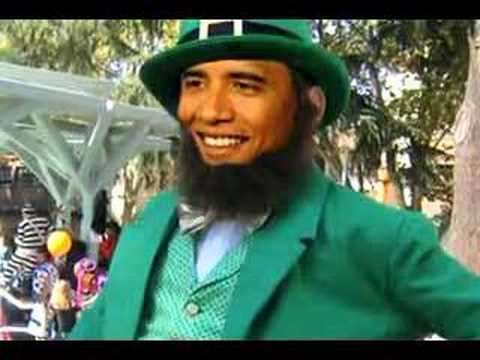
Leprechaun Obama
Wing-Nut Obama
Frozone Obama
Barack ObamaMan
Comrade Barack Obamaskivich

Gay Pride Parade Obama
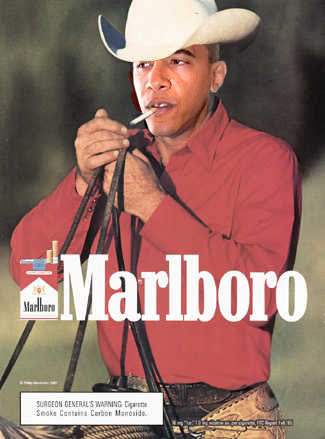
Marlboro Man Obama
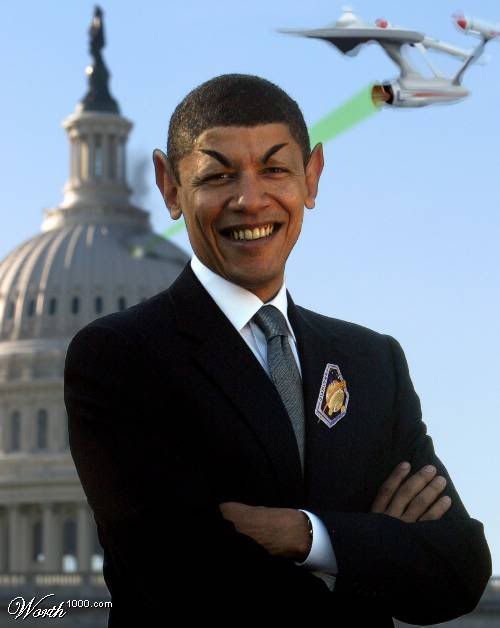
Spock Obama
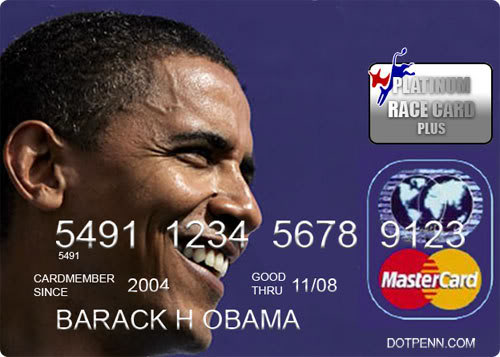
Master Card Obama
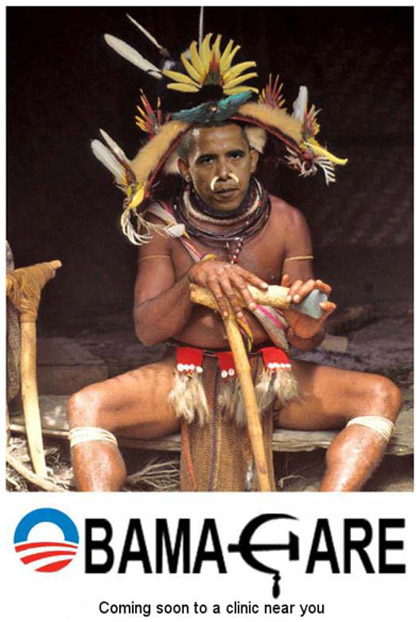
Medicine Man Obama
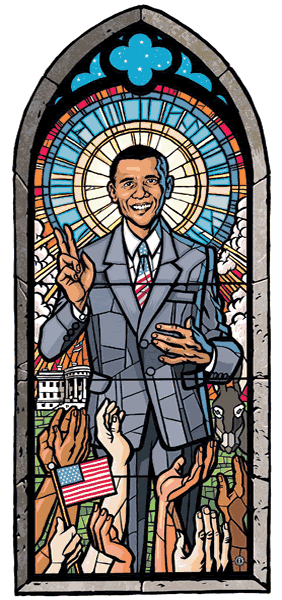
Stained Glass Obama
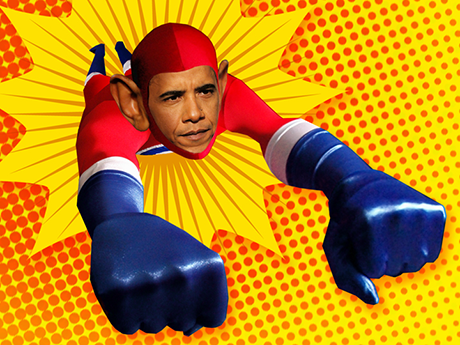
ObamaMan II
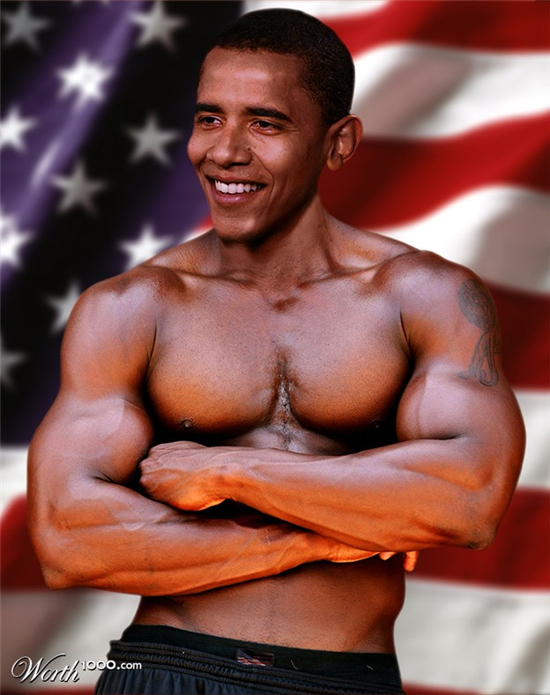
Buff Barack
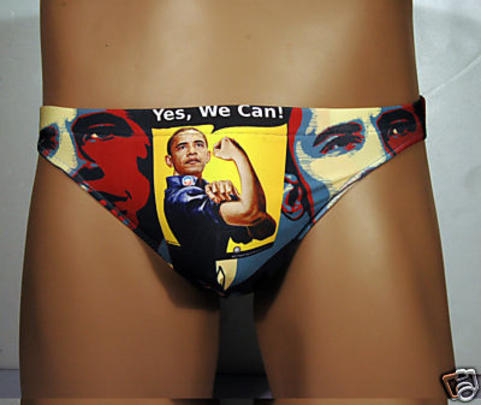
Underpants Obama

Pope Obama
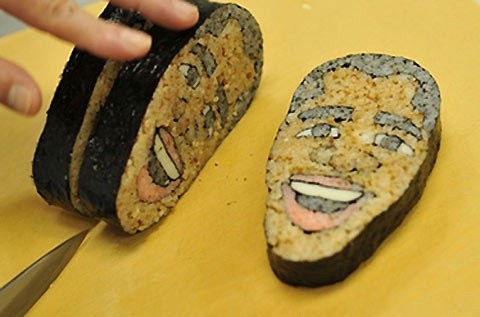
KimBab Obama
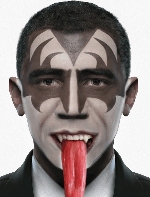
Gene Simmons KISS Obama
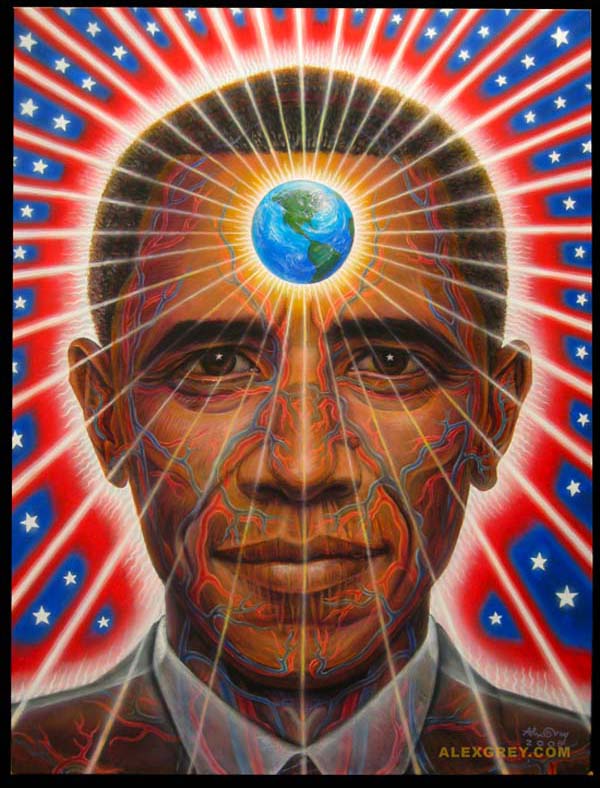
Enlightened Obama by Alex Grey
Karamea Ministry of Red Tape
A New Zealand Government Department authorised by Statute and Royal Decree to receive Official Complaints
Office Manager: Red Scarlett

Red Scarlett
Senior Complaints Officer: Medium Rare

Medium Rare
Secretary: Rouge Rhubrabra

Rouge Rhubrabra
Market Cross: Karamea Minstry of Red Tape Office 9.07 am
Rouge Rhubrabra: Greetings Sir! May I be of assistance to you.
Franken Steinway: Yes I understand that I can make a complaint here!
Rouge Rhubrabra: Indeed! Would you like to make an official complaint? Our Official Complaints Officer Medium Rare will attend to you!

Franken Steinway
Franken Steinway: Well I actually don’t have a complaint. I am bored and I thought it would be rather exciting to file a fictitious complaint.
Medium Rare: Please step over here and spin the Karamea Ministry of Red Tape Official Complaints Wheel of Whinge!

Wheel of Whinge
Franken Steinway: Yowser!
Whrrrrrrrrrrrrr! Plinka, plinka,plinka, plink!!!
Medium Rare: Congratulations sir! You have really scored big time!
Franken Steinway: Wow!
Medium Rare: Karamea Ministry of Red Tape Complaint 227/4. The Karamea Phantom stole your wife’s crotchless pink panties from your bosses clothesline!
Franken Steinway: Butt … butt … butt … I don’t have a wife!

The Karamea Phantom

Missing Crotchless Pink Panties
Medium Rare: You sicko ! Then those panties must have been yours!!
Franken Steinway: Ah! Can I spin again please?
Medium Rare: Well ok but I am filing a special report about this!
Franken Steinway: Phew!
Whrrrrrrrrr ……plinka …………plinka …………..plink
Franken Steinway: What have I scored this time!
Medium Rare: The Jackpot!!!!!!
Franken Steinway: Do I have the right of refusal?
Medium Rare: No need! This one is a bonanza!!!
Franken Steinway: Hit me!
Medium Rare: Karamea Minstry of Red Tape Official Complaint 61/3. You bought a tin of black and white striped paint from the Karamea Hardware Store and there were three white stripes missing!!

Karamea Hardware Store
Franken Steinway: Boring!!!
Medium Rare: There were three white stripes missing, you were overcharged twenty cents and there was no squiggly animal at the bottom of the paint tin.
Franken Steinway: What sort of squiggly animal?
Franken Steinway: You have a choice between a five legged spotted budgie, a rare Brazilian amphibious gold fish or a white chocaholic rhinoceros.
Franken Steinway: Ok I’ll go for the rhinoceros!!
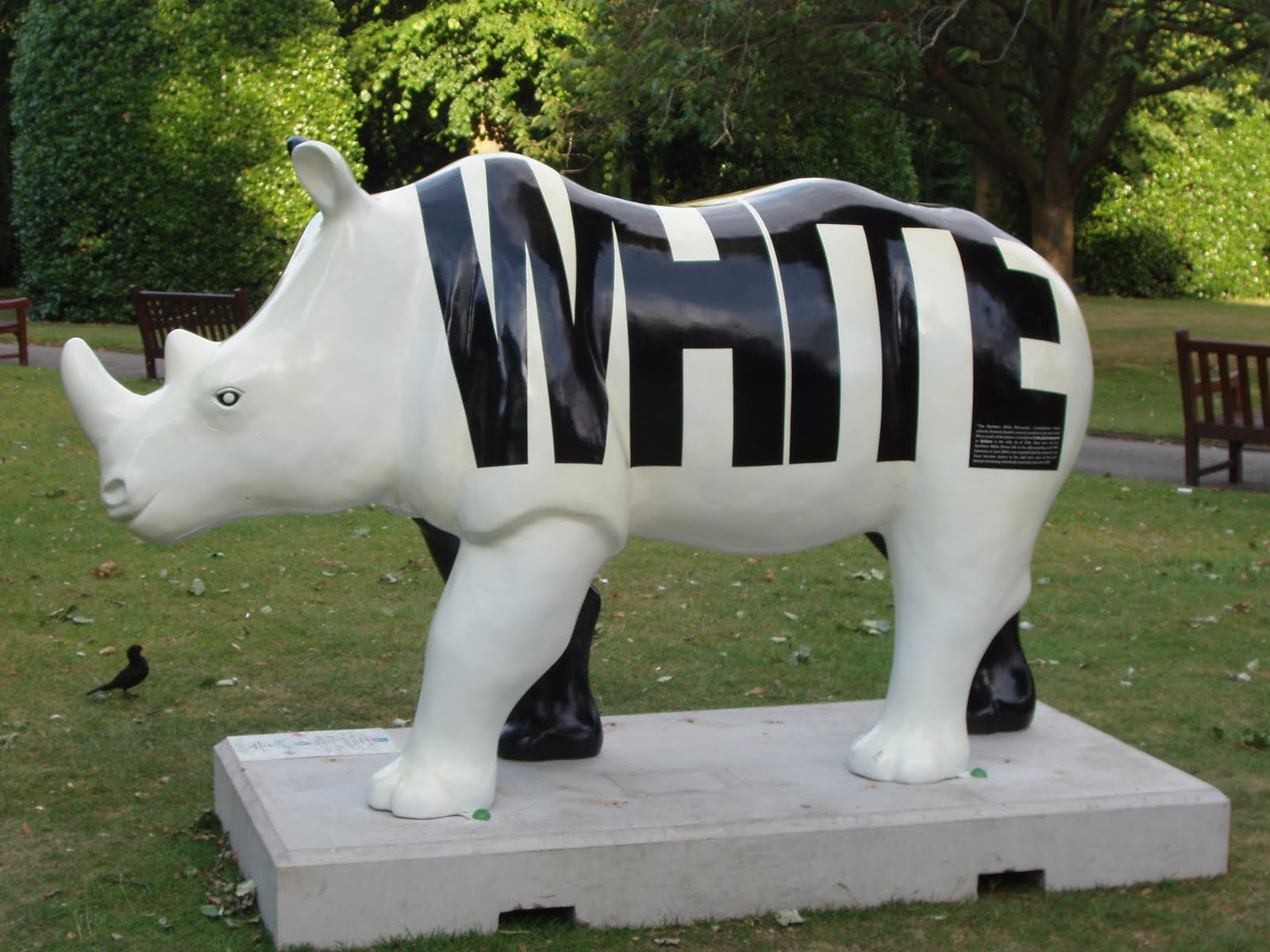
White Chocaholic Rhinoceros
Medium Rare: Wise man! The prescribed fee is $1500 and for a small bribe the World Wildlife Fund will not be informed of your brutality and total disregard for an endangered species.
Franken Steinway: I’ve changed my mind. I’ll go for the five legged budgie instead.
Medium Rare: You cretin! That species is now extinct thanks to you!!!
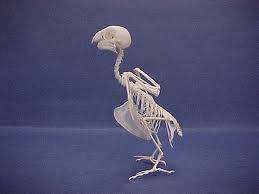
Extinct Five-legged Budgie (with three missing legs)
Franken Steinway: Amphibious five legged goldfish???

Very Rare Nonexistent Amphibious Five-legged Goldfish
Medium Rare: Doesn’t exist!!!!! Ha ha ha!
Franken Steinway: My head hurts where is the exit?
Red Scarlett: How do you do sir! I am Red Scarlett the Karamea Minstry of Red Tape Manager. Did I hear you say exit?
Franken Steinway: Well um …. ah yes My um head hurts!!!. I need an aspirin.
Red Scarlett: Exit! Not possible I’m afraid to say. No one making an official complaint ever leaves this office alive!
Franken Steinway: No! Wait! I’ve got a pet um …. ah…..
Red Scarlett: Pet what??
Franken Steinway: A pet um?? Persea Americana!! She’ll miss me!
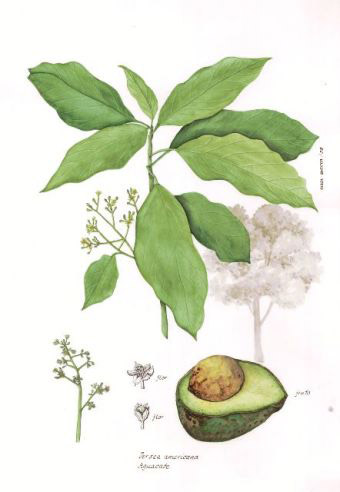
Persea Americana
Red Scarlett: Ha! That is the scientific name for an avocado. Now fortunately you have a choice. Do you want to end up as a meat pie, or as an horse d’hoof at the Last Resort Friday sling shot shootem up all you can eat smorgasbord!!
Franken Steinway: Meat Pie????
Red Scarlett: Meat pie!! Wise choice my good man! Now do you want to be garnished with rosemary or mint! Now consider carefully, this an exciting once in a life time decision!!!
Franken Steinway: You are on bad drugs!!!
Red Scarlett: Au contraire!! I am an aficionado of Whittakers Extra Cacao Caramel chocolate which helps to define my sense of concise equanimity and sagacious deliberation.

Whittakers Extra Cacao Caramel
Franken Steinway: I want to see a lawyer!!!

Attorney at Law Avarice Greedy Bastard from the Firm Ambo Lance and Chaser
Red Scarlett: Your lucky day! I am authorised by Government Statute to take your last will and testament. Karamea Ministry of Red Tape Form 911 please Rouge!
Franken Steinway: Aaaaaaaghhhhhhhh!!!!!
Red Scarlett: Don’t fret! We have an exhilarating choice of testamentary colour schemes too! Deadly nightshade or ghostly pale!
Franken Steinway: Wow! Look at the time! I just remembered. I have an appointment with my speleologist at 3 pm!!
Red Scarlett: Ok! Do you promise to return to the Karamea Ministry of Red Tape office immediately after your appointment!!
Franken Steinway: I…ah … promise!!!
Red Scarlett: Cross your heart and hope to die!!
Franken Steinway: Ah.. well .. of… course!!
KABOOM!!!!!

Rouge Rhubarbara: Good shooting boss!! My old granny once told me never to trust a used vacuum cleaner salesman, especially one that drives a Skoda!!!
Medium Rare: Anyone for a meat pie?

Mrs Lovett’s Special Meat Pies…the Taste of Home

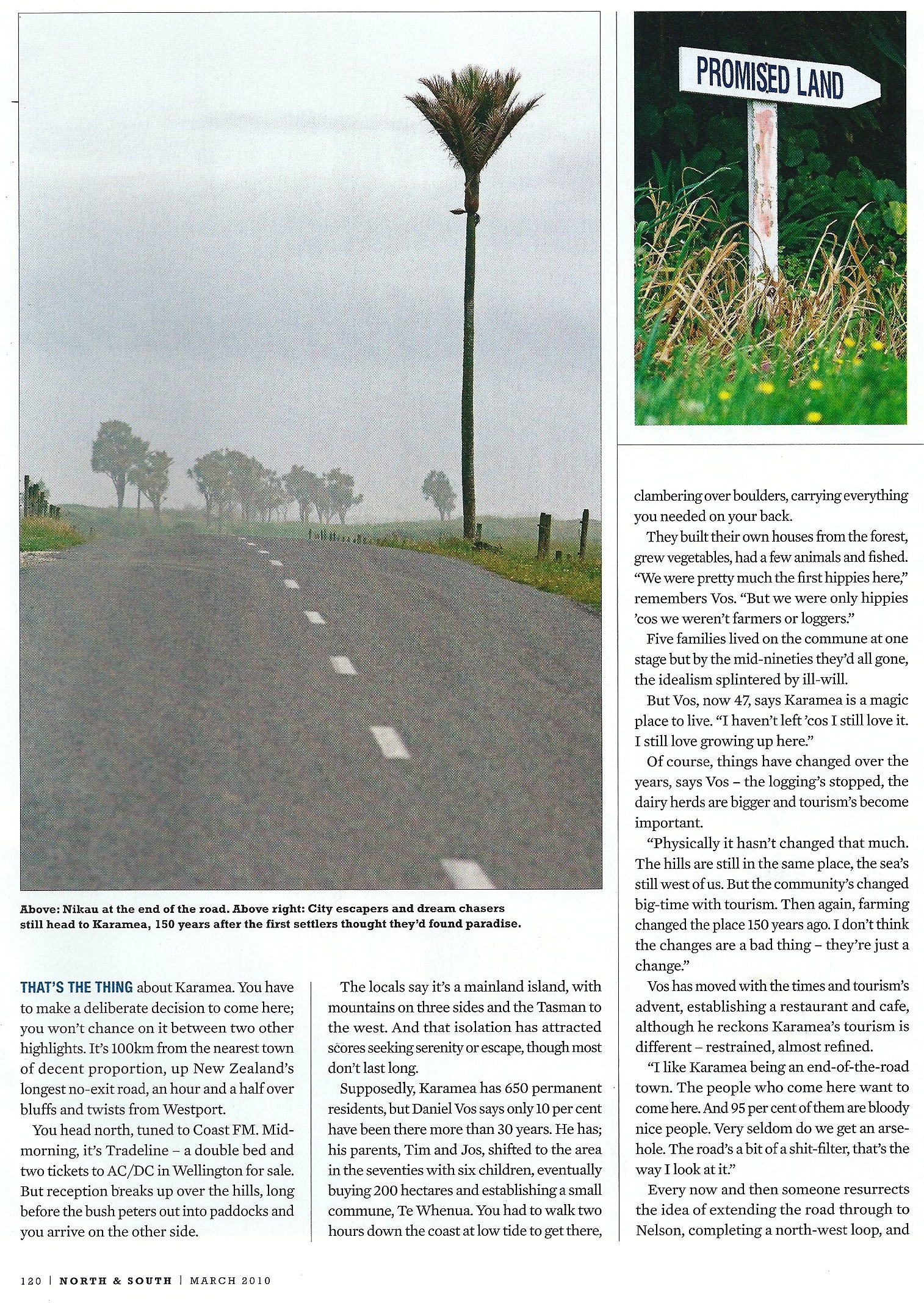
I recently travelled back home to NZ and visited The LivinginPeace project in Karamea which is situated at the northern end of the West Coast Road of the South Island. The LivinginPeace Project began in 2004 and aims to incorporate the elements of travel, art, education and permaculture into a sustainable business.
Karamea is like a little geographical island paradise in the Kahurangi National Park. The climate is warm year-round and the region is blessed with fertile soils, plentiful rainfall and lots of sunshine. Almost any crop can be grown there, including bananas.

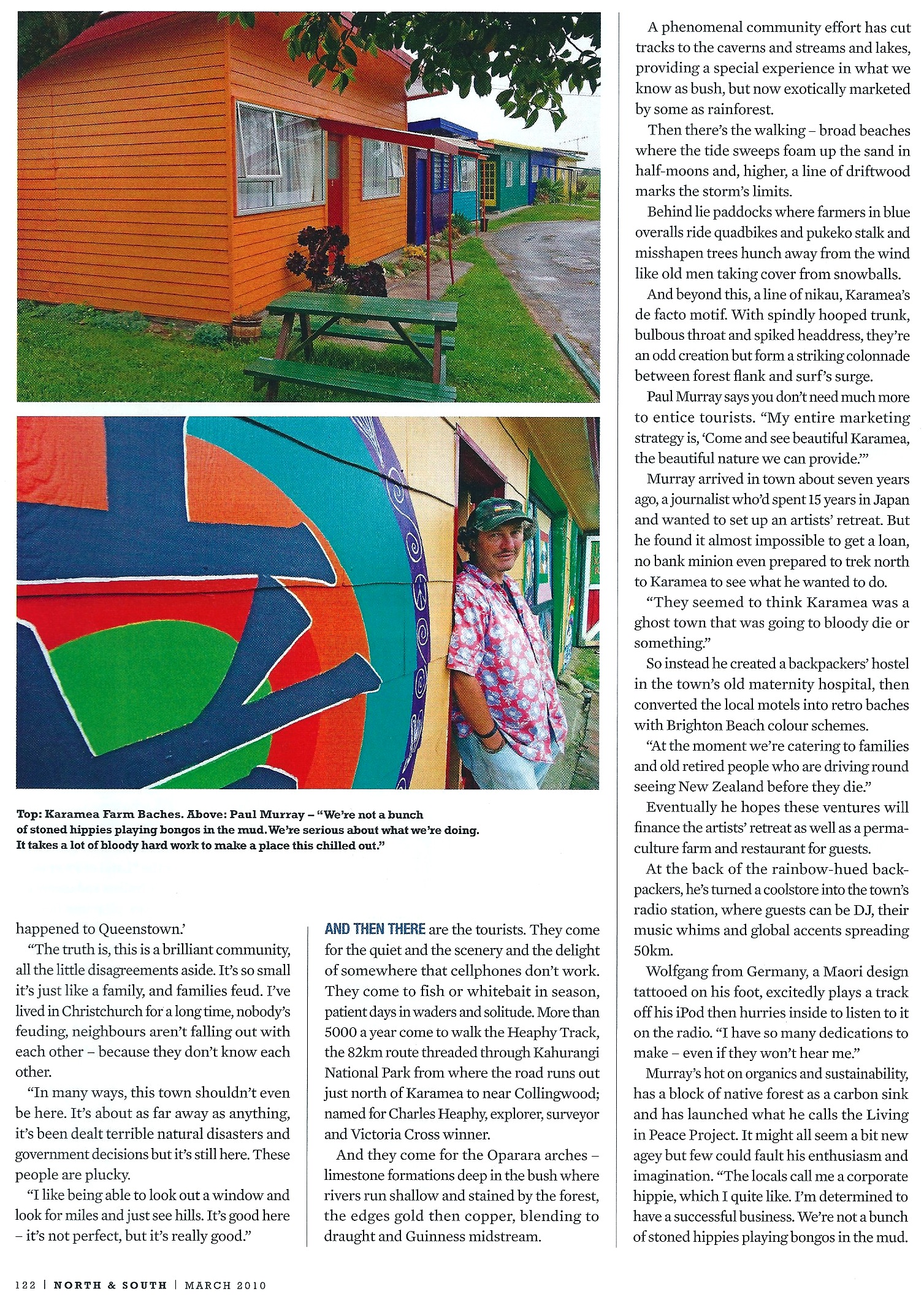
Founder, Paul Murray, studied permaculture with Bill Mollison and Geoff Lawton at Melbourne University in 2009 and has since been working on developing a 7-acre permaculture demonstration farm as part of the Permaculture Master Plan. He sees permaculture as a positive way to provide a quality life for his family and wants to make the permaculture farm a feature of his business in the hope that guests at his accommodation facilities (Paul owns a backpackers and baches) will be able to experience permaculture first-hand and learn about sustainable food production during their stay. “I conduct daily tours of the farm and answer people’s questions in the hope that they will develop an interest in permaculture while they are here,” he said. “Every year, we have over 50 different nationalities coming to stay with us and I see this as an excellent opportunity to spread the word about permaculture.”

The LivinginPeace Project is certified carbon neutral and the project undergoes an annual audit by Carbon South, a Christchurch-based carbon assessor. Environmental and energy efficiency considerations are the focus of every business decision and the ultimate objective of the permaculture farm is to be able to produce sufficient food to feed all LivinginPeace Project volunteers and also to have a restaurant to feed guests with food that has been grown on the farm. Murray believes that a significant carbon saving can be made by doing so. “Karamea is possibly the most remote town in the South Island of New Zealand, so if we invite people to visit Karamea and then import all the food to feed them while they’re here it would be very inefficient, so a significant carbon gain can be made by producing all the food we need for our guests help to maintain the carbon-neutral status of the business and also enable us to provide them with locally grown, freshly picked, nutritious, enzymatically rich, healthy food,” he said.

The LivinginPeace Project is run entirely by volunteers and has been a Wwoofing host for seven years. “Wwoofers are travellers and I am very grateful for the wonderful people who have come to help develop and manage the project,” Murray said. “We strike a mutually beneficial arrangement with our Wwoofers, we ask that they help develop the farm and run the businesses and in return, we offer a great place to stay, all the facilities and services we have for our guests and the opportunity to learn about permaculture.”

Travellers are able to defray the cost of their adventure in return for their labour, whilst staying in one of the loveliest places in New Zealand and exploring the Kahurangi National Park, Oparara Basin and the Heaphy Track — one of New Zealand’s “Great Walks.”
Art is another facet of the LivinginPeace Project and there is an annual artist-in-residency programme whereby artists are invited to spend several months in the summer and offered free accommodation so that they can live and work on their art in a region renowned for its natural beauty. In the past, resident artists conduct art workshops, drawing classes and held exhibitions as part of their residency and art is a very important feature of the LivinginPeace Project. The permaculture farm is designed with aesthetic considerations with artworks incorporated into a creative design and is a pleasant place for visitors to experience and enjoy.

In 2011, the LivinginPeace Project launched the “Permaculturalist-in-Residency Programme” whereby an experienced permaculturalist is invited to stay and work with the Wwoofers on the farm as an instructor. This enables Wwoofers to learn more about permaculture and its practical applications and also enables permaculture instructors to gain valuable experience in supervising and assisting the learning process of novice permaculturalists. The programme has proved very beneficial for both students and teachers and the permaculture farm development has also benefited from the input of experienced permaculture practitioners matched with the enthusiasm and energy of the Wwoofers.

The first Permaculture Design Course will be offered in Karamea from August 7-20, 2011. This course will be conducted by myself, Tim Barker, Justin Sharman Selvidge and Paul Murray. (For more information on the PDC, please go here.)
Together with the theory of permaculture, the LivinginPeace Project PDC will also focus on the practical application of permaculture including workshops and demonstrations, along with excursions to other permaculture projects in the region and visits to natural forest systems.

The LivinginPeace Project has an 80-acre (31-ha) forest block as Zone 5 and it acts as a carbon sink to offset the carbon emissions produced in the service of the business, including partial responsibility for the carbon emissions of visitors to the project, most of whom come from the Northern Hemisphere. The forest is tremendously diverse and provides an excellent example of a balanced natural system for people to observe and experience.
The LivinginPeace Project is a progressive and innovative business that seeks to positively incorporate permaculture into the business model to improve the efficiency and minimise the environmental impact of the venture.
For more information on the LivinginPeace Project, please visit: www.livinginpeace.comor contact Paul Murray:

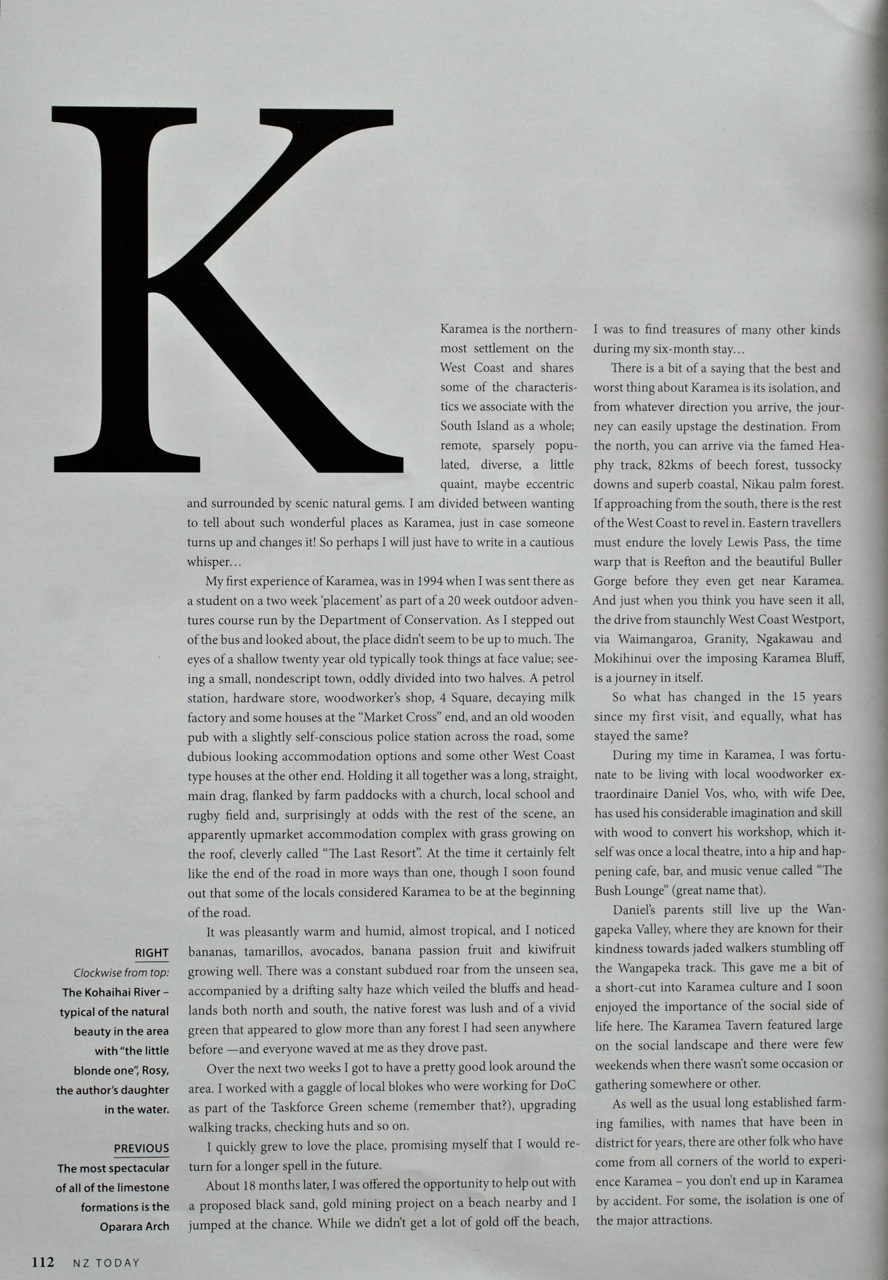
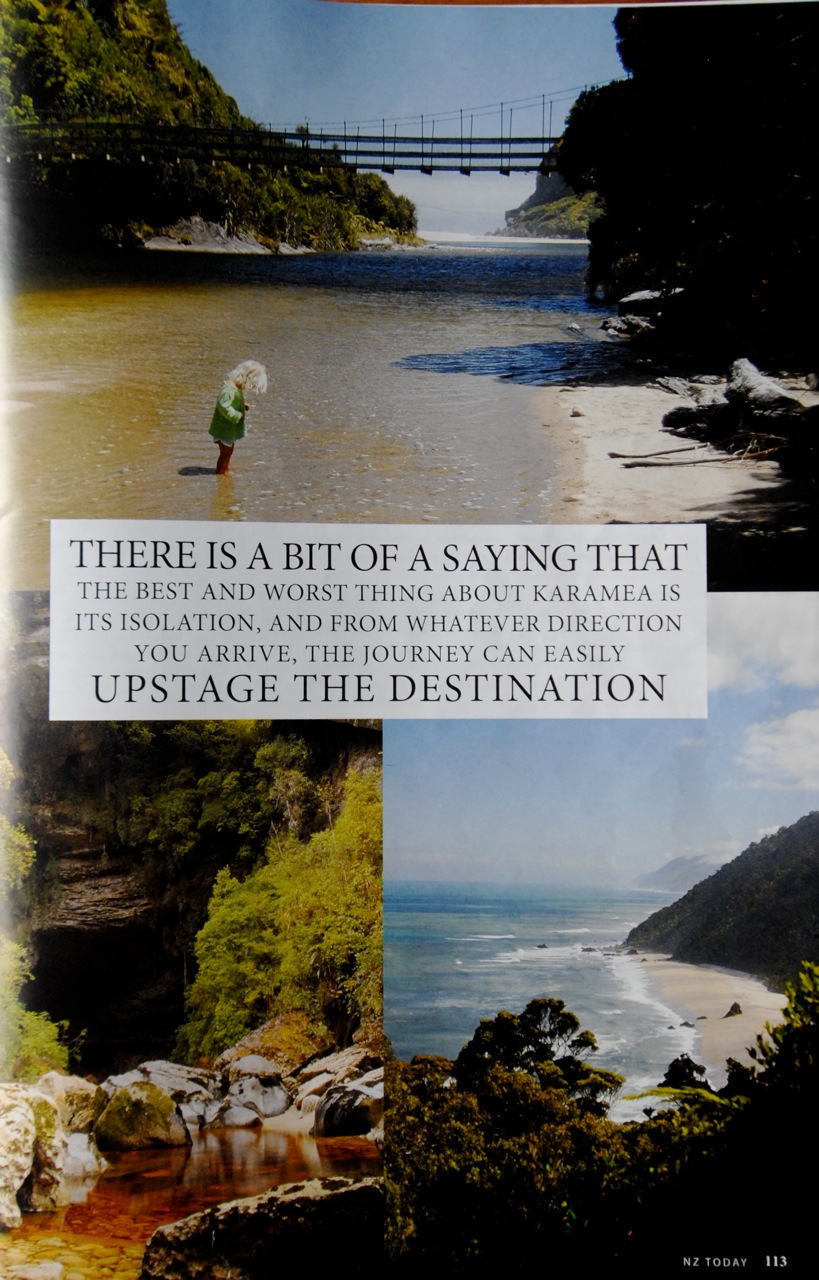

 The Rongolian Star
Have You Been To Sunny Karamea Yet?
Kereru (Wood Pigeon) and Nikau Palms (Photo by Miles Carter)
Off the Top of my Head
By Paul MurrayDon’t be surprised if everyone waves to you as you pass by in Karamea…it’s that kind of place.
If you’re among the growing number of travellers who are looking to escape the usual tourist route for a subtler but more genuine Kiwi experience, you’ll be on the right track when you head for the Karamea region, at the top of the South Island’s West Coast. Enveloped by the Kahurangi National Park and sealed in by the Tasman Sea to the west, Karamea is a geographical island paradise with a wealth of natural beauty just 100 kilometres up the coast from Westport.
The road to Karamea is one of the most beautiful drives in the world and affords stunning views of the Tasman coast, river valleys, verdant forest and jagged mountain ranges.
The journey takes you north from Westport, through the charming seaside villages of Granity and Hector and across the Mohikuniui River before heading up into the densely forested mountains of the Kahurangi National Park, you’ll pass ancient tree giants, beneath majestic tree ferns and go high over the Karamea Bluff (stop your car, check out the view of the Tasman from the mountain top and listen to the symphony of birdsong) before dropping into the broad alluvial coastal plain at Little Wanganui. You’ll pass happily grazing dairy herds on lush green pasture, the expansive Otumahana Lagoon and over the mighty Karamea River before arriving in the beautiful hamlet of Karamea…getting there is just the beginning of your adventure.
There’s a wealth of sightseeing opportunities on offer in the Karamea region. The Oparara Basin has a full day of activities, including cave tours through the Honeycomb caves where you can see a very well preserved skeleton of a giant moa, an underground river, a limestone cathedral lit by a myriad of glow worms, ancient limestone pillars and chandeliers and exit from a massive arched cavern straight into verdant rainforest.
Verdant rainforest, ancient moss-strewn trees and the tannin-stained Oparara River (Photo by Paul Murray)
The road into the Oparara Basin from Karamea township winds through the beautiful native rainforest of the Kahurangi National Park, which is New Zealand’s second-largest National Park and contains the greatest diversity of flora and fauna of any parks in the country. A new track connecting the Fenian Track with the Oparara Basin opened in 2008. This enables people to follow the Oparara River into the Oparara Basin and experience more of the wonders of the Kahurangi.
Along the many short walks in the Oparara Basin, you’ll pass through an enchanted wonderland of prehistoric moss-covered vegetation from mighty natives to tiny colourful mushrooms, lichens and flowers. The biggest limestone arch in the Southern Hemisphere is at the end of one track, a massive stone structure bridging a large river and forming a tunnel for more than 200 metres. The Moria Gate arch is smaller, but a highly spiritual place for quiet introspection and meditation in the bosom of nature…a visit to Moria Gate is a must.
The Mighty Oparara Arch (Photo by Sean Coleman)
Moria Gate Arch (Photo by Paul Murray)
A little further on is the Mirror Tarn, a still pond about the size of a rugby pitch. Tall beech trees grow right to the edge of the water, sheltering the surface from any breeze. The leaves of the beech trees fall into the water and release their tannins, staining the fresh water a dark tea hue, which allows for a perfect mirror of the sky…to stand at the water’s edge and look down into the sky is an astounding pleasure. The tracks in the Oparara Basin are easily negotiated and allow people of all ages to experience amazing natural features that would otherwise have been hidden to all but the most extreme adventurer or hardened bushman.
Mirror Tarn (Photo by Paul Murray)
One of New Zealand’s nine great walks, the Heaphy Track, finishes (or starts, depending on which way you’re heading) at Karamea. The 82-kilometre, four-day tramp attracts visitors from all over the world every year. Many people choose to walk only to the first or second huts on the track instead of walking its entire length. The huts, Heaphy and Lewis, are Department of Conservation-maintained bush cabins with gas cooking facilities, open fires, bunks with mattresses, large camping grounds, toilets and running-water facilities. Live like a millionaire for as little as $30 a night, awake to a choice of view: pristine mountain scenery or the roaring Tasman Sea.
The Heaphy Track: A Great Walk (Photo by Paul Murray)
The Heaphy Track opened to mountain bikers in the winter of 2010 for a three-year trial to determine the suitability and popularity of the Heaphy for mountain biking. The trial was a great success and the track is now open every year from May 1 to September 30. Mountain bikers from all over the world are expected to take the opportunity to ride one of New Zealand’s “Great Walks” which is now also a “Great Ride.”
***HINT: The Karamea end of the Heaphy Track is considered to be the most spectacular scenically, so many trampers and riders start in Karamea, ride or walk into the track and then return to where their vehicle is parked…this avoids costly transport and the time expense getting back to Karamea from the Collingood end of the track…and doubling the adventure in the process!***The Heaphy Track: A Great Ride (Photo by Paul Murray)
Closer to town is the Karamea Gorge, a trout fisherman’s paradise. One of its features, the aptly named Big Rimu Tree, is a tree so large that when the region was logged about 60 years ago, the technology available at the time was insufficient to handle a tree of its size—It must be seen to be appreciated and to stand beside its mammoth trunk is a quite humbling experience.
Karamea Gorge Track (Photo by Paul Murray)
There is also fishing, surfing or bird watching at the Karamea River estuary. For those interested in the latter, black swans, egrets, ducks, pukeko, oystercatchers, herons, gulls and hundreds of other birds congregate at the estuary. Tuis, wood pigeons and bellbirds will wake you in the morning with their dawn chorus…and there is a vast stretch of sandy beach-–where you might stroll along all day without encountering a soul…except perhaps your own!
Karamea Estuary (Photo by Paul Murray)
Birdlife on Karamea Estuary (Photo by Sean Coleman)
Surfing at Karamea Beach (Photo by Sean Coleman)
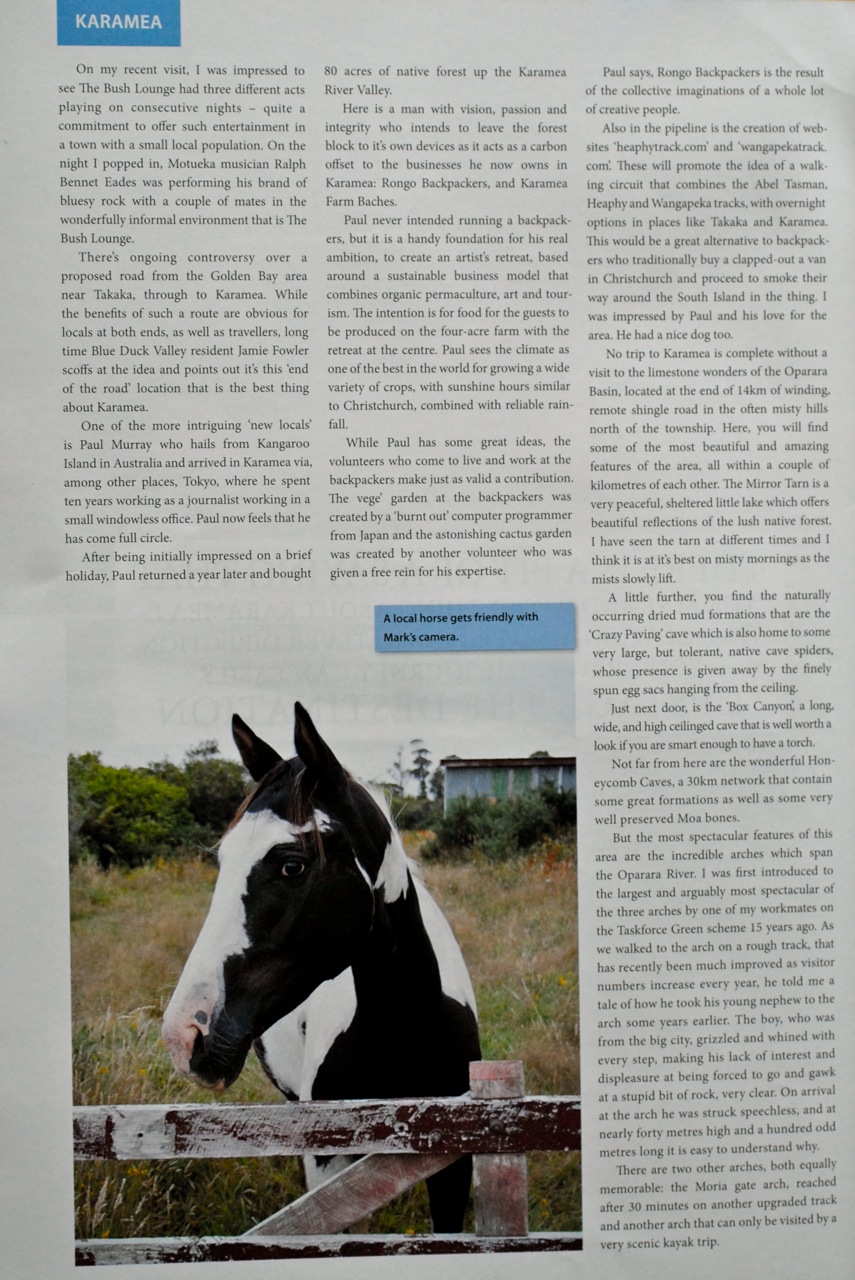
“Moo” at Karamea Beach (Photo by Paul Murray)
For the adventurous and ambitious, the day walk up Mt Stormy is a challenging, but eminently rewarding slog that affords stunning views up and down the wild West Coast and out over the even wilder mountains of the Kahurangi National Park.
Atop Mt Stormy (Photo by Paul Murray)
If a more sedate round of golf is your thing, don’t forget to bring your clubs and try out the decent nine-hole course right next to the beach …with a little imagination, the Tasman’s roaring surf could easily be the crowd at St. Andrews!
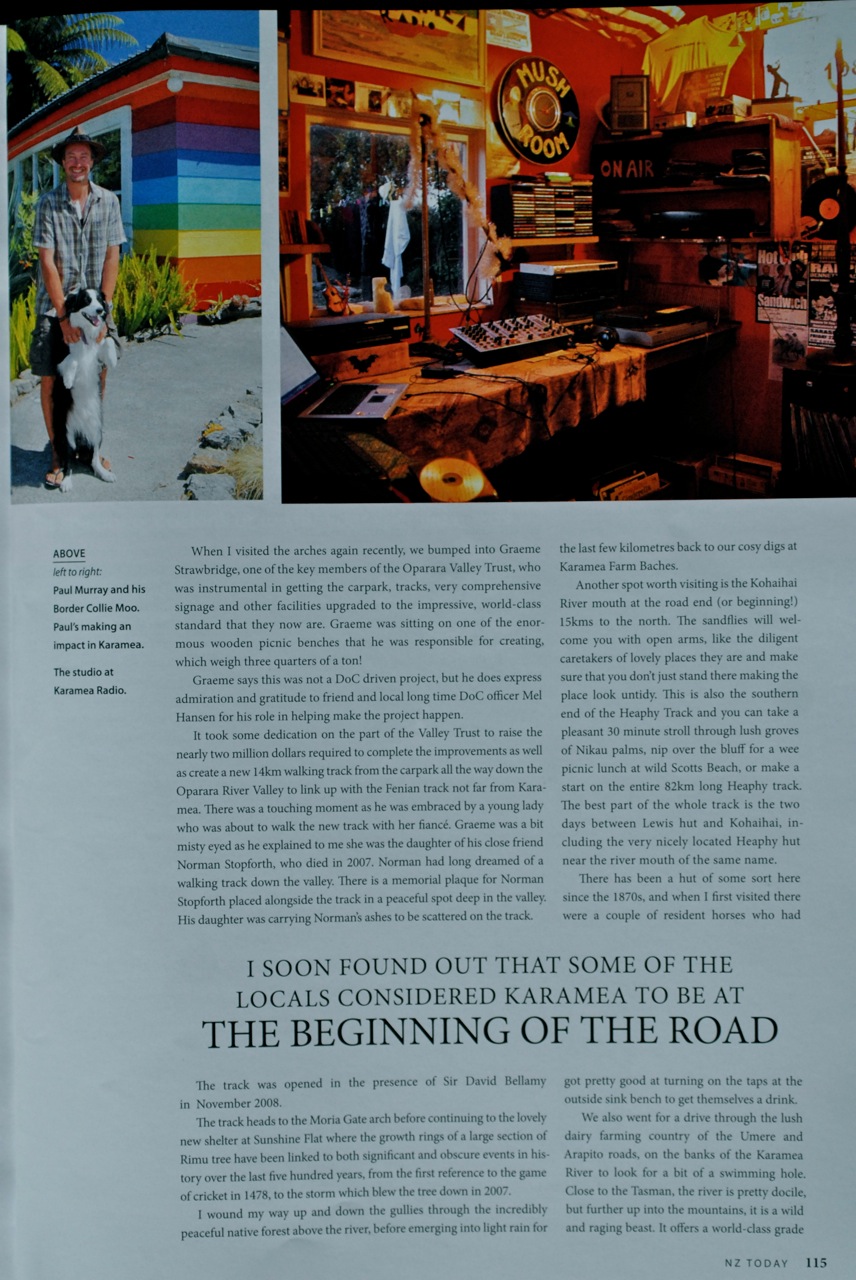
On the drive back, tune in to a community radio station, which broadcasts 24/7 from a shed behind Rongo Backpackers & Gallery. At Karamea Radio 107.5 FM you’ll hear an eclectic mix of music, humour, debate and social commentary.
Rongo Backpackers & Gallery: http://www.rongobackpackers.com
Family Fun doing a Radio Show on Karamea Radio 107.5 FM http://www.karamearadio.com
The region’s past includes gold rushes, a flax boom and a huge timber industry. Karamea was once a thriving seaport and has weathered freak storms and earthquakes. Details of these and other historical happenings can be checked out at the local museum.
The Karamea region remains a peaceful natural enclave of forest, sea and sky…you’ll love what they haven’t done to the place!
Spectacular Karamea Come Lose Yourself in Nature (Photo by Paul Murray)
Rate this: