
The Press August 21, 2008
Off the Top of my Head
By Paul MurrayThe use of sodium monofluoroacetate (1080) by the Animal Health Board (AHB) on the West Coast is indeed a contentious and emotive issue and one that has attracted a lot of media attention recently. The issue’s newsworthiness results from the groundswell of public opposition to the broad-scale, indiscriminate aerial distribution of the poison over large areas of the West Coast in the service of killing possums to help eradicate bovine tuberculosis.
However, it is important to remember that there are many strings to the West Coast’s economic bow. These include dairy farming and tourism, both of which are pillars of the West Coast economy. Unfortunately, tourism operators have been largely ignored by the AHB’s single-minded approach to Tb eradication on the Coast.
In the recent aerial 1080 operation on the West Coast, tourism operators were not even considered “affected parties” by the AHB or pest-control contractor EPRO Ltd. Attempts to inform the community, or tourism operators of their daily schedules, including the temporary closure of tracks and some tourist attractions, were woefully inadequate.
In 2007, a comprehensive study of the Karamea community revealed that 90% of residents listed the environment as their principal motivation for choosing to live in this remote, but idyllic and scenically stunning, West Coast region. I believe that most West Coast residents share this sentiment.
A local petition circulated by community action group Karameans Advocating Kahurangi Action (KAKA) revealed that over 40% of local residents vehemently opposed the aerial distribution of 1080 in our backyard. A West Coast-wide petition, currently in circulation, is indicating similar results. Opposition to aerial distribution of 1080 on the Coast is widespread and significant. It can hardly be a surprise to the proponents of 1080 that there is significant protest and passionate opposition to the programme.
The 1080 aerial programme has a major negative impact on the Coast region in terms of tourism and may endanger visitors to the Coast. We also have to cope with a poisoned environment for the next six months and suffer the stigma of skull and crossbones signs in place at all public places warning people of the dangers of 1080 to humans and animals. We cannot walk our dogs and residents and visitors must keep a constant vigil on their children to ensure they are not poisoned.
To suggest, as Chairwoman of Tb Free West Coast Helen Lash did in an article headlined “Coast Needs 1080 Use” in The Press on July 31, 2008 (A9), that the entire West Coast economy would collapse if we didn’t aerially dump poison all over the forest in an attempt to control bovine Tb totally ignores the critical role of hard-working tourism, mining, fishing and other non-dairy based business operators in sustaining and growing our local economy. Tourism operators and many others have devoted their lives, invested large amounts of money and continue to work tirelessly promote the region’s unique environment to international and domestic visitors.
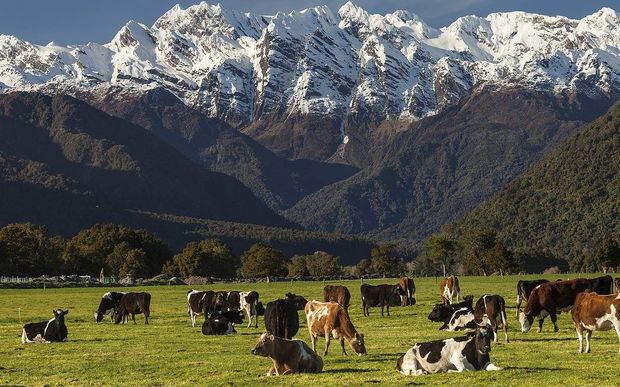
Also, to suggest that all farmers are in favour of 1080 is misleading. Many farmers, including some dairy farmers, on the Coast have refused to allow aerial 1080 operation on their properties. Some dairy farmers have also begun to question the effectiveness of 1080 aerial operations and the relative importance of possums in the transmission of Tb and some suggest that other vectors and stock-management practices may be the root cause of Tb in West Coast herds.
Ms Lash suggests that the AHB 1080 programme is to “protect the Coast from any possibility of any future trade or export restrictions in the farming sector due to Tb infection.” What trade or export restrictions does she refer to? Many countries have Tb infestation rates far in excess of New Zealand and the World Animal Health Organisation has removed Tb as a barrier to regulated trade. While this doesn’t suggest that Tb control is no longer important, it does suggest that a complete review of the AHB approach to the problem is necessary.
A far greater threat to trade and export is the potential for our agricultural exports to be contaminated with 1080 residue and our Clean/Green/100%Pure New Zealand image tarnished by the continued broad-scale, indiscriminate use of a toxin so dangerous it is banned in most countries. The continued use of 1080 will inevitably jeopardise New Zealand’s international image as a tourist destination and producer of quality primary food products.
The AHB is an incorporated society; a Government established and funded quango that is not answerable to the Ombudsman nor subject to the Official Information Act.
It appears to be accountable only to the Minister of Agriculture and Fisheries (Jim Anderton). UnitedFuture leader Peter Dunne summarised the situation well in a recent press release when he wrote, “I know no other publicly funded industry in New Zealand that has such a blatant disregard for community transparency. DOC, the AHB and the poison contractors should therefore not act surprised that public perception has turned against them.”
Both the Minister for Agriculture and the Minister for Finance are shareholders in the government company that makes the 1080 baits. (***Appendix 1) Given these connections, and the legislated protections and financial resources the AHB enjoys, is it any wonder that an increasing body of people are dubious about the accuracy of AHB reports, want independent monitoring of its activities and stronger oversight by Government. Peter Dunne again said it well; “It is crazy that those whose commercial interests lie in the persistence of the status quo are the same people left to assess the effectiveness and future viability of Government policy regarding 1080.”
No responsible anti-1080 campaigners are suggesting that we shouldn’t control possums, or that we should make no attempt to contain and eradicate bovine Tb. Let’s make sure that the solution addresses the problem. Let’s also make sure that the process of looking after the farmers doesn’t contravene the rights of other stakeholders, harm our environment unnecessarily, decimate our native birds, pollute our waterways, poison the land and limit the legacy we have to offer our children.
What is urgently required is a roundtable with all stakeholders to get together and work out genuinely Clean/Green and 100%Pure solutions to the problem of pest-control and bovine Tb, so that we can all go about our respective businesses and confidently promote our country and our primary products to the world market with confidence and pride.
****KAKA is a community action group formed in 2007 in Karamea to represent local people concerned about of aerial 1080 programme on the West Coast of the South Island and to campaign for genuinely Clean Green/100%Pure alternatives to aerial 1080. ****
Paul Murray
Karamea Tourism Operator and Media Spokesperson for (KAKA)
Appendix 1 ***
• Animal Control Products Ltd – www.pestoff.co.nz
Crown Ownership Monitoring Unit (COMU) – www.comu.govt.nz/shareholders.html


























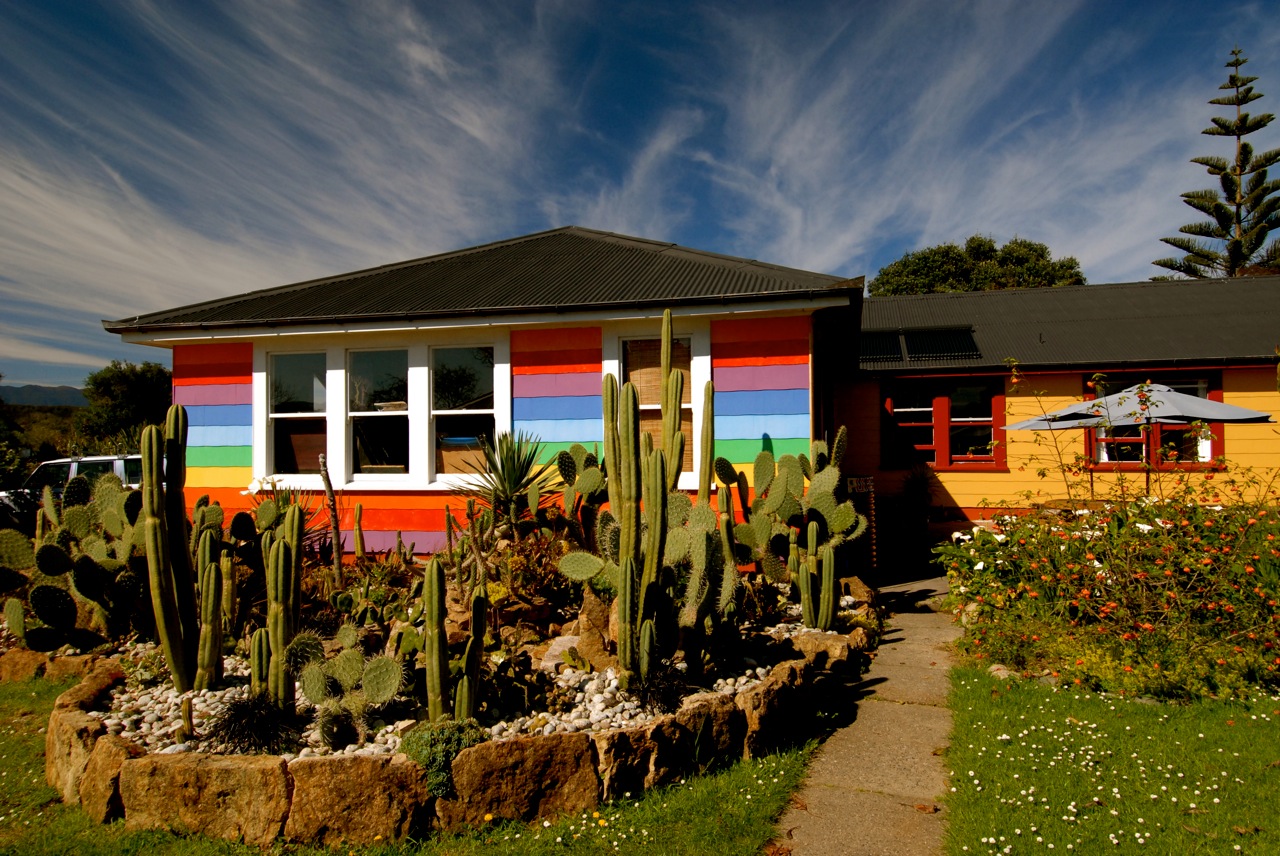


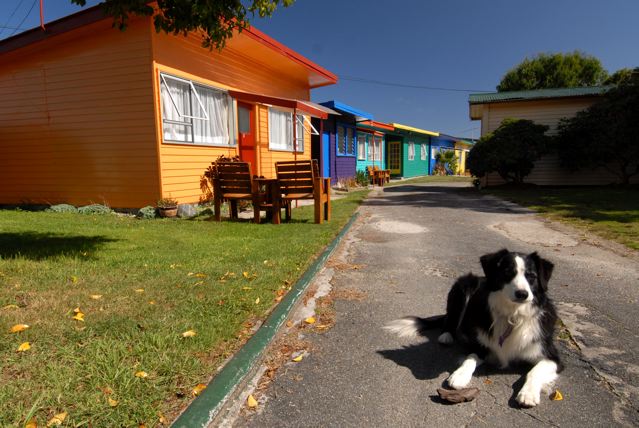
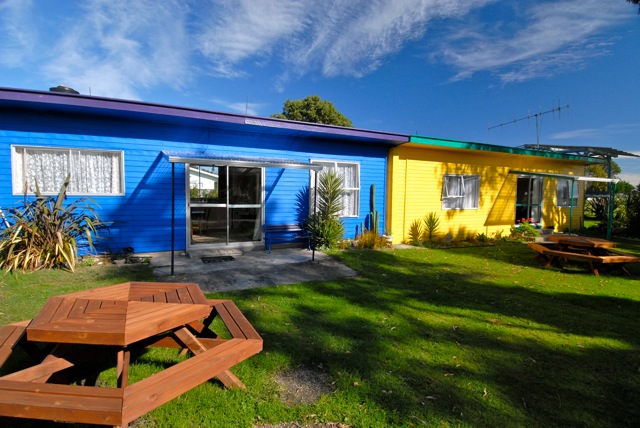








 Karamea Farm Baches:

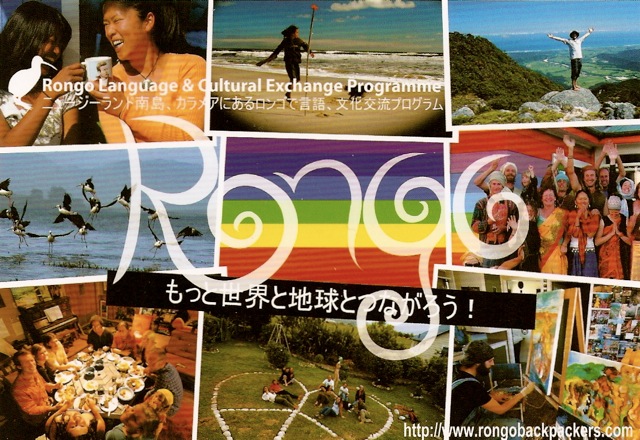
The World is Your Canvas – Karamea’s Rongo Backpackers Where Self-Sufficiency Meets Creativity
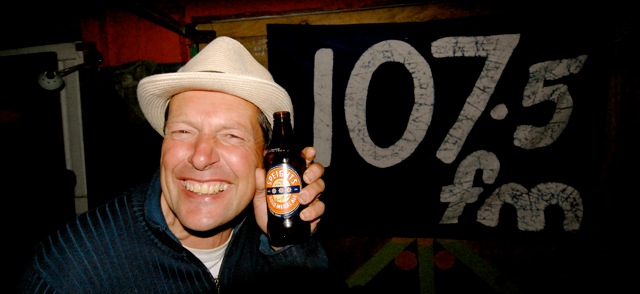
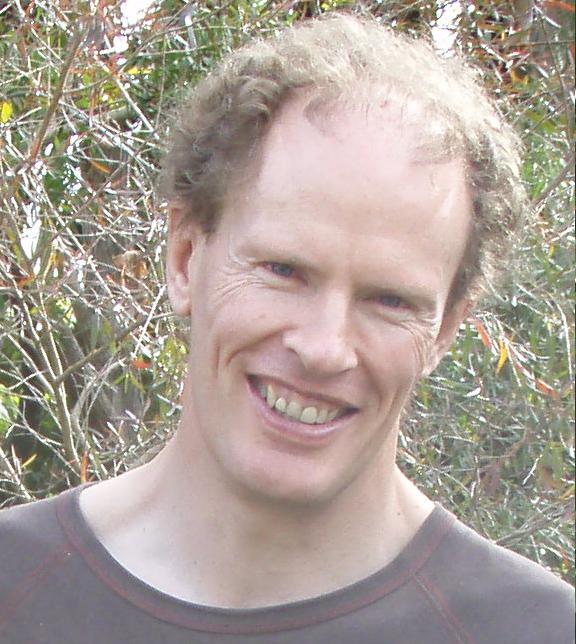
Paul Murray is a self-realized artist. He has invested his whole life and soul in his current work: The LivinginPeace Project, which aims to combine the elements of; art, travel, education and permaculture into an environmentally, socially and economically sustainable business.
Most people may identify Paul as the amiable man behind the reception desk at Rongo Backpackers & Gallery, or the handyman around the Karamea Farm Baches. However, when delving deeper to discover the intricate web of inter-relationships that embody the LivinginPeace Project, one realizes Paul is not any ordinary artist. He is an artist who believes life is his canvas. The project thrives on exactly this idea, that we are all artists, interdependent on one another and Earth, and our lives are our current works of art.
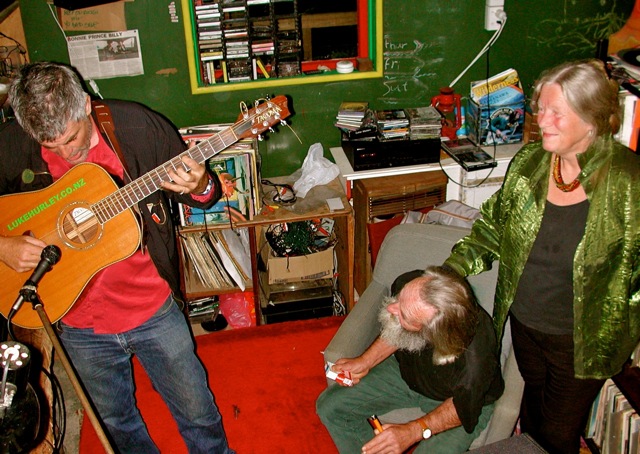
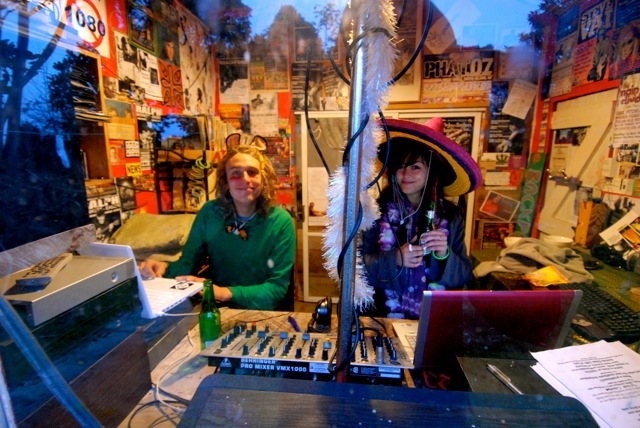
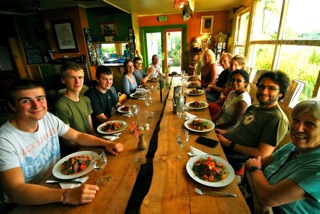
Paul grew up on Kangaroo Island in Australia where he says, “whether real or perceived, there were certain expectations of who I was as a person.” Feeling pigeonholed and unsure of his own identity, Paul moved to Tokyo where he was thrown into a foreign culture and a whirl of thirty-three million people he didn’t know. Ten years living in Tokyo and travelling the world created Paul’s mantra on travel: “international travel is the best means of self-education.” Travelling allows one to actively gain valuable experience, while tourism is an entirely different endeavour where one only pursues places to check them off the list, not to form new relationships with others and yourself. At Rongo, guestomers (guests+customers) and woofers (Willing Workers on Organic Farms) find a space asking you to indulge in your own self-education in any manner you can imagine. Rongo is exploding with self-expression from individuals who have come from all over the world to experience the place. The positive messages on the Visitor’s Wall, the colors of the building, and the infinitely different styles of art on the walls illustrate the open and creative aura surrounding Rongo.
While Rongo’s free-spirited existence exudes an attitude pivotal to the understanding of the LivinginPeace Project, this is only one facet of the project. In fact, the reason this art project is the most unique to Paul’s portfolio is because it has no end. Paul has always found himself incredibly motivated to make change, but once that larger change takes place, the goal has been achieved, and movement begins to plane, he loses interest. With the LivinginPeace Project, “there is always movement forward. It has no end.”
The project began six and a half years ago when Paul bought property in Karamea and wanted to create a place where artists could live and create, free from the shackles of societies expectations. In this pursuit, he discovered there must be concurrent focuses because, for example, the artists must eat. They must have water to shower and do laundry. “We also need to recognize we are part of something else,” Paul says. The LivinginPeace Project thrives because it recognizes and embraces that we are all part of something bigger. It creates a model ecosystem in which the Earth and its inhabitants rely upon one another and give back to one another, a simple equation which has been lost, forgotten, or complicated beyond understanding in places around the world.
“We learn by teaching others,” Paul states. Self-sufficiency is overlooked in the world today and, on a very basic level, the project also strives to teach people how to live sustainably. Rongo is set up to teach people how to live sustainably and people are trusted to pursue this type of lifestyle. The hostel is run by volunteers, and Paul believes this is an essential piece to Rongo’s success. Woofers are not told exactly, for example, how to clean the rooms after guestomers leave or given an in-depth guide to checking guestomers in. Instead, they teach one another as new woofers arrive and depart, passing on what they learned to the next Rongolians. “Responsibility and trust makes you work bloody hard,” says Paul.
Although The LivinginPeace Project has surmounted numerous seemingly unconquerable obstacles, it will always be a work in progress. It strives to be self-sufficient one day but it is far from achieving that today. Paul has purchased eighty acres of land around Karamea to offset the carbon emissions of travellers. A permaculture farm is taking rapid shape. The LivinginPeace Project will forever encounter new obstacles and Paul admits there are discouraging moments, but when these arise, he comes back to the Visitor’s Wall, which is covered in messages and drawings telling the stories of past experiences of volunteers and guests at Rongo. Hundreds of inspired words slink along the walls as a positive reminder of the impact of the project. Paul hopes, if anything, that “people walk away a bit taller.” And past woofers and guestomers have made it clear that they experience tremendous personal growth. One individual, who arrived last year and ended up staying for six months, recently wrote Paul saying, “Last year [while staying at Rongo] was one of the single most enjoyable times of my life.”
Rate this: