2013 LivinginPeace Project Permaculture Design Course

Off the Top of My Head

By Paul Murray

LivingInPeace Logo II

Students from France, New Zealand, Germany, the United States and Japan converged on Karamea on the West Coast of the South Island of New Zealand for the 2013 LivinginPeace (LiP) Project Permaculture Design Course (PDC).

The LiP Project combines Permaculture, Travel, Art and Education into a sustainable business and the course provided an excellent example of the synergy between the components of the project and the efficiency and effectiveness of the venture.

The food for the two-week course was grown on the LiP permaculture farm and sourced from other local suppliers, the course provided the education component, the students stayed in Karamea for over a fortnight and were able to experience the region and meet many of the people living there rather than just pass through (they were travellers not tourists) and the whole event occurred in the vibrant art space of Rongo Backpackers & Gallery.

RONGO A3 flyers3

Students arrived on May 12 and stayed at Rongo Backpackers & Gallery and Karamea Farm Baches to begin the course at 9:00 a.m. sharp on May 14. Senior lecturer Tim Barker came down from the North Island where he had been helping establish the Konaga Institute eco-village to lead the course and he was assisted by the LiP Project Farm Manager Dave Tailby and Founder Paul Murray.

RONGO A3 flyers2

The LiP Project PDC delivered the full theoretical content of other PDCs, but had a strong focus on practical application of the knowledge and included numerous demonstrations, excursions to local permaculture operations and several hands-on workshops to enable students to experience first-hand the principles of permaculture and take home the ability to apply the knowledge in their own projects.

PDC 11

LivinginPeace Project Permaculture Design Course Head Lecturer Tim Barker delivers the theory of permaculture at the LiP Project 2013 PDC.

PDC 8

In addition, the rural location of the LiP Project enabled students to practice designs in real-life situations and create plans for clients in the region rather than merely preparing designs for hypothetical cases.

The 2013 course was the second offered by the LiP Project and plans are afoot to offer two courses in 2014 as the project facilities and services such as accommodation, catering, educational spaces and demonstration sites have proved suitable and popular among those taking the courses and there is significant interest in permaculture worldwide to warrant increasing the frequency of the course.

Appropriate Technology is a speciality of Tim Barker and the LiP Project PDC included practical workshops on rocket-stove construction in which an old electric range was converted into a fully functional, fuel-efficient rocket stove by the students and used to bake (actually “burn” would be a better description) bread the same afternoon…the stove was so efficient and worked so well that the bakers couldn’t believe that so little wood was required to cook the loaf…more practice required!

PDC 6

PDC students convert an old electric range into a fuel-efficient rocket stove at Rongo Backpackers & gallery in Karamea.

PDC 7

Dave Tailby is a gardening specialist, he has been growing vegetables organically all his life and at 50 years old has a wealth of experience and knowledge that he enthusiastically passed on to PDC students. Dave conducted several workshops during the PDC including; making and maintaining a 21-day hot compost pile, double-dig and no-dig garden bed preparation as well as numerous tours of the LiP Project Permaculture Farm to show students the food forest, woodlot, garden beds, greenhouse and other features that make up the food-production facility for the project.

PDC 15

LivinginPeace Project Farm Manager Dave Tailby discusses the fine art of kumara production.

PDC 14

LivinginPeace Project Farm Manager Dave Tailby demonstrates construction of as 21-day hot compost pile.

PDC 12 PDC 16 PDC 17

PDC 10

LivinginPeace Project Permaculture Farm Manager Dave Tailby dressed as Sir Edmund Hillary demonstrates no-dig garden bed preparation.

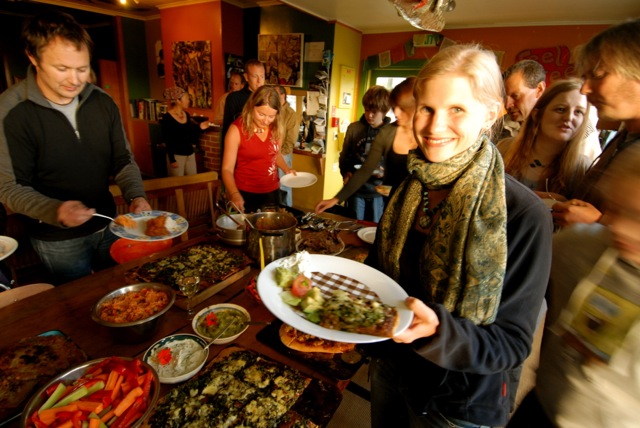
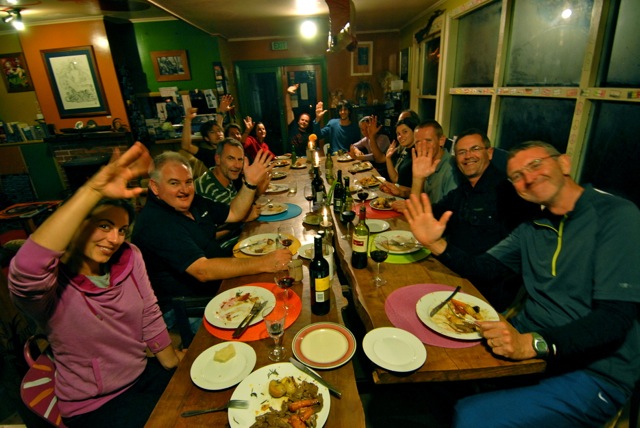
Dave had also worked hard prior to the PDC to ensure that there was plenty of fresh, nutritious, organic and delicious vegetables ready for the students to eat during the course. Food from the farm was turned into beautiful meals by Sanae Murray, who put her Japanese cuisine skills to work in the preparation of the evening meal, and the Rongo Wwoofing crew prepared delicious lunches each day for the hungry students. Permaculture is all about food, so the LiP Project staff worked hard to ensure that the food quality and quantity was sufficient for everyone to concentrate hard on their studies. The communal meals also fostered much vibrant permaculture discussion, political debate, socialisation and hilarity among the PDC students, lecturers, the support crew and the guests staying at Rongo…the atmosphere at Rongo was warm, friendly and filled with laughter.

PDC 9

Head chef Sanae Murray readies dinner for the PDC students

Excursions to several local permaculture, alternative energy and organic farming projects in the Karamea area were a valuable component of the course and transport was provided to the various locations by Karamea Connections: Movement of the People.

“Permaculture” Peter Curreen’s property was first on the list as Peter has been a permaculturalist for many years and has developed a property in Karamea that is very much a prime example of how permaculture design can enable the provision of sustainable food production, housing, income and security. Peter so inspired the LiP Project PDC students that many of them returned to visit his property again in their own time at the end of the course.

PDC Pete II

Peter “Permaculture Pete” Curreen (Photo by Miguel Varella-Cid)

PDC Pete III

Permaculture Pete’s new greenhouse (designed and built by himself)
(Photo by Miguel Varella-Cid)

PDC Pete IV

(Photo by Miguel Varella-Cid)

PDC Pete's Place

Permaculture Pete takes LivinginPeace Project PDC students on a tour of his permaculture farm.
(Photo by Miguel Varella-Cid)

Hamish and Margaret MacBeth then hosted the students for a tour around their organic farm and tea-tree oil distillery and a discussion of their business, which manufactures and distributes organic tea-tree oil products worldwide. True Blue Organics is the only certified organic tea-tree oil distillery in New Zealand and their products include pure oil, coveted for its antiseptic and curative properties, soap, balm and other personal-care products. Long-term Karamea residents, the MacBeth’s organic farm provides for their food needs and their oil distillery provides income that affords them a high quality of life.

PDC Macbeths

LivinginPeace Project students tour True Blue Organics tea-tree oil distillery owned by Hamish and Margaret MacBeth.
(Photo by Miguel Varella-Cid)

Dave and Lorraine Monteith also hosted the PDC students on their property, which features hydro and solar electricity generators that provide sufficient power for them not to have a monthly power bill, but still enjoy the comforts of modern life. Handyman Dave constructed a wooden water wheel that is fed from a permanent spring that emanates from the hills behind the house. He also made a hydroelectric generator from an old washing machine flywheel that, in conjunction with several photovoltaic panels on the roof of their house, produce sufficient power to run the household and all the modern appliances they need to live comfortably.

PDC Dave's Waterwheel

Dave Monteith’s Waterwheel.
(Photo by Miguel Varella-Cid)

Jack Simpson, a Karamea-born and bred diesel engineer, who worked around the world on oil drilling operations before setting back in Karamea, showed the students the hydro-electric power plant he constructed in the fast-flowing Virgin Creek, which flows though his property near Karamea Gorge.

DSC_3243

Jack Simpson
(Photo by Miguel Varella-Cid)

DSC_3238

Jack Simpson shows his hydro-power system to LivinginPeace Project permaculture students.
(Photo by Miguel Varella-Cid)

DSC_3241

(Photo by Miguel Varella-Cid)

The excursions provided an opportunity for the LiP Project PDC students to see progressive permaculture thinking, energy efficiency and the effective application of the ideas presented in the course in practice. This reinforced the theoretical concepts presented in the course and enabled the students to visualise the application of available technology in real-life situations.

Thanks a lot Jack, Margaret, Hamish, Dave, Lorraine and Pete for taking the time to share your knowledge and show the PDC students your innovative sustainability, energy efficient features on your respective properties. The excursions to your properties was a valuable addition to the course we are very grateful for your time and the efforts you made to share your knowledge and experience with the course participants.

Thank you also to Tim Barker and Dave Tailby your enthusiastic delivery of the course information and for going the extra yards necessary to make the LiP Project PDC such a great success, I look forward to working with you both next year and the years to come.

To the Rongo crew, you were amazing…Regula, Yukiko, Ken, Brian “Big Man” Thomson, Gerar, Nicole, Sam, ViVi, Lenka, Maree, Mitsuyo thank you for re-doubling your efforts in keeping Rongo rocking for the entire course as well as maintaining the hostel, looking after the guests, chopping wood, washing dishes, gardening, laundry, food preparation, cleaning, vacuuming, polishing the silver etc…it was a fabulous team effort and everyone really enjoyed the course, the food, the entertainment and the service you provided…Rongolians Rule!!

PDC 5

French PDC student Jacques des Roseaux thought the food was “superbe.”

PDC 1

The World Famous Rongolian Singers entertaining PDC students and guests at Rongo Backpackers & Gallery.

PDC 2

Head Lecturer Tim Barker delivers a rousing valedictory speech at he wrap party to close the 2013 LiP Project PDC and wish the graduates well in their permaculture travels.

PDC 3

Master of Ceremonies Dave Tailby marshals proceedings masterfully at the 2013 PDC wrap party at Rongo Backpackers & Gallery.

PDC 4

Much light refreshment was taken…

PDC 19

The Indian Curry Party

PDC 18

Finally, a BIG thank you to the students, you guys were AWESOME…thank you for coming all the way to Sunny Karamea for the course, for being so enthusiastic and making the course fun as well as educational. I hope you all enjoy your travels in permaculture and the amazing adventure you are about to embark on…turn your faces into the wind, spread your wings and take off into the brave new world of possibility before you.

Testimonials from the 2013 LiP PDC Graduates:

Miguel Varella-Cid:

PDC 20

Miguel Varella-Cid

“About 2 years ago our family had bought an old countryside home with a large piece of mostly forested land in Japan with the intention of making a garden to feed our family in the healthiest ways possible. I bought books, videos and sought advice from friends which has led to a lot of changes, from clearing well over 100 small trees, shrubs & their roots & planting an orchard to making vegetable patches and planting for the first time.

I was finding it difficult to be certain of the directions I was taking, since I’d never grown foods before and I realised that no matter how many books I bought they weren’t going to answer the many questions in my head in the same way a PDC course had the potential to. I wanted to be able to confidently design a permaculture project rather than learning after making all the classic mistakes and worse, as I knew that knowledge would be key to creating the best possible solutions for our home.


 So my family & I packed our bags & headed to beautiful Karamea for me to do a PDC! I’d anticipated it might not be as well taught as say one at PRI Australia, but realised within a short time this was in fact a very well put together course of an improved curriculum to PRI’s!

 Tim Barker’s enthusiasm and knowledge was evidently contagious and with each passing day I found myself learning a lot & thoroughly enjoying it. 
Dave Tailby did some excellent practicals & never grew tired of my many questions about their farm project and how to grow foods effectively & completely naturally.


 We learnt of things I may never have come across through reading books; from how to make maintenance-free bee hives, to constructing a rocket stove oven from old bricks, clay & a defunct electric stove in which we were cooking bread in less than 2 hours!


 Through visits to local permaculture projects in Karamea we got to practically see how a washing machine’s internals could be used to make hydro-electricity to power a home, or even how a composting toilet works with no nasty smells at all! We spent time seeing how to prune & create easily manageable fruit orchards to creating worm farms and 21-day compost heaps. It ALL makes so much more sense now!

 During our course, 3 teams each designed a permaculture project and the results proved to me that I now knew all the right questions to ask myself when making an effective & well considered design. I came away confident & fired up just like Paul had said I would and now feel ready to tackle our home design project with a newfound passion.

We returned to Japan to find our garden overgrown with weeds, with a few vegetables hidden in between. What sometimes seemed like a chore before, is much less so now. I can’t wait to get to work outside this coming weekend. I can see now why those who take a PDC tend to go on to create some wonderful permaculture projects.

I would strongly recommend this PDC to anybody interested in creating sustainable natural living for themselves & others.”

Follow progress on Miguel and his Family’s amazing project here:

http://www.eco-kominka.blogspot.jp

Math Monnich:

PDC 23

Math Monnich

The PDC with the Living in Peace project (LiP) has been absolutely fantastic. It has been my very first PDC and I knew a little bit of Permaculture (PC) through lots of books and some hands on experiences before. So I came with high expectations (I guess everybody did) and they have been more then exceeded.

The 3 wonderful tutors delivered a vast amount of knowledge. On field trips we got to see how other people apply PC principles, learned about forest ecology while being amongst it and we also did see the unlimited creativity and ingenuity of people try to live resilient. Also, the practical stuff we have been doing like building a rocket stove and building a 21-day compost pile made sure that our learning experience was very diverse.

The small group size was a real treat for me and it enabled me to ask a lot of questions and I mean a lot of questions, which I am very grateful for.

I can highly recommend the PDC with the LiP, it is a good example of applied PC ethics and principles. Truly authentic.

I thank you for an awesome time and wish you all the best.”

 Ramona:

PDC 22

Ramona

 “PDC 2013: The course absolutely exceeded my expectations. From lessons in the cosy classroom with comfortable couches to outdoor hands on on the PDC farm and visits to local examples of permaculture ideas in practice – this course has everything! The teachers, Tim, Dave and Paul do an amazing job. They always had an answer for our questions.

 I was provided with so many great but never the less simple ideas, that I know for sure I can do this at home. Rocket stove, solar oven, chicken mandala, composting toilet etc. – i learnt so many things. And if i can’t remember the details i just look into my permaculture folder i got now.

 I can’t wait to start my own projects!”

 Rongo Backpackers & Gallery: “Rongo has what lots of backpackers all over the world are looking for.

 It is that feeling of being welcomed and to be at home. Rongo is open-minded, gives you the possibility to exchange all sorts of ideas and most of all it is a place to make friends. When you have been to Rongo you know how a backpackers should feel like. Welcome home….”

 Sharon Gottermeyer:

PDC 21

Sharon Gottermeyer

“Massively awesome course! I learnt heaps over the intensive 2 weeks – not just from the course tutors, but also from my classmates. The tutors sure knew their stuff – they’ve practiced what they teach and their passion for the subject is inspirational.

 The course was pretty intensive with classes, field trips, and project work, but there was still room for critical discussions and time for socialising at breaks and meal times. One of the bonuses of this course was having a tutor that had vast experience in appropriate technology – it blew me away learning about making clean drinking water using a biosand filter system, and we actually built an efficient-wood-burning rocket stove.

 I really liked the venue – a backpackers that had an eclectic decor and grounds, and run by an amazing bunch of open and friendly people. The venue had its own mini cinema where classes were held during the day, and in the evenings screened biweekly documentaries and movies. Nearby is a wild beach and we got to do a day walk in the local national park.

 I recommend the PDC in Karamea – I found it was a awesomely diverse experience of ideas, people and surroundings with lots of fun and laughter in the mix.”

PDC 13

Heather Andrews expressed interest in the LivinginPeace Project Farm Internship and stayed on after the PDC to work with Farm Manager Dave Tailby for a month to apply her permaculture skills. Heather is the first official LiP Project Farm Intern, congratulations Heather!

Heather Andrews:

“I thoroughly enjoyed taking the LivingInPeace Project’s 2013 Permaculture Design Course in Karamea.  The teachers (Tim Barker, Dave Tailby, and Paul Murray) were excellent, informative, and experienced while making the information relevant and engaging. 

We covered a wide range of topics ranging from gardening techniques to livestock management to home building, and questions were always welcomed and explored with further information happily provided on request.

All three teachers made the whole experience FUN as well, taking us on great local “field trips” to see permaculture concepts in action as well as getting us involved in on-site projects like building a rocket stove. They were also endlessly helpful to us in our individual design projects, always willing to be a resource or point us towards the information we needed, and encouraging us to think creatively, try new things, and follow our individual interests and passions.

I would definitely recommend the course to anyone interested in permaculture, especially those just starting out like me. It was a great foundation course for me, leaving me wanting to learn more and convinced that permaculture is the way of life for me.

The food and accommodations were excellent, as well as the Rongo staff—well above and beyond expectations—and the location is about perfect with beaches, mountains, rivers and wildlife all around.

I enjoyed it all so much, I jumped at the chance to stay on as a short-term intern after the course, which has allowed me to learn more and get hands-on experience of “living permaculture.” Fantastic!

Many thanks to all, this has been an experience I will treasure as well as a lifelong resource and a solid start to my journey toward sustainability.”

Heather Andrews

7 July 2013

LivinginPeace Project Permaculture Farm Internship

“I’ve thoroughly enjoyed my 6 week internship at the LivingInPeace Project on all levels.  Working with Dave has been one of the best work experiences I’ve had. He’s a fantastic teacher—a good communicator with heaps of knowledge and experience, a great sense of humour, a willingness to let you learn by doing, and that skill of all skills, the ability to improvise (aka Kiwi Ingenuity). He makes a workday FUN, which is as good as work gets, really!

I got to learn about sheep care, safe chainsaw practices and maintenance, preparing and planting permaculture garden beds, making fast and slow compost, planting support species and young fruit trees, gathering kelp for use in fertilization, harvesting driftwood for firewood, using chickens as orchard conditioners and fertilizers, cobbing a rocket stove using homemade cob, and more. 

The cottage accommodation was absolutely lovely—quiet, surrounded by trees, comfortable and cosy.  I loved harvesting vegetables and herbs from the garden to eat, and one of my favourite memories will be sharing meals with Dave and staff at Rongo’s.  I am endlessly grateful to Dave, Paul, and all the staff at Rongo’s for this fantastic experience, it has been a highlight of my time in New Zealand and one I’ll treasure forever. Thank you, thank you!!!”

Heather Andrews

7 July 2013


Posted in Advertising, Agriculture, Art, Business, DIY, Economics, Education, Environment, Funny, Germany, Hilarious, Historical, Humor, Humour, Japan, Kahurangi National Park, Karamea, LivinginPeace Project, New Zealand, Permaculture, Photography, Product review, Social Commentary, Sustainablity, Travel, Uncategorized, United States, West Coast | Tagged , , , , , , , , , , , , , , , , | 1 Comment

A Definitive History of Hippiedom

Hippie Roots & The Perennial Subculture

By Gordon Kennedy & Kody Ryan

“Wandervogels Abschied” by Fidus, 1900

According to Webster’s dictionary (2003) a “hippie” or “hippy” is: “a young person of the 1960’s who rejected established social mores, advocated spontaneity, free expression of love and the expansion of consciousness, often wore long hair and unconventional clothes, and used psychedelic drugs”.

This mass-media definition of the 1960’s dropouts has eclipsed all pre-1960’s uses of the actual word such as that mentioned by Malcolm X in his famous autobiography. As a 17 year-old hustler living in Harlem in 1939 Malcolm noticed, “A few of the white men around Harlem, younger ones whom we called “hippies”, acted more Negro than Negroes. This particular one talked more “hip” than we did. He would have fought anyone who suggested he felt any race difference”.

This echoes the familiar sentiments of Jack Kerouac from “On The Road” (1955): “I walked with every muscle aching among the lights of 27th and Welton in the Denver colored section, wishing I were a Negro, feeling that the best the white world had offered was not enough ecstasy for me, not enough life, joy, kicks, darkness, music, not enough night”.

Clearly the actual word “hippie” was a form of Ebonics (black slang) from Harlem that passed it’s way through the beat era into the 1960’s, until Herb Caen of the San Francisco Chronicle used it enough times by late 1965 to describe the young arrivals in their city…that the national media soon swallowed it whole and patented it.

But apart from the slick zoot suit clad “white Negroes” of 1930’s Harlem there actually were long-haired bearded individuals during this same era who wore sandals or bare feet and usually tended to favor mild subtropical places like southern California and Florida where they could forage their meals from the fruit trees that were so plentiful then.


Wandervogel print from the local group in Darmstadt, 1911

“Nature Boys” as they were later called were without exception either German immigrants or American youths whose lives were influenced by transplanted Germans that spread their Lebensreform (life-reform) message to anyone ready for a radical departure from the accepted boundaries of 20th century civilization.

Modern primitives, naturmensch, wandervogel, bohemians, reformers, wayfarers, and vagabonds are all expressions that evoke a tone of something wholly apart from the orthodox.

So why Germany? What was happening there in the 19th century that caused a phenomenon like this to erupt so big?

Germany had always made a virtue of their late submission to Latin civilization and had glorified the natural man and woman with all of their virtues and vices. Over 2000 years ago (about 51 B.C.) Julius Caesar noted of the Germans: “The only beings they recognize as gods are things that they can see, and by which they are obviously benefited, such as sun, moon and fire; the other gods they have never even heard of.”


“Vegetarisches Speisehaus”, 1900

The word “God” was neuter in gender in the Teutonic language (Das Gott, or in old Nordic “gud”) and the Roman historian Cornelius Tacitus (98 A.D.) wrote:“According to German outlook, pronouncements of destiny seem to acquire a greater sacredness in the mouth of women. Prophecy and magic in a good as well as an evil sense is by choice the gift of women. If it is inherent in the nature of men to show the female sex a great consideration and respect, then this was particularly shaped on the German people from of old. Men earn deification through their deeds, women through their wisdom.”

Thus the religiosity of the Indo-Germanic people, whenever their nature can unfold itself freely, emerges only in that form which religious science has described as “nature religion” or “earth religions”. To remove the German soul from the natural landscape is to kill it. The Romans knew this so once Christianity had become the state religion of the Roman Empire their missionaries were eager to chop down the German forests and set their temples on fire.

Whenever the church encountered Pagan elements that it could not suppress, it gave them a Christian dimension and assimilated them. These ancestral traditions were reinterpreted and revised, but the church never succeeded in effacing the German Pagan heritage.

Hermann’s victory (9 A.D.) had forestalled Roman colonization, thus Germany had thereby retained its ancient language and avoided early Christianization.

Meister Eckhart (c1260-c1328) possibly represented most strongly the development of the mysticism as a result of the revolt of the Teutonic Indo-European spirit against Roman Christianity.

During the Middle-Ages a group called “Brothers and Sisters of the Free Spirit” existed in Germany and Holland. Also known as the Adamites, they were spiritual descendants of an earlier group, the Adamiani. They held nude gatherings in womb like caverns to achieve rebirth into a state of paradisiacal innocence.

In 1796 Christoph Wilhelm Hufeland of Weimar published his landmark study of aging “The Art Of Prolonging Life” using the word “macrobiotic” in the preface of the book, while the second edition used the word in it’s title. His emphasis on exercise and fresh air, sunbathing, cleanliness, regular scheduling, temperate diet, stimulating travel and meditation were all far ahead of their time.


“Lichtgebet” (“Prayer To The Sun”) by Fidus, 1913

Goethe’s (1749-1832) perspective erased the boundary between man and Nature altogether. The poet of Nature religiosity he believed “God can be worshipped in no more beautiful way than by the spontaneous welling up from one’s breast of mutual converse with Nature”.

Another prophetic quote from Goethe (1832) “Man in his misguidance has powerfully interfered with nature. He has devastated the forests, and thereby even changed the atmospheric conditions and the climate. Some species of plants and animals have become entirely extinct through man, although they were essential in the economy of Nature. Everywhere the purity of the air is affected by smoke and the like, and the rivers are defiled. These and other things are serious encroachments upon Nature, which men nowadays entirely overlook but which are of the greatest importance, and at once show their evil effect not only upon plants but upon animals as well, the latter not having the endurance and power of resistance of man”.

In 1866 Ernst Haeckel of Jena University first employed the term “ecology”, thereby establishing it as a permanent scientific discipline for all future generations. Ecology as a concept had more in common with Buddhism and its recognition of the oneness of all life.

Also in the 1860’s an ex-Protestant minister named Eduard Baltzer published his four-volume book about naturliche lebensweise or “natural life style”. He organized some vegetarians and founded a Free Religious Community, then later published a book on Pythagoras as the ancestor of his movement.


Diefenbach and Fidus at Hollriegelskreuth, Germany, 1887

Baltzer’s writings had a strong influence upon a young painter named Karl Wilhelm Diefenbach (1851-1913) who also went on to form several communities and workshops for religion, art and science. Diefenbach spent the last portion of his life on the Mediterranean isle of Capri, which was a retreat for other life-reformers. Two of his pupils, Fidus and Gusto Graser were to make a tremendous impact with their art and reform messages.

Fidus (1868-1949) was recognized as perhaps the greatest psychedelic artist ever, pre-dating the 1960’s multi-colored posters and albums by over a half century.

Gusto Graser later went on to become a close friend and teacher of the writer Hermann Hesse. Hesse’s report “Among The Rocks- Notes of a Nature Man” (1908) described how he, along with Graser lived the lives of natural men and hermits, sleeping in caves in the Swiss Alps and fasting for days and weeks. The guru-disciple relationship within Hesse’s novel “Siddhartha” (1922) was a mirror of his own association with Graser his teacher. Graser’s poetry appeared in some of the Wandervogel magazines.

In 1870 the population of Germany was 2/3 rural, but by 1900 it had become 2/3 urban. Near the end of the 19th century the German middle class had become superficial, coarse, complacent, gluttonous, materialistic, industrialized, technocratic and pathetic. As a response to this phenomenon many natural healing modalities came into existence and even more youth movements were organized.

In 1883 Louis Kuhne of Leipsic Germany published a book titled “The New Science Of Healing”, and this work laid the foundation for what was later to become known as Naturopathy. Translated into 50 languages it was the inspiration for a whole generation of health practitioners and was also highly praised by Mahatma Gandhi who said it was very popular in India.

In 1896 Adolf Just opened his Jungborn retreat in the Hartz Mountains near Isenburg Germany, which was a model institution for the true natural life, and was meant to show how the most intimate communion with Nature could be re-established.


“Gnadennacht” by Fidus, 1912In his best selling book “Return To Nature” (1896) Mr. Just spoke out against air and water pollution, meat, vivisection, vaccination, coffee, alcohol, smoking and so-called education in schools. Gandhi again was so moved by Adolf Just’s rebellion against scientific medical treatments that it helped him to formulate his ideology for the future. When he was released from prison is 1944 he opened a Nature Cure sanitarium in India based on Just’s model

In 1904 German author Richard Ungewitter wrote a book titled “Die Nacktheit” (nakedness) wherein he advocated nudism, abstention from meat, tobacco and alcohol. He had to publish it himself, but it quickly became a bestseller. The vegetarian aspect focused on the purity of the body and soul, with adherence to a regular program of fitness. The German attitude towards nudity has not changed too much in 100 years because even now on a warm summer day people along lakes and rivers can be found enjoying themselves in the sunshine without clothing.


Nude Bathing has been popular in Germany a long time. (1916)In the 19th century hiking societies proliferated in Germany. One group “Friends Of Nature” were into social hiking and used the slogan “Free Mountains, Free World, Free People”.

Another group, called the “Wandervogel”, was founded in 1895 by Hermann Hoffmann and Karl Fischer in Steglitz, a suburb of Berlin. They began to take some high school students on nature walks, then later on longer hikes. Soon a huge youth movement that was both anti-bourgeois and Teutonic Pagan in character, composed mostly of middle class German children, organized into autonomous bands.


Wandervogel, 1926

Wandervogel members, aged mainly between 14-18 years and spread to all parts of Germany eventually numbering 50,000. Part hobo and part medieval, they pooled their money, wore woolen capes, shorts and Tyrolean hats and took long hikes in the country where they sang their own versions of Goliardic songs and camped under primitive conditions. Both sexes swam nude together in the lakes and rivers and in their hometowns they established “nests” and “anti-homes”, sometimes in ruined castles where they met to plan trips and play mandolins and guitars.

Their short weekend trips became 3 to 4 weeks long journeys of hundreds of miles. Soon they were establishing permanent camps in the wild that were open to all. With no thought of pay, the bands worked at improving their campsites and building cabins for which they made the furniture-in all forming a complex of precedents underlying the youth-hostel movement which began in 1907 when Richard Schirmann opened the first hostel in Altena Germany.

Mostly the Wandervogel sought communion with nature, with the ancient folk-spirit as embodied in the traditional peasant culture, and with one another. They developed a harmonious mystic resonance with their environment.

The expression “Lebensreform” (life-reform) was first used in 1896, and comprised various German social trends of the 19th and first half of the 20th century.


Elizabeth Dorr with some of her daughters at Ascona, 1905 (Note the headbands!)

Particularly:

  • 1. vegetarianism
  • 2. nudism
  • 3. natural medicine
  • 4. abstinence from alcohol
  • 5. clothing reform
  • 6. settlement movements
  • 7. garden towns
  • 8. soil reform
  • 9. sexual reform
  • 10. health food and economic reform
  • 11. social reform
  • 12. liberation for women, children and animals
  • 13. communitarianism
  • 14. cultural and religious reform: i.e. a religion or view of the world that gives weight to the feminine, maternal and natural traits of existence

Further south in Switzerland, Ascona was a little fishing village on the shore of Lake Maggiore, on the Swiss side of the border with Italy. In the year 1900 a counter-culture renaissance began and lasted until about 1920. Ascona became the focal point for all of Europe’s spiritual rebels.

Life experiments were in vogue: surrealism, modern dance, dada, Paganism, feminism, pacifism, psychoanalysis and nature cure. A few of the participants were Hermann Hesse, Carl Jung, Isadora Duncan, D.H. Lawrence, Arnold Ehret and Franz Kafka.

At the turn of the century Germany had 56 million people, and had as many large cities as all of the rest of Europe combined. Industrialism, technology, pollution and “affluenza” began a crisis amongst the over-privileged German-speaking of that period. The disenchanted began to arrive in Ascona by the hundreds.

The beautiful natural setting inspired urban people to sunbathe in the nude, sleep outdoors, hike, swim and fast. This village quickly developed a universal reputation as a health center.

Hermann Hesse was excited when he saw four longhaired men with sandals walk through his village on their way to Ascona. He followed them, settled in and then took a nature cure for his alcoholism. The year was 1907.


Born July 2, 1877, at the northern edge of the Black Forest in Calw, Germany, Hermann Hesse knew at age 13 that he wanted to be a poet or nothing. Beginning in the 1950’s with the Beat generation, his novels became immensely popular in the English-speaking world, where their criticism of bourgeois values and interest in Eastern spirituality and Jungian psychology echoed the emerging revolt against the unreflected life. In the 1960’s Hermann became the novelist of the decade, with “Siddhartha” (1922) and “Steppenwolf” (1927) selling in the millions, and capturing and shaping an American Audience. Legitimate history will always recount Hesse as the most important link between the European counter-culture of his youth and their latter-day descendants in America. (Photo from 1908.) 

The people of Ascona refused eggs, milk, meat, salt and alcohol. Nature cure was a powerful idea in the German mind, and was a widespread and profound rebellion against science and professionalism.

On August 20, 1903, an anarchist newspaper in San Francisco, California published a large article about Ascona, describing the people and their philosophies. This was certainly one of the first times that detailed news of the European counter-culture had reached the California coast.


Nudists worshipping the Sun, 1926Perhaps the most central Neo-Pagan element in the German folk movements was sun-worship, believed to be the ancient Teutonic religion. From at least the Romantic era, sun-worship was offered by prominent Germans as the most rational alternative to Christianity. The solar images were at the center of a desire to return to natural Paganism and a natural lifestyle in harmony with the earth.

Eugene Diedrichs Publishing was the highly respected voice of Neo-Paganism and the religious-not the political-arm of the great Volkische movement. Diedrichs envisioned an “organic peoples state” (organischer Volksstaat) and like Carl Jung preferred a return to the nature religion of the ancient Teutons.


“Satana” by Fidus, 1896No one described solarism better than Ernst Haeckel (1834-1919) the prominent scientist who first coined the word “ecology”: “The sun, the deity of light and warmth, on whose influence all organic life insensibly and directly depends, was taken to be such a phenomenon [of naturalistic monotheism] many thousands of years ago. Sun-worship seems to the modern scientist to be the best of all forms of theism, and the one which may be most easily reconciled with modern Monism. For modern astrophysics and geogeny have taught us that the earth is a fragment detached from the sun, and that it will eventually return to the bosom of its parent. Modern physiology teaches us that the first source of organic life on the earth is the formation of protoplasm, and that this synthesis of simple inorganic substances, water, carbonic acid, and ammonia only takes place under the influence of sunlight….indeed the whole of our bodily and mental life depends, in the last resort, like all other organic life, on the light and heat rays of the sun. Hence in the light of pure reason, sun-worship as a form of naturalistic monotheism, seems to have a much better foundation than the anthropistic worship of Christians and other monotheists who conceive of their god in human form. As a matter of fact the sun-worshippers attained, thousands of years ago, a higher intellectual and moral standard than most of the other theists. When I was in Bombay in 1881, I watched with the greatest sympathy the elevating rites of the pious Parsees, who, standing on the sea-shore, or kneeling on their prayer rugs offered their devotion to the sun at its rise and setting.”

As the 20th century dawned many Germans began to feel the weight of oppressive political forces, powers that would later lead their nation into 2 world wars and change the course of European history.

Between 1895 and 1914, tens of thousands of Germans left their homes and families and immigrated to America. After all America was the country of the future, and they saw themselves as pioneers helping to lead a new society by transplanting and nurturing the most valuable ideas from their homeland into their new dreams for the United States.

There were several key individuals who made a substantial contribution, but probably none more than Dr. Benedict Lust.

Born in Michelbach near Baden Germany February 3, 1872 Lust first came to America in 1892, became ill with tuberculosis, then returned to Germany and took a nature cure treatment from the famed Father Sebastian Kneipp. He regained his health and found his true purpose in life, then returned to America in 1896 to become a Kneipp representative in America.

Rightfully called “The Father Of Naturopathy” in America, Lust introduced all of the great naturist movements that were in vogue in Europe; hydrotherapy, herbal remedies, air and light baths, various plant-based diets and he also translated and distributed the German classic health works of Father Kneipp, Louis Kuhne, Adolf Just, Arnold Ehret and August Englehardt.

Near the turn of the century in New York City he founded a school of massage and the Naturopathic Society, then in 1918 he published Universal Naturopathic Encyclopedia for drugless therapy. Nature’s Path Magazine and a radio show devoted to natural healing were also some of his notable achievements.


Dr. Benedict Lust enjoys a sun-bath at “Sonnenbichel” sun and air park in Kneipp-Bad Worishofen, Bavaria, Germany on a return to the Fatherland in the summer of 1926. The “Father of Naturopathy” in America, no single individual contributed more to natural healing and lifestyle in the world than Dr. Lust did through his many schools and publications. Everything from massage, herbology, raw foods, anti-vivisection and hydro-therapy to Eastern influences like Ayurveda and Yoga found their way to an American audience through Lust. Though he was repeatedly harassed by Medical authorities and Federal agents, his devotion to promoting Nature’s methods of healing finaly gained wide acceptance. Like so many others from his generation, he was a tough man. (Photo from Naturopath, February, 1927)


eden ahbez, 1948. Part-time yogi and full-time mystic, this 1940s “hippie” always spelled his name with small letters because he believed that only God and Infinity should be capitalized. (Photo courtesy of Gypsy Boots)

Dr. Lust’s school of Naturopathy was the starting point for hundreds of America’s natural health practitioners, while his magazines introduced the West not only to German Nature Cure, but also ancient East Indian concepts like Ayurveda and Yoga. Paramahansa Yogananda was one of several Indians who wrote articles for “Nature’s Path” magazine in the 1920’s gaining wide exposure to a large American audience.

Dr. Lust was “busted” repeatedly by American authorities and medical associations, for promoting natural methods of healing, massage and nude sun bathing at his Jungborn sanitarium. He was arrested 16 times by New York authorities and 3 times by Feds. One news headline read simply “They Have Lust Again”.

As many as 30-40% of the graduates of Dr. Lusts school of Naturopathy were women, and his magazines were full of enthusiastic letters and praise from practicing Naturopaths in India, Jamaica and all over Latin America. No one was more devoted to introducing nature cure to the Spanish-speaking world than Dr. Lust.

Another influential Nature Doctor, Dr. Carl Schultz, arrived in Los Angeles California in 1885 and became the Benedict Lust of the west. In 1905 he created the Naturopathic Institute and Sanitarium and also opened the Naturopathic College on Hope Street. Most of the practicing nature doctors in the west were graduates of this college.


Bill Pester at this palm log cabin in Palm Canyon, California, 1917. With his “lebensreform” philosophy, nudism and raw foods diet, he was one of the many German immigrants, who “invented” the hippie lifestyle more than half a century before the 1960s. He left Germany to avoid military service in 1906 at age 19, for a new life in America. (Photo Courtesy of Palm Springs Art Museum, Palm Springs, California)

In 1906 Bill Pester first set foot on American soil having left Saxony, Germany that same year at age 19 to avoid military service. With his long hair, beard and lebensreform background he wasted no time in heading to California to begin his new life.

He settled in majestic Palm Canyon in the San Jacinto Mountains near Palm Springs California and built himself a palm hut by the flowing stream and palm grove.

Bill spent his time exploring the desert canyons, caves and waterfalls, but was also an avid reader and writer. He earned some of his living making walking sticks from palm blossom stalks, selling postcards with lebensreform health tips, and charging people 10 cents to look through his telescope while he gave lectures on astronomy.

He made his own sandals, had a wonderful collection of Indian pottery and artifacts, played slide guitar, lived on raw fruits and vegetables and managed to spend most of his time naked under the California sunshine.

During the time when Bill lived near Palm Springs he was on Cahuilla Indian land, with permission from the local tribe who had great admiration for him. His name even appeared on the 1920 census with the Indians, and in 1995 An American Indian woman Millie Fischer published a small booklet about Palm Canyon that included a chapter on Pester.

The many photos of Pester clearly reveal the strong link between the 19th century German reformers and the flower children of the 1960’s…long hair and beards, bare feet or sandals, guitars, love of nature, draft dodger, living simple and an aversion to rigid political structure. Undoubtedly Bill Pester introduced a new human type to California and was a mentor for many of the American Nature Boys.


Professor Arnold Ehret, taken shortly after his 49 day fast in Cologne, Germany, circa 1905. Ehret later migrated to southern California and helped to spawn a new sub-culture in America, based upon his natural philosophy and lifestyle. His books have never been out of print in over 70 years. (Photo courtesy of Fred Hirsch)

In 1914 another German immigrant, Professor Arnold Ehret arrived in California. The philosophy he preached had a powerful influence on various aspects of American culture. Ehret advocated fasting, raw foods, nude sun bathing and letting your hair and beard grow un-trimmed. His “Rational Fasting” (1914) and “Mucus-less Diet”(1922) were literary standbys within hippie circles in San Francisco and Los Angeles in the 1960’s.

The husband and wife team of John and Vera Richter first opened their Raw-Foods cafeteria the “Eutropheon” in 1917, and during it’s lifetime it hosted thousands of customers and taught many people how to prepare such raw treats as sun-dried bread, salads, dressings, soups, beverages and many other healthy alternatives to the typical Los Angeles cuisine of the 1920’s-1940’s.

John’s powerful lectures were attended by many young health enthusiasts, who later went on to become well known health teachers and authors, and Vera’s recipe book was the precursor to many of the modern Live-Food recipe books.

Some of the young employees of the Eutropheon were Americans who had adopted the German Naturmensch and Lebensreform image and philosophy, wearing their hair and beards long and feeding exclusively on raw fruits and vegetables. The “Nature Boys” came from all over America but usually ended up in southern California. Some of the familiar ones were Gypsy Jean, eden ahbez, Maximilian Sikinger, Bob Wallace, Emile Zimmerman, Gypsy Boots, Buddy Rose, Fred Bushnoff and Conrad. This was decades before the Beats or Hippies and their influence was very substantial. In “On The Road” Kerouac noted that while passing through Los Angeles in the summer of 1947 he saw “an occasional Nature Boy saint in beard and sandals”.


Seven of California’s “Nature Boys” in Topanga Canyon, August 1948. They were the first generation of americans to adopt the “naturmensch” philosophy and image, living in the mountains and sleeping in caves and trees, sometimes as many as 15 of them at a time. All had visited and some were employed at “The Eutropheon” where John Richter gave his inspiring lectures about raw foods and natural living. The boys would sometimes travel up the California coast some 500 miles just to pick and eat some fresh figs. (Back row: Gypsy Boots, Bob Wallace, Emile Zimmerman. Front row: Fred Bushnoff, eden ahbez, Buddy Rose, ?) – (Photo courtesy of Gypsy Boots.)


Cover of “Nature Boy” songbook, eden ahbez, 1948. Born into a poor Jewish family with 13 hungry children, the orphan from Brooklyn never had to worry about where the money would come from after the success of his #1 hit tune, made famous by Nat King Cole.

But in the spring of 1948 eden ahbez became an internationally recognized personality when his song “Nature Boy” was recorded by Nat King Cole. Photos and story of eden and his wife Anna appeared in Life, Time and Newsweek magazines that year.

Born in Brooklyn New York, April 15, 1908 “ahbez” had walked across America 4 times, hopped freight trains and lived in a cave in Tahquitz Canyon before he penned his #1 hit tune, which was on the hit parade for 15 weeks.

The song itself was part autobiographical but was also a nod to his German mentor Bill Pester who was 23 years his senior and had been a Nature Boy for decades when eden encountered him in the Coachella Valley of southern California.

Another one of the Nature Boys, Maximillian Sikinger was born in Augsberg Germany in 1913 and spent most of his childhood and youth living wild in the environs of various European cities. Through his wanderings, personal contacts and outdoor living he developed a keen interest in various aspects of natural healing; nutrition, water cure, fasting, sitz baths, deep breathing and sunshine.


Nature Boy, Maximillian Sikinger, at home in the Santa Monica Mountains, 1946. Max left Germany in 1935 then made his way to Southern California where he inspired many American kids to become “Nature Boys”. By the 1960s, he was a regular fixture at pop festivals and concerts and was considered a guru to many Topanga hippies.

Max left Europe in 1935 at age 22, arrived in America then eventually made his way west to California where he traveled with the Nature Boys who valued his introspective and philosophical ideas very highly. Maximillian’s world travels and rugged background had given him deep insight into many of life’s puzzles.

But the one Nature Boy to pass the torch from the old era (circa 1930’s-40’s)…into the 1960’s hippie generation was Gypsy Boots.

Born in San Francisco in 1916 to Russian Jewish parents “Boots” grew up in the San Francisco area where he quit school at an early age to travel and live a life close to nature. He met Maximillian on the beach at Kelley’s Cove in 1935 and it was then that his life began to change. Boots noted in his autobiography: ” It was with Max that I first experimented with fasting and special diets, and also learned much about yoga”.

In the 1940’s Boots lived wild in Tahquitz Canyon with all of the Nature Boys, bathing in the cool mountain water, eating fruits and vegetables, sleeping on rocks or in caves, hiking and selling produce in Palm Springs.

In 1953 he married Lois Bloemker, settled near Griffith Park in Los Angeles and had 3 sons. In 1958 he opened his “Health Hut” in Hollywood, which was a big hit, and shortly thereafter began his career as a serious health teacher and example of optimum living.

In the early 1960’s he appeared on the Steve Allen show over 25 times to an audience of some 25 million households. Steve Allen had originally started the “Tonight” show, then began his own show featuring guests like Elvis Presley, Jack Kerouac, Frank Zappa and the psychedelic band Blue Cheer.

When the Beatles and Rolling Stones arrived in Los Angeles in the mid 1960’s their “pudding basin” hairstyles seemed tame when compared to a local rock band “The Seeds” who wore shoulder length hair, thanks to the influence of Gypsy Boots and his ilk. “Seeds” singer Sky Saxon, a vegetarian, had invented a new type of music….”Flower Punk”. Even Jimi Hendrix had a front row seat to a Seeds concert, and the Doors played second bill on a Seeds tour.

When the Love-In’s began in Griffith Park in 1966 some of the Flower Children who were stoned on Owsley acid looked up in the big trees to see Gypsy Boots swinging and climbing from branch to limb, then exclaiming “what’s that guy on…. I’d sure like to have a hit of that!” But Boots “high” was always induced from his sun-charged foods like figs and grapes, as well as his fitness regime.

At the Monterey and Newport Pop festivals in 1967 and 1968 Boots was a paid performer along with acts like the Grateful Dead, Ravi Shankar, The Jefferson Airplane and The Jimi Hendrix Experience.

Two of Boots greatest admirers were Mama Cass Elliot of “The Mamas And Papas” and Carolyn (“Mountain Girl”) Garcia, Jerry Garcia’s wife.


German-issue of a rare Capitol 45 picture sleeve single from 1968, “We’re Having A Lovin-In”, recorded by California Nature Boy Gypsy Boots.Those best informed also agree that Boots’ influence helped inspire members of several Los Angeles rock bands to become vegetarian, notably Randy California of “Spirit” and Arthur Lee of “Love”, as well as Sky Saxon of the “Seeds.” Mickey Dolenz, the zaniest member of the TV pop foursome “The Monkeys” was also a Boots fan, while Frank Zappa appeared in the cult movie “Mondo Hollywood” (1968) with Boots, and they must have been the only 2 bearded long-haired guys in L.A. preaching a “no dope” philosophy in the late 60’s.


The surf scene foreshadowed the hippie period by at least a decade with many common features. This surf-sedan was painted psychedelic in 1962 on Oahu, Hawaii, a half-decade before the infamous “Summer of Love” in San Francisco.

“Surf Bohemians” with shaggy hair, goatees and vegetarian lifestyle, rode their redwood boards on un-crowded waves in the early 1950’s in the Malibu area. The surf scene of the late 1950’s in California and Hawaii was a precursor to the counter-culture that began in 1964, including components like long hair, natural foods, trips to Mexico, psychedelic music, living outdoors, unique vocabulary, anti-authoritarian posture and global travel destinations. A surf band called “The Gamblers” had a hit song titled “Moon Dawg” in 1960, and the B-side was the song “LSD 25. Dick Dale, the undisputed King of the surf guitar had a hit with “Let’s Go Trippin” in 1961, which was later recorded by the Beach Boys (1964). Noted surf artist Rick Griffin later became a respected hippie artist as well.

On the east coast of America professors Timothy Leary, Richard Alpert (Ram Dass) and Ralph Metzner were busy in the early 1960’s with their psychedelic research, first at Harvard University then later at the Millbrook estate in New York. They were quick to recognize the strong correlation between L.S.D. induced archetypes and their many Germanic antecedents available from 20th century scientists, artists and writers.

L.S.D. was first synthesized in 1938 by Dr. Albert Hoffmann in Switzerland. In the fall of 1963 Dr. Leary and his colleague German born Dr. Metzner, published an article in their quarterly magazine “The Psychedelic Review” titled: “Hermann Hesse: Poet of the Interior Journey”. Although Hesse’s novels “Siddhartha”(1922) and “Steppenwolf”(1927) were published in Germany many decades before the 1960’s, they considered them the most important psychedelic literature available. Partly through the influence of this article these two novels sold millions in the 60’s and rode in the backpacks of a whole generation. Nearly all hippies read Hesse!

In 1964 Leary, Alpert and Metzner published their landmark book “The Psychedelic Experience” which was quickly labeled the “bible” of the hippie movement. In the introduction they included a tribute to Swiss psychologist Dr. Carl Jung who had committed himself to the inner vision of internal perception. Dr. Jung, a one time resident of the commune at Ascona (1900) had witnessed first hand many spiritual purifying rituals involving fasting, diet and excessive hiking, that could sometimes induce a psychedelic-type high.


“Herbst” (Autumn), mural sketch by Fidus, 1934
(Note “peace” symbol on top)

As the 1960’s flowered the “peace” symbol (used by Fidus as early as 1934) became a familiar icon in artwork and graffiti…while the Volkswagen bus became the most quintessential symbol for hippie transportation and even lifestyle. The bus was created and engineered in 1949 by technicians of the Wandervogel generation.

Nature Boy eden ahbez sat in on the Beach Boys “Pet Sounds” recordings in 1966. And while the Beatles popularity reached it’s absolute zenith by 1968….most of their fans never knew that the once scruffy bar band from Liverpool received their first big break playing in clubs in Hamburg Germany in 1960. The four English lads with greasy slicked-back 50’s style hair radically changed their image and hairstyles after meeting Klaus Voorman and several of the other German art students who wore shaggy long hair with bangs. George Harrison said that German photographer Astrid Kirchherr “invented” the Beatles with her camera giving them tips on dress and posing, and capturing their images in some priceless early photo shoots.

As a deep heartfelt thanks to their faithful German fans the Beatles later recorded “Komm gib Mir Deine Hand” (I Want To Hold Your Hand) and “Sie Liebt Dich” (She Loves You) singing in German.

Klaus Voorman designed the cover and drew the artwork for the Beatles landmark “Revolver” (1966) album. The Beatles German period can be viewed in the video “Backbeat” (1994). Psychedelic music exploded from a ferocious British band called The Yardbirds (1963-1968) whose lead guitarists included Eric Clapton, Jeff Beck and Jimmy Page. Virtually every heavy band from Jimi Hendrix and Cream to Black Sabbath and Van Halen used the formula invented by The Yardbirds.


Nature Boy Gypsy Boots getting ready for the Newport Pop Festival in August 1968. Born in San Francisco in 1916 he was the most important living link between the old Naturmensch and the Flower Children of the 1960s. He was a paid performer at many concerts along with acts like the Grateful Dead, Jimi Hendrix, Jefferson Airplane, but he had been living the hippie lifestyle wild in Nature since the 1930s. (Photo courtesy of Gypsy Boots)After the 60’s ended the 70’s became the decade when more people went back to the land than any other period in the 20th century.


This California surfer and his girlfriend were some of the young folks who went to live wild in nature during the late 1960s and early ’70s, mostly in California, Hawaii and parts of Europe. This most radical form of communalism was a replay of the Wandervogel and Naturmensch period some 60 years before in Germany and Switzerland (Taylor Park, Kauai, Hawaii, 1971)

The first Earth Day was celebrated on April 22, 1970, later, July of 1972 saw the first “Rainbow Gathering” near Granby Lake in Colorado. It began as a healing gathering with spiritual nature-loving participants, and according to long time Rainbow focalizer Michael John:” Our roots are in the Pagan festivals of the Middle Ages, and the time after Christ when the way we celebrate the summer and our union was here, something has called us to that memory, to give us the chance to re-experience that. I think that the Rainbow Gathering is just the resurfacing of the ancient Festivals”. (From: “People Of The Rainbow” Michael Niman-1997)

Also in the early 1970’s many hippies in California and Hawaii embraced the most radical form of earth habitation…living in caves (and sometimes tree-houses) in the wilderness, native style. Most of the larger watercourses in southern California like Tahquitz, Deep Creek, Sespe and The Big Sur River had young cave dwellers in their canyons.

This was an echo of the Naturmensch and Wandervogel with their wild seasonal forays in the Alps and farther south into Italy, some 50 years before…and of Bill Pester who came to California in 1906 to live in Nature.

The “Ferals” of eastern Australia are yet another present day link in the chain of youths who have abandoned urbanism and returned into forested areas where they live mostly in nomadic tipis in the Nimbin/Byron region of New South Wales, sometimes numbering as many as 10,000.


By the mid 1990’s there were as many as 10,000 “Ferals” living in the forests of eastern Australia, many of them in the region surrounding Nimbin and Byron Bay in New South Wales. Small nomadic tipis are the preferred habitation and nearly all of these Gen-X kids come from the big cities like Sydney and Melbourne, and are a modern-day echo of the German Naturmensch and the American youth movements in the 1960s.After the high times of the 1960’s were over many people began searching for new ways to maintain clarity and health, “graduating” to things like yoga, pure diet, meditation, hiking, environmental activism, etc.

Fred Hirsch, the man who published Professor Arnold Ehret’s books for over 50 years in his office in Beaumont California was host to many “acid heads” who had shifted to “sun-foods” during the 1970’s to maintain their high as well as a strong connection with the plant kingdom.

The Green political Party began in Germany in the late 1970’s as an outgrowth of the 1950’s anti-nuclear movements in Europe, later spread to other parts of the world including America.


“Fruhlingsodem” by Fidus, 1893For a brief period in the 1980’s the Hippie lifestyle seemed passé and years out of style, but it re-charged itself vigorously in the 1990’s. Even though the media tends to anachronize young hippies, Rainbows and environmentalists as remnants of the 1960’s, anyone can see by looking at the photos that accompany this article that Hippiedom is really just a perennial sub-culture…as old as the first humans that ever walked upright, and as new as the 30,000 plus members on the Hip-Planet site.

That’s why hippies will never go away…because they’ve always been here anyway.

click here to buy book

Gordon Kennedy is the author of “Children of the Sun“, a book about the origins of the Hippie Movement in Germany and the ideas they introduced to the US in the early 1900s.

Copyright 2003-Kennedy/Ryan Nivaria Press; All rights reserved including the right of reproduction of text or images.[Excerpts taken from “Children of the Sun; A Pictorial Anthology From Germany To California, 1883-1949”-By Gordon Kennedy 1998 ISBN 0-9668898-0-0]

From: http://www.hippy.com
Posted in Art, Australia, Blues, Education, Environment, Erotica, Fashion, Funny, Germany, Hippies, Hippy, Historical, Media, Music, New Zealand, Peace, Permaculture, Photography, Politics, Product review, Religion, Sex, Sustainablity, Travel, United States | Tagged , , , , , , , , , , , | Leave a comment

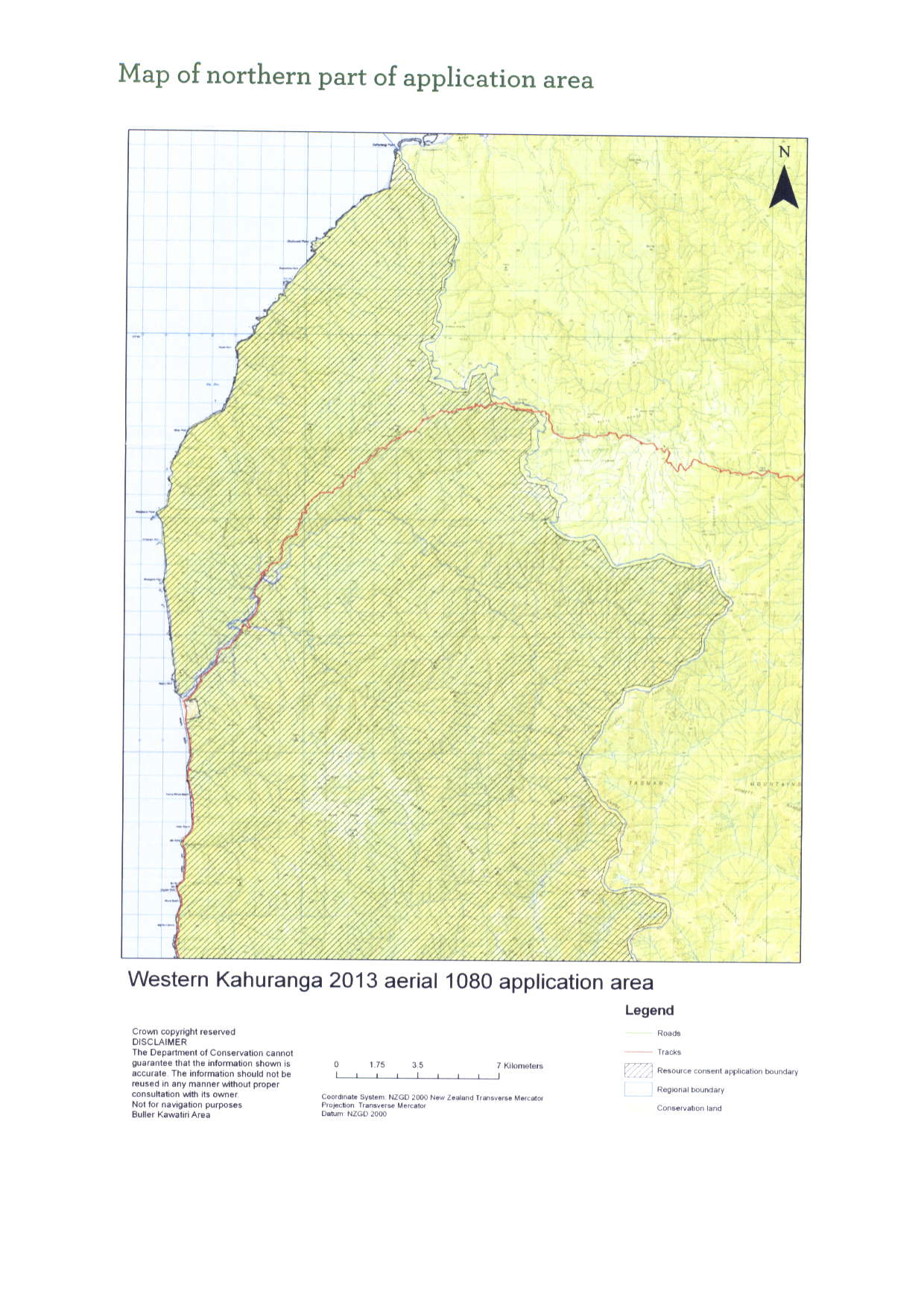
DOC Plans Unprecedented 1080 Operation in Kahurangi National Park

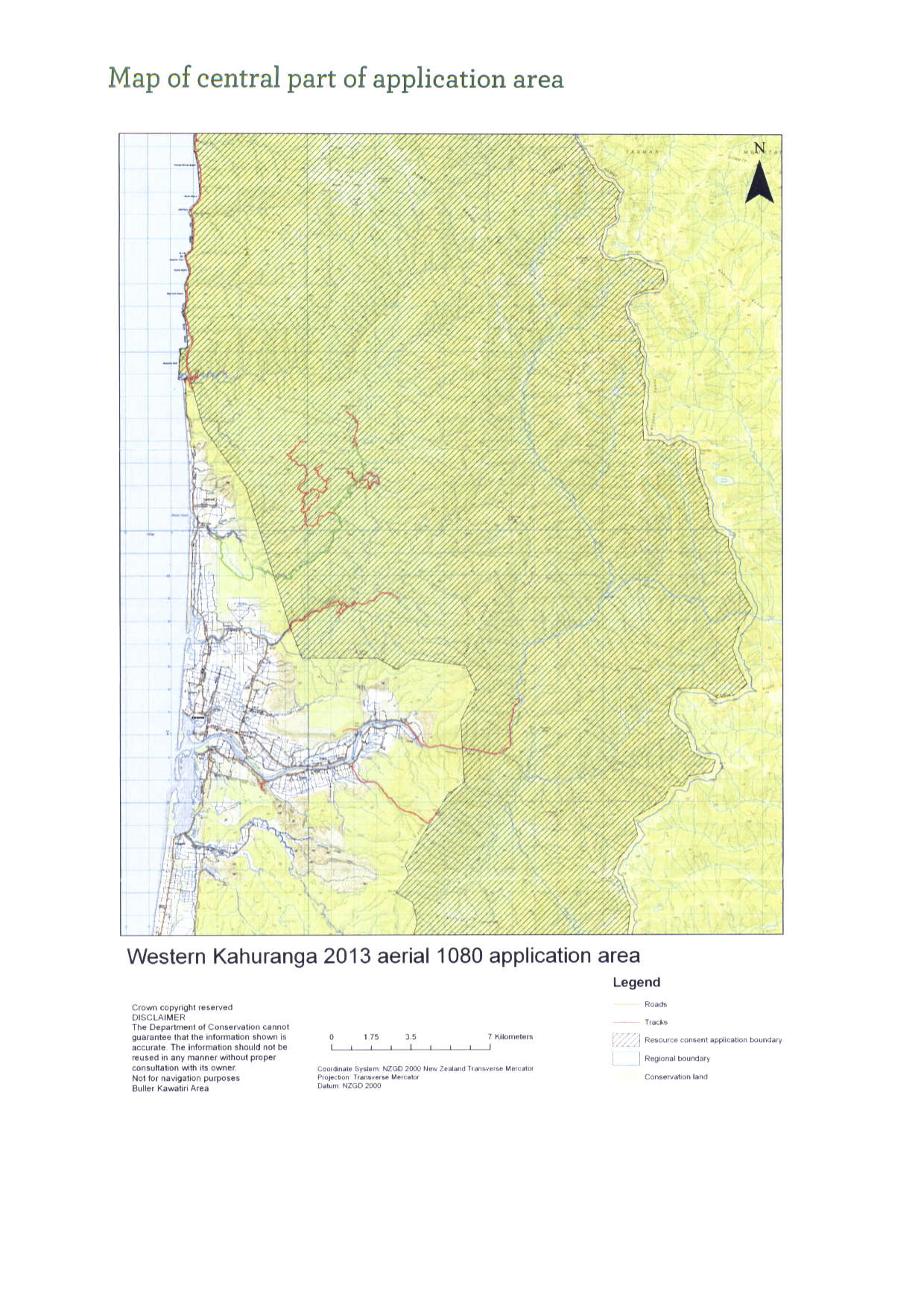
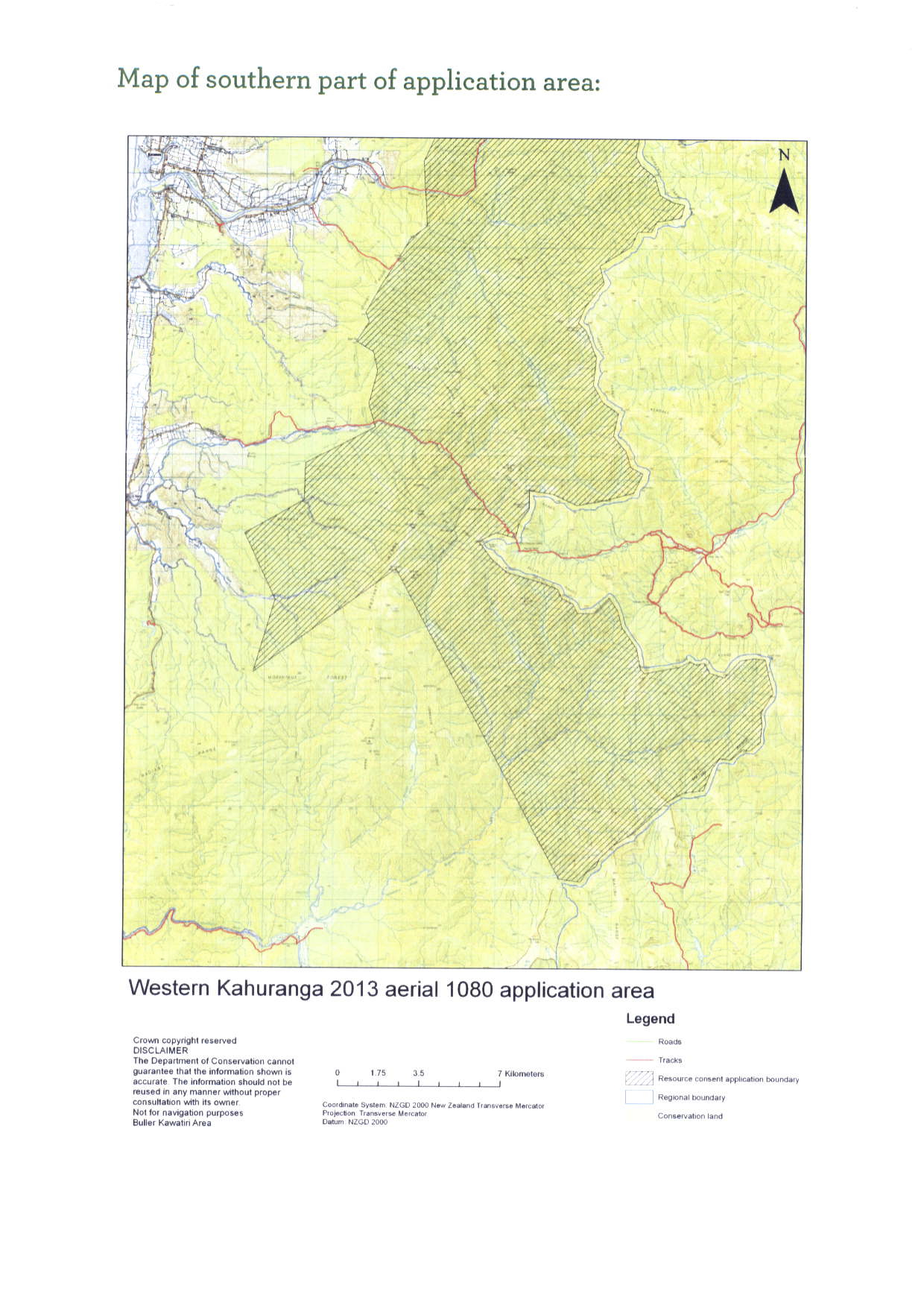
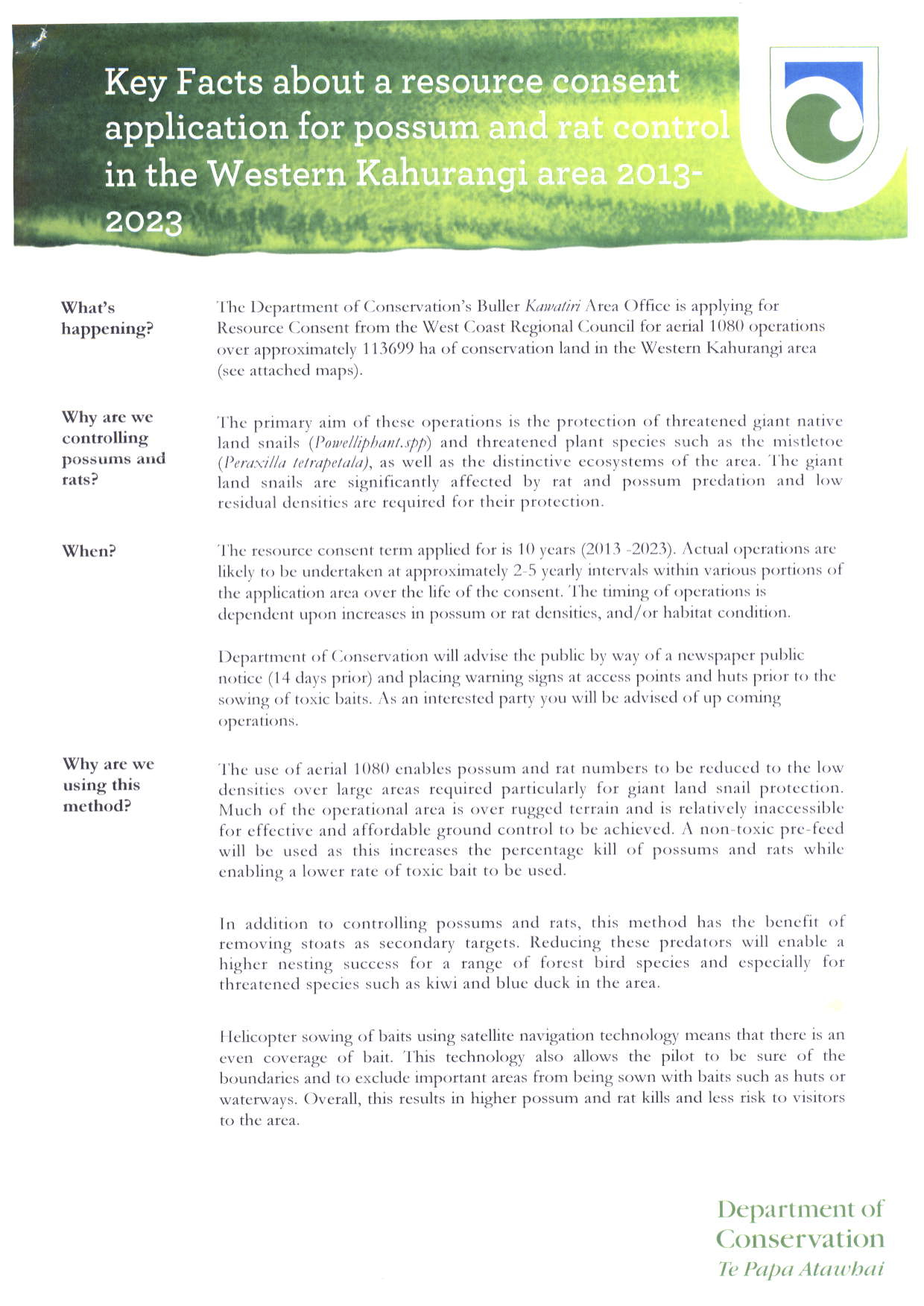
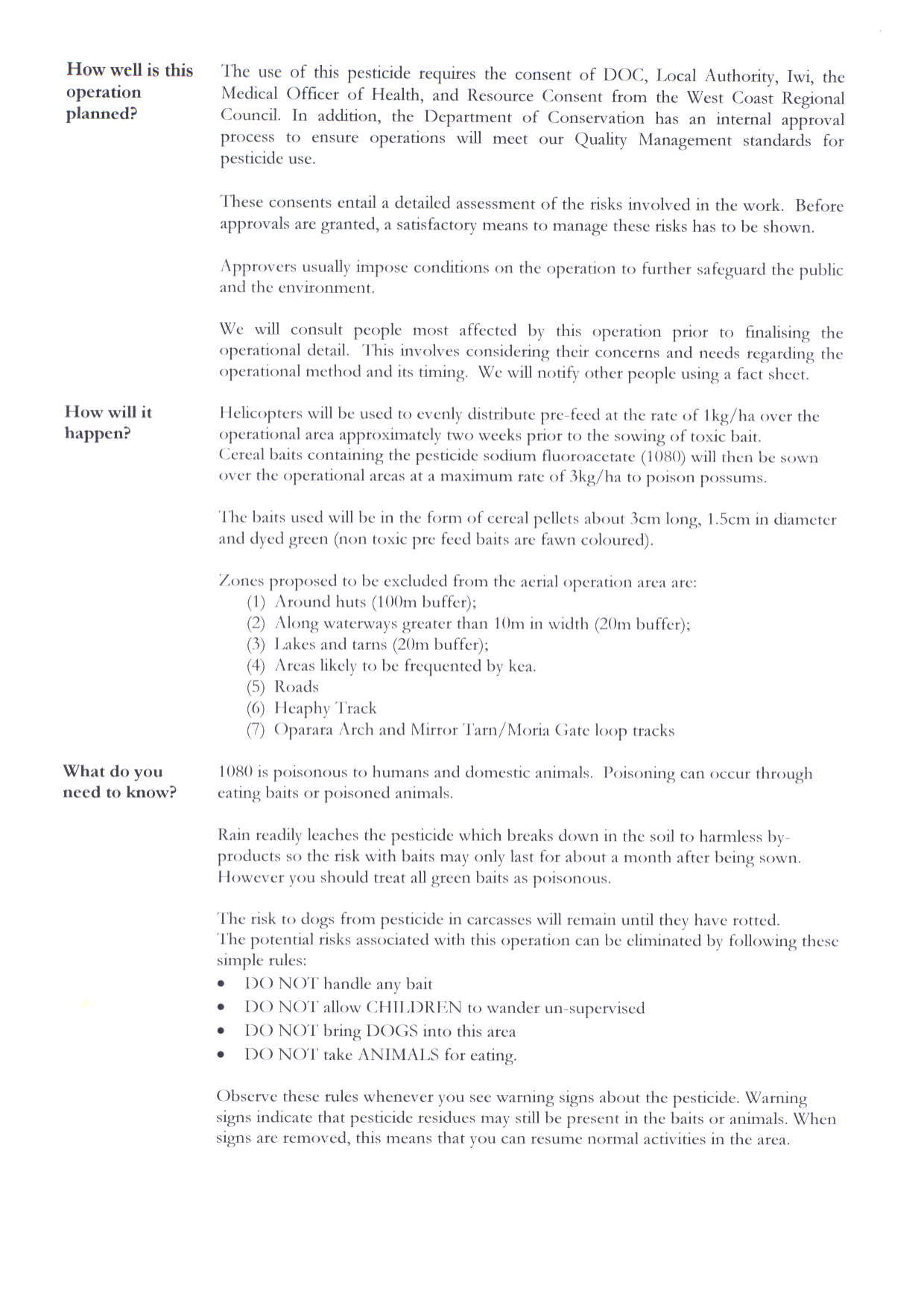
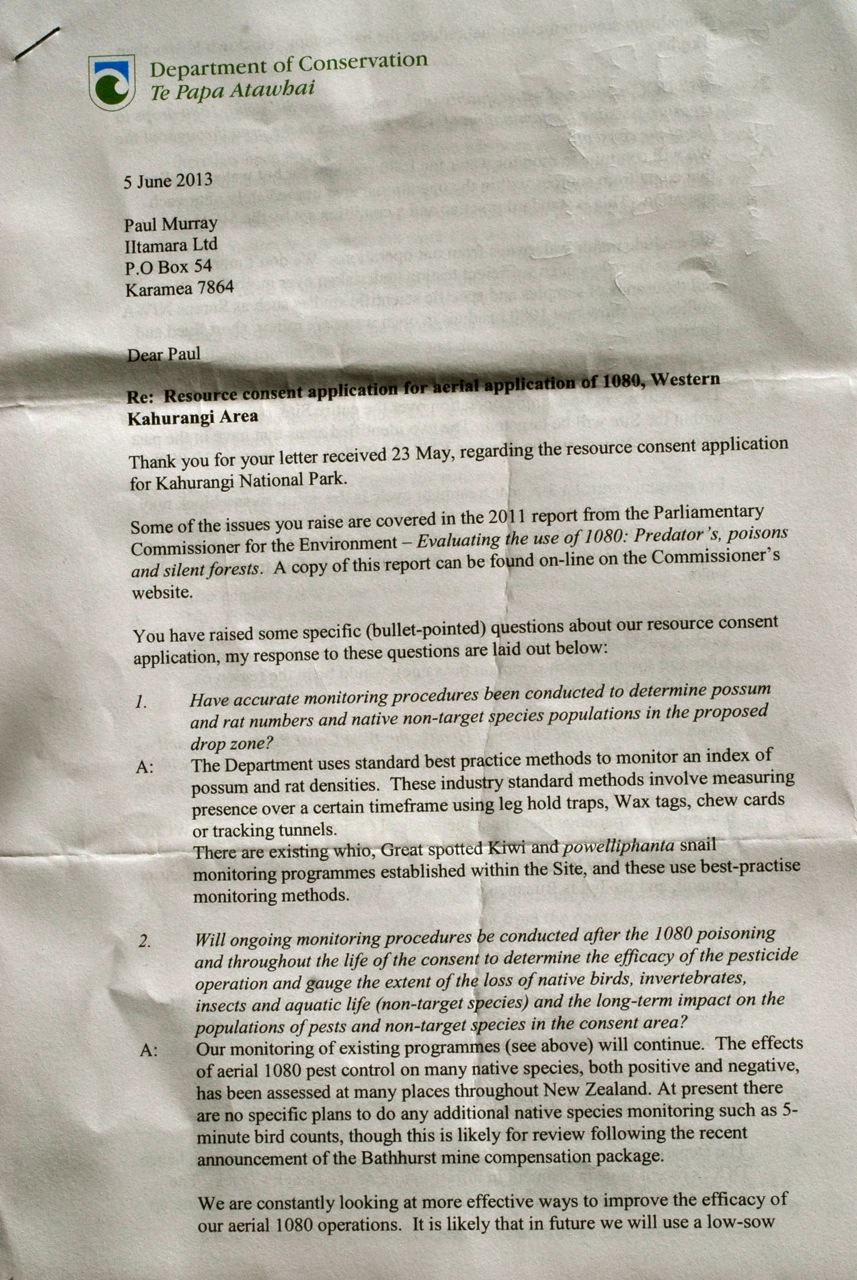
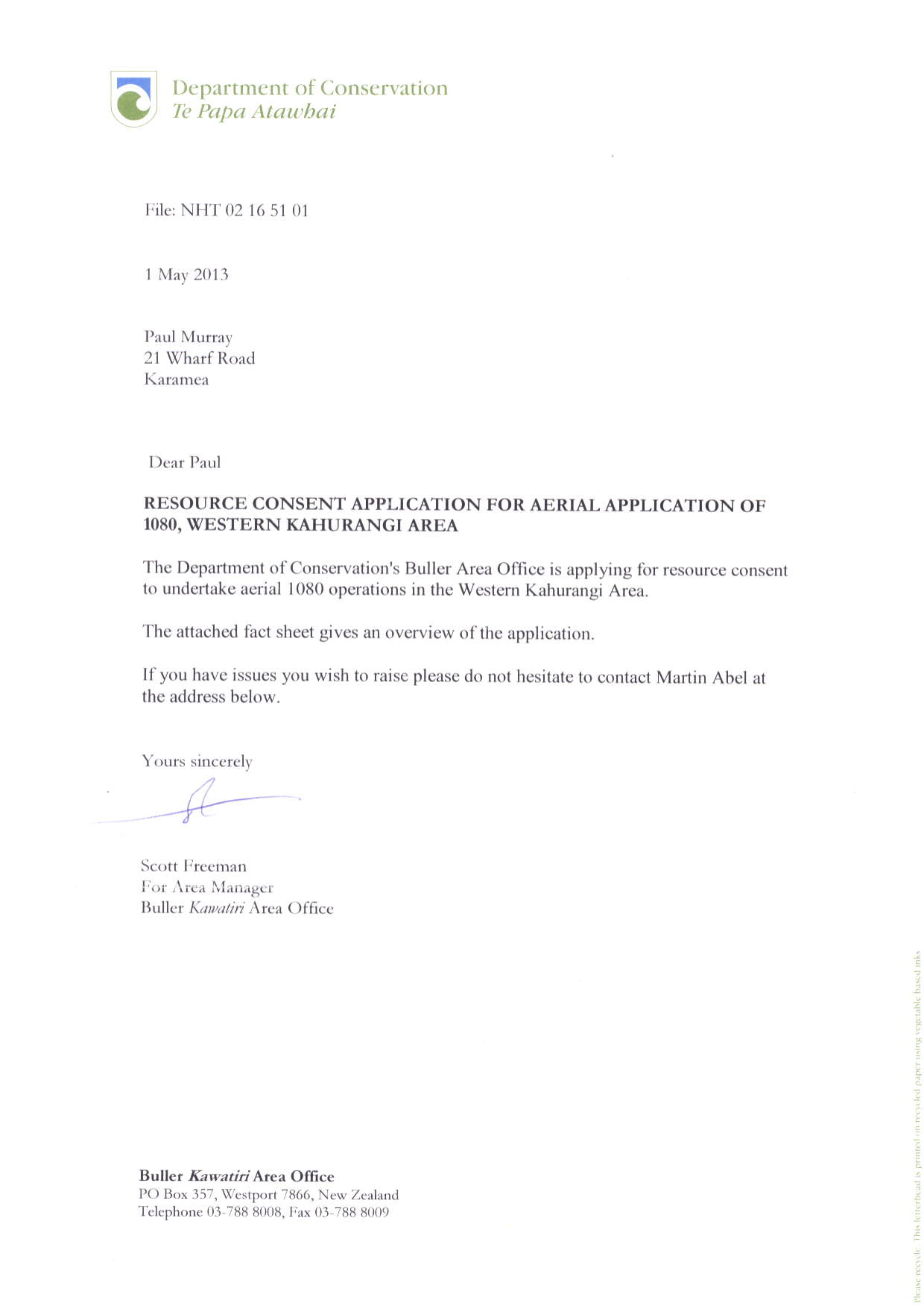
The following letter was sent out to residents of the Northern Buller district regarding proposed resource consent application by the “Department of Conservation” to permit the government body to aerially poison 113, 699 hectares of the Kahurangi National Park. The letter invited comment…below is mine.

Letter from Department of Conservation Regarding Resource Consent Application for Proposed 1080 Poison Operation

1080 Letter Page 1
1080 Nth Area Map

1080 Map Central 1080 Sth Area Map

1080 Text Page 1

1080 Text 2
DOC Letter


Response to Department of Conservation by Paul Murray: Karamea Business Owner

Paul Murray
Iltamara Ltd
21 Wharf Road
P.O. Box 54
Karamea, 7864
NEW ZEALAND
Ph: 03-7826-XXX
E-mail: rongo@actrix.co.nz
May 18, 2012 
 
Mr Martin Abel
Buller Kawatiri Area Office
P.O. Box 357
Westport 7866
NEW ZEALAND
Ph: 03-788-8008

Re: RESOURCE CONSENT APPLICATION FOR AERIAL APPLICATION OF 1080, WESTERN KAHURANGI AREA

Dear Martin,

I received a letter from Buller Kawatiri Area Manager Scott Freeman on May 17, 2013 (letter dated May 1) regarding the application by the Department of Conservation (DOC) for a resource consent to conduct an aerial 1080 poison operation covering 113,699 hectares in the Western Kahurangi area.

The letter invited me to raise issue with the resource consent application by contacting you. I have numerous concerns about the proposed aerial 1080 poison and have a number of questions for you regarding the drop.

I am a Karamea tourism business operator. I also have a permaculture farm in the region that has been pesticide free for eight years.

I feel that the proposed 1080 operation by the DOC will compromise both the marketing strategy for my tourism businesses and also the pesticide-free status of my permaculture farm.

I also own and maintain a Web site promoting the Heaphy Track (www.heaphytrack.com) and administer a FaceBook page for the Heaphy Track (https://www.facebook.com/HeaphyTrack). I am also a member of the Karamea Estuary Enhancement Project (https://www.facebook.com/pages/Karamea-Estuary-Enhancement-Project-KEEP/229300180441656) I actively support DOC activities in the Kahurangi National Park as evidenced by my involvement in promoting DOC facilities and projects in the region. I also support pest-specific possum control initiatives conducted by DOC and the Animal Health Board in the Kahurangi, but strongly oppose the broad-scale, indiscriminate broadcasting of 1080 pesticide over a vast region of the park as I consider it:

  • A threat to the quality of life for myself and my family
  • Raises health concerns for myself and my family
  • Has a serious negative impact on my business activities in Karamea
  • Violates the nation’s “Clean Green/100%Pure” brand that is used to promote New Zealand internationally.
  • Compromises my efforts to maintain a pesticide-free permaculture farm

Myself and many other Karamea residents publically opposed the aerial 1080 operation conducted in the Kahurangi National Park by the Animal Heath Board in 2008 and my position and that of the other residents on the issue has not changed. We find aerial 1080 pesticide operations to be an unacceptable solution to possum control and evidence suggests it creates a raft of other problems in the forest.

Scientific studies show that rat populations explode after aerial 1080 operations and that was certainly the observation of people living in Karamea following the 2008 poison programme and rat numbers in and around the town are still high in my experience. Prior to the 2008 1080 poisoning, I hadn’t seen a rat in the town, however, soon after the aerial pesticide operation, rats began to invade our homes and businesses. It’s ironic that the rats you say are one of the targets of the proposed 1080 programme are resultant from the last poison operation.

Poisoning vast areas of the national park leads to an elevation in rat numbers in the poison zone. Rats quickly repopulate the poisoned forest and come into an area devoid of predators and with an abundant food supply and their numbers are shown to surpass population levels that existed in the area prior to the pest-control operation. This is supported by scientific evidence in a study published in the Landcare Research Kararehe Kino vertebrate pest research report (December 2008).

Following the experience of the 2008 Animal Health Board (AHB) drop and the associated negative impact on and restriction to my business trade, I request DOC give me advanced notice of any scheduled similar aerial 1080 poison operations in the Kahurangi National Park so I can inform all potential customers that my business will be closed for the duration of the programme and for at least one month following to ensure all risk associated with the baits has passed and the pesticide has broken down in the soil to “harmless by-products,” or until all green baits have decomposed. I consider this the only responsible action I can take to protect the reputation of my business, honour my marketing strategy––in which I actively invite people from all over the world to visit the pristine, pure, clean, green and scenically beautiful environment in the Karamea region––and prevent the risk of possible exposure to the poison of guests staying at my accommodation facilities and utilising my transport service.

I have established good standing as a professional eco-tourism operator over the past 10 years and I consider that the proposed aerial 1080 operation is a serious threat to that hard-earned reputation. If my business continues to host guests during and immediately after the 1080 poison programme, I risk my business marketing strategy being considered specious and hypocritical given that they way I promote my business is contrary to inviting people to come and visit a poisoned forest.

There will be a significant financial loss incurred by my business by closing for which I reasonably expect to be compensated. Would you please provide me with information as to how I might file a business compensation claim with the Department of Conservation so that I might recover the losses incurred resulting from the interruption to my business and restriction to trade?

I also intend to offer my incapacitated accommodation facilities to domestic and international journalists and documentary filmmakers for free during the period of the drop and beyond so that they might have and opportunity to cover the programme thoroughly and report on the impact the DOC-sponsored poison operation has on the people of Karamea and the ecology of the Kahurangi National Park.

I also have several questions ahead of the application for resource consent to conduct this unprecedentedly large pesticide programme in the Western Kahurangi area.

  • Have accurate monitoring procedures been conducted to determine possum and rat numbers and native non-target species populations in the proposed drop zone?
  • Will ongoing monitoring procedures be conducted after the 1080 poisoning and throughout the life of the consent to determine the efficacy of the pesticide operation and gauge the extent of the loss of native birds, invertebrates, insects and aquatic life (non-target species) and the long-term impact on the populations of pests and non-target species in the consent area?
  • Will DOC monitor of water quality in the poison zone following 1080 drops to measure possible contamination of water resources in the area throughout the life of the consent?
  • What is the projected cost of the operation over the life of the consent?
  • Given that the Medical Officer of Health, the West Coast Regional Council and DOC are likely to rubber stamp the application as they have done with similar applications in the past, what is the “local authority” mentioned in the letter I received and which Iwi is relevant to this application process?
  • If the Buller District Council, Iwi or any of the other consent-issuing authorities oppose the resource consent application, does this mean the application will not be granted?
  • What contingency plan does DOC have to mitigate the potential negative effects of the 10-year poison programme on local tourism?
  • How soon would DOC expect the consent, if approved, to be issued?
  • If the consent is granted, does this mean that the AHB will not be permitted to also conduct 1080 poison operations in the consented area?
  • Is DOC lodging similar resource consent applications for the Northern, Eastern and Southern regions of the Kahurangi National Park?
  • Does DOC have a strategy to handle the possibility of human poisoning, or the poisoning of domestic pets resulting from the pesticide operation?
  • Will local contactors be employed to conduct the poison programme?
  • Has the information I received been sent out to all residents of the Northern Buller region? If not, on what basis were selected individuals or organisations notified about DOC’s intention to apply for this resource consent?
  • Is this consent application going to result in a 2013 drop across the entire area listed in the application, or just in specific areas of the consent region?
  • How does DOC intend to notify the public of the extent, location and timing of drops during the life of this consent if granted?
  • Given the unprecedented scope of this resource consent application and the open-ended, long-term and general nature of the consent, how can the public object to the application and its terms and conditions?

I am not opposed to pest-control and appreciate that national park management is a considerable challenge for DOC, but ask that any pesticide use specifically target the pest in question. I strongly oppose broad-scale indiscriminate aerial poisoning of vast regions of DOC administered land in the name of New Zealand and New Zealanders. I appreciate your consideration of the issues I have raised and hope to receive a full response to the questions I have asked in this letter. Should you have any questions, or require more information, please e-mail, or call me any time. 

Yours Sincerely,

Paul Murray

(Managing Director Iltamara Ltd)

www.livinginpeace.com

www.karameamotels.com

www.rongobackpackers.com

www.karameaconnections.co.nz

CC: Editors of The Westport News, The Greymouth Star and The Christchurch Press
 

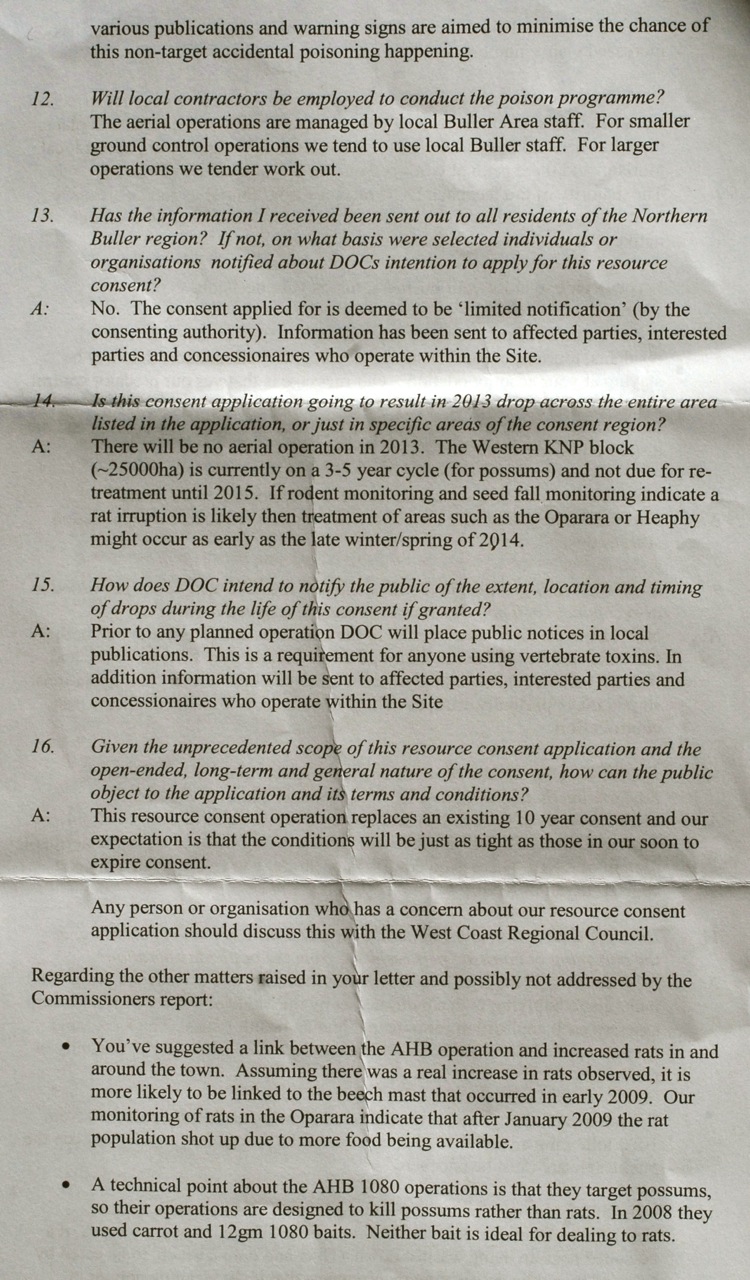
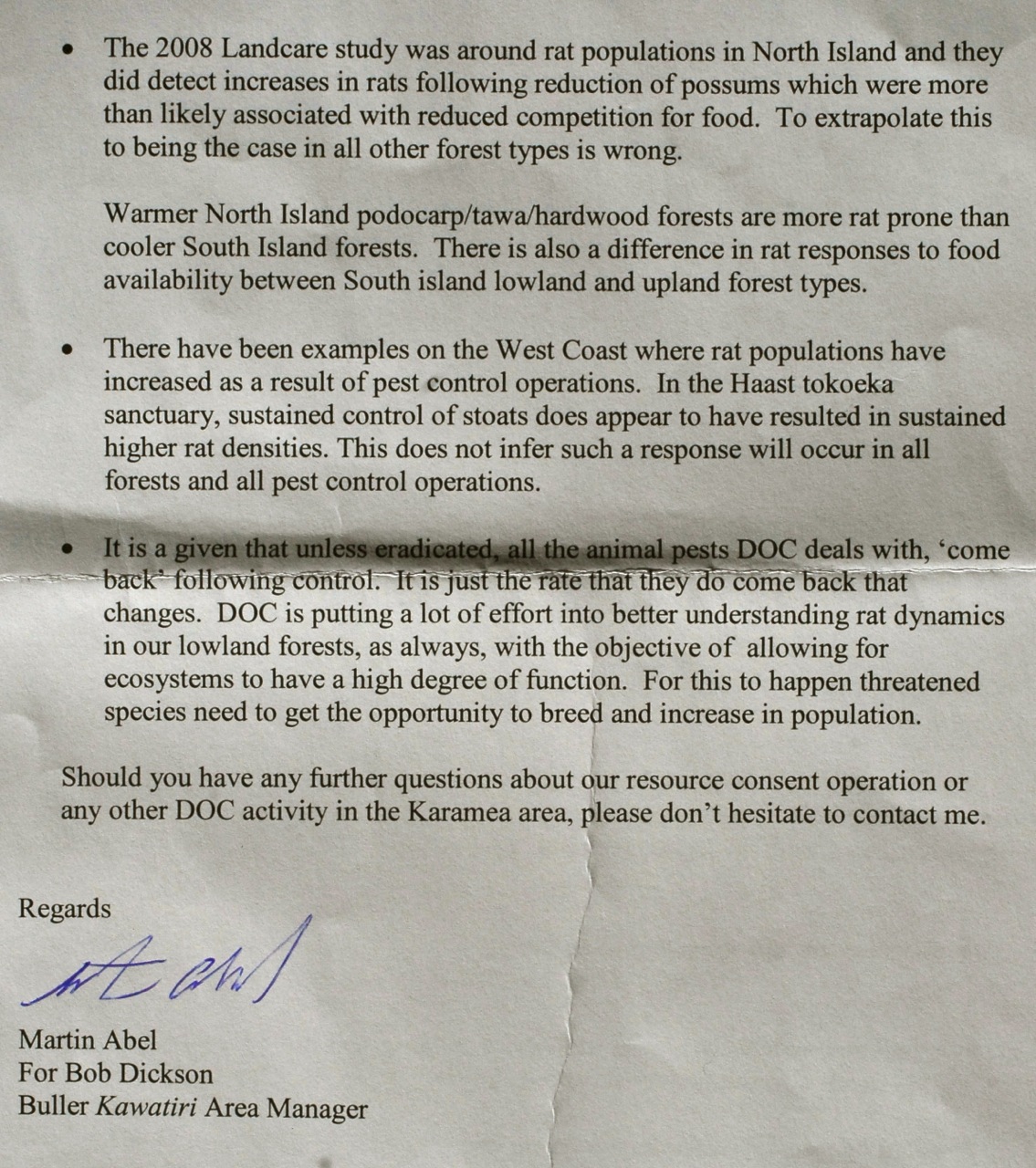
Response from Department of Conservation

 
DSC_0175 DSC_0176 DSC_0177 DSC_0178 DSC_0179
 
1080 Stop the Drop Logo
Posted in 1080, Agriculture, Buller District Council, Business, Department of Conservation, DOC, Economics, Education, Environment, Heaphy Track, Historical, Kahurangi National Park, Karamea, LivinginPeace Project, Money, Mountain Biking, MTB, New Zealand, Oparara, Permaculture, Politics, Product review, Social Commentary, Sustainablity, Tramping, Travel, West Coast | Tagged , , , , , , , , , , , , , , , , | 27 Comments

HHhH: Himmlers Hirn heisst Heydrich

Off the Top of My Head

By Paul Murray
 

book-hhhh-splsh1

main-qimg-746502fada005b90f3ff0e376dfe34e0

HHhH is the unusual title of a very interesting historical novel by French author Laurent Binet. The title is an acronym from the German phrase “Himmlers Hirn heisst Heydrich,” (Himmler’s brain is called Heydrich), which refers to the apparently commonly held belief among Nazi officials that the intellectual acuity behind the malevolent policies of  SS Chief Heinrich Himmler were instigated by his 2IC Reinhard Heydrich.

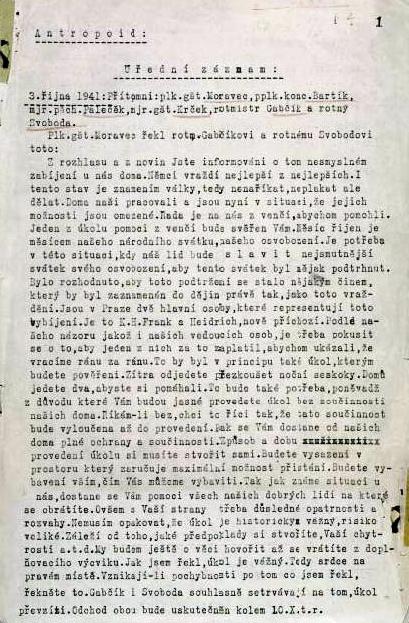
The focus of the book is on an assassination attempt on Heydrich by Czech/Slovak agents who parachute into Czech territory during the German occupation in WWII in which Heydrich is the self-proclaimed ruler of Bohemia and Moravia…territory  now known as the Czech Republic and more recently Czechia. (Heydrich’s official title was Protector of Bohemia and Moravia, but he his behaviour was more like that of a king…he even established his family a home in Prague Castle).

File:Hradschin Prag.jpg

Heydrich’s house in Prague

The agents, who were supported by the London-based Czechoslovak government-in-exile, were charged with removing brutal Heydrich, who had numerous nicknames including;  “The Butcher of Prague” “The Hangman” and “The Blonde Beast,” (Adolph Hitler referred to him as “The Man with the Iron Heart”) on the consideration that his demise would be tremendously motivating for the Czech resistance movement and empowering for the suppressed Czech people.


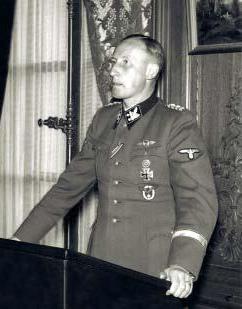
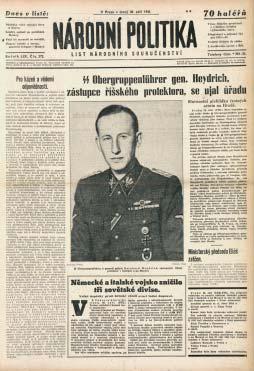
Protector of Bohemia and Moravia Obergruppenführer Reinhard Heydrich the Hangman, the Butcher of Prague, the Blonde Beast, the Man with the Iron Heart.

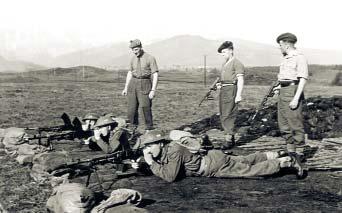
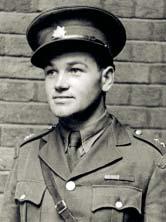
Two operatives were chosen for the mission Jozef Gabčík a Slovak and Jan Kubiš a Czech, perhaps in the hope that that success of Operation Anthropoid would galvanise the divided  Czechoslovakian states in the common cause of expelling German influence from their respective homelands.

The mission was considered suicidal given the absolute power of the Third Reich during the early stages of WWII and its domination of Eastern Europe at that time. Czech capitulation was all but complete, save for a meagre resistance movement that Heydrich was determined to negate. The challenge before Gabčík and Kubiš was immense and the danger to themselves and anyone associated with them real––Heydrich wasn’t called the Hangman and the Butcher for nothing––he took no truck with challenges to his authority…torture and brutality were his instruments.

Jozef Gabčík (right) and Jan Kubiš the heroes of Operation Anthropoid

HHhH is an interesting novel because of the fascinating story of the assassination plot, but also because it is a book about the challenges and process of writing a historical novel. Binet makes numerous references to the license such writers have in recounting history and freely admits to using imagination to recreate events and the associated dialogue of the protagonists and other key characters.

Binet is the son of a historian and his father has evidently inspired him to meticulous historical research and intellectual enquiry as to not only what happened, but why. He meanders through numerous distracting asides in the telling of the story and includes many of his own thoughts, emotions and sentiments, which is rather unorthodox and unusual in this type of novel, but Binet makes it interesting and eventually brings it all together effectively to produce a compelling tale.

HHhH was awarded  the prestigious Prix Goncourt du Premier Roman French prize for a debut novel in 2010.

File:Bundesarchiv Bild 146-1972-039-44, Heydrich-Attentat.jpg

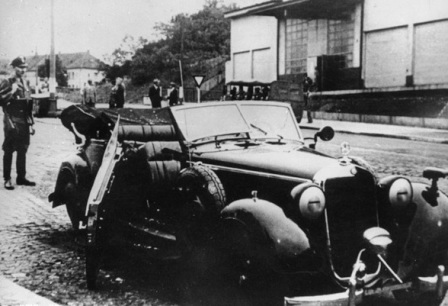
Heydrich’s convertible Mercedes in which he was riding when attacked on May 29, 1942.

Adolph Hitler was contemptuous for the casualness and confidence Heydrich showed in not employing more rigid security measures during his tenure in Prague and with his traditional lack of any human compassion said of the incident, “Since it is opportunity that makes not only the thief, but also the assassin, such heroic gestures as driving in an open, unarmoured vehicle or walking about the streets unguarded are just damned stupidity, which serves the Fatherland not one whit. That a man as irreplaceable as Heydrich should expose himself to unnecessary danger, I can only condemn as stupid and idiotic.”

At Heydrich’s funeral, Hitler delivered the following short eulogy:

“I have only a few words to dedicate to this dead man. He was one of the best National Socialists, one of the strongest defenders of German Reich, one of the biggest opponents of all the enemies of the Reich. He fell as a martyr for the preservation and safeguarding of the Reich. As leader of the party and as leader of the German Reich, I give you, my dear comrade Heydrich, the highest recognition I have to bestow, the uppermost level of the German Order.”

Hitler was incensed by Heydrich’s assassination and initially ordered 10,000 Czechs to be slaughtered in retribution for the affront to the Third Reich’s authority, but reconsiders after a Gestapo report erroneously implicates the Czech villages of Lidice and Ležáky in the plot. Both towns were completely destroyed and all men women and children either killed or sent to concentration camps (and then killed). The lives 1,300 innocent civilians were taken by the Nazis to avenge the death of one of their own.

Prague was ransacked by the SS in the search for the perpetrators of the attack on Heydrich and Gabčík and Kubiš were eventually found hiding in a church in Prague after being given up by Czech traitor Karel Čurda in return for the large reward offered by the Nazis for information. He allegedly received 500,000 Reichsmarks (1 million Franks) for giving up the heroes of Operation Anthropoid. However, he was later tracked down and hung for treason after the war by Czech authorities.

File:Operace Anthropoid - Karel Čurda.jpg

Traitor Karel Čurda

File:Laurent Binet - Comédie du Livre 2010 - P1390905.jpg

HHhH author Laurent Binet

*************************************************************************

The Assassination of Reinhard Heydrich

Operation Anthropoid

(From www.holocaustresearchproject.org)
 

Reinhard Heydrich Reichsprotektor of Bohemia and Moravia

On the twenty-ninth of May, 1942, Radio Prague announced that Reinhard Heydrich, Reichsprotektor of Bohemia and Moravia, lay dying at the Bulovka hospital in Prague from wounds sustained in a daring ambush by Czech partisans as his car passed through the city outskirts at Holesovice, on the Rude Armady VII Kobylisky not far from the Vltava river.

The assassins attempted to kill Heydrich with automatic weapons but experienced a malfunction so a grenade was then tossed at the car by one of the Czechs. The resulting explosion caused sever damage to the right rear wing of the Mercedes, puncturing the tire and blowing a large hole in the bodywork.

The attackers then fled and, Heydrich attempted to shoot at the escaping assassins but his weapon also misfired. He then staggered back to the car and collapsed on the hood in severe pain.

He was rushed to the Bulovka emergency room shortly after 11:00 a.m. and was registered under the number 12.555/42. Heydrich’s spleen had been fatally damaged and he contracted blood poisoning from grenade shrapnel, seat-spring splinters, and horse-hair used to cushion the cars upholstery.

He soon developed a fever and suffered from copious wound drainage until June 2, but the following day the fever appeared to have subsided. However, around noon, while Heydrich was sitting in bed eating a late breakfast, he suddenly went into shock and quickly lapsed into a deep coma from which he never recovered.

He died at 4:30 a.m. the next morning, June 4, 1942. The death of the Reichsprotektor of Bohemia and Moravia was recorded in the Bulovka death register as “Nr 348/1942.Reinhard Tristan Heydrich.

Cause of death: gunshot wound/murder attempt/wound infection. 

So ended the life of Reinhard “The Hangman” Heydrich, the Butcher of Prague.

Operation Anthropoid

On September 27, 1941, the Czech Press Agency released the news that the Reich Protector Konstantin von Neurath had fallen ill, and Hitler had named a substitute Reich Protector, Reinhard Heydrich. The Protectorate at that time experienced numerous acts of sabotage and assassinations of Germans and their collaborators by the Czech underground.

Execution order  of Czech Gen. Josef Bily

The low morale and starvation level rations for workers had reduced Bohemia’s industrial output of armaments, putting essential part of the German war effort at risk.

Konstantin von Neurath was sent away to recuperate and on that very same day, a plane landed in Prague with Reinhard Heydrich on board. Heydrich, as SS Police General and chief of the Reichssicherheitschauptampt (RSHA, Reich Security Main Office) was one of the most powerful and most feared Nazi leaders in the party.

Considered exceptionally intelligent, hard-working, ambitious and totally amoral, he had climbed to the top of the SS hierarchy and ruthlessly crushed his and Hitler’s domestic and foreign enemies. He was the main architect of the “Final Solution,” Hitler’s plan to destroy European Jewry.

Hitler believed with Heydrich in charge of Bohemia and Moravia, the Czechs would soon learn what it meant to live under a master of suppression. Not being a man to disappoint the Fürher, Heydrich immediately put his plan into action with the objective of annihilating all resistance in the Czech Lands.

On September 28, 1941, at 11 am, the official inauguration began at Prague Castle, the next day Heydrich announced a martial law in Prague, Brno, Moravská Ostrava, Olomouc, Kladno and Hradec Králové.

He instituted what he called his “whip and sugar” policy; he increased the food rations to dissuade resistance among the Czechs, and he threatened to lower them if they did not work efficiently.  This tactic seemed to resonate with the common workers but against the Czech intelligentsia, he would employ far deadlier measures.

Without hesitation he started from the top down. The Protectorate’s Prime Minister, General Alois Eliáš, was arrested, proven guilty of maintaining contacts with the enemy and sentenced to death on October 1, 1941.

Two acting leaders of the military resistance organization, Gen. Josef Bílý and Div. Gen. Hugo Vojta, Commander of the Bohemian Provincial Headquarters were sentenced under martial law and executed by a firing squad at Ruzyně Barracks. Hundreds from among the Czech intelligentsia were executed or sent to concentration camps.

From his quarters in Czernin Palace on October 2, 1941, Reinhard Heydrich gave a speech where he made the following statements:

“I must unambiguously and with unflinching hardness bring the citizens of this country, Czech or otherwise, to the understanding that there is no avoiding the fact they are members of the Reich and as such they owe allegiance to the Reich… This is a task of priority required by the war. I must have peace of mind that every Czech worker works at his maximum for the German war effort… This includes feeding the Czech worker – to put it frankly – so that he can do his work.”

One of Heydrich’s first decrees, dated September 29, 1941,concerning the treatment of Jews and closing of synagogues stated:

“…Jewish synagogues and places of prayer have not been used for religious purposes for some time. Instead, they have become centers for all kinds of Jewish subversive elements and focal points of illegal whispered propaganda. For this reason I have ordered the closing of all Jewish synagogues and places of prayer.

The Czech leaders in exile who made the decision to kill Heydrich -Col. Frantisek Moravec, Gen. Sergej Ingr, Edvard Benes, and Gen. Rudolf Viest.

This is to take effect immediately… Certain Czech circles are behaving in a very friendly manner toward the Jews, especially in recent times. They are mainly the Czech elements that are trying to demonstrate their anti-Reich thinking. I am ordering the State Police to intervene against the Czechs who openly demonstrate their friendship with the Jews in the streets and public places  and place them in protective custody!.”

Concerning the Germanizing of Aryan types, and racial elements Heydrich had this to say:

“To be able to make a decision as to who is suited to be Germanized, I need their racial inventory…We have all kinds of people here, some of them are showing racial quality and good judgment. It’s going to be simple to work on them – we can Germanize them. On the other hand, we have racially inferior elements and, what’s worse, they demonstrate wrong judgment. These we must get out. There is a lot of space eastwards. Between these two extremes, there are those in the middle that we have to examine thoroughly.

Document discussing Gabčík and Svoboda in connection with Operation Anthropoid

We have racially inferior people but with good judgment, then we have racially unacceptable people with bad judgment. As to the first kind, we must resettle them in the Reich or somewhere else, but we have to make sure they no longer breed, because we don’t care to develop them in this area… One group remains, though, these people are racially acceptable but hostile in their thinking – that is the most dangerous group, because it is a racially pure class of leaders. We have to think through carefully what to do with them.

We can relocate some of them into the Reich, put them in a purely German environment, and then Germanize and re-educate them. If this cannot be done, we must put them against the wall.”

On June 18, 1941, Britain recognized the Czecho-Slovak government in exile in London, despite the fact that the Munich Agreement remained in force.  Alarmed by Heydrich’s success, the Czechoslovak government in exile in London was in fear of slipping into last place among the representatives of the occupied countries that were actively contributing in their resistance to the defeat of Germany.

Czech partisans being trained by the Scottish Guard

It was decided by former Czezh President Edvard Beneš and other political and military leaders in Paris and London  that some action must be taken if they wanted to retain the leadership of the exiled movement under their control. That action was to be the assassination of Reinhard Heydrich.

The operation was to be named ANTHROPOID and full preparations for the attack began on October 2, 1941, in cooperation with the British SOE. Warrant Officer Josef Gabčík and Staff Sergeant Karel Svoboda were selected to carry out the assassination.

Josef Gabčík and Karel Svoboda left for a completion para-course in Manchester, where they were to carry out two daytime jumps from a Whitley aircraft and one night jump from a fixed balloon.

It was a fateful leap from a fixed balloon for Staff Sergeant Svoboda. Who suffered a head injury during the jump and was replaced by Jan Kubiš at the request of Gabčík, but the date for the operation would now have to be postponed.

The postponement allowed the new team additional time to complete their training and to improve the plan and overall mission objective. Jan Kubiš and Josef Gabčík spent a week, in Scotland, where they graduated from the Special SOE Course under the tutelage of the Scottish Guard.

On October 20, 1941, both men were sent to Station XVII in Brickendonbury Manor, near London, which specialized in special operations training.  There they learned specialized tactics in handling explosives. They also learned to create improvised explosive devices and sabotage techniques on railroad tracks, bridges and houses. They were trained in the use of electric and chemical fuses by British explosives expert Captain Pritchard of the SOE.

It was Captain Pritchard who taught them how to handle the specially designed grenades and sensitive timers/fuses that would eventually be the downfall of Reinhard Heydrich.

After completing their training and receiving the necessary false documents required to move safely through the protectorate, Kubiš and Gabčík signed a pledge on Dec 1, 1941 in London.

The pledge stated the following:

The four-engine Handley-Page Halifax Mk.II  used to drop Operation ANTHROPOID

 “The substance of my mission basically is that I will be sent back to my homeland, with another member of the Czechoslovak Army, in order to commit an act of sabotage or terrorism at a place and in a situation depending on our findings at the given site and under the given circumstances.

I will do so effectively so as to generate the sought-after response not only in the home country but also abroad.  I will do it to the extent of my best knowledge and conscience so that I can successfully fulfill this mission for which I have volunteered.

On December 28, 1941, both Kubiš and Gabčík wrote their last will and testament, and at at 22:00 hours, Handley-Page Halifax Mk.II carrying 15 men took off from Tangmere Airport in Sussex in southern England.

The Halifax flew over the French coast to the Le Crotoy area, and from there headed towards Darmstadt, at around 00:42 hours they encountered German fighter planes but were able to avoid being shot down. Due to heavy snow  cover the ANTHROPOID team missed their appointed drop zone and landed at near a village called Nehvizdy near Celakovice just east of Prague.

Upon dropping the parachutists the Halifax headed back towards Darmstadt where they encountered  fire by by anti-aircraft batteries. Flying over the French coast at 07:20 hours and the touched down at Tangmere Airport at 08:19.

The ANTHROPOID team was equipped two pistols, a 38 COLT – with four full spare magazines and 100 bullets – six amour-piercing bombs filled with plastic explosives. two magazines of fuses, two model Mills grenades, one Tree Spigot bomb launcher with one bomb, four electric fuses, one Sten Mk.II machine gun with 100 bullets, 32 lbs. of plastic explosives, two yards of fuse rope, four smoke bombs, a reel of steel string and three timing pencils.

Gabčík and Kubiš then made their way to Pilsen to contact their allies, and from there on to Prague, where the attack was planned. In Prague, they contacted several families and anti-Nazi organizations who helped them during the preparations for the assassination. Gabčík and Kubiš initially planned to assassinate Heydrich on a train, but after exploration they realized that this was not possible.

British Pencil fuses, specialized delay timers

The second plan was to assassinate him on the road in the forest on the way from Heydrich’s seat to Prague. They planned to pull a cable across the road that would stop Heydrich’s car but, after waiting several hours, their commander, Lt. Adolf Opálka, from the underground resistance group called “Out Distance”, came to bring them back to Prague. The third plan was to assassinate Heydrich in Prague.

By April 1942 the team made a breakthrough when  Heydrich  moved from his temporary quarters in Prague Castle to a Château in Panenské Břežany. The drive from the chateau to the castle meant passing a sharp right ‘hairpin” turn, straddling the streets Kirchmayerova and V Holešovičkách, below a school in Kobylisy.

The corner was considered  the ideal location for the attack. As Heydrich’s driver Johannes Klein took this route daily and had to slow down considerably to execute the turn. There was also a Tram stop located just near the corner which provided the assassins with a reason for waiting at the ambush location.

On the morning of May 27, 1942. Heydrich’s black Mercedes driven by his adjutant SS-Oberscharführer Johannes Klein, approached the hairpin turn on Kirchmayer street on their daily commute from Panenské Břežany to Prague Castle.

At approximately 10:35 a.m. Klein begins navigating the hairpin turn, dramatically slowing the Mercedes in the process. At that very moment Josef Gabčík jumps in front of the vehicle, holding a British made Sten machine gun pointed directly at Reinhard Heydrich.

The gun failed to fire. With lightning quick reflexes Jan Kubiš pulled out one of the specially prepared grenades from his briefcase. It was fitted with a highly sensitive impact fuse which is set to explode on the slightest impact.

Heydrich seeing Gabčík standing in front of him with the Sten orders Klein, to stop the car. He pulled his pistol and stood up to shoot at Gabčík from the car, not noticing Kubiš who tossed the grenade at the Mercedes.

The bomb goes off and  and its fragments ripped through the car’s right fender, embedding shrapnel and fibers from the upholstery into Heydrich’s body, even though the grenade failed to enter the car. Kubiš is also injured by the shrapnel.

Posters offering a reward for information on the attackers

Heydrich, apparently unaware of his shrapnel injuries, got out of the car, returned fire, and tried to chase Gabčík but soon collapsed. Klein returned from his abortive attempt to chase Kubiš, and Heydrich ordered him to chase Gabčík. Klein was shot twice by Gabčík now using a revolver. During their escape, neither Gabčík or Kubiš is aware of the wounds sustained by Heydrich in the bomb blast and both were convinced that the attack was a failure.

Heydrich was taken to Bulovka Hospital, near the site of the attack. There he was operated on by Professor Hollbaum, a Silesian German who was Chairman of Surgery at Charles University in Prague, assisted by Doctor Dick, the Sudeten German Chief of Surgery at the hospital.

The surgeons re-inflated the collapsed left lung, removed the tip of the fractured eleventh rib, sutured the torn diaphragm, inserted several catheters and removed the spleen, which contained a grenade fragment and upholstery material.

At 3:26 pm on May 27, 1942 SS-Standartenführer Horst Böhme reported the results of Heydrich’s first operation to Berlin:

“…a lacerated wound to the left of the back vertebrae without damage to the spinal cord. The projectile, a piece of sheet metal, shattered the 11th rib, punctured the stomach lining, and finally lodged in the spleen.

The wound contains a number of horsehair and hair, probably material originating from the upholstery. The dangers: festering of the pleura due to pleurisy. During the operation the spleen was removed.”

On May 27, 1942, Karl. Hermann Frank, declared a state of civil emergency. Posters appeared in the streets offering a reward for information on the perpetrators. Himmler, at Hitler’s headquarters in Rastenburg was immediately notified of the incident and ordered Dr. K. Gebhardt, his personal physician and Professor of Orthopedics in Berlin, to fly at once to Heydrich’s bedside.

Gebhardt landed in Prague the evening of May 27, and followed Heydrich progress closely even telephoning Himmler twice a day to report on his patient’s status.

Heydrich’s damaged Mercedes after the attack

Hitler ordered the SS and Gestapo to “wade in blood” throughout Bohemia to find Heydrich’s killers. Hitler wanted to start with brutal, widespread killing of the Czech people but, after consultations, he reduced his response to only some thousands. The Czech lands were an important industrial zone for the German military and indiscriminate killing could reduce the productivity of the region.

Things went from bad to worse for the ANTHRPOID team and their collaborators in hiding. Karel Čurda another of the men from the OUT DISTANCE unit, who left Prague immediately after the assassination and hid out with his mother in Nová Hlína near Třeboň, was captured by the Gestapo and betrayed the names of the team’s local contact persons for the bounty of 1 million Reichsmarks.

First, on June 13, 1942, he wrote a traitorous letter in which he identified Gabčík and Kubiš as the assassins.  Čurda then betrayed to the Gestapo everyone he knew personally who had assisted the paratroopers, not only in Prague but in Pardubice, Lázně Bělohrad and Pilsen. Through his betrayal he caused the deaths of Czech patriots and their families.

The very next morning, the Gestapo began extended raids on the apartments of the people who had assisted the paratroopers. The first in line was the Moravec family in Biskupcova Street in Prague.  The Moravec family was made to stand in the corridor while the Gestapo searched their apartment.

Mrs. Moravec was allowed to go to the toilet, and killed herself with a cyanide capsule. Mr. Moravec, oblivious to his family’s involvement with the resistance, was taken to the Peček Palác together with his son Ata. Ata was tortured throughout the day. Finally, he was stupefied with brandy and shown his mother’s severed head in a fish tank . Ata Moravec told the Gestapo all he knew.

Inner sanctum of the St. Cyril & Methodius Church

At 3:45 am on June 18, 1942, SS-Brigadeführer Karl von Treuenfeld, issued an order to the Reserve Battalion Deutschland and the Guard Battalion Prague to surround the area around the Church of St. Cyril and Methodius. The location of where Kubiš, Gabčík and Opálka were hiding.

German Police under the command of Gestapo Chief Heinz Pannwitz and Nazi Secretary of State Karl Frank quickly overpowered the priest, Father Vladimir Petrek and von Treuenfeld was given the order to attack. The battled ensued for fourteen hours as the Czech parachutists put up fierce resistance.

The Germans first searched the church warden’s apartment. They quickly found the window with an unscrewed inside grating, which would have been used in the event of the paratroopers’ escape.  The Gestapo and SS then proceeded to the inner section of the Church of St. Cyril and Methodius, where Adolf Opálka, Josef Bublík and Jan Kubiš were keeping guard in the gallery and the choir.

The attackers tried to reach the choir through a narrow staircase, under cover fire provided by Adolf Opálka. Wounded and nearing the end of his ammunition Adolf Opálka took poison and simultaneously ended his life with a pistol shot to the left temple.

After the inside of the church was overrun, the battle shifted to the crypt, the only entrance to which led through a small ventilation opening in the western part of the church which was accessible from the street outside. The Germans seized this opportunity and ordered in the Prague fire department to begin flooding the crypt with water and tear gas.

The bodies are pulled onto the street for identification by Čurda

Near the altar, under a carpet, the Germans found an entrance into the crypt covered with a stone slab. After destroying it with explosives, they discovered steep stairs leading into the crypt; the Czechs were now fighting from all sides.

Pannwitz and Frank had Čurda brought in to try and persuade the men in the crypt to surrender, but his shouts for them to give themselves up were met by fire form the defenders guns.  The Czech’s thought they might have a chance if they could tunnel there way out of the crypt into the sewer system below, but Jan Kubiš suffered from multiple gun shot and grenade wounds and died of blood loss.

The remaining defenders both exhausted and their ammunition just about gone, chose suicide over capture. Josef Gabčík ended his own life with a pistol shot. Fourteen German soldiers had been killed and many more injured in the series of attacks. The dead paratroopers were carried out in front of the church and identified by the traitor Karel Čurda.

The assassination led to the reprisal of the complete destruction of the village of Lidice, 173 Lidice men were shot on that fateful day in the garden of the Horak farm. Read more about the Lidice massacre [here].

Jan Kubiš’ girlfriend, Anna Malinova, was arrested in the aftermath of the assassination, and died in Mauthausen concentration camp.  Many Resistance helpers were also arrested and murdered, including Father Petrek.

The Germans erected a monument to Heydrich which was torn down by the Czechs in 1945. Hitler granted Lina, Heydrich’s widow, heavily pregnant at the time of his death, the estate at Panenske Brezany, and she ended her days as a hotel-keeper on the island of Fehmarn.

Hitler eulogized Reinhard Heydrich in  ceremony in Berlin on June 9, 1942:

“I have only a few words to dedicate to this dead man. He was one of the best National Socialists, one of the strongest defenders of German Reich, one of the biggest opponents of all the enemies of the Reich. He fell as a martyr for the preservation and safeguarding of the Reich. As leader of the party and as leader of the German Reich, I give you, my dear comrade Heydrich, the highest recognition I have to bestow, the uppermost level of the German Order. “

A memorial pamphlet entitled “My Honor is Loyalty” was Issued by: the Reich Security Main Office I B I shortly after Heydrich’s death.

You can read more about Reinhard Heydrich [here].


Sources:

Die Sudetendeutschen im NS-Staat. Politik und Stimmung der Bevölkerung im Reichsgau Sudetenland (1938-1945).Zimmermann, Volker
Defence Ministry of the Czech Republic – Military Information and Service Agency (AVIS)

Master of Spies. The Memoirs of General Frantisek Moravec (London 1975)
Heydrich: The Face of Evil, by Mario R. Dederichs, tr. Geoffrey Brooks (Greenhill Books, London 2006)
“Reinhard Heydrich — Der deutsche Polizeichef als Jagdflieger”, by Stefan Semerdjiev, Deutsche Militärzeitschrift, No 41 Sept/Okt.2004
Assassination : Operation Anthropoid 1941-1942, by Michael Burian (Avis, Prague 2002)
SS Service Record of Reinhard Heydrich, National Archives and Records Administration, College Park
Central Intelligence Agency Report on the Assassination of Reinhard Heydrich

The Mirror Caught The Sun – Operation Anthropoid 1942 by John Martin

Copyright  Carmelo Lisciotto H.E.A.R.T 2009

Posted in Book Review, Czech Republic, Education, Germany, Historical, Nazis, Obituary, Photography, Politics, Slovakia, Social Commentary, Uncategorized, War | Tagged , , , , , , , , , , , , , , , , , , , , , | 2 Comments

What a Wonderful World…….Oooohhhhh YEAH!

Entries from the 25th Annual National Geographic Traveller Photo Contest

A fennec fox walks against the wind in Morocco. The fennec, or desert fox, is a small nocturnal fox found in the Sahara Desert in North Africa. (© Francisco Mingorance/National Geographic Traveler Photo Contest)


A raging sea dwarfs Seaham Lighthouse in County Durham in England, with 100 ft waves after a cold front moved down from the north bringing freezing temperatures to the North of England. (© Owen Humphreys/National Geographic Traveler Photo Contest)

A Sadu pilgrim from Varanasi, India. (© Craig Stevenson/National Geographic Traveler Photo Contest)

Crater lake Segara Anak located in Mount Rinjani, Lombok, Indonesia. (© Dodi Sandradi/National Geographic Traveler Photo Contest)

A group of 12-14 hyenas were chasing a herd of 7-8 elephants. The elephant herd included 2 adult females, a few teenagers, and a baby that was a few days old (belonging to one of the adult females). The hyenas were trying to get at the baby. In this picture, the mother is kicking at the hyenas. (© Jayesh Mehta/National Geographic Traveler Photo Contest)

Sunset on top of Lao Zhai mountain at the bank of Li River, Xingping, Guangxi, China. (© James Bian/National Geographic Traveler Photo Contest)

The late morning fall air was just cool enough that the sap weeping from the trees would solidify in mid flight… creating beautiful marbles of amber falling to the ground. Kingston Mills Water Locks – Kingston, Ontario, Canada. (© Jay Foulds/National Geographic Traveler Photo Contest)

Masters of disguise. The Eastern Screech Owl is seen here doing what they do best. You better have a sharp eye to spot these little birds of prey. (© Graham McGeorge/National Geographic Traveler Photo Contest)

This tabular iceberg floats majestically in the Southern Ocean a few miles from South Georgia Island. Formerly a whaling station, the island is now an Antarctic research center. It was the ultimate destination of Ernest Shackelton’s desperate rescue voyage in 1916. (© Sue Volek/National Geographic Traveler Photo Contest)

I have been traveling around the world and parts of Asia for the last six months and this is a shot I took at Tiger Palace in Bangkok, this is one of just a few tiger sanctuaries in Thailand that do not drug the animals, and because of this they sometimes get incredibly playful, here the tigers are having a play fight in some water. What was truly amazing was the speed at which they move, one minute they are 200 yards away, the next, they are right next to you staring down like they are deciding how you taste! (© Daniel Sakal/National Geographic Traveler Photo Contest)

A very hungry humming bird drinking from the mouth of a person in Wyoming during an extreme drought in 2012. (© Sundell Larsen/National Geographic Traveler Photo Contest)

This picture is not a photo of painting, landscape nor I have used any Photoshop except minor cropping, rotation and converting from raw to jpeg. It is colored threads/wool hanging from the wall in an amazing way with a nail head coming out in between. I tried to create a feeling of moon and sea. (© Aditya Vardhan Tibrewala/National Geographic Traveler Photo Contest)

King of the Hill: An American Bison on the National Bison Range, Moiese, Montana. (© Mark Mesenko/National Geographic Traveler Photo Contest)

The view from our hotel room in the San Blas district of Cusco. This area of town overlooked the rest of the city and gave us a breathtaking view as the sun and rain mixed one evening. (© Blake Burton/National Geographic Traveler Photo Contest)

I have seen alligators and turtles together in ponds before, but never like this! I was at Bluebill Pond in Harris Neck NWR when I saw what I thought was an alligator sunning itself on a stump. As I got closer I realized that it was actually perched on the back of a turtle! I wish I had been there to witness how this surprising esprit de corps had came to pass! (© Mary Ellen Urbanski/National Geographic Traveler Photo Contest)

Imagine yourself as this lone tree, standing in the snow waves. Jasper National Park, Alberta, Canada. (© Victor Liu/National Geographic Traveler Photo Contest)

Living in Seattle I am spoiled by its beautiful skyline and the iconic Space Needle. This was not my first attempt capturing the moon with the Space Needle. After one failed attempt, I went back the next day for a second attempt and was treated with perfect conditions. As the moon rose above the horizon I was in disbelief as to how big it was, dwarfing the entire Space Needle observation deck. (© Hai Nguyen/National Geographic Traveler Photo Contest)

This picture was taken at the majestic Iguazu Falls, Misiones, Argentina. The flight of this flock of swifts across the huge waterfalls portrays the sense of freedom and wildness that belongs to this fantastic world wonder. (© Francesco Filippo Pellegrini/National Geographic Traveler Photo Contest)

Tearing down a super tanker on a shoe-string budget. A gas torch, a tow line and human labor force, Sitakunda, Chittagong, Bangladesh. (© Lee Chong Kuang/National Geographic Traveler Photo Contest)

While on safari in Kruger National Park we watched a coalition of four male cheetahs crossing the plain. This one got distracted and fell behind. Once he noticed the others were gone, he sprinted to catch up. I caught him nicely with a slow shutter pan. (© Douglas Croft/National Geographic Traveler Photo Contest)

Shooting New Taipei City night scene, in the distance, a huge, strange cloud, from time to time issuing a strange flash reflection like a a beautiful watercolor painting. (© ?? ?/National Geographic Traveler Photo Contest)

Long necked Padaung tribe woman wearing neck rings on Inle Lake, Myanmar. They come down from the mountains to sell their handmade jewelry and woven bags to tourists. (© Cynthia MacDonald/National Geographic Traveler Photo Contest)

Kauai is a wild and magical place. It invokes a sense of freedom, appreciation, and love. At this particular beach waves rebound and crash off of lava rocks and cliffs forming into interesting shapes. (© Lace Andersen/National Geographic Traveler Photo Contest)

A young bat and his mother in flight in Pardes Hanna-Karkur, Israel. (© Gilad Guy/National Geographic Traveler Photo Contest)

Bonobos…the unknown Ape. Most people do not even know what Bonobos are. I have been documenting their behavior for over 4 years now at the Jacksonville Zoo here in Florida and all I can say is this: “Minutes turn to hours when I am photographing Bonobos. I love to watch their mannerisms and interactions with each other. They are without a doubt our closest relative. It is my dream to one day get a chance to photograph them in the wild in their own world in the DRC.” (© Graham McGeorge/National Geographic Traveler Photo Contest)

On the way to Ergaki, Krasnoyarsk Krai, Russia. Twilight away the lights of one of the bases. (© Alexander Nerozya/National Geographic Traveler Photo Contest)

A fascinating and breathtaking view of the Cappadocia morning breeze, in Turkey. (© Reynaldi Herdinanto/National Geographic Traveler Photo Contest)

Located in the heart of Siberian Russia, Lake Baikal freezes over ever year. Walking around on the ice at sunset, I got down low to the ground and took this shot of some ice with the beautiful sunset in the background. (© Edward Graham/National Geographic Traveler Photo Contest)

A child, captured by surprise, during shooting of a part of the old city (Sun City) of Jodhpur, India. (© Bruno Tamiozzo/National Geographic Traveler Photo Contest)

Eruption of the Cordon Caulle, Chile. This was taken from Antillanca mountain. However despite the distance, the sound was awesome and was the most incredible experiences of my life with my uncle, who accompanied me that night. (© Rival Gustavo/National Geographic Traveler Photo Contest)

I took this photograph near the spillway of Jordan lake dam shortly after the Osprey returned to my area for the 2013 season. Early in the spring, you can find them fishing at the base of the dam. I love photographing wildlife, but have a special place in my heart for any type of raptor. (© Brad Lenear/National Geographic Traveler Photo Contest)

A scientist climbs out of an ice cave formed by volcanic vents near the summit of Mt. Erebus, Antarctica. (© Alasdair Turner/National Geographic Traveler Photo Contest)

An impending storm moving in over a beautifully lit field in the evening in Montana. (© James Lam/National Geographic Traveler Photo Contest)

A one-horned gazelle looks up at just the right moment in the Maasai Mara National Reserve, Kenya. (© Kellie Reifstenzel/National Geographic Traveler Photo Contest)

“The redbreast whistles from a garden-croft; and gathering swallows twitter in the skies.” (John Keats). The Duke of Westminster’s Drive, in Chester, England. (© Robert Reginald Williams/National Geographic Traveler Photo Contest)

Cowboy, the real deal. Photo taken near J Bar L Ranch in Montana. This gentleman and his friends were riding across the state using only the real deal old school equipment. (© Jesper Anhede/National Geographic Traveler Photo Contest)

Pergamon was an ancient Greek city in Aeolis, today located 16 miles (26 km) from the Aegean Sea on a promontory on the north side of the river Caicus. Some ancient authors regarded it as a colony of the Arcadians, but the various origin stories all belong to legend. (© Mehmet Fatih Yaldiz/National Geographic Traveler Photo Contest)

Taken during the Belle Fouche prescribed burn at Devils Tower National Monument, Wyoming. (© Drew Gilmour/National Geographic Traveler Photo Contest)

This great white shark struck directly from below with such force that it leapt entirely clear of the water. Gansbaai, South Africa, where this image was taken, is one of the only places in the world where the sharks exhibit this behavior. (© Thomas Pepper/National Geographic Traveler Photo Contest)

This image is shot in Kampung Pulo in East Jakarta. This village is unique with their various colors and plenty and maze like alleyways. I waited for a perfect moment on this dark alley when a child went out of his home and ran through the alley to meet his friends to play. (© Michael Ken/National Geographic Traveler Photo Contest)

This church was built about 200 years ago on the banks of Hemavathi River near Hassan, India. About 25 years before, Gorur Dam was built, and every year the monsoons fill up the reservoir and flood the church, submerging it. Every Cycle takes away part of this holy place until nothing will remain. Hopefully this picture would provide a view of what man makes and how nature takes it away. (© Gurdyal Singh/National Geographic Traveler Photo Contest)

Spring arrives in Sweden and the ice finally starts to melt on Lake Vättern. What started out as this year’s first stand-up paddle trip with my best friend ended up as a weird photo shoot, in Hjo, Sweden. (© Jesper Anhede/National Geographic Traveler Photo Contest)

About the Contest

The 25th annual National Geographic Traveler Photo Contest is now accepting submissions. Harness the power of photography and share your stunning travel experiences from around the globe with us. Entertoday for a chance to win a National Geographic Expedition to the Galápagos and have your photo published in National Geographic Traveler magazine.

How to Enter

To begin the entry process, go to the Enter page, where you’ll be prompted to sign-in and setup an account. Upload your photograph and complete an entry form, including the following required information: name, address, telephone number, e-mail address, and photo caption. Entries are $15 and you may submit as many entries as you wish. For more information, please read the Rules.

Categories

Submit in any of the following categories:

  • Travel Portraits: Locals working, playing, celebrating
  • Outdoor Scenes: Landscapes, aerials, wildlife, waterscapes
  • Sense of Place: Pictures that evoke the essence of a place
  • Spontaneous Moments: Fun, quirky, surprising, and unrehearsed moments

Prizes

First Prize: A 10-day Galápagos National Geographic Expedition for two

Second Prize: A 7-day National Geographic Photography Workshop

Third Prize: A 6-day cruise on a Maine windjammer schooner for two

7 Merit Prizes: $200 gift certificates to B&H Photo and a matted and framed print of your entry

Posted in Art, Education, Environment, Historical, Media, Photography, Social Commentary, Travel | Tagged , , , , , , , , , , | 1 Comment

This is ART!!

The Incredible Power Of Concentration and the Weight of a Feather

By Japanese Performance Artist Miyoko Shida Rigolo


Posted in Art, Japan | Tagged , , , , , , , | 1 Comment

Karamea Kaos: UFO Seekers Flock to West Coast NZ Town

By Rongolian Star Raving Reporter CamcoH Kazakov
 

Alarmed residents of Karamea, on the West Coast of the South Island of New Zealand, reported witnessing a large bright elliptical metallic sphere hovering over Flagstaff Beach, Karamea at 1935 hours on Saturday May 11, 2013.

Photo taken by German backpacker Gunther Muller.

This UFO appearance follows on from a prolific series of sightings in the Opapara Basin, Arapito, Flagstaff Beach and Kongahu areas of the Karamea District in July. Sources close to the New Zealand Air Force have confirmed the radar tracking of an as yet unidentified space craft making a rapid vertical descent from over 100,000 feet at 1934 hrs on Saturday May 11, 2013.

Other reported sightings of extra-terrestial activities in the Karamea district include the sighting of mysterious purple glowing lights and humanoid like creatures on the Fenian Track at 0630 hrs on Monday 6th May 2013 and the discovery on the Heaphy Track of an area of scorched earth in a large elliptical circle strongly indicating the likelihood of the landing of an alien space craft also on Monday May 6th at 0730 hrs by Australian visitor Roson Sewell.

Identikit sketch from eye witness account of humanoid seen on Fenian Track

Scientists examining the Fenian Track and Heaphy Track using geiger counters reported no significant levels of radiation, however dramatic levels of neurostatic energy were encountered around the alien craft landing site.

Posted in Art, Buller District Council, Education, Environment, Funny, Heaphy Track, Historical, Humor, Humour, Kahurangi National Park, Karamea, Media, New Zealand, Parody, Photography, Satire, Social Commentary, Travel, Weird, West Coast | Tagged , , , , , , , , , , , , , , , , | 9 Comments

Can International Travel Be Sustainable?

Off the Top of My Head

By Paul Murray
 
(The LivinginPeace Project aims to combine Art/Travel/Permaculture and Education into a Sustainable Business)
 
LiP Logo

The LivinginPeace Project in Karamea at the top of the West Coast of the South Island of New Zealand is striving to mitigate the  environmental cost of international travel to make it a sustainable activity. Given the carbon cost of jet travel, the challenge is no small one.

The LivinginPeace Project offers accommodation to travellers from all over the world at Rongo Backpackers & Gallery and Karamea Farm Baches in the belief that international travel is the best form of self-education available, but not at the expense of the environment.

Rongo-sticker

Rongo Above

DSC_0013

KFB Logo FINAL-1

KFB MOO KFB

Since it was founded in 2004, the LivinginPeace Project has initiated a series of innovative ideas to tack the challenge and has made significant progress toward the goal of being a sustainable business. The first step was to purchase an 31-hectare (80-acre) property as a carbon sink. The bush block had been logged for  in the 1960s and many of the largest rimu (red pine) trees were milled for timber. The removal of large trees opened up the forest canopy allowing light to penetrate and this initiated the growth of thousands of new trees.

The Karamea climate is ideal for the rapid growth of trees, there is plentiful sunshine, a high rainfall and the region has deep rich alluvial soil that makes for an excellent growing medium. The forest is regenerating very quickly and each new tree absorbs carbon dioxide, combines it with sunlight to produce wood, locking up the carbon and removing it from the atmosphere.

The forest block is a carbon sink that is utilised by the LivnginPeace Project to offset the carbon emissions produced in the service of the business side of the venture, including taking into account that many guests have travelled to Karamea––which is a remote town in a distant country––from the Northern Hemisphere. The LivinginPeace Project strives to be an environmentally responsible business, which means taking account of every aspect of the business and every environmental impact in an attempt to defray the carbon cost of the venture.

Other initiatives include a permaculture farm, which produces food locally that is then turned into freshly harvested, healthy meals for guests. This minimises the food-mile cost of feeding guests while they are staying in Karamea and presents high-quality meals to LivinginPeace Project customers at a reasonable price. The project is able to produce food at a lower economic cost as well given that there is no transport cost to producing the food, which is grown organically and fertilised with compost also made locally.

Composting

Making compost on the LivinginPeace Project permaculture farm

RGO_0951

LivinginPeace Project Permaculture Farm Manager Dave Tailby tends the spuds

RGO_0001

Australian Wwoofer Matthew Ridgeway weeds the garlic

Heaphy Feast09 Heaphy Feast11 Heaphy Feast18 Heaphy Feast25

RGO_0902

RGO_0907

From a business perspective, this also makes sense (cents) as the food grown on the farm is value added by turning it into meals and taking it directly to the consumer and avoiding  traditional wholesale/retail marketing costs. For example, a pumpkin could be sold at a farmer’s market for $5 (less transport and marketing costs), but the LivinginPeace Project uses the pumpkin to make 10 bowls of  soup and sells it for $5 per bowl making $50 from the pumpkin (less cooking costs!) and presents guests with a healthy, wholesome and delicious meal for a reasonable price.

Communal meals also enhance the quality of the travel experience by encouraging people to have conversations, share experiences, engage in cross-cultural communication, discuss travel plans etc over the course of the meal. Many a great friendship has developed over dinner at the LivinginPeace Project.

Rongo Feast

Heaphy Feast II03 Heaphy Feast II05 Heaphy Feast II06 Heaphy Feast II11 Heaphy Feast22

The LivinginPeace Project also offers farm internships in organic food production and presents a Permaculture Design Course every year to share food-production knowledge and organic gardening techniques. Internships on the LivinginPeace Project permaculture farm enable students to apply the theoretical knowledge obtained on the course in a practical way. This  provides travellers with an opportunity to learn valuable skills that can be applied to their lives on return to their respective countries of origin. Students from Germany, Canada, France, Japan, the United States and Australia have studied permaculture at the LivinginPeace Project and many of them have returned home to instigate similar projects of their own.

Heaphy Feast17

RGO_0084 RGO_0111

Another initiative is to minimise the environmental cost of operating an accommodation business. By offering every 4th night free guests are encouraged to stay longer and be travellers instead of tourists. By staying four nights in the same bed, the environmental cost of cleaning  the room is significantly reduced. The use of cleaning products, labour, laundry water use, laundry drying cost, wear and tear on the laundry equipment etc is reduced by 75% when compared with a one-night stay. The LivinginPeace Project is happy to return a 25% discount to guests who stay four nights and to encourage people to stay longer. It is also a better experience for both the accommodation provider and hopefully the traveller as each gets to know the other a little and better conversations or more substance than “What’s your name?” “Where are you from?” “What do you do?” “Goodbye” interactions with people who only stay one night.

Rongo 4th Night Free

The LivinginPeace Project also offers art classes in conjunction with the project’s artist–in-residency programme. Resident artists have conducted life-drawing, wood-block printing, paper-making, felting, photography and flax-weaving courses. By offering educational opportunities, travellers are provided with a reason to stay four nights and learn new skills during their stay. The educational side of the LivinginPeace Project meshes well with the 4th Night Free policy by encouraging people to stay longer, providing an opportunity to learn new skills and express their creativity and defraying cost of their travel  in the process.

DSC_0163 DSC_0184 DSC_0192

DSC_0101

2009 Resident Artist Ponzi from New York (www.artistponzi.com)

Shota

2011 Resident Artist Shota Kawahara from Japan (www.shotakawahara.com)

DSC_0022 DSC_0055

Tzook

2012 Resident Artist Tzook Marcel Har-Paz from Israel

The LivinginPeace Project has been a Wwoof (World-Wide Opportunities on Organic Farms, or Willing Workers on Organic Farms (an international volunteer organisation)) host since 2005 and has hosted volunteers from all over the world during that time. Wwoofing is a great means of assisting travellers by offering them a chance to stay longer in one place and to learn new skills by helping out on the farm in return for free accommodation.

Wwofers

Wooofers (World Wide Opportunities on Organic Farms)

Wwoofers II

Wwoofers (Willing Workers on Organic Farms)

Wwoofer Yumi

Wwoofer Yumi from Japan

The LivinginPeace Project also offers a language exchange programme that enables students of English to practice conversing in natural situations. Helping out on the farm and speaking English is an excellent way to practice and build confidence in using the language effectively and improving comprehension. Many Japanese students have taken the opportunity to stay at the LivinginPeace project for a month to improve their English conversation ability.

Language Exchange 1 Language Exchange 2

wwooferIII

Making international travel a sustainable activity is a challenge that the LivinginPeace Project has taken head on and is making significant progress toward achieving. The business has been rated as “Carbon Neutral” since 2009 in an independent audit by Christchurch-based company Carbon South and the venture will continue in its quest for sustainability in business.

carbonsouthcertificateCarbon 2011Carbon South 2012Carbon 2014

Green Businesses Leading by Example

By Sam Marquit 

As the world becomes more environmentally conscious, various industries are adopting green building techniques and sustainable practices for the greater good. Being a commercial contractor has put me in a position to see this type of progress first-hand. However, what I find really interesting is meeting the people who care enough to do this kind of work, how they are going green, and what sort of positive impact these changes are making.

Various schools across the world are adopting sustainable practices from reusing to gardening to not only improve their carbon footprint, but to also encourage civic engagement and interest in STEM subjects. The Green Ribbon Award from the U.S. Department of Education goes to schools that have eco-friendly standards. Some community centers are doing the same thing with their community members by coming together and forming groups specifically dedicated to environmental initiatives. One example of this is Green America, which has been operating since 1982.

One area where I keep seeing a lot of change is in the hotel industry and it could not have come sooner. Roughly 40,000,000 people travel to Las Vegas alone every year. With hotels everywhere in the city, the amount of waste and emissions this city must put out is overwhelming and that is only the tip of the tourism industry. Thankfully, hotels in Las Vegas and elsewhere are doing what they can to help.

In Las Vegas, the Palazzo is reusing its waste and implementing other green practices. In New York, the ink48 Hotel is modeling its entire business on green practices, though the Palazzo takes the cake as “The Most Eco-Friendly Hotel in America.” Throughout the Marriott hotel chain, visitors will soon start seeing entry cards that are made with corn by-products. The hotel chain purchased 24 million of these cards, which are biodegradable and recyclable. With that one purchase, the chain kept 66 tons of plastic out of landfills.

The Palazzo, Las Vegas

Thanks to these hotels and those like them, awards are being offered for environmentally friendly service. In Asia, “The Wild Asia Responsible Tourism Awards” offer awards to businesses that conserve resources, get involved in their neighborhoods and help protect animal habitats. The “People & Planet Awards” are for businesses that demonstrate eco-friendly practices.

The awards and recognition that come with going green as a business may not be enough to get more businesses on the right track. However, with some industries leading the by example and with social awareness to green causes, both may help bring about a significant increase in green business. I am happy to see businesses doing the right thing and look forward to seeing more.

More from Sam Marquit here: http://fmarquitv.tumblr.com
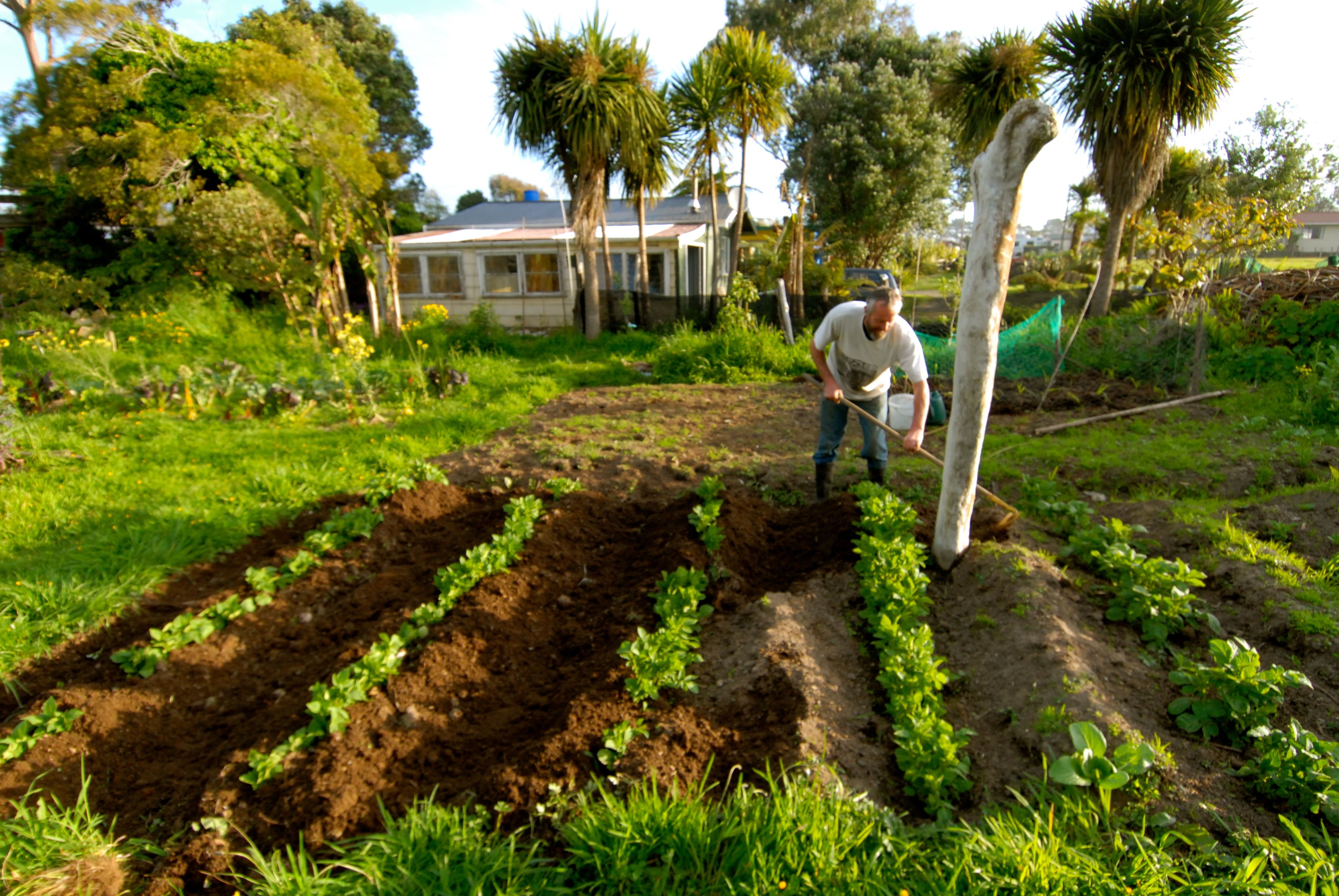
 

Permaculture eco-tourism

By Sebastian von Holstein

Travel broadens the mind, but comes with a carbon footprint. Sebastian visits an eco-retreat in Goa, India and finds a place that combines simple living, upcycling and green technologies with peace and beauty.


P1016963.JPG

Think Goa and long-haired hippy trance parties on the beach may well come to mind, but the stunning grounds here couldn’t take you further away from the noisy bustle of this westernised area of India. This small parcel of paradise, where a rainbow of colours, sided with handmade cob paths and wooden bridges, is the stage for various exotic birds and butterflies to carry out their dance with the surrounding flora, leaving any viewer in a very different form of trance, to that of the local raves.

 

Nature absolutely co-created this place. YogaMagic, a yoga retreat centre, are serious about doing sustainability properly and this marvellous plot lives up to, and surpasses every expectation in this regard. There is no eco-greenwash here.

Practising permaculture from a tourism perspective

The retreat demonstrates a host of applied permaculture principles. The architecture is a mish-mash of reclaimed Indian antiquity and more recent vernacular design. All structures, whether permanent or seasonal, fit perfectly in their surroundings both in style and in the choice of materials. Other pieces of furniture and furnishings have also been handcrafted locally or reclaimed in the nearby bazaars.

Solar showers are fed from the clean local water supply and all grey water, including urine is redirected towards banana and other exotic fruit trees. There is even a fully functioning humanure waste management system on site, reducing vehicle traffic and the irresponsible disposal of waste that so haunts other parts of Goa’s beaches.


The entire outdoor social area is built around a handmade water tower with traditional motifs and pointed windows. The warming presence of a Buddha statue evokes peace to the scene and provides a distraction from the magnificent sloping roof, layered in dried out palm leaves.

On ground level, cob contours mould different levels of seating areas, gently elevated to provide clean views over the untouched local landscape. From here, you mingle the visual feast of the surrounding landscape with the marvellous food on your plate at mealtimes. Everything here is made fresh and totally from scratch, using only the best ingredients.

Traditional Indian mixed with sustainable design

This is low-impact living at its finest. Seven genuine Rhajastani tents dot the landscape, each with a unique block painted pattern and colour scheme (one for each chakra). These are perfectly suited to the climate and prove cool in the day heat and just perfect for a good night’s sleep.


An attached dressing room with a day bed nests within the mud cobbled walls and thatched roof. During the day, these become the creative spaces for song writing, guitar sessions and reading. Then we have the Gaudi-esque outdoor bathrooms, where terracotta pots are filled daily from the local water source. One feeds the tap and the other is used for hand bathing using a jug, saving goliath amounts of water and simultaneously freeing up the above view: clusters of eagles flying just 30 metres above.

The star of the show however is the compost toilet. Perhaps a strange thing to get excited about, but unlike the semi-functional examples you might come across elsewhere, these open air composting systems prove immaculate and completely odour free, owing partly to a natural organism spray.

Organic, local, with a respect for ingredients

It is one thing to use high quality ingredients, and quite another to cook up a delectable feast, yet recurring conversations at YogaMagic generally revolve around mealtimes. Guests are frequently reluctant to eat out in the event they might miss out on another splendid meal. Lemon rice, Panneer (home-made curdled cheese) curries, cumin carrots and sweet and sour chutneys are but a taster of the constantly rotating menu.


The cooks know and appreciate each ingredient through and through, with the respect for flavours you might only see in some of London’s top restaurants. Fresh herbs, fruit and vegetables are either grown here or kept as natural as possible. Hearty vegetarian meals are phenomenally well balanced and always satisfy.

Desserts are just as mouth-watering, with a varying selection including pineapple turnover, lemon posset and ‘Middle-Eastern’ cake topped with pomegranate. As I hinted, deciding to leave for dinner outside YogaMagic can sometimes be a heartbreaking experience.

Hand-built cow dung yoga temple

Yoga here is not a compulsory part of the daily schedule, however it is near impossible to turn down a session in the aptly named ‘yoga temple’. This impressive structure is made from mud, clay and cow dung. The roof is constructed from fallen coconut trees and ‘tiled’ with rows of palm leaves to keep the worst of the weather out.


While safe from the elements, the intimate connection with nature never fades. During morning meditation, the warm air rustles through your hair and the sweet fragrance of Indian flowers settles in your nasal passages, bringing you effortlessly to a state of bliss.

The location is a different world from the usual air-conditioned yoga studio’s you might frequent back at home. Not only this, YogaMagic is also recognized as one of Goa’s best yoga retreats due to its ceaseless attempt to bring in the very best yoga teachers, while giving a wide berth to new-age yoga fads.

Permaculture-Designed Travel

Every element has been taken care of. The entire retreat is impeccably clean, the staff always helpful, flowers bloom and fruit grows all around. This is living proof that sustainability can be stylish, healthy and delicious all in one. Ever wondered what permaculture-designed travel looks like? Look no further…

For more information on YogaMagic eco retreat, visit www.yogamagic.net
 
Sebastian von Holstein is currently travelling through India by train for six months, exploring this amazing sub continent as slowly as possible.
Posted in Agriculture, Art, Business, Economics, Education, Environment, Kahurangi National Park, Karamea, LivinginPeace Project, Money, New Zealand, Peace, Permaculture, Photography, Social Commentary, Sustainablity, Travel, Uncategorized, West Coast | Tagged , , , , , , , , , , , , , , , , , , , , , , , , , , | Leave a comment

An Open Letter to Facebook by Jackie Nickerson

mwnew2-3-copy
 
From: MotherWiseEvidence-Based Parenting, Whole Life Health
 

First I would like to start off by thanking you for creating a wonderful social networking site that brings people together with family, friends, and their community. It helps small businesses grow, and lets us create communities that suit our personal interests. We can spend time relaxing and talking with friends, or sit back and play some mindless games with all the apps you have for us.  We have found truly supportive, loving communities of kindred spirits all over the world through your creation.

However, a few things have been bothering me lately. I don’t know who is running things over there at Facebook headquarters, but to me it seems like a bunch of men who enjoy women, but only on their own terms.  There seems to be a bit of hypocrisy and misogyny all rolled into one, and I do not understand the inconsistent approach you are taking when implementing rules. Let me direct you to your own policy on pornography:

Facebook has a strict policy against the sharing of pornographic content and any explicitly sexual content where a minor is involved. We also impose limitations on the display of nudity. We aspire to respect people’s right to share content of personal importance, whether those are photos of a sculpture like Michelangelo’s David or family photos of a child breastfeeding.”

Now, I do agree with the need to censor pornographic material from a social site that children will see, but here is where the inconsistencies come into play. Below are some screenshots of just a few Facebook pages that you can easily find with a click of a button. As we can see, it seems like the men of Facebook love to celebrate women when it is in a sexual manner that is visually appealing to them.

Screen Shot 2013-03-10 at 9.50.03 PMScreen Shot 2013-03-10 at 9.53.34 PMScreen Shot 2013-03-10 at 9.55.14 PMScreen Shot 2013-03-10 at 10.28.48 PMScreen Shot 2013-03-10 at 11.10.46 PM

These pages have hundreds of thousands of likes and have been up for months. If you scroll through the photo galleries you will find pictures of women completely exposed, pictures of unconsenting women on camera phones that bitter ex-boyfriends send into the page to “Expose These Sluts,” and countless other pictures that clearly violate the terms, but are never removed.

I am a co-owner of a Facebook page that is directed towards moms. We are advocates, and we enjoy what we do. We have a fan base of around 14,000 people right now– it is a place for women to come to get support with breastfeeding, parenting issues, birthing options, and just have a place to connect with like-minded mothers. Today I posted an anatomical drawing of a vulva; something that looks like a page out of an anatomy textbook. It was posted for educational purposes to help women get to know their bodies, learn the proper terms, as a learning tool for their children if need be.  Within 3 hours, the photo was removed and my account that is linked to our page was banned for 30 days.

Here is the so-called “pornographic” image.

"Porn."

“Porn.”

I am wondering why pictures of women stay up if it is visually stimulating to men, but a cartoon drawing that will help women empower themselves and gain knowledge is considered pornographic, and gets removed? I am asking you to please remove the ban from my profile. I do not feel that it violated any terms, and frankly I think you are being completely unreasonable and hypocritical. You should also consider some consistency in your ban policies.  Our community is very familiar with mothers getting banned for posting breastfeeding photos, which you also claim are not against your terms.  It’s another example of sexualized women being acceptable, but women’s anatomical/biological bodies being shamed and censored. At the very least, follow your own rules. Thank you for taking the time to hear me out on this matter.

AUTHOR:Jackie

I am a radical peace preaching hippie, who questions authority, and loves to go against the grain. Compassion, empathy, understanding, and forgiveness are things I feel that are lacking a great deal in most people. Peace and equality is something I am huge on, making the world a better place. Racism, bigotry, and sexism, are a few things I am firmly against. I am a student of health, wellness, and life. I am an advocate for social justice, and peace in all forms. I am a lover of art, music, writing, and all things inspiring. I am a activist by nature (lactavist & Intactivist) In the past 3 years I have done a lot of personal growth, and I am very comfortable and loving the person I have become–I think self love is a big thing that more people should embrace, and I am not a fan of shaming of anyone for any reason. Equality, and compassion are things I love to see in people.

Posted in Children, Education, Erotica, Media, Photography, Product review, Sex, Social Commentary, United States | Tagged , , , , , , , , , , , , | Leave a comment

Karamea Ministry of Red Tape # 21


A New Zealand Government Department authorised by a covertly suspicious and deliberately rhetorical Act of Parliament and compounded by a tacitly implied Royal Approval to receive Official Complaints.
 

Office Manager: Red Scarlett

Senior Complaints Officer:     Andrea Bjornstrand

1511724_10154758694345013_6020413445482430108_n

Office Receptionist: Miss Sweden

Junior Office Bimbo: Miss Venezuela

images

Tea Trollop: Mimi La Chocolat

MiMi

Office Sheep: Baa Baa

BaBa II

Karamea Ministry of Red Tape Office

Market Cross, Karamea

Monday May 6th 1030hrs!!!

Andrea Bjornstrand:    Welcome to the Karamea Ministry of Red Tape good sir!

Sir Richardhead:    Aaa aaa greetings humble wench!!!

tumblr_m0fi5rtnW81r5xwvf

Andrea Bjornstrand:    Pardon me but you appear a little out of breath!

Sir Richardhead:    Indeed I got completely yogenberrried on Saturday prior to a jousing fest!!!

Andrea Bjornstrand:    It may be an optical illusion but you appear to have no head between your shoulders!

angelina

Sir Richardhead:    Sir Roberto the Magnificent decapitated my good self in a sword fight!!

Andrea Bjornstrand:    And you have been running around like a headless chook since???

angelina-jolie-33381_1_

Sir Richardhead:    On the contrary generous breasted maid!!  Went to matins at chapel on Sunday morn!!!

Andrea Bjornstrand:    Was the congregation surprised???

Sir Richardhead:    No they were of the opinion that I am the second coming of John the Baptist!! Still had a dreadful hangover!!

tumblr_m0fhmt6LrD1r5xwvf

Andrea Bjornstrand:    Mmmm!! Perhaps you should join Alcoholics Anonymous and make a vow to quit drinking while you are a head!!!

Sir Richardhead:    Sacrilege!!!

original

Andrea Bjornstrand:    So you got legless and and headless in short order!!!

Sir Richardhead:    A foul imposter in the interests of equanimity then decided to shove my head up my rectum!!!

Andrea Bjornstrand:    Ouch!!!

Sir Richardhead:    Indeed!!! I did not know that I had such appalling haemorrhoids!!!

Andrea Bjornstrand:    Mmm!! Sounds like you should consult a doctor!!!

Miss Sweden:     Excuse me but I could not help noticing that your cockpit is wide open and you appear to have been completely castrated!!

Sir Richardhead:    Sir Galahad!!!  The recalcitrant!!!!

Andrea Bjornstrand:    Another jousting foe!!!


Sir Richardhead:    No!!! My bank manager!!!!

Andrea Bjornstrand:    So you here to make a complaint???

Sir Richardhead:    Perchance regarding what???

Andrea Bjornstrand:    The weather today cause for complaint???

Sir Richardhead:    Yes why not???

tumblr_m4e4imZUf01r5xwvf

Andrea Bjornstrand:    An official complaint???

Angelina-Jolie-Beard--31685

Sir Richardhead:    Yes of course!!!!

Andrea Bjornstrand:    Mmmm!!! Let me consult the Office Manual. Here we go!! Karamea Ministry of Red Tape Official Complaint 911 “ Completely headless knight wishes to record extremely serious complaint regarding Karamea’s weather!!!!” The exact nature of your complaint???

Sir Richardhead:    Well aaaaghh aaaghhh???

Andrea Bjornstrand:    That dark shaped ominous cloud up there??? The one shaped like the Grim Reaper!!!

Sir Richardhead:    Yes by gad!!!

Andrea Bjornstrand:    How would you describe yon cloud??? Provocative???

Sir Richardhead:    No!!!


Andrea Bjornstrand:    Seductive????

Sir Richardhead:    Yes!!! By gad yes!!!!

Andrea Bjornstrand:    Excellent!!!! Let me find an official complaint form!!!

Sir Richardhead:    Fee my good mistress???

Andrea Bjornstrand:    One thousand gold crowns including Imperial War Tax!!!

Sir Richardhead:    Can I record a debt on the strength of my knightly honour and valour??


Andrea Bjornstrand:    Normal departmental policy is small denomination unmarked bills with no sequential serial numbers???

Sir Richardhead:    Do I get an official  receipt???

Andrea Bjornstrand:    Are you serious????

Double-Vision-Angelina-Jolie--35611

Sir Richardhead:    Aaaaghhh!!! I’m getting a phantom migraine!!!

Andrea Bjornstrand:    I’ll get Miss Venezuela our junior office bimbo to give you a full medical!!!


Sir Richardhead:    Is she a trained nurse????

Andrea Bjornstrand:    Of  course she is an expert and experienced body the rapist!!!

Miss Venezuela:    You look awful!!!

Lips-of-Angelina-Jolie-35018

Sir Richardhead:    But I feel great!!!


Miss Venezuela:    Mmmm!!! Let me consult my nursing manual!!! Mmmm 7a Look good, feel good..no… 7b Look awful… feel awful…no…  ah… here we go ….  7e Look awful …feel great… you… you’re ..a.. vagina!!!

Sir Richardhead    :    Can I get a second opinion????

Richard Branson Celebrates Virgin Airlines Inaugural Flight To Vegas

Baa Baa:    Baaaaaaaaaaaaaaaaa!!!!!!!!!!!!!!!

Baba

KABOOM!!!

Mimi La Chocolat!!!:    Great shot boss!!! Right through the right ventricle , dissected the aorta and neatly severed his spinal column!!! A new departmental record!!!

MiMi 3

Sir Richardhead:    Excuse me!!!!

tumblr_m0fi02TZnE1r5xwvf

Red Scarlett:     I beg your pardon but you are supposed to be dead!!!!

Sir Richardhead:    Many apologies but I didn’t realise!!!! Aaaaaghh……………


Red Scarlett:    Pull yourself together my good man, a valiant knight dies like a hero!!!!

Sir Richardhead:    Aaaa aaaaaa………….

Richard Branson Celebrates Virgin Airlines Inaugural Flight To Vegas

Red Scarlett:    Any last requests???

Sir Richardhead:    ..a… a…a….

Mimi La Chocolat:     A cup of tea????

MiMi2


article-2188828-148EDDDE000005DC-864_634x392 Branson-and-model-Maddy-For_460


tumblr_lyqf3qykOK1r5xwvf
tumblr_lzl52qW9DG1r5xwvf
tumblr_m0fgs7vIUM1r5xwvf Virgin Chairman Branson carries a cheerleader during a ceremony to mark the delivery of the first Boeing 777-300ER for his new airline V Australia, in Seattle


tumblr_m3cz5i1hsM1r5xwvf
tumblr_m081ifzcxv1r5xwvf tumblr_ma1tke83gm1r5xwvf

Posted in Art, Business, Funny, Hilarious, Humor, Humour, Karamea, New Zealand, Parody, Photography, Politics, Satire, Sex, Social Commentary, Weird | Tagged , , , , , , , , , , , , | Leave a comment